 Vorschau anzeigen
 Versenden
 Teilen
 Details anzeigen

 Herunterladen
 Ähnliche Objekte
 Röntgenaufnahme
 Diashow
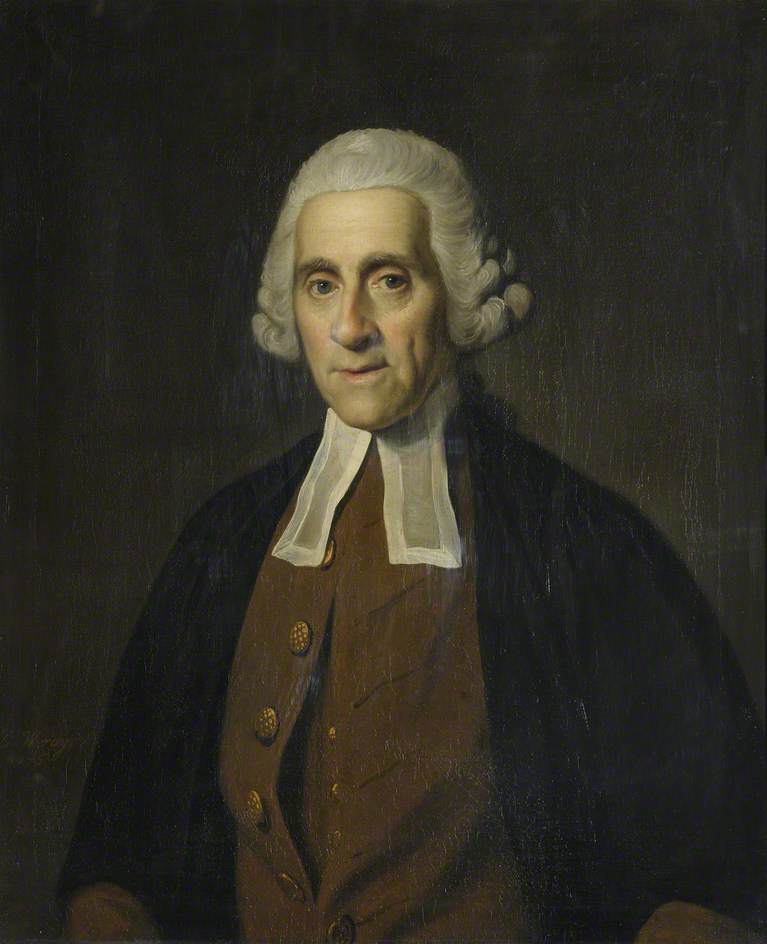
Daniel Wray (1701–1783), Antiquary, Fellow Commoner (1718 1719)
 Oil On Canvas
- WallArt
- Neoclassicism
 1769
1769 76.0 x 64.0 cm
 Queens' College
 Weiterlesen
Handgefertigte Ölreproduktion
Handgemaltes Ölgemälde auf Leinwand in Ihrer Wunschgröße und mit Rahmen, auf Bestellung von unseren Künstlern angefertigt. ( Druck bestellen Bild kaufen)




P118B $10

P118H $10

P118W $10

P438Z $10

P508JH $12

P508YH $12

P805H $10

P805Z $10

P919BZ $10

P919G $10

P919XJ $10

P959ZH $10

P968JZ $12

W106C $8

W218G $10

W218JH $8

W218Y $10

W307PJ $10

W316G $10

W316PJ $8

W316Y $10

W398PJ $8

W4111J $10

W500HY $15

W500JH $15

W692G $12

W849H $8

W940BG $15

W953PJ $8




Wählen Sie aus unseren vordefinierten Formaten, die den ursprünglichen Proportionen des Kunstwerks entsprechen.

Sie können Ihre eigenen Maße eingeben, um einen bestimmten Rahmen oder Platz auszufüllen. Wenn die gewählte Größe nicht den Proportionen des Originalbildes entspricht, werden wir das Kunstwerk entweder beschneiden oder das Gemälde durch zusätzliche, handgemalte Elemente erweitern. Ein digitales Mockup wird Ihnen zur Genehmigung zugesandt, bevor die Produktion beginnt.
Bitte beachten Sie, dass die Bildschirmvorschau nicht die tatsächliche Beschneidung oder Erweiterung widerspiegelt. Nur das Mockup zeigt die endgültige Komposition exakt an.
Obwohl Sondermaße verfügbar sind, empfehlen wir, eine Größe aus der vordefinierten Liste zu wählen, um die ursprünglichen Proportionen beizubehalten.
Nach der Bestellung wird das ArtsDot.com-Team dem Kunden Anweisungen per E-Mail zusenden und eine Mockup-Vorschau bereitstellen.
Weltweiter Versand () in nur 3 bis 4 Wochen statt der üblichen 5 Wochen. (23 August). Keine Kompromisse bei der Qualität.

Kostenloser weltweiter Expressversand

Hochwertige Leinenleinwand

Umfassender Versicherungsschutz beim Versand

Zollgebühren-Rückerstattungsgarantie

Garantie für exakte Farbtreue

60 Tage Rückgaberecht (nur bei Mängeln)

100% Geld-zurück-Garantie

Mengenrabatt verfügbar
 Die Glasoption ist nur für Größen unter 110 cm verfügbar.

Daniel Wray (1701–1783), Antiquary, Fellow Commoner (1718 1719)
Art der Reproduktion
Format der Reproduktion
-


Gesamtpreis
$ 263
Beschreibung des Kunstwerks
A Dignified Portrait of Antiquity: Nathaniel Dance-Holland’s Daniel Wray
The year is 1769, and within the hallowed halls of Queens' College, Cambridge, a scene unfolds captured with remarkable precision by Sir Nathaniel Dance Holland. Before us rests “Daniel Wray (1701–1783), Antiquary, Fellow Commoner,” an oil painting that transcends mere portraiture to become a poignant study in age, intellect, and the quiet dignity of scholarly pursuits. More than just a likeness, this work offers a glimpse into the intellectual climate of 18th-century England, revealing a man deeply immersed in the pursuit of knowledge and the preservation of history.
Dance Holland’s style is firmly rooted in the classical traditions that dominated British art at the time. The composition adheres to a carefully balanced symmetry, reminiscent of Renaissance portraiture yet imbued with a distinctly English sensibility. The subject, Daniel Wray himself – an antiquarian dedicated to the study of ancient texts and artifacts – is presented in a three-quarter pose, his head slightly turned towards the viewer, inviting engagement. His gaze holds a certain thoughtfulness, suggesting a mind constantly occupied with contemplation and research. The lighting, dramatic and directional, emphasizes the textures of Wray’s face and clothing, creating a sense of depth and volume that is characteristic of Holland's masterful technique.
Technical Mastery: The Language of Oil
Holland’s skill as an artist lies not only in his ability to capture likeness but also in his command of oil paint. The painting demonstrates a meticulous layering process, with thin glazes building up color and tone to achieve remarkable subtlety and realism. Note the delicate rendering of Wray's facial features – the furrowed brow hinting at years spent poring over ancient manuscripts, the precise lines defining his eyes, and the subtle shading that gives volume to his cheeks and nose. The artist’s use of brushstrokes is largely concealed beneath these layers, creating a remarkably smooth surface—a testament to Holland’s patience and expertise. The dark background, rendered with atmospheric perspective, further enhances the sense of depth and draws the viewer's attention directly to Wray himself.
Symbolism and Context: A Scholar’s Portrait
Beyond its technical brilliance, “Daniel Wray” is rich in symbolic meaning. The subject’s attire—a meticulously tailored coat, a lace cravat, and spectacles perched upon his nose—immediately establishes his status as an educated gentleman and a member of the intellectual elite. The inclusion of the clerical collar subtly alludes to Wray's scholarly pursuits, suggesting a connection to religious learning and tradition. The presence of ancient texts in the background (implied by the setting) reinforces the theme of antiquity and the importance of preserving historical knowledge. This portrait wasn’t simply a representation of an individual; it was a statement about the value placed on scholarship and intellectual curiosity during the Georgian era.
A Legacy of Portraiture: Dance Holland's Influence
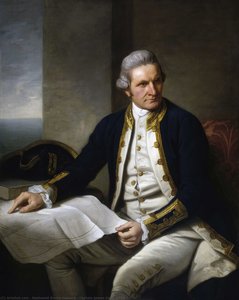
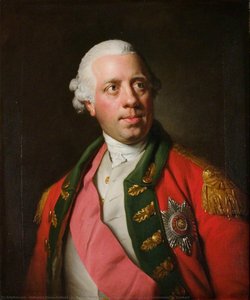
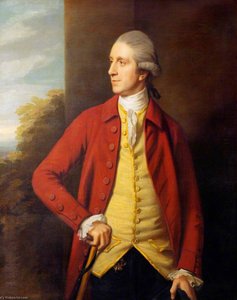
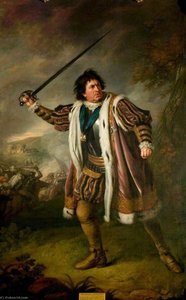
Sir Nathaniel Dance-Holland stands as a pivotal figure in 18th-century British portraiture. His work, characterized by its elegance, realism, and attention to detail, profoundly influenced generations of artists. He was a member of the Royal Academy, one of the founding members, and his commissions included portraits of prominent figures such as King George III, Captain Cook, and David Garrick – individuals who shaped the course of British history. “Daniel Wray” exemplifies this legacy, offering a window into a specific moment in time and showcasing Holland’s remarkable ability to capture both the outward appearance and inner character of his subjects. Reproductions of this captivating portrait continue to resonate with art lovers today, serving as a reminder of the enduring power of skillful artistry and thoughtful representation.
Ähnliche Kunstwerke

Über den Künstler
Frühes Leben und Karriere
Sir Nathaniel Dance Holland, ein britischer Offizier der Honourable East India Company, wurde am 20. Juni 1748 in London geboren. Sein Leben nahm eine interessante Wendung, als sein Vater, James Dance, die Familie verließ, um eine Karriere als Schauspieler und Dramatiker zu verfolgen. Dies führte dazu, dass der junge Nathaniel von seinem Großvater väterlicherseits, George Dance dem Älteren, einem angesehenen Architekten der Stadt London, aufgezogen wurde.Aufstieg in den Reihen
Nathaniel's maritime Karriere begann unter der Schirmherrschaft von Nathaniel Smith, einem hochrangigen Beamten der Honourable East India Company. Bis 1780 hatte Dance acht Reisen nach Indien sowie eine zum Mittelmeer und eine zu den Westindien unternommen. Seine neunte Reise erwies sich als entscheidend, da er während der Aktion vom 9. August 1780 von einer gemeinsamen spanisch-französischen Flotte gefangen genommen wurde.Heldentum in den Napoleonischen Kriegen
Dance's größter Erfolg gelang ihm während der napoleonischen Kriege, als er, als Kommodore einer der Flotten der Company, auf eine französische Geschwader unter Admiral Comte de Linois traf. Durch geschickte Seemannschaft und aggressive Taktik täuschte Dance die Franzosen vor, dass der britische Konvoi von starken Marinekräften eskortiert wurde. Dies führte dazu, dass die Franzosen beschlossen, nicht anzugreifen, und Dance verfolgte sie trotz eines erheblichen Kräfteverhältnisses.Vermächtnis und spätere Jahre
Dances Heldentum brachte ihm einen Rittertitel und eine beträchtliche Belohnung ein. Er verbrachte seine späteren Jahre im komfortablen Ruhestand und starb am 25. März 1811. Obwohl er hauptsächlich für seine maritimen Leistungen bekannt ist, erstreckt sich Dance's Vermächtnis auch auf die Kunstwelt, wobei mehrere seiner Werke auf ArtsDot.com gezeigt werden, einer Plattform, die hochwertige Reproduktionen berühmter Kunstwerke anbietet.- Betrachten Sie Sir Nathaniel Dance Hollands Kunstwerke auf ArtsDot: https://ArtsDot.com/@/sir_nathaniel_dance_holland
- Erkunden Sie die niederländische Goldene Zeitalter Kunstbewegung, die Dances künstlerischen Stil beeinflusste: die niederländische Goldene Zeitalter Kunstbewegung
- Entdecken Sie mehr über George Dance den Älteren auf Wikipedia: George Dance
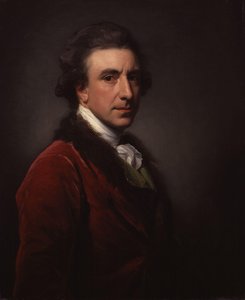
Sir Nathaniel Dance-Holland
1735 - 1811 , Vereinigtes Königreich
Kurzinfos
- Beeinflusste Künstler:
- Pompeo Batoni
- Angelica Kauffmann
- Bemerkenswerte Werke:
- Sir William Fordyce
- The Pybus Family
- Geburtsdatum: 20. Juni 1748
- Geburtsort: London, Vereinigtes Königreich
- Künstlerische Richtung: Niederländische Goldene Zeitalter
- Nationalität: Britisch
- Todatum: 25. März 1811
- Vollständiger Name: Sir Nathaniel Dance Holland
Ähnliche Artikel
Sir Joshua Reynolds: Die 25 Meisterwerke des Porträtmalers | ArtsDot
Entdecken Sie die 25 Meisterwerke von Sir Joshua Reynolds! Erleben Sie Rokoko & Klassizismus durch ikonische Porträts. Hochwertige Reproduktionen für Ihr Interieur auf ArtsDot.com – jetzt entdecken!
Sir Alfred James Munnings: Die 25 Meisterwerke des Pferdebildes | ArtsDot
Entdecken Sie die 25 Meisterwerke von Sir Alfred James Munnings! Erleben Sie seine beeindruckenden Pferdebilder, geprägt vom Impressionismus und Realismus. Hochwertige Kunstdrucke & Reproduktionen auf ArtsDot.com – für elegante Wandkunst & stilvolles Interieurdesign.
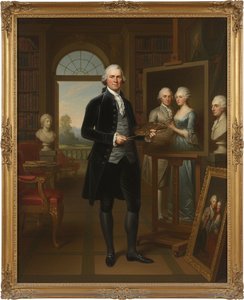
Sir Nathaniel Dance-Holland: Porträtmalerei, Mäzenatentum und die Identität des georgianischen Zeitalters
Entdecken Sie das Werk von Sir Nathaniel Dance-Holland – Meister der Porträtmalerei des georgianischen Zeitalters. Erfahren Sie mehr über sein Leben, seine Kunst und seinen Einfluss auf die britische Gesellschaft. Hochwertige Reproduktionen bei ArtsDot.

Die 10 Meisterwerke des 18. Jahrhunderts: Kunst für Ihr Zuhause | ArtsDot
Entdecken Sie die 10 prächtigsten Meisterwerke des 18. Jahrhunderts! Von Rokoko bis Klassizismus – erleben Sie die Kunst von Fragonard, David & Hogarth. Hochwertige Reproduktionen für Ihr Zuhause auf ArtsDot.com.
Panoramic Visions of Empire: The Daniells’ Artistic Collaboration & Legacy
Explore the captivating 'Oriental Scenery' by Thomas & William Daniell. Discover their pioneering aquatint prints of India, imperial context, artistic collaboration, and lasting legacy. A deep dive for history lovers.