


The Lens of Emotion: Finding Your Unique Visual Voice
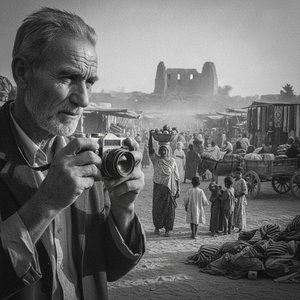
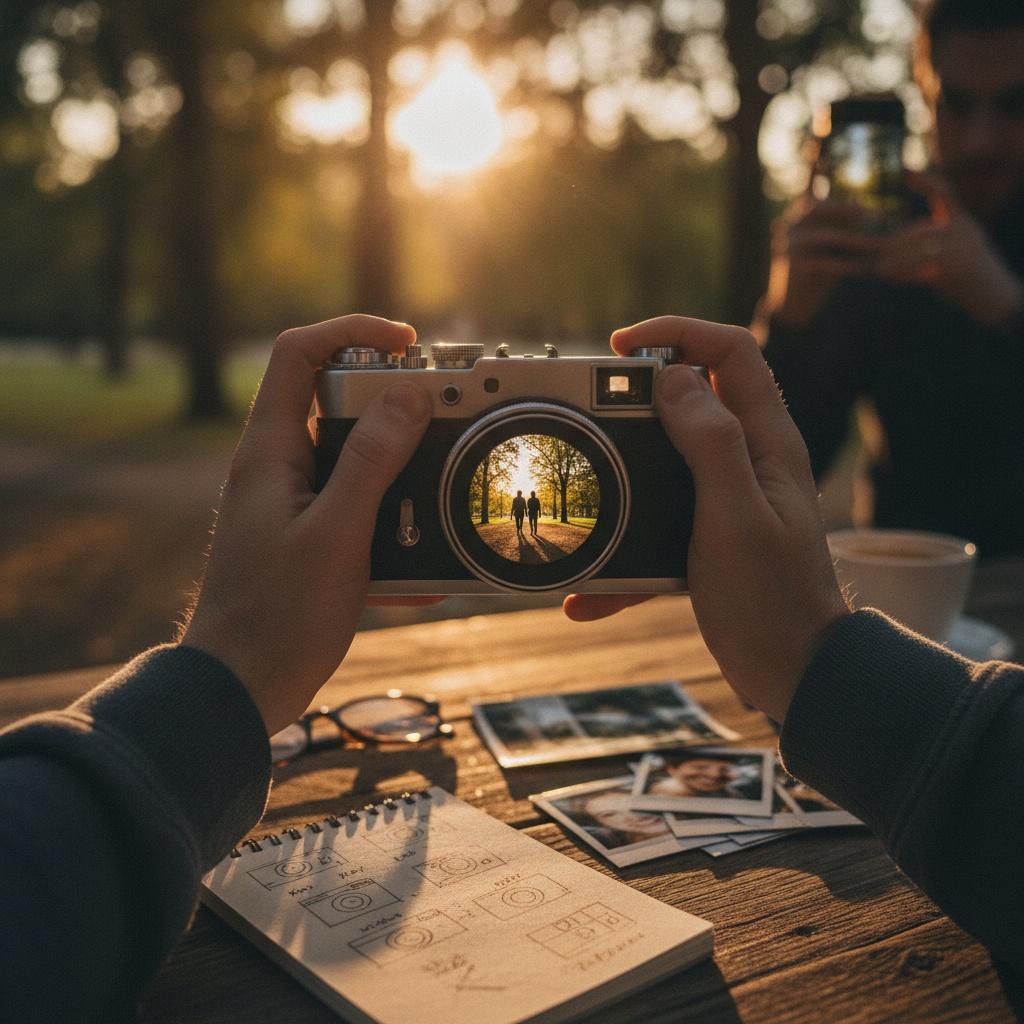
Every time we lift a camera, whether it is a professional DSLR or the intuitive lens of a smartphone, we are doing more than merely recording light; we are attempting to translate the intangible language of the soul. For the aspiring storyteller, photography begins not with technical mastery, but with a profound sense of curiosity and an openness to feeling. It is about that sudden, breathless pause when the afternoon sun hits a dewdrop, or the quiet, heavy intimacy found in a loved one's gaze. To find your unique visual voice, you must learn to look past the surface of things. We often find inspiration in the works of masters who understood this emotional depth—think of how Eliot Porter captured the vibrant, living essence of a Northern Parula Warbler amidst the soft moss, or how the evocative landscapes of Rok Březnik invite us into the very heart of adventure.
Developing this voice requires a willingness to be vulnerable and to embrace your own perspective. There is no right or wrong way to see the world, only your way. As you begin this journey, do not be discouraged by the technical hurdles; instead, focus on what moves you. Are you drawn to the high-frequency energy of digital glitch art, like the chromatic fragments of Amélie Caron, or do you find solace in the quiet, monochromatic elegance of fashion photography? By leaning into your natural inclinations, you begin to build a visual vocabulary that is uniquely yours, turning every click of the shutter into a personal signature.
Mastering the Light: A Journey Through Composition and Color
Light is the lifeblood of photography, the invisible medium that breathes form and dimension into the flat plane of an image. To master light is to understand how it dances, how it hides, and how it reveals. Beginners often chase the brightest moments, yet there is a profound magic found in the shadows—the negative space that allows a subject to breathe. Consider the striking black and white compositions seen in Richard Puhlmann’s work, where the interplay of light and dark creates a sense of timeless glamour and structural intrigue. Learning to manipulate this contrast is what separates a mere snapshot from a piece of art.
As you grow more comfortable with light, your relationship with color will evolve into something deeply poetic. Color can dictate the mood of an entire room or a single memory; it can be warm and welcoming like a sun-drenched morning, or cool and contemplative like a twilight mist. Exploring color through different lenses—perhaps browsing by palette to see how certain hues evoke specific emotions—can help you understand how to use color as a narrative tool. Whether you are capturing the crimson gradients of a digital horizon or the earthy tones of a forest floor, every hue you choose tells a story, guiding the viewer's eye and heart through your visual landscape.
From Snapshot to Story: Techniques for Capturing Authentic Moments
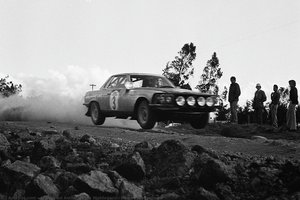
The true magic of photography lies in its ability to freeze time, capturing the fleeting essence of a moment that will never occur exactly the same way again. The transition from taking snapshots to creating stories happens when you begin to look for the narrative thread within a scene. This requires an observant eye and a patient heart. It is found in the spontaneous laughter of a wedding party, the focused intensity of an athlete during a championship, or the quiet dignity of a portrait. Great photographers like Jacques Loyau have mastered this, capturing the raw, kinetic energy of sporting triumphs that resonate long after the event has passed.
To achieve this, one must learn to anticipate the moment rather than just reacting to it. It involves understanding timing, movement, and the subtle cues of human emotion. You might find yourself studying the way light falls on a subject just before they smile, or how the background elements frame a person's story. This level of intentionality transforms a collection of random images into a cohesive visual journey. When you capture an authentic moment, you are not just taking a picture; you are preserving a piece of history, creating a legacy that can be revisited and cherished for generations.
The Art of Curation: Building a Meaningful Visual Portfolio
As your collection of images grows, you will face the beautiful challenge of curation. A portfolio is not merely an accumulation of everything you have shot; it is a carefully curated exhibition of your best ideas and deepest emotions. Curation is an act of editing, a process of deciding which stories are worth telling and which images deserve to stand alongside one another. This requires a critical eye and the courage to leave out the "good" in pursuit of the "extraordinary." A well-curated collection should feel like a conversation, where each image responds to or complements the next.
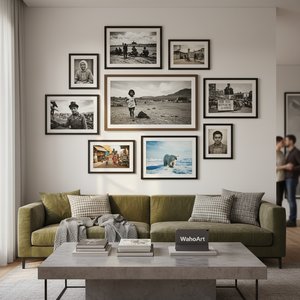
Think of your portfolio as an interior design project for the soul. Just as one might choose a specific piece of art to anchor a room, you must choose images that anchor your visual identity. You may find yourself drawn to the way certain landscapes flow into one another, or how a series of portraits creates a rhythmic pattern of light and shadow. By focusing on themes, moods, or even color palettes, you create a sense of cohesion that invites viewers into your world. This disciplined approach to selection is what elevates a hobbyist to a true visual storyteller.
Preserving the Frame: Transforming Digital Memories into Timeless Masterpieces
In our modern, digital age, we are often overwhelmed by thousands of fleeting images stored in invisible clouds. While these digital files are convenient, they lack the tactile, soulful presence of something physical. The ultimate way to honor your most precious photographic memories is to bring them into the physical realm, transforming a digital moment into a tangible work of art. Imagine taking a cherished family portrait or a breathtaking landscape and reimagining it as a hand-painted oil reproduction on heavy cotton canvas. The visible brushstrokes and the rich, textured depth of real paint offer a sensory experience that a screen simply cannot replicate.
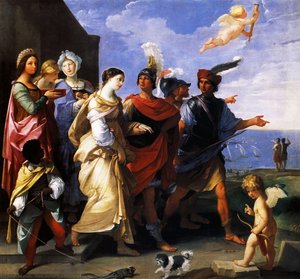
This transformation allows you to bridge the gap between technology and tradition. You can take a modern photograph and request a "period shift," perhaps having it reimagined in the light-drenched style of Monet or the dramatic impasto of Van Gogh. This process turns a simple memory into a lasting heirloom, a piece of fine art that breathes life into your home. Whether through high-quality Giclée prints or bespoke oil paintings, preserving your visual journey in a physical format ensures that the magic of those captured moments remains vibrant, textured, and deeply present for decades to come.
At ArtsDot.com, we believe that every beautiful moment deserves to be celebrated and preserved. Whether you are looking to discover new inspirations or transform your own personal photos into museum-quality masterpieces, our mission is to make the world of fine art accessible, warm, and deeply personal for every home.