
The Allure of the Golden Age: Why Dutch Landscapes Still Captivate Modern Interiors
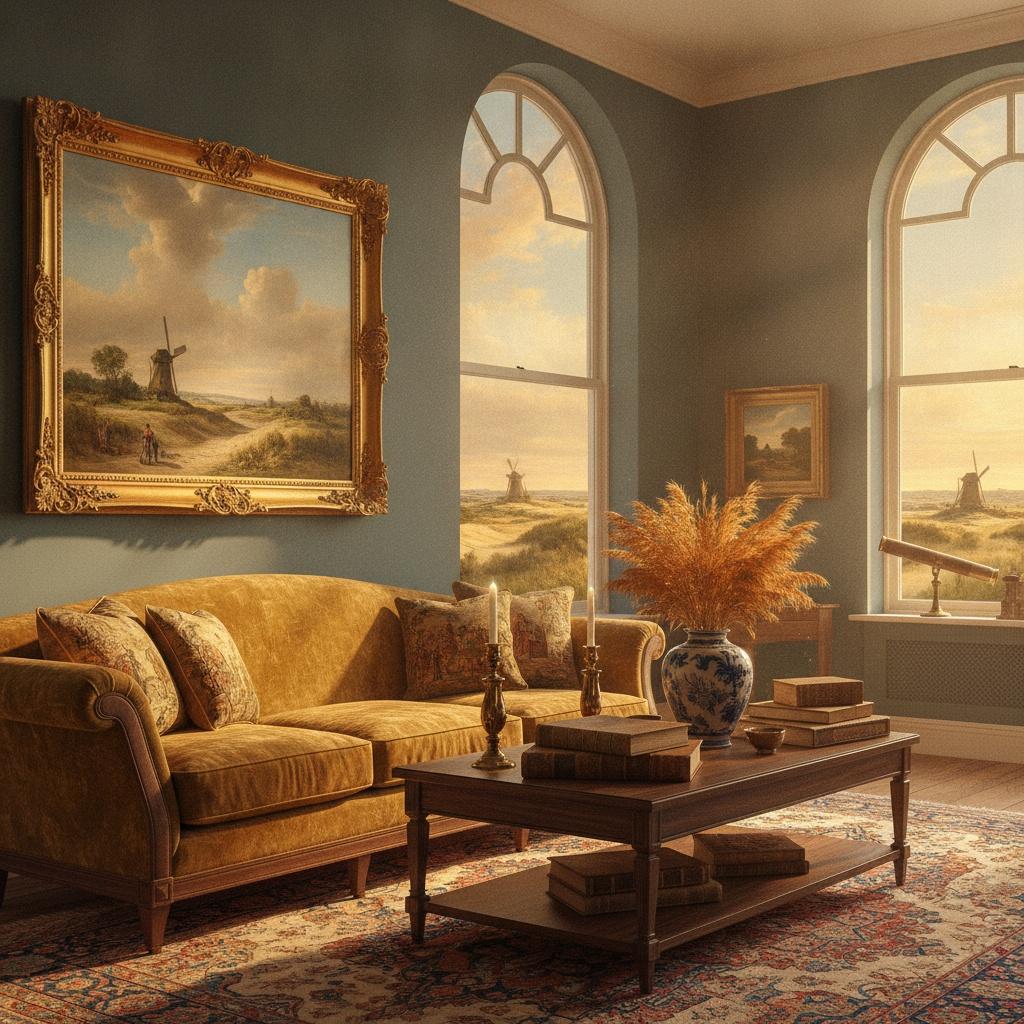
There is a profound, quiet magic that resides within the sweeping horizons and luminous clouds of the 17th-century Dutch masters. To step into a room adorned with a landscape from the Dutch Golden Age is to invite a sense of timelessness into the modern home. Unlike the dramatic, often overwhelming scale of Italian Baroque works, the Dutch tradition offers a more intimate connection to the earth and sky. It is an art of observation, where the humble beauty of a windmill at Wijk bij Duurstede or the gentle ripples of a river scene can ground a contemporary living space in a sense of peace and permanence.
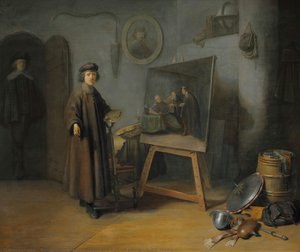
For the modern decorator, these paintings offer much more than mere historical interest; they provide a window into a world that celebrates the extraordinary within the ordinary. The prosperity of the Dutch Republic allowed for a flourishing of secular subjects, moving away from rigid religious iconography toward the realistic depiction of their own land and sea. When we bring these vistas into our homes today, we are not just hanging a decoration; we-are curating an atmosphere of reflection. These works resonate with our current desire for authenticity and a deeper connection to the natural world, acting as soulful anchors amidst the fast-paced digital age.
Chiaroscuro & Clouds: Mastering Light and Atmosphere in Your Living Space
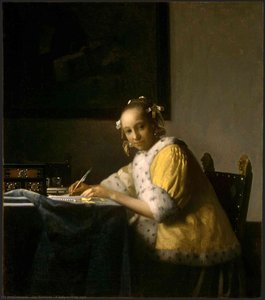
The true heartbeat of Dutch landscape painting lies in its mastery of light. The technique of chiaroscuro—the dramatic interplay between deep shadow and brilliant illumination—creates a sense of three-dimensional depth that pulls the viewer directly into the scene. Imagine a sunbeam breaking through a heavy, slate-grey cloud to illuminate a single patch of green meadow or the white sail of a distant vessel. This rhythmic movement of light and dark creates a visual melody that can transform the mood of a room, adding a layer of sophisticated drama without requiring bold, clashing colors.
This atmospheric perspective is what gives these works their legendary "breathable" quality. Artists like Jan van Goyen pioneered subtle tonal shifts that allow the eye to wander from the detailed foreground into a misty, infinite distance. In an interior design context, utilizing art that emphasizes this depth can make a smaller room feel expansive and airy. By focusing on the soft transitions of light—the way a golden afternoon glow might touch a riverbank in a Salomon van Ruysdael masterpiece—you can introduce a sense of warmth and tranquility that softens the sharp lines of modern furniture and architecture.
From Seascapes to Village Greens: Choosing a Landscape for Every Room and Mood
Selecting the right landscape is an exercise in emotional curation. Each genre within the Dutch tradition carries its own distinct vibration. For a grand, high-ceilinged dining room or a formal study, maritime scenes offer a sense of adventure and strength. The works of Willem van de Velde the Elder, featuring Dutch vessels lying inshore under a calm sky, evoke a feeling of stability and quiet power. These pieces work beautifully when paired with rich wood tones and classic textures, providing a conversation piece that speaks of exploration and historical grandeur.
Conversely, for more intimate spaces like a reading nook or a bedroom, the gentle pastoral scenes of David Teniers the Younger or Salomon Rombouts offer a much softer touch. A view of a village with peasants conversing in the foreground brings a sense of community and rustic charm, perfect for creating a cozy, welcoming sanctuary. If your goal is to create a serene, meditative environment, look toward river landscapes that feature the soft, muted palettes of the 17th century. These scenes, often characterized by their tranquil waters and distant churches, act as a visual exhale, inviting the inhabitant to slow down and breathe.
Timeless Textures: The Beauty of Hand-Painted Oil Reproductions vs. Digital Prints
As we seek to bring these historical treasures into our homes, the medium through which they are presented becomes just as important as the subject matter itself. While high-quality digital prints offer a convenient way to enjoy classic imagery, there is an incomparable soul found in a hand-painted oil reproduction. A true oil painting possesses a tactile dimension that a flat print simply cannot replicate. When an artist applies paint directly to cotton canvas, they create impasto—visible brushstrokes and raised textures that catch the light just as the original masters intended.
This physical depth creates a much richer tonal range. In a hand-painted work, the shadows are not merely dark pixels; they are layers of pigment that hold a certain luminosity. The subtle variations in the thickness of the paint allow for a play of light across the surface of the canvas, giving the clouds and water a lifelike, vibrating energy. For the collector who values authenticity and the "feeling" of art, choosing a reproduction that celebrates these hand-made nuances ensures that the artwork remains a living, breathing part of the room's texture, rather than a static image on a wall.
Curating Your Gallery: Expert Tips for Styling Masterpiece Recreations in a Contemporary Home
Integrating such storied works into a contemporary interior requires a delicate balance between the old and the new. One of the most effective ways to achieve this is through the "multi-panel" or group set approach. Splitting a wide, sweeping landscape across three or five panels can create a stunning architectural statement, especially on large, empty walls or staircases. This modern layout breaks up the traditional heaviness of a single large frame and allows the landscape to flow seamlessly with the movement of the room.
When styling, consider the color palette of your existing decor. You do not need to match every shade, but finding a common thread—perhaps a muted gold from a sunlit cloud or a deep forest green from a wooded riverbank—can create a cohesive design language. Do not be afraid to "remix" history; pairing a 17th-century style landscape with sleek, minimalist furniture creates a sophisticated tension that is the hallmark of modern luxury. Finally, remember that art is an investment in your home's atmosphere. Whether you choose a framed masterpiece or a contemporary canvas wrap, let the light and the sky of the Dutch Golden Age guide your journey toward a more beautiful, inspired living space.