

The Hero’s Origin: From Roman Soldier to Eternal Icon
 Saint George in Art: A Scholarly Exploration of Iconic Masterpieces and Eternal Legends
The Martyr and the Soldier: Historical Foundations of Saint George Saint George Saint George (Greek: Γεώργιος, romanized: Geṓrgios; died 23 April 303), also George of Lydda, was an early Christian martyr who is venerated as a saint in Christianity. A...
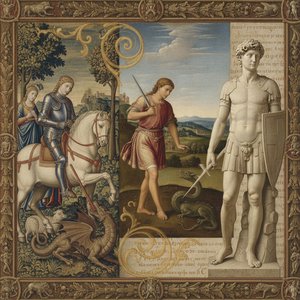
To understand the breathtaking canvases that populate our galleries, one must first look beneath the scales of the dragon and into the historical heart of the man himself. Saint George, or George of Lydda, was not merely a figure of myth but a soldier of the Roman army during the early 4th century. As a member of the Praetorian Guard under Emperor Diocletian, his life was defined by the harsh realities of imperial service and the profound weight of conviction. When he refused to recant his Christian faith amidst the Diocletianic Persecution, he transitioned from a soldier of the Empire to an atleta Christi—a champion of Christ. This historical foundation provides a somber, powerful context that anchors the more fantastical elements of his later hagiography. While history gives us the martyr, legend provides the icon, transforming a Roman soldier into a universal symbol of steadfast faith and spiritual fortitude that has captivated artists for over a millennium.
A Symphony of Chivalry: Analyzing the High Renaissance Mastery of Raphael
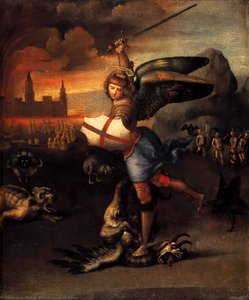
 Saint George and the Dragon (Raphael)
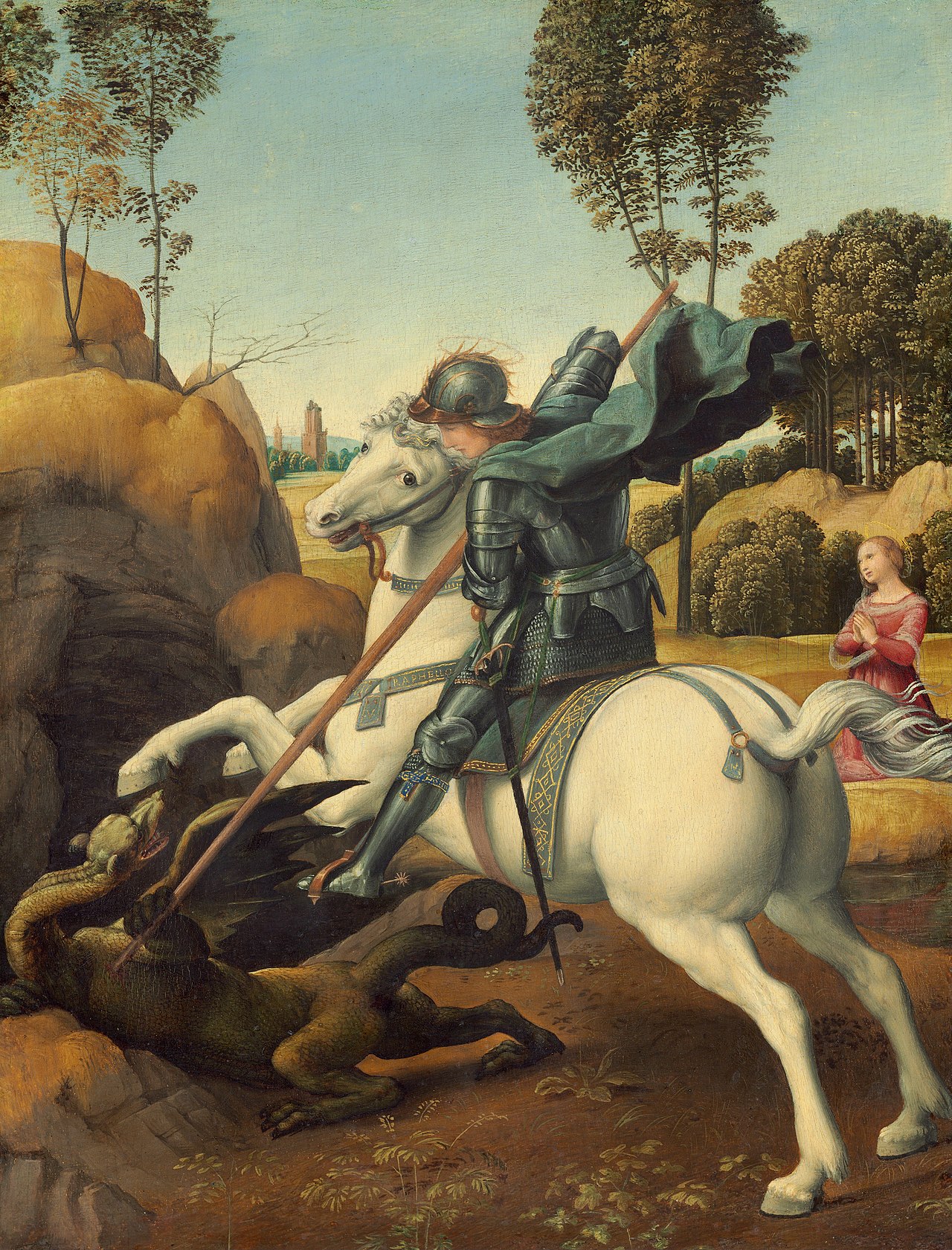
St. George and the Dragon is a small oil on wood cabinet painting by the Italian High Renaissance artist Raphael, painted c. 1505, and now in the National Gallery of Art in Washington, D.C. The saint wears the blue garter of the English Order of the ...
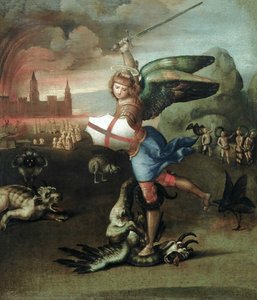
As we move into the luminous era of the High Renaissance, the legend finds its most harmonious expression in the hands of masters like Raphael. His 1506 masterpiece, St. George and the Dragon, is a breathtaking study in balance and classical grace. Within this small oil on wood cabinet painting, Raphael achieves a sense of monumental drama through a perfectly orchestrated triangular composition. The knight and his noble steed form the apex of this structure, drawing the viewer’s eye upward toward the triumph of virtue, while the dragon anchors the base in a state of defeat. There is a profound elegance in how Raphael utilizes an earthy yet rich palette—greens, browns, and blues—contrasted against the metallic sheen of polished armor and the vibrant red of the princess’s attire. It is a work that captures the quintessential medieval legend of chivalry through the sophisticated lens of Renaissance humanism, offering a sense of relief and triumph that feels as fresh today as it did in the 16th century.
Faith and Fury: The Emotional Depth of Early Netherlandish Realism
 Saint George and the Dragon
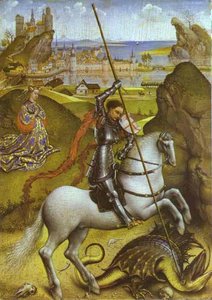
A Testament to Faith and Fury: Rogier van der Weyden’s *Saint George and the Dragon* Rogier van der Weyden's 1435 depiction of Saint George and the Dragon is more than a mere biblical narrative; it’s a profound meditation on courage, faith, and the e...
While the Italian masters sought harmony, the artists of the Northern Renaissance often leaned into the visceral, human intensity of the struggle. Rogier van der Weyden’s 1435 depiction of the legend stands as a profound meditation on the eternal conflict between good and evil. Unlike the more idealized versions, Van der Weyden utilizes the revolutionary techniques of the Early Netherlandish style to bring an astonishing anatomical realism and emotional weight to the scene. Through his pioneering use of oil glazes, he creates a depth and luminosity that makes the shimmering scales of the dragon and the textured fabrics of the villagers feel almost tangible. The painting is not merely a narrative; it is a microcosm of humanity caught in a moment of profound tension. By focusing on the expressive agony of the beast and the meticulous detail of the bustling village square, Van der Weyden invites us to feel the very pulse of the battle, making the triumph of faith feel deeply personal and intensely human.
Symbolic Landscapes: Decoding Dragons, Princesses, and Divine Virtue
 Iconography
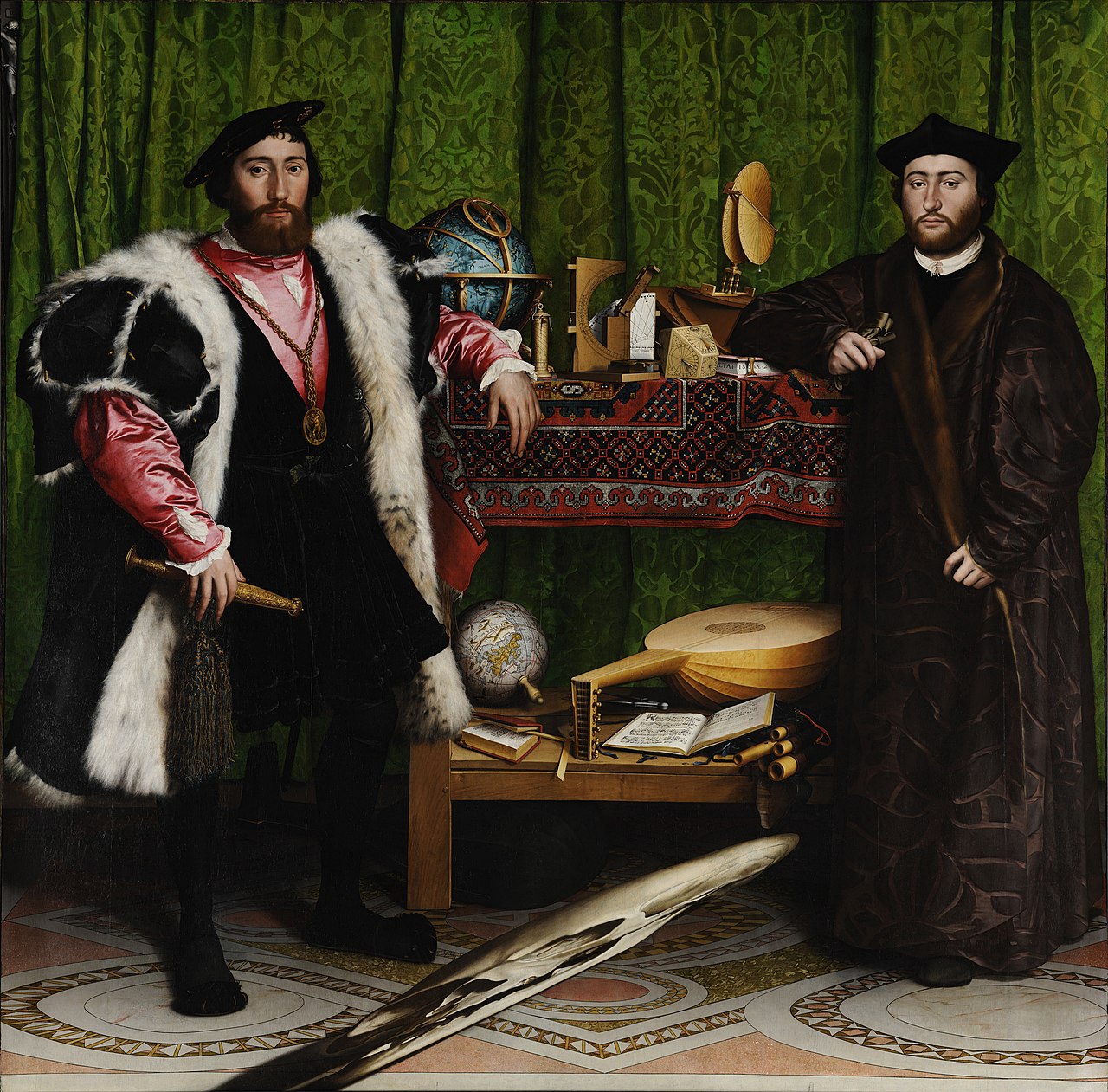
Iconography, as a branch of art history, studies the identification, description and interpretation of the content of images: the subjects depicted, the particular compositions and details used to do so, and other elements that are distinct from arti...
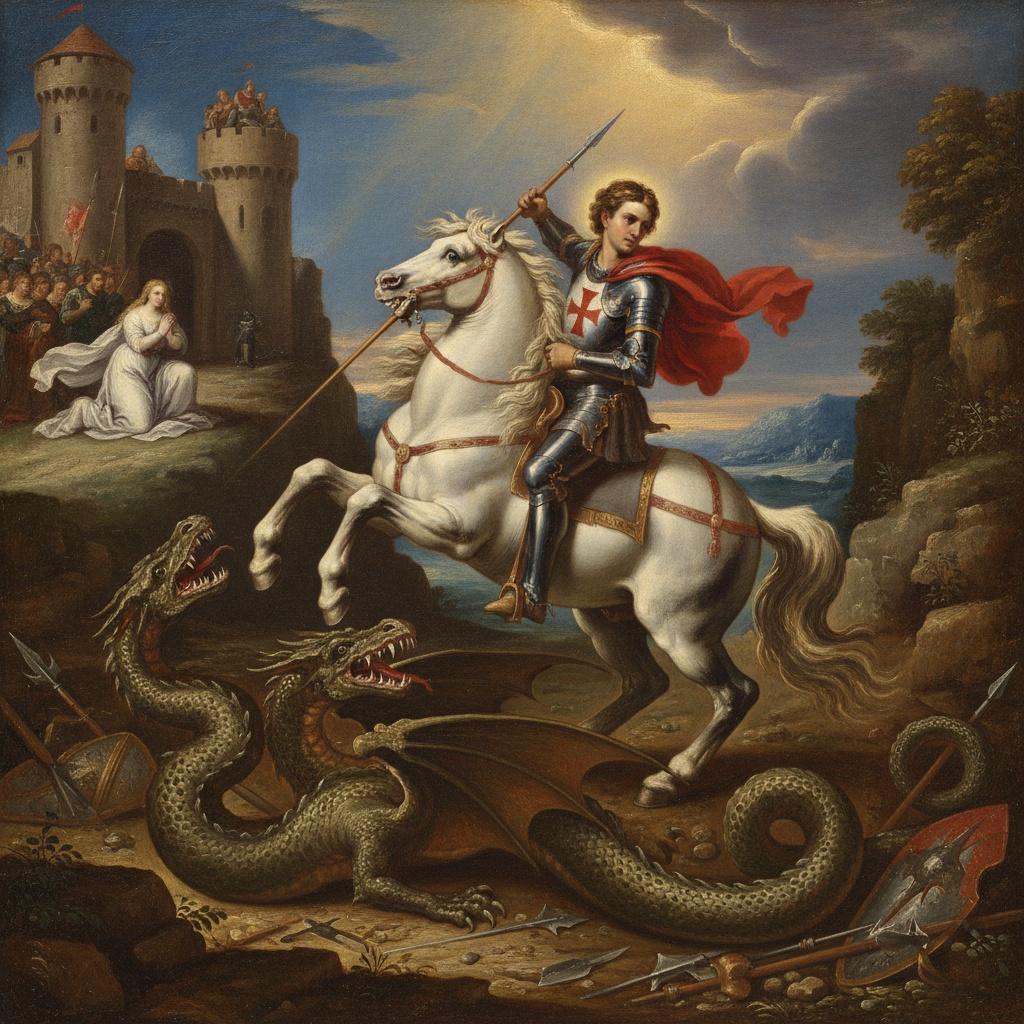
To gaze upon these artworks is to read a complex language of symbols, an iconography that speaks to the soul. In the tradition of Christian art, every element serves a higher purpose. The dragon is rarely just a monster; it represents darkness, temptation, and the chaos of pagan idolatry. Conversely, Saint George embodies divine righteousness and the strength of the spirit. Even the presence of the princess, often depicted in states of vulnerability or prayer, signifies the soul’s need for protection and redemption. In works like those by Bernat Martorell, we see this even more vividly, where the saint’s calm, stoic expression contrasts sharply with the dragon's frenzied red eyes. Even the landscape plays a role—the rugged terrain and the presence of bones or lizards on the ground serve as reminders of the mortality and the earthly stakes involved in this spiritual combat. These details allow the viewer to move beyond the surface of the paint and engage in a deeper, more contemplative study of virtue.
Timeless Triumphs: How the Legend Inspires Modern Interior Curation
In our contemporary homes, these ancient stories find new life, offering much more than mere decoration. For the modern enthusiast, integrating a piece inspired by the legend of Saint George is an opportunity to bring a sense of narrative depth and historical weight into a living space. Whether it is a large-scale multi-panel set that spans a wide hallway or a delicate reproduction that serves as a focal point in a study, these works evoke themes of courage and resilience that resonate across centuries. At ArtsDot.com, we believe that art should be a meaningful discovery. By choosing a hand-painted reproduction—with its visible brushstrokes and rich, tactile textures—you are not just hanging a picture; you are inviting a legacy of heroism into your home. Whether you prefer the light-drenched beauty of the Renaissance or the dramatic realism of the North, these timeless triumphs allow us to surround ourselves with the enduring strength of the human spirit.