

The Silent Sentinel: The Clock as a Symbol of Transience
In works of art, literature, and narrative, a symbol is a concrete element like an object, character, image, situation, or action that suggests or hints at abstract, deeper, or non-literal meanings or ideas. The use of symbols artistically is symboli...
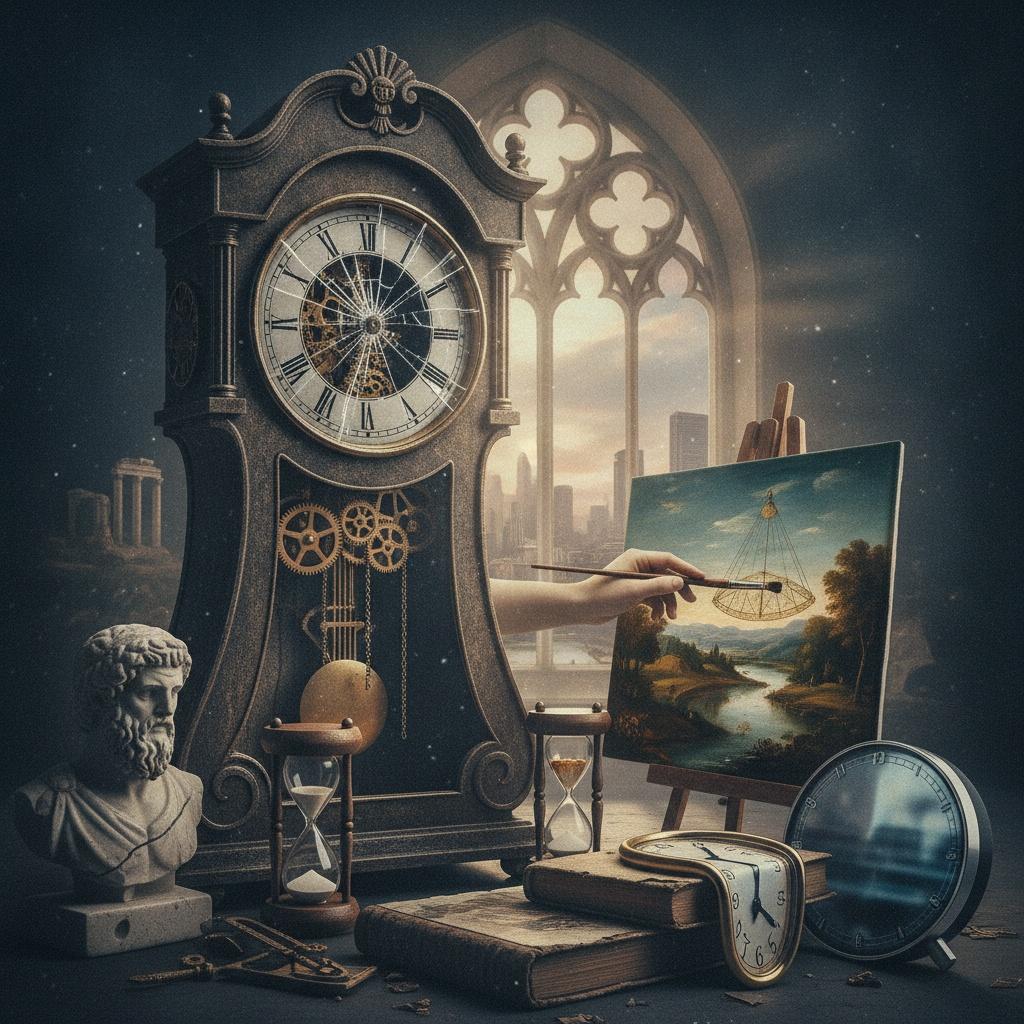
To gaze upon a timepiece within a masterpiece is to encounter more than a mere instrument of measurement; it is to meet a silent sentinel standing guard over the fleeting nature of our existence. In the grand tapestry of art history, the clock has rarely been depicted simply for its functional utility. Instead, it serves as a profound visual metaphor, a rhythmic heartbeat captured in pigment and oil that reminds us of the relentless, unidirectional march of seconds, minutes, and hours. When we encounter these motifs, whether in a quiet corner of a Dutch still life or a grander architectural setting, we are invited to pause. The ticking of an imagined clock within a frame creates a tension between the stillness of the painted moment and the inevitable movement of the real world, urging the viewer to contemplate the very essence of presence.
This symbolic weight transforms the object from a mechanical device into a philosophical interlocutor. In the hands of a master, the metallic sheen of a clock face or the delicate movement of a pendulum can evoke a sense of cosmic order or, conversely, a haunting awareness of decay. It is an art of presence and absence, where the depiction of time serves to highlight the preciousness of the "now." For the modern collector, bringing such imagery into a living space offers a way to ground a room with a sense of historical gravity, turning a wall into a window through which we view the eternal dance of the passing ages.
Vanitas and the Memento Mori: Meditating on Mortality through Time
 The Memento Mori Aesthetic: Decoding the Profound Symbolism of Vanitas Art
The Essence of Vanitas: A Meditation on Transience and the Baroque Soul To gaze upon a 17th-century Vanitas painting is to enter into a silent, profound dialogue with time itself. This specific genre of still life, which flourished during the Dutch G...
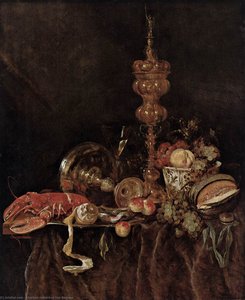
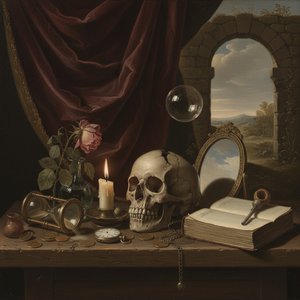
During the 17th-century Dutch Golden Age, the clock found its most poignant expression within the Vanitas genre. These exquisitely detailed still lifes were far more than displays of technical virtuosity; they were visual sermons designed to provoke deep spiritual reflection. Derived from the biblical Ecclesiastes—"Vanity of vanities; all is vanity"—the Vanitas movement utilized a sophisticated lexicon of symbols to remind the viewer of the transience of life and the futility of worldly ambitions. Here, the clock, often paired with skulls, hourglasses, or wilting flowers, acts as a memento mori: a solemn command to "remember that you must die."
The beauty of these works lies in their profound duality. An artist might render the luster of silver or the delicate texture of a rose with such hyper-realistic precision that the viewer is momentarily seduced by the material world's splendor. Yet, the presence of the clock subtly dismantles this illusion of permanence. It serves as a stark reminder that even the most opulent treasures are subject to the erosion of time. This contemplative dialogue between the tangible and the ephemeral creates a hauntingly beautiful experience, inviting us to look beyond earthly pleasures toward a more enduring, spiritual reality. To possess such a piece is to embrace a tradition of humility and mindfulness, finding beauty in the very recognition of our own finitude.
Masterpieces of Precision: Horology and the Art of Luxury Craftsmanship
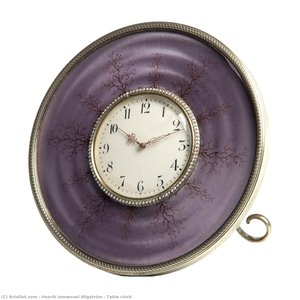 Table clock
A Symphony in Purple: Unveiling Wigström’s Table Clock The “Table Clock,” a captivating work by Henrik Immanuel Wigström, offers a glimpse into the heart of the Fabergé workshops and the refined tastes of the Russian Imperial Court. This exquisite ti...
Beyond the somber reflections of mortality, the clock has also stood as a pinnacle of human ingenuity and aesthetic luxury. In the opulent workshops of the 19th century, particularly within the legendary House of Fabergé, timekeeping became an exquisite art form in its own right. Consider the works of Henrik Immanuel Wigström, whose "Table Clock" exemplifies the breathtaking intersection of engineering and neoclassical elegance. These were not merely tools for telling time; they were miniature masterpieces of goldsmithing, often featuring intricate hand-engraving, precious metals, and jewel-like intensities of color that reflected the refined tastes of the Russian Imperial Court.
This era of horology celebrated the symphony of precision and ornament. The craftsmanship required to create such pieces—utilizing techniques like lost-wax casting and meticulous enamel work—mirrors the dedication found in the finest fine arts. Whether it is the delicate Rococo details of an American mantel clock by Elnathan Taber or the monumental mechanical wonders of makers like Manuel Francisco Cousinha, these objects represent a period where technology was inseparable from artistry. For those who appreciate the finer details of history, these timepieces serve as tangible links to a bygone era of unparalleled skill, reminding us that true luxury lies in the seamless marriage of function and exquisite design.
From Baroque Still Life to Modern Decor: Integrating Time-Themed Art into the Home
 Timeless Masterpieces: Premium Clock-Themed Artworks & Bespoke Reproductions for Luxury Hospitality Design
The Aesthetic Power of Time: Integrating Clock-Themed Art into Luxury Hospitality Table clock A Symphony in Purple: Unveiling Wigström’s Table Clock The “Table Clock,” a captivating work by Henrik Immanuel Wigström, offers a glimpse into the heart of...
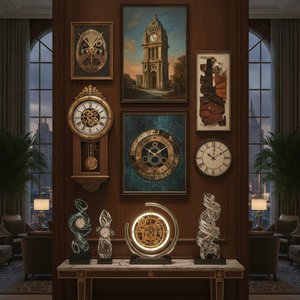
Integrating the motif of time into contemporary interior design offers a unique opportunity to infuse a modern space with a sense of heritage and narrative. In the high-stakes arena of luxury hospitality or sophisticated residential design, a wall is never merely a boundary; it is a canvas awaiting a story. Introducing clock-themed imagery—perhaps a large-scale reproduction of a Baroque still life or a striking multi-panel arrangement of a classical timepiece—can act as a profound psychological anchor. It provides a sense of stability and continuity, grounding a transient, modern environment with the weight of history.
For the discerning decorator, the key lies in selecting motifs that resonate with the desired atmosphere of the room. A soft, light-drenched Impressionist-style clock piece might lend a sense of airy tranquility to a sunlit lounge, while a darker, more dramatic memento mori reproduction can add depth and intellectual intrigue to a study or library. By utilizing modern techniques such as multi-panel layouts—where a single image is split across three or five canvases—you can create a sweeping architectural statement that directs the eye and encourages moments of quiet contemplation amidst the bustle of daily life.
Capturing Your Own Moments: Transforming Personal Milestones into Timeless Oil Paintings
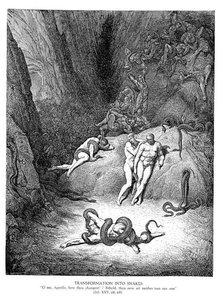 Transformation into Snakes
Doré's 'Transformation into Snakes' depicts a dramatic biblical scene of metamorphosis and punishment. Explore the intricate details & Romantic style of this iconic wood engraving.
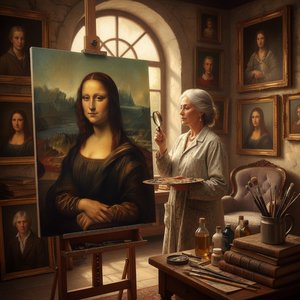
While art history provides us with magnificent symbols of time, there is no greater way to honor the passage of time than by immortalizing our own most cherished moments. At ArtsDot.com, we believe that art should be a personal legacy. Our most beloved service allows you to "remix" history by transforming your personal photographs into bespoke, hand-painted oil masterpieces. Imagine a wedding portrait reimagined with the dramatic light and shadow of a Rembrandt, or a family milestone captured in the vibrant, textured impasto style of Van Gogh.
This process is a beautiful way to bridge the gap between the ephemeral nature of a photograph and the enduring soul of a painting. Our professional artists work on 100% cotton canvas, applying layers of oil paint that create a tactile depth no digital print can replicate. Whether it is a portrait of a loved one or a tribute to a pet, each commission is a labor of passion, overseen by a dedicated Project Coordinator to ensure every brushstroke meets your vision. By turning your personal milestones into fine art, you are not just decorating a room; you are creating a timeless heirloom that celebrates the beauty of your own history, ensuring that your most precious moments remain as vibrant and enduring as the masters themselves.