
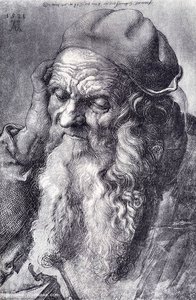
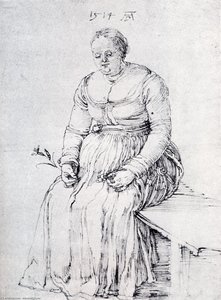
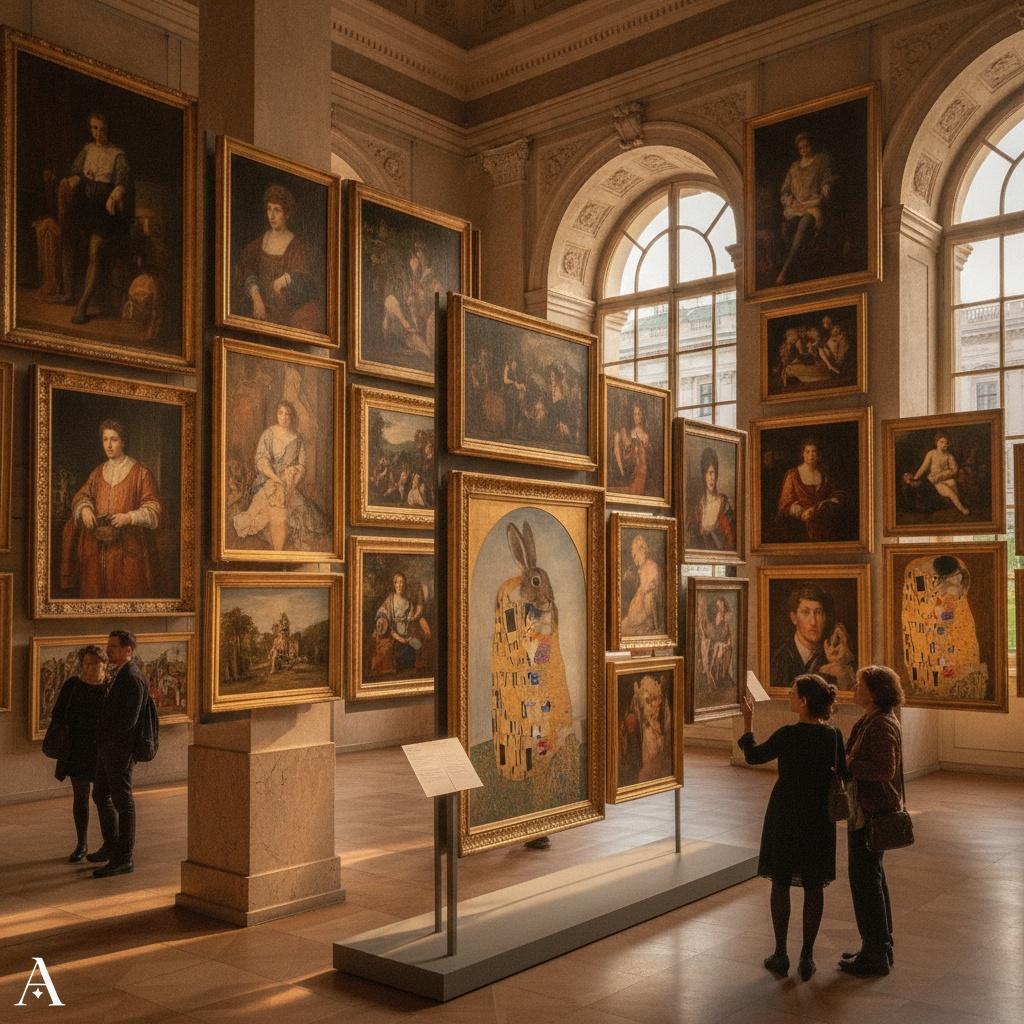
Introduction
Imagine walking through the heart of Vienna’s historic Innere Stadt, where the air feels thick with the whispers of emperors and the quiet elegance of a bygone era. Here, nestled within a palace that once served as a grand residence for the Habsburg dynasty, lies the Albertina —a sanctuary where history and artistry breathe in perfect unison. To step inside is to enter a layered chronicle of human emotion, moving from the stately Baroque grandeur of its foundations to the sleek, titanium-clad modernity of its iconic roof. It is a place where the weight of centuries meets the lightness of a single, delicate pencil stroke.
\The Albertina is far more than a museum; it is one of the world’s most profound repositories of the graphic arts, housing an astonishing universe of over one million old master prints and sixty-five thousand drawings. As you wander through its halls, you aren't just looking at paper and ink; you are witnessing the evolution of the human eye. From the meticulous, microscopic observations of Albrecht Dürer to the bold, experimental energy of contemporary masters, every piece tells a story of discovery, transformation, and an unwavering devotion to detail.
\In our modern, fast-paced world, these works remain deeply meaningful because they offer us a moment of stillness. They remind us that beauty often resides in the smallest details—a cluster of grass, the curve of a shadow, or the subtle tension in a portrait. These masterpieces connect us to the shared heritage of creativity, proving that while styles may shift from Neoclassical restraint to modern ambition, our fascination with capturing the essence of life remains unchanged.
\In the following guide, we invite you to embark on a curated journey through this magnificent collection. We have selected 25 extraordinary artworks that capture the very soul of the Albertina—pieces that define eras, challenge perspectives, and continue to inspire awe in every visitor who wanders through these hallowed halls.
Young Hare - Albrecht Dürer
 Young Hare - Albrecht Dürer
In the quiet stillness of the Albertina, Albrecht Dürer’s Young Hare exists as a moment of breath held forever in time. This 1502 masterpiece is far more than a simple nature study; it is a profound encounter with the soul of the Northern Renaissance. Dürer’s unparalleled precision transforms paper into a living landscape, where every delicate strand of fur and the soft, rhythmic texture of the animal's coat feel almost tactile to the touch. Through masterful washes of watercolor and meticulous pen strokes, he captures a sense of alert, fleeting beauty that transcends centuries.
The palette—a soothing harmony of earthy ochres, warm russets, and soft creams—breathes a serene, organic energy into any room. For the modern decorator, this artwork offers a sophisticated anchor for a contemporary space, bringing an air of intellectual depth and natural tranquility to a study or living area. As one of the top 25 artworks in Albertina, Vienna, this piece remains an eternal symbol of how observant artistry can turn a single, humble subject into a monumental triumph of light and life.
Head of a Man in Profile (Illustration for - Gustav Klimt
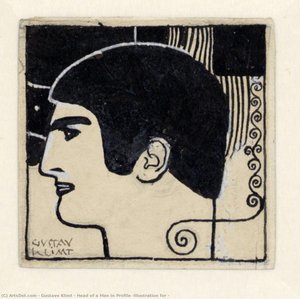 Head of a Man in Profile (Illustration for - Gustav Klimt
Owning a piece inspired by Head of a Man in Profile by Gustav Klimt is an investment in the very soul of Viennese modernism and a profound statement of refined taste for any discerning collector. While many recognize Klimt for his shimmering gold leaf, this 1898 masterpiece reveals his mastery of the graphic line and the quiet, introspective strength of the Vienna Secession movement. As a pivotal work likely created for the influential magazine Ver Sacrum , its presence in the Albertina’s top collections is cemented by its historical role in breaking away from academic realism toward a bold, stylized aesthetic.
The artwork breathes with an elegant simplicity; the sharp, angular contours and geometric planes create a mask-like, enigmatic beauty that feels remarkably contemporary. There is a rhythmic, almost musical quality to the thick outlines and the swirling Art Nouveau flourishes that dance along the profile. For those curating modern luxury interiors, a high-quality reproduction of this piece brings an air of quiet prestige and intellectual depth. It serves as a sophisticated focal point, offering the same aesthetic authority and timeless status as the original, perfectly complementing minimalist or avant-garde spaces with its striking, monochromatic grace.
Portrait of a Lady with Cape and Hat - Gustav Klimt
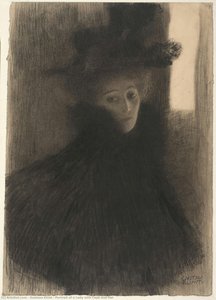 Portrait of a Lady with Cape and Hat - Gustav Klimt
In the heart of late nineteenth-century Vienna, Gustav Klimt captured a moment of profound stillness with his 1898 masterpiece, Portrait of a Lady with Cape and Hat . As one of the most significant works within the Albertina’s collection, this painting serves as a breathtaking gateway into the Viennese Secession movement. It is far more than a mere likeness; it is an evocative exploration of femininity, capturing the delicate boundary between public persona and private soul.
Klimt’s masterful command over texture—a skill inherited from his father, a gold engraver—is on full display here. The shimmering application of light and the interplay of geometric patterns against organic lines create a rhythmic visual dance. This piece earns its place among the top 25 artworks in Albertina, Vienna, through its sheer atmospheric depth and technical brilliance. For those looking to curate a meaningful home, this portrait offers a sophisticated balance of opulent weight and delicate grace, acting as a timeless conversation piece that brings a sense of historical luxury and spiritual light into any modern interior.
Lamentation (recto), c. 1530 - Michelangelo Buonarroti
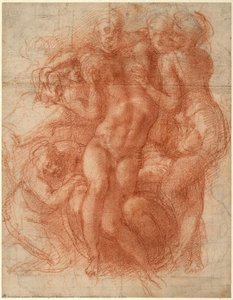 Lamentation (recto), c. 1530 - Michelangelo Buonarroti
Imagine standing in the quiet, hallowed halls of the Albertina, Vienna, where the air seems to thicken with the weight of centuries. Before you lies Michelangelo’s Lamentation (recto) , a raw, visceral fragment of the Renaissance that feels less like a drawing and more like a whispered prayer. Rendered in striking red chalk and charcoal, the piece captures a profound moment of human connection; the central figure's arms reach out in an embrace of shared sorrow, pulling mourners into a tight, pyramidal composition of grief.
Michelangelo’s mastery of anatomy is on full display here, using broken, energetic lines to sculpt muscles and slumped shoulders that convey palpable exhaustion. The stark contrast between the deep shadows and the warmth of the red pigment creates an atmosphere of intense intimacy. In a modern home, such a powerful work serves as a soulful anchor. Whether through a high-quality reproduction or a curated print, bringing this level of emotional depth into your living space can inspire moments of quiet reflection and add a layer of timeless, sophisticated storytelling to your interior design.
The Lonely Ones - Edvard Munch
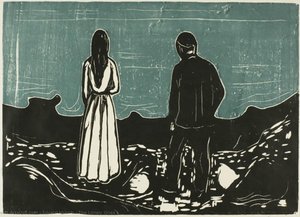 The Lonely Ones - Edvard Munch
To encounter The Lonely Ones by Edvard Munch is to step into a profound, whispered secret held within the halls of the Albertina, Vienna. This 1899 masterpiece does not merely sit on a wall; it breathes an atmosphere of quiet prestige and haunting introspection that captivates even the most seasoned collectors. As one of the top 25 artworks in Albertina, Vienna, this monochrome triumph stands as a pillar of Expressionist innovation, moving far beyond simple landscape to map the very topography of the human soul.
Munch utilizes a striking, restricted palette of deep blacks and somber greys to sculpt a scene of two figures adrift on a nocturnal shore. Their averted gazes and physical detachment create a powerful tension—a beautiful, melancholic study of solitude that resonates deeply with modern, minimalist aesthetics. For the sophisticated decorator, this piece offers more than just visual impact; it brings a sense of timeless legacy and emotional intelligence to a room. The swirling, textured brushstrokes and the symbolic flight of scattered birds invite a slow, meditative gaze, making it an unforgettable centerpiece for any curated collection seeking depth and soulful elegance.
Young Woman in a Shirt, 1918 - Amedeo Clemente Modigliani
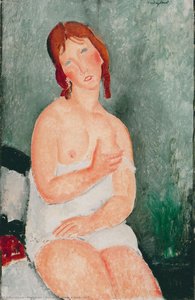 Young Woman in a Shirt, 1918 - Amedeo Clemente Modigliani
Stepping into the presence of Young Woman in a Shirt, 1918 by Amedeo Clemente Modigliani is to encounter a profound meditation on the human soul. As one of the most evocative pieces within the Albertina’s collection, this portrait transcends mere representation, offering a hauntingly beautiful glimpse into the era of Expressionism. The subject sits in quiet repose, her arms crossed in a gesture that balances vulnerability with a protective, contemplative strength.
Modigliani’s signature stylistic alchemy is on full display through his use of elongated, swan-like necks and fluid, organic lines that merge the primal influence of African sculpture with the grace of the Italian Renaissance. The palette is a sophisticated arrangement of muted greens, soft pinks, and warm creams, all bathed in a diffused, ethereal glow that lends the skin a velvety texture. This masterpiece earns its place among the top 25 artworks in Albertina, Vienna, because it captures a timeless, melancholic grace. For any modern home, such a work brings an unparalleled sense of sophisticated depth, proving that the emotional resonance of a single, soulful gaze can transform a space into a sanctuary of introspection.
View of Arkona with Rising Moon, c. 1805-1806 - Caspar David Friedrich
 View of Arkona with Rising Moon, c. 1805-1806 - Caspar David Friedrich
In View of Arkona with Rising Moon by Caspar David Friedrich, a deep, bruised twilight blue dominates the canvas, setting a mood of profound melancholic contemplation and spiritual stillness. This masterpiece, a cornerstone of the top 25 artworks in Albertina, Vienna, earns its place through Friedrich’s mastery of Atmosphäre —a technique where layers of oil paint create a hazy, ethereal luminescence that blurs the line between the physical world and the divine. The palette of muted greys, earthy browns, and the pale, silver glow of the crescent moon evokes the Romantic sublime, capturing the awe of nature's vastness.
For those looking to curate a meaningful home, this painting offers incredible inspiration for creating a sanctuary of calm. Integrating the cool, nocturnal tones of this work into a modern bedroom or a quiet reading nook can establish an atmosphere of peaceful introspection. The interplay of light and shadow provides a sophisticated blueprint for using low-key lighting and moody textures to design a space that feels both grounded and infinitely dreamy.
Self-Portrait with Eyelid Pulled Down, 1910 - Egon Schiele
 Self-Portrait with Eyelid Pulled Down, 1910 - Egon Schiele
To encounter Egon Schiele’s Self-Portrait with Eyelid Pulled Down (1910) within the halls of the Albertina is to witness a raw, psychological excavation of the human soul. This masterpiece stands as a cornerstone of our top 25 artworks in Vienna because it transcends mere portraiture; it is an unsettling, visceral encounter with vulnerability. Schiele uses the fluid, often frantic energy of watercolor to map his own internal landscape of grief and mortality, using muted ochres and somber grays to reflect a world shaped by personal loss.
The way his hand shields his face, paired with that deliberate, lowered eyelid, invites us to contemplate the boundaries between self-protection and profound exposure. It asks us: how much of our true selves do we dare to reveal? For the modern collector, this piece offers a powerful emotional anchor. Its expressive, jagged lines and intense introspection provide a sophisticated, edgy dialogue for contemporary spaces, proving that Schiele’s exploration of the human psyche remains as hauntingly relevant and beautiful today as it was over a century ago.
Desidia (Sloth), 1557 - Pieter Bruegel the Elder
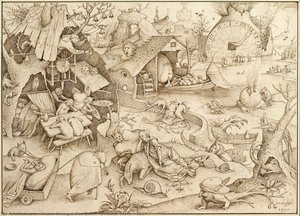 Desidia (Sloth), 1557 - Pieter Bruegel the Elder
In the vast, swirling landscape of Pieter Bruegel the Elder’s 1557 masterpiece, Desidia (Sloth), you aren't just viewing a painting; you are stepping into a profound psychological state. As one of the most captivating highlights within the Albertina, Vienna, this work functions like a visual sonata where every element is composed to evoke a sense of heavy, beautiful inertia. Bruegel doesn't merely depict a scene; he invents a mood , using a sprawling Northern Renaissance landscape to house a labyrinth of figures—men, women, and animals—all caught in various states of aimless existence.
The light in this work acts as a storyteller, illuminating the textures of distant boats and the weary expressions of souls lost in thought. It is a masterful critique of human stagnation, where movement exists without purpose. For the modern collector, bringing a piece with such immense narrative depth into a home transforms a simple wall into a portal of discovery. To gaze upon Desidia is to experience the weight of the human condition, finding beauty in the subtle, rhythmic stillness of Bruegel’s legendary brushwork.
The Prophet Jonah before the Walls of Nineveh, c. 1655 - Rembrandt van Rijn
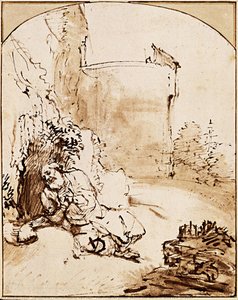 The Prophet Jonah before the Walls of Nineveh, c. 1655 - Rembrandt van Rijn
Imagine standing in a quiet corner of the Albertina, where the bustling streets of Vienna fade into a heavy, sacred silence. Before you, Rembrandt van Rijn captures a soul suspended between despair and divine reckoning. In The Prophet Jonah before the Walls of Nineveh , we don't just see a biblical scene; we feel the weight of human vulnerability. The way the light sculpts Jonah’s bowed figure against the imposing, shadowy architecture creates a breathtaking moment of profound contemplation.
This masterpiece earns its place among the top 25 artworks in Albertina, Vienna through Rembrandt's unparalleled mastery of chiaroscuro . The interplay of deep shadows and soft, golden illumination invites us to reflect on our own moments of solitude and monumental life decisions. Bringing the drama of this Dutch Golden Age treasure into your own home—perhaps as a textured oil reproduction—allows you to anchor a room with a sense of history and soulful serenity. It is more than decor; it is an invitation to pause, breathe, and find meaning in the shadows.
Two Nude Studies of a Man Storming Forward and Another Turning to the Right (verso), c. 1504 - Michelangelo Buonarroti
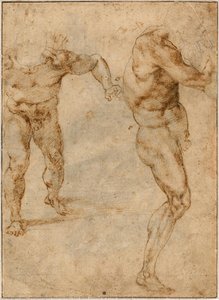 Two Nude Studies of a Man Storming Forward and Another Turning to the Right (verso), c. 1504 - Michelangelo Buonarroti
In the quiet intimacy of a chalk sketch, one can find the rawest expression of a master's soul. Michelangelo Buonarroti’s “Two Nude Studies of a Man Storming Forward and Another Turning to the Right (verso)” , created around 1504, serves as a profound window into the creative furnace of the High Renaissance. This work is not merely a drawing; it is a rhythmic exploration of human vitality. Through the delicate yet decisive application of chalk, Michelangelo captures a sense of kinetic energy that seems to vibrate off the page, making it an essential highlight among the top 25 artworks in 'Albertina, Vienna'.
The interplay of light and shadow creates a sculptural depth that makes the figures appear to emerge from the paper. For those looking to infuse their own spaces with a sense of classical grandeur, the anatomical precision and muscular tension found in these studies offer incredible inspiration. Much like modern minimalist design that celebrates form and structure, these sketches prove that even the simplest lines can convey immense emotional weight and physical power.
Standing Pair of Lovers, Seen from the Side - Gustav Klimt
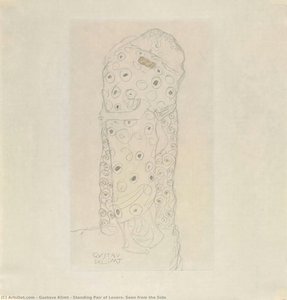 Standing Pair of Lovers, Seen from the Side - Gustav Klimt
What if I told you that Standing Pair of Lovers, Seen from the Side by Gustav Klimt was born from a moment of quiet rebellion—a stroke of delicate defiance against the ordinary? While many recognize Klimt for the opulent gold leaf of his 'Golden Phase,' this 1908 masterpiece reveals a more intimate, soulful side of the Vienna Secession master. Executed with graphite, red pencil, and whispers of gold paint, the work captures a tender embrace enveloped in a rhythmic dance of floating circular motifs that pulse with life.
Its inclusion in our top 25 artworks at the Albertina is essential; it redefines beauty not through heavy ornamentation, but through the raw, emotional resonance of line and connection. This drawing proves that true impact often lies in restraint. At ArtsDot, we believe such profound intimacy belongs in your personal sanctuary. Imagine this delicate composition bringing a sense of harmony and poetic movement to your living space—transforming a simple wall into a window of timeless affection. It is more than decor; it is a daily reminder that even the softest whispers can leave a lasting mark on your home.
Head of an Old Man; Seated Female Nude, Seen from Behind; Detail of a Female Torso (Studies for the first version of - Gustav Klimt
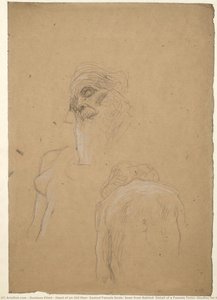 Head of an Old Man; Seated Female Nude, Seen from Behind; Detail of a Female Torso (Studies for the first version of - Gustav Klimt
Before your eyes even settle on the delicate lines of Gustav Klimt’s 1901 studies, you feel a profound sense of quiet introspection, as if stumbling upon a private moment of thought captured in the shadows of Vienna. This collection of sketches—comprising the Head of an Old Man , a Seated Female Nude , and a detailed torso—serves as a raw, intimate window into the mind of the Symbolist master. These are not mere preparatory drawings; they are the rhythmic pulse behind his larger, more famous works.
Klimt uses masterful shading and precise contours to explore the poignant tension between the weathered wisdom of age and the soft vulnerability of youth. As one of the top 25 artworks in Albertina, Vienna, this piece earns its place by revealing the skeletal beauty of the creative process itself. It reminds us that even in our modern, fast-paced lives, there is immense power in pausing to observe the subtle textures of existence. Bringing such evocative, soulful energy into your own home can transform a room into a sanctuary of reflection and timeless grace.
St. Anna (Portrait of Agnes Dürer) - Albrecht Dürer
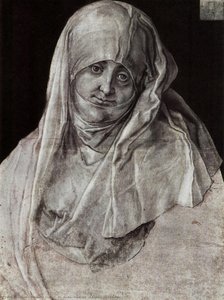 St. Anna (Portrait of Agnes Dürer) - Albrecht Dürer
There is a gaze in St. Anna (Portrait of Agnes Dürer) by Albrecht Dürer that follows you—not with judgment, but with understanding . This isn’t merely a portrait; it is a mirror . As one of the most profound highlights among the top 25 artworks in Albertina, Vienna, this monochrome masterpiece captures the very soul of the Northern Renaissance through a lens of quiet introspection.
Dürer utilizes a masterful grayscale palette, where velvety blacks and luminous whites sculpt the delicate features of his daughter-in-law. Through meticulous hatching and cross-hatching, the texture of her veil becomes palpable, suggesting both the weight of fabric and the lightness of spirit. The soft, diffused lighting creates an atmosphere of reverence, turning a simple bust portrait into a study of piety and modesty. Now, imagine that gaze in your own space. Not watching you, but reminding you : you are seen. You are part of the story. Bringing this sense of historical grace into a modern home allows you to connect with the timeless beauty found within the Albertina’s storied halls.
Preliminary Drawing for - Gustav Klimt
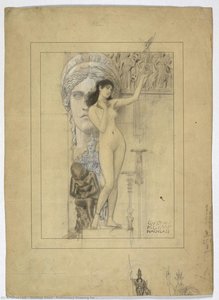 Preliminary Drawing for - Gustav Klimt
Step into the quiet, contemplative atmosphere of 1889 Vienna with Gustav Klimt’s Preliminary Drawing for The Kiss . Before the world was enveloped in the dazzling gold leaf of his most famous masterpiece, there was this: a delicate, intimate moment captured in graphite and thought. As you gaze upon the poised figure standing by her mirror, you feel the soft tension of a creator finding his voice. The drawing is a whisper of what was to come, featuring subtle motifs like the symbolic bird that would later soar within his Golden Phase.
The linework possesses a rhythmic, fluid grace characteristic of the Jugendstil movement, blending psychological depth with decorative elegance. There is a profound sense of introspection here—a study of identity and reflection that feels remarkably modern. Bringing the essence of this Klimt sketch into your own home offers more than just decor; it introduces a sense of poetic stillness and intellectual curiosity. Whether placed in a sunlit reading nook or a creative studio, this piece serves as a beautiful reminder of the magic found in the early stages of inspiration and the beauty of looking inward.
Three Standing Men in Wide Cloaks Turned to the Left (recto), c. 1492-1496 - Michelangelo Buonarroti
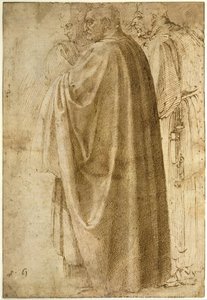 Three Standing Men in Wide Cloaks Turned to the Left (recto), c. 1492-1496 - Michelangelo Buonarroti
In the quiet, hallowed halls of the Albertina, Vienna, there is a moment where time seems to hold its breath: the encounter with Three Standing Men in Wide Cloaks Turned to the Left by the legendary Michelangelo Buonarroti . This isn't merely a preparatory sketch; it is a masterclass in the sculptural soul of painting. Even on paper, you can feel the weight of the heavy, cascading drapery and the powerful, anatomical precision that defined the High Renaissance.
There is a gaze in this work that follows you—not with judgment, but with understanding . As you trace the subtle shadows and the dignified postures of these figures, you realize this isn’t just a portrait; it is a mirror . It reflects our own capacity for deep contemplation and strength. Now, imagine that quiet prestige in your own home. Not watching you, but reminding you : you are seen. You are part of the grand, unfolding story of human greatness.
Standing Female Nude (Study for - Gustav Klimt
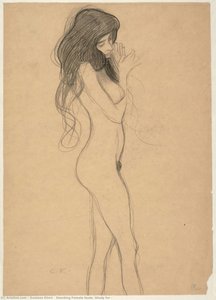 Standing Female Nude (Study for - Gustav Klimt
In the quiet corners of the Albertina, Vienna, one finds a profound moment of artistic genesis in Standing Female Nude (Study for) by Gustav Klimt. Created in 1901, this charcoal study is far more than a preliminary sketch; it is an intimate glimpse into the soul of the Art Nouveau master before his legendary Golden Phase took flight. There is a gaze in this work that follows you—not with judgment, but with understanding . As the figure rests her hands against her face, the delicate interplay of light and shadow on her form creates a sense of vulnerability that feels incredibly modern.
This isn't just a portrait; it is a mirror reflecting the emotional depth of Vienna’s artistic renaissance. The precise, flowing lines capture a raw, organic beauty that transcends mere academic technique. Now, imagine that quiet, contemplative energy in your own home. Not watching you, but reminding you : you are seen. You are part of this timeless story of grace and human complexity.
The Combat of Diomedes,1776 - Jacques-Louis David
 The Combat of Diomedes,1776 - Jacques-Louis David
In The Combat of Diomedes (1776), Jacques-Louis David captures a moment of raw, cinematic tension that feels strikingly modern. As one of the most powerful entries in our list of the top 25 artworks in the Albertina, Vienna, this piece serves as a breathtaking bridge between the ornate Rococo era and the disciplined, heroic Neoclassicism that would soon define an age. The canvas is alive with movement; you can almost feel the weight of the swords and the heat of the struggle as light pierces through the shadows in a masterclass of chiaroscuro .
Beyond the mythological clash, David invites us to contemplate the eternal cycle of conflict and the heavy cost of duty. The dramatic interplay of light and anatomical precision makes this painting a profound study of human resilience. For those looking to infuse their own space with a sense of history and strength, the energy of this masterpiece offers endless inspiration. It is more than just a battle scene; it is a timeless conversation about courage that can anchor any curated collection with its monumental presence.
Half-Length Figure of an Apostle, 1493-1495 - Leonardo da Vinci
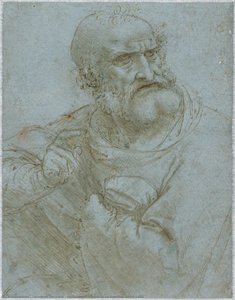 Half-Length Figure of an Apostle, 1493-1495 - Leonardo da Vinci
In the Half-Length Figure of an Apostle , Leonardo da Vinci achieves a breathtaking structural harmony that anchors this piece within the top 25 artworks in Albertina, Vienna. The composition is built upon a masterful geometric balance; the verticality of the figure provides a steadying force, while the soft, triangular arrangement of the shoulders creates a sense of grounded stability. This precise use of shape and proportion evokes a feeling of timeless perfection, drawing the viewer into a moment of quiet, sacred stillness.
As you gaze upon the luminous sfumato —that signature smoky blurring of edges—you can see how Da Vinci’s ethereal light dissolves harsh boundaries, leaving only a soulful presence. There is a striking parallel here to modern minimalist design; the way the figure emerges from a dark, atmospheric void mirrors the clean, intentional aesthetics used in contemporary interiors to create focal points of calm. This painting does more than depict a saint; it offers a masterclass in using balance and light to ground a space with prestige and profound emotional depth.
Pietà, c.1530-1536 - Michelangelo Buonarroti
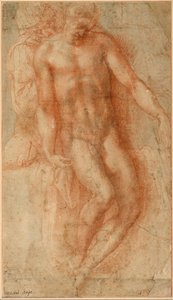 Pietà, c.1530-1536 - Michelangelo Buonarroti
While many associate Michelangelo solely with the colossal David , his work on the Pietà (c.1530-1536) reveals a much more intimate, tender side of the Renaissance master. Legend suggests that during this period of intense creation, Michelangelo would often sleep in his boots, driven by an almost divine obsession to coax life from cold Carrara marble. In this breathtaking piece, he achieves the impossible: transforming heavy stone into the soft, yielding flesh of Christ and the cascading, fluid drapery of the Virgin Mary.
The technical genius lies in the interplay of light and shadow across the polished surfaces, creating a profound sense of anatomical realism paired with an ethereal, idealized beauty. This masterpiece captures a moment of devastating intimacy—a meditation on grief intertwined with a serene, spiritual peace. As you curate your own space, consider how the monumental focus and emotional depth found in these top 25 artworks in 'Albertina, Vienna' can inspire a similar sense of purpose. Hanging a high-quality reproduction of such a profound work can infuse a modern home office or study with an atmosphere of sophisticated reflection and timeless strength.
Two Studies of a Child Being Held (Studies for - Gustav Klimt
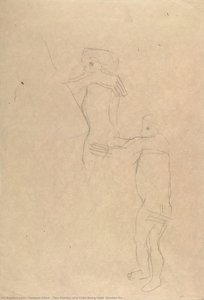 Two Studies of a Child Being Held (Studies for - Gustav Klimt
What story does the intimate, whispered connection in Two Studies of a Child Being Held by Gustav Klimt tell us about the fleeting nature of tenderness? Created in 1904, these delicate black chalk studies serve as a profound window into the artist's soul during his Symbolist period, acting as a precursor to the legendary opulence of his Golden Phase. Within the prestigious halls of the Albertina, Vienna, this piece stands out not for grand scale, but for its raw, emotional vulnerability. Klimt uses precise lines and subtle shading to capture the weight of a child in a mother's arms, weaving a narrative of protection and the cyclical nature of life.
For those seeking to curate a sanctuary at home, this artwork offers a beautiful escape into a world of quiet contemplation. Its restrained palette and soft, tonal variations provide a sophisticated focal point that brings a sense of historical depth and soulful calm to any modern interior. Much like the most cherished pieces in the top 25 artworks in Albertina, Vienna, these studies invite you to slow down and find beauty in life's most delicate, unadorned moments.
Floating Female Figure with One Arm Hanging and One Outstretched (Study for the oil sketch of - Gustav Klimt
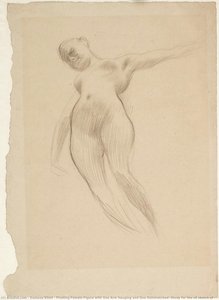 Floating Female Figure with One Arm Hanging and One Outstretched (Study for the oil sketch of - Gustav Klimt
In the quiet corners of the Albertina, Gustav Klimt’s Floating Female Figure with One Arm Hanging and One Outstretched serves as a breathtaking window into the soul of Viennese Symbolism. This delicate study, created around 1898, captures a profound sense of ethereal tension; the figure seems to drift between worlds, her outstretched arm reaching for aspiration while her hanging arm suggests a soft surrender to fate. As one of the top 25 artworks in Albertina, Vienna, it is far more than a mere sketch—it is a glimpse into Klimt’s creative struggle with his monumental Faculty Paintings.
The mastery of soft chalk on paper creates a luminous interplay of light and shadow, where bold contours meet delicate, misty washes. For the modern decorator, this piece offers incredible inspiration; its minimalist palette and fluid, organic lines resonate perfectly with contemporary Zen-inspired interiors or sophisticated, monochromatic design schemes. It brings a sense of calm, dreamlike movement to any space, reminding us that even in simplicity, there is an infinite depth of emotion and grace.
Profile of Clothed Pregnant Woman with Her Face Turned to the Viewer (Study for - Gustav Klimt
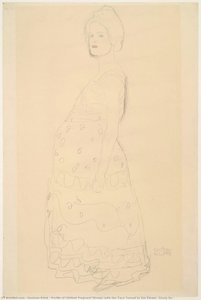 Profile of Clothed Pregnant Woman with Her Face Turned to the Viewer (Study for - Gustav Klimt
In Gustav Klimt’s Profile of Clothed Pregnant Woman with Her Face Turned to the Viewer , the mastery of light is not found in bright illumination, but in the profound, velvety shadows that define its emotional weight. As a standout among the top 25 artworks in Albertina, Vienna, this study utilizes a delicate chiaroscuro to pull the subject from the darkness, highlighting the soft contours of the figure and the intricate textures of her garments. The way light catches the subtle graphite strokes creates a sense of breathing life within a somber, symbolic space, making the viewer feel as though they have stumbled upon a private, sacred moment.
This interplay of shadow and soft radiance offers incredible versatility for modern interiors. When featured as a high-quality reproduction, the dramatic tonal range adds an instant layer of sophisticated depth and quiet luxury to a room. Whether you are looking to anchor a minimalist space or add a soulful focal point to a gallery wall, the moody elegance of Klimt’s light brings a timeless, museum-grade atmosphere directly into your home.
Two Silver Birches, the Front One Fallen, c. 1629 - Nicolas Poussin
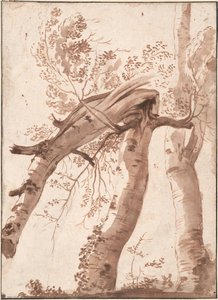 Two Silver Birches, the Front One Fallen, c. 1629 - Nicolas Poussin
To encounter Two Silver Birches, the Front One Fallen by Nicolas Poussin is to witness a masterclass in quiet, profound storytelling. As one of the standout treasures within the Albertina, Vienna, this 1629 work transcends simple landscape painting; it is an intimate meditation on the cycles of life and the inevitable passage of time.
Poussin utilizes a striking, minimalist palette, where the luminous, silvery bark of the upright birch contrasts with the heavy, grounded presence of its fallen counterpart. The absence of foliage strips the scene to its skeletal essence, inviting a contemplative mood that feels remarkably modern. For the discerning collector, this piece offers more than just historical significance; its serene composition and delicate play of light bring a sense of intellectual depth and tranquil luxury to any refined space. It is a work of emotional intelligence, where the subtle silhouette of a human figure serves as a poignant reminder of our connection to the natural world. This painting remains a cornerstone of the Albertina’s collection, embodying a timeless beauty that continues to inspire contemporary aesthetics.
Mother and Child - Gustav Klimt
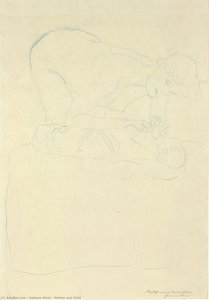 Mother and Child - Gustav Klimt
In the quiet corners of the Albertina, Vienna, few works capture the heartbeat of human intimacy quite like Mother and Child by Gustav Klimt. As you gaze upon this 1908 masterpiece, you aren't just looking at a drawing; you are witnessing a tender, breathless moment of repose. The way the mother cradles her child, nestled closely against her chest, radiates a profound sense of safety and unconditional love that transcends time.
Created during Klimt’s legendary Golden Phase, the work utilizes shimmering textures and an almost divine luminosity to elevate a simple maternal bond into something sublime. There is a psychological depth here that mirrors our own deepest instincts for protection and connection, making it a cornerstone of the Albertina's top 25 artworks. Bringing this level of emotional resonance into your own home can be truly transformative; imagine this piece as a focal point in a bedroom or nursery, turning a personal sanctuary into a space of profound calm, reflection, and warmth.
Conclusion
As the golden light of a Viennese dusk settles over the titanium curves of the Albertina, we are reminded that walking through these halls is far more than a historical survey; it is an intimate encounter with the human spirit. The masterpieces we have explored—from the meticulous, observant lines of Dürer to the sweeping, emotive gestures of the later masters—are not merely relics preserved behind glass. They are living presences, breathing echoes of passion, doubt, and triumph that refuse to be silenced by the passage of time.
Every delicate stroke of a silverpoint drawing and every bold layer of oil paint serves as a bridge across centuries, connecting the hands of long-departed creators to our own modern sensibilities. These works possess a unique magic: they have the power to transform a quiet corner of a home into a sanctuary of reflection, bringing the grandeur of the Habsburg legacy into the intimate rhythm of our daily lives. They remind us that while technology and architecture may evolve, our fundamental response to beauty remains unchanged.
Whether you are drawn to the structured elegance of a classical portrait or the vibrant energy of a modern print, we invite you to continue this journey of discovery. You can find inspiration from these very halls within our full collection , where the timeless conversation between artist and admirer continues, one brushstroke at a time.