Early Life & Training: From Coachbuilder's Apprentice to Ramsay’s Studio
 Wikipedia: Alexander Nasmyth
Alexander Nasmyth (9 September 1758 – 10 April 1840) was a Scottish portrait and landscape painter, a pupil of Allan Ramsay. He also undertook several architectural commissions. == Biography == Nasmyth was born in Edinburgh on 9 September 1758. He...
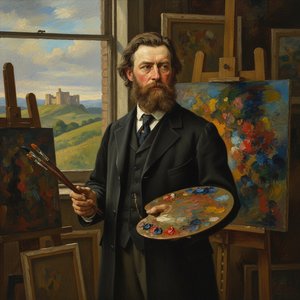
Alexander Nasmyth’s journey to becoming a defining voice of Scottish landscape painting was far from predetermined. Born in Edinburgh in 1758, his initial path led not towards the easel but the workshop – an apprenticeship with a coachbuilder. This grounding in practical craftsmanship, however, would prove unexpectedly formative. At sixteen, a pivotal opportunity arose: he accompanied portrait painter Allan Ramsay to London. While initially tasked with subordinate roles within Ramsay’s bustling studio, Nasmyth absorbed invaluable lessons in technique and composition. The experience was crucial; it instilled a rigorous understanding of drawing as the foundation of all artistic endeavor – a principle he would champion throughout his career. Though immersed in the world of portraiture, a nascent fascination with landscape began to stir, hinting at a future direction that would ultimately reshape his artistic identity.
The Rise of Scottish Landscape: Nasmyth’s Claudian Influences & Artistic Innovation
Landscape painting in Scotland includes all forms of painting of landscapes in Scotland since its origins in the sixteenth century to the present day. The earliest examples of Scottish landscape painting are in the tradition of Scottish house decorat...
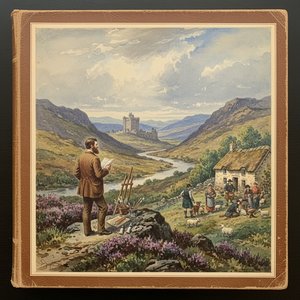
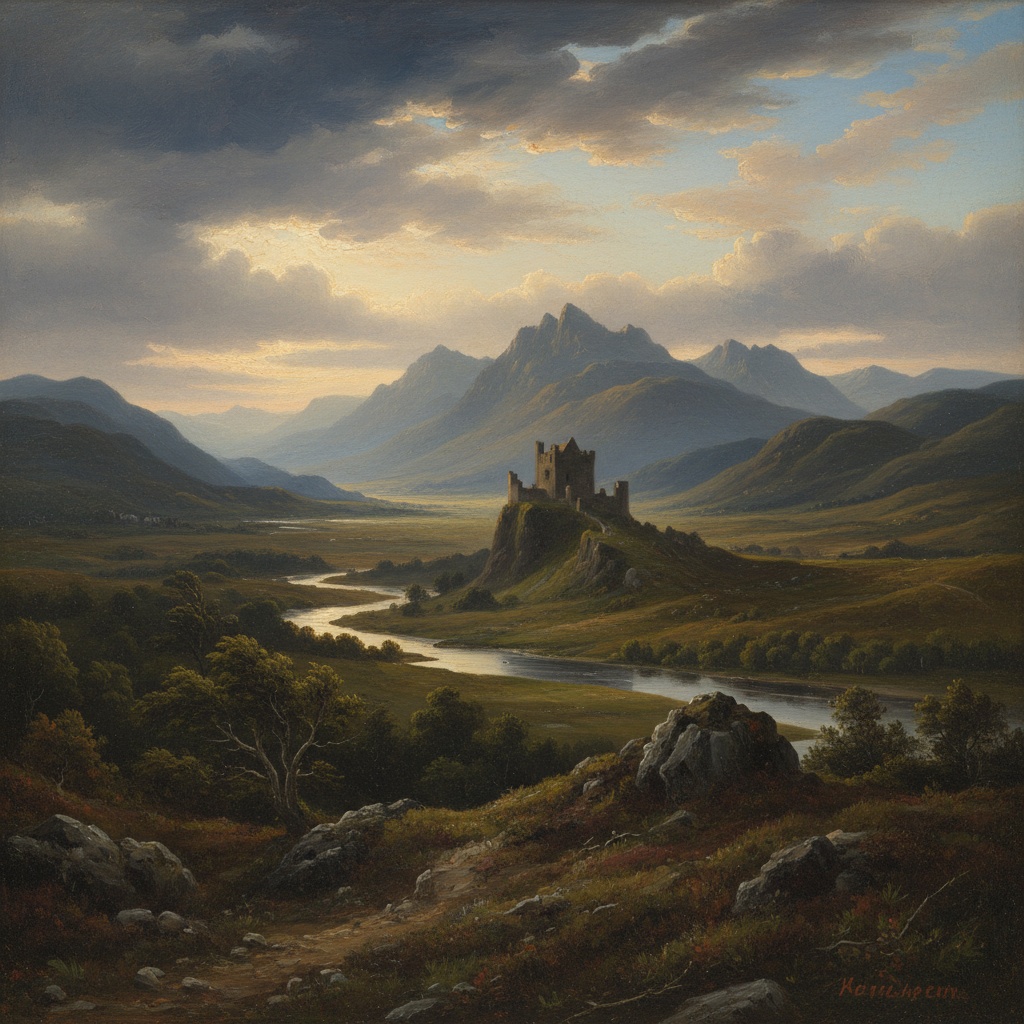
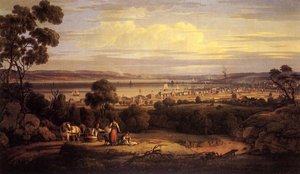
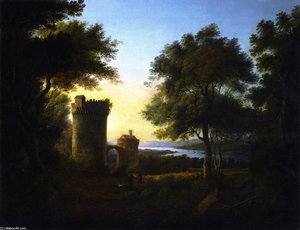
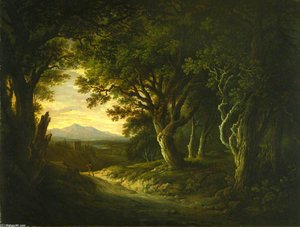
Upon returning to Edinburgh in 1778, Nasmyth established himself as a competent portraitist. Yet, the burgeoning Romantic movement and a growing appreciation for the natural world began to exert a powerful pull. A sojourn to Italy in 1782 proved transformative. There, amidst the classical ruins and sun-drenched vistas, he encountered the works of Claude Lorrain – an encounter that would irrevocably shape his artistic vision. Nasmyth wasn’t merely copying; he was internalizing a philosophy of landscape painting rooted in idealized beauty and atmospheric perspective. He returned to Scotland imbued with this Claudian sensibility, but crucially, he didn't simply transplant Italianate ideals onto Scottish soil. Instead, he began to synthesize them with the rugged grandeur of his homeland, forging a distinctly *Scottish* landscape tradition. His paintings weren’t just depictions of places; they were carefully constructed compositions designed to evoke emotion and convey a sense of national pride.
Portraiture and Friendship: Capturing the Spirit of Robert Burns
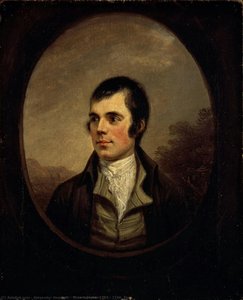
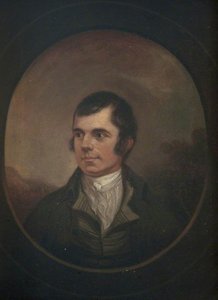 Robert Burns (after Alexander Nasmyth)
Admire James Tannock's evocative portrait of Robert Burns, inspired by Alexander Nasmyth’s iconic work. A Romantic masterpiece capturing the poet's dignity and spirit.
While landscape increasingly occupied his focus, Nasmyth continued to paint portraits, and it is through one particular commission that he secured an enduring place in Scottish cultural history – his portrait of Robert Burns. The friendship between artist and poet was genuine, and this intimacy shines through in the painting. Unlike many formal portraits of the era, Nasmyth’s depiction captures not just Burns' likeness but also his spirit: a sense of dignity, intelligence, and underlying melancholy. This wasn’t merely a commission; it was an act of artistic reverence for a fellow visionary. The portrait, now housed in the Scottish National Gallery, transcends its function as a representation of a man; it embodies the very essence of Scotland's national bard. It is a testament to Nasmyth’s ability to capture character and emotion with remarkable sensitivity.
Beyond the Brush: Nasmyth as Engineer, Architect & Educator
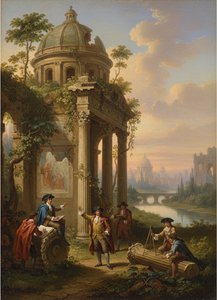
To view Nasmyth solely as a painter would be to overlook the breadth of his talents. He possessed a remarkably inventive mind that extended far beyond the confines of the studio. A keen interest in engineering led him to propose numerous practical innovations – ideas for bridges and canals that foreshadowed later developments, though he rarely patented them. This fascination with functionality also manifested in architectural commissions; he designed structures like the circular temple covering St Bernard’s Well, blending aesthetic considerations with pragmatic design. Perhaps most importantly, Nasmyth was a dedicated educator. He established a drawing school where he instilled in his pupils – including David Wilkie and John Thomson of Duddingston – the importance of empirical observation and meticulous technique. His influence on subsequent generations of Scottish artists cannot be overstated.
Romantic Scotland & National Identity: Shaping a Vision of Place
Romanticism (also known as the Romantic movement or Romantic era) was an artistic and intellectual movement that originated in Europe towards the end of the 18th century. The purpose of the movement was to advocate for the importance of subjectivity...
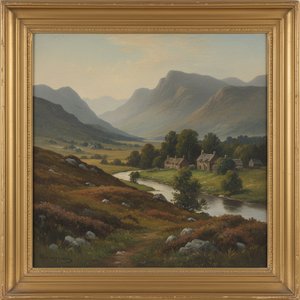
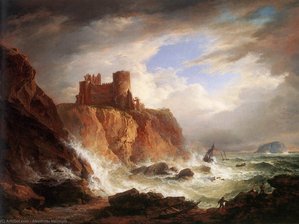
Nasmyth’s landscapes weren't simply beautiful images; they were active participants in shaping a new vision of Scotland. During the late 18th and early 19th centuries, a growing sense of national identity was taking root, fueled by writers like Sir Walter Scott and artists who sought to celebrate the country’s unique heritage. Nasmyth's paintings played a crucial role in this process. He depicted scenes that resonated with a romanticized view of Scotland – majestic mountains, serene lochs, and picturesque villages. His work helped to cultivate a sense of pride in the Scottish landscape and its history. Paintings like Loch Katrine and Cambuskenneth weren’t just representations of places; they were embodiments of an idealized national identity, contributing significantly to the Romantic Scotland that continues to captivate imaginations today.
Legacy and Influence: The Enduring Impact of Nasmyth’s Artistic Vision
Alexander Nasmyth died in 1840, leaving behind a legacy that extends far beyond his prolific output. He is rightly regarded as the founder of the Scottish landscape tradition, bridging the gap between portraiture and a more independent exploration of nature. His emphasis on observation, composition, and atmospheric perspective profoundly influenced generations of artists. The impact of his work can be seen in the paintings of his pupils and subsequent Scottish landscape painters who continued to explore the beauty and grandeur of their homeland. Today, Nasmyth’s works are celebrated not only for their artistic merit but also for their role in shaping a national identity and fostering an enduring appreciation for the Scottish landscape. Discover the timeless appeal of Alexander Nasmyth's masterpieces – available as stunning fine art reproductions at ArtsDot.com, bringing the spirit of Scotland into your home.