


Defining Chiaroscuro: The Dramatic Interplay of Light and Shadow
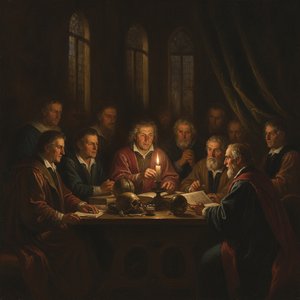
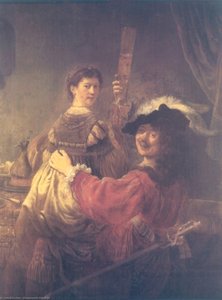
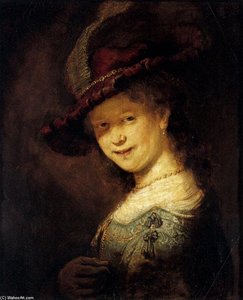
To step into the world of Rembrandt van Rijn is to enter a realm where darkness is not merely the absence of light, but a tangible, breathing presence. At the heart of his revolutionary approach lies chiaroscuro, a term derived from the Italian words for light and dark. While many of his contemporaries used light to illuminate a scene clearly, Rembrandt utilized it as a surgical tool, carving figures out of an enveloping gloom. This technique creates a profound sense of volume and three-dimensionality, pulling the viewer’s eye toward specific focal points while allowing the periphery to dissolve into mystery. In masterpieces such as Self Portrait (24), we observe how the light does not simply rest upon the surface but seems to emerge from within the subject itself. This interplay creates a rhythmic tension; the shadows are deep, velvety, and heavy, providing a structural foundation that makes the luminous highlights appear even more brilliant. For the discerning collector or professional decorator, understanding this balance is essential, as it is this very contrast that provides the dramatic weight necessary to anchor a room's aesthetic.The Technical Foundation: Layering, Glazing, and Impasto Techniques
The brilliance of Rembrandt’s light is not a result of simple brushwork, but rather a complex, multi-layered architectural feat of oil painting. To achieve such depth, the Dutch Master employed a sophisticated method of glazing—applying thin, translucent layers of pigment over dried underpaintings. These glazes allow light to pass through the upper layers and reflect back from the base, creating a glow that mimics the natural luminosity of human skin or the soft sheen of silk. This process requires immense patience and precision, as each layer must be perfectly cured before the next is applied. Contrasting this delicate transparency is his use of impasto, where paint is applied thickly to catch the physical light of the room. By building up texture on the highlights—such as the bridge of a nose or the fold of a lace collar—Rembrandt created a tactile surface that interacts with real-world illumination. This marriage of thin, light-permeable glazes and heavy, sculptural impasto is what gives his works their unmistakable "soul." When viewing high-quality reproductions, it is this visible texture and tonal range that distinguish a true hand-painted oil from a flat, digital print.Psychological Depth: Using Contrast to Convey Human Emotion and Narrative
Beyond the technicalities of pigment and oil lies the true purpose of Rembrandt’s chiaroscuro: the exploration of the human psyche. The shadows in his work often represent the unknown, the subconscious, or the weight of sorrow, while the light serves as a symbol of revelation, divinity, or sudden realization. In biblical narratives like The Blindness of Tobit, the dramatic lighting does more than illuminate the characters; it directs the emotional narrative, forcing the viewer to confront the intimacy and vulnerability of the moment. This use of contrast creates an atmosphere of profound introspection. The way a face emerges partially from the dark suggests a character caught in thought, perhaps grappling with a secret or a spiritual epiphany. For those curating professional spaces, such as luxury hotel lobbies or corporate boardrooms, incorporating works that utilize this psychological depth can introduce a sense of gravitas and timelessness. The art does not merely decorate a wall; it invites a contemplative dialogue between the viewer and the subject.Mastering the Palette: Rembrandt’s Use of Earth Tones and Luminous Highlights
Rembrandt’s color palette was remarkably disciplined, eschewing garish hues in favor of a sophisticated range of earth tones. He relied heavily on ochres, umbers, sienna, and deep blacks to build his atmospheric shadows. This restrained approach prevented the composition from becoming visually cluttered, allowing the viewer to focus entirely on the tonal transitions. By limiting the color spectrum, he could manipulate the perceived temperature of the light, making certain areas feel warm and inviting while others felt cold and distant. The magic occurs when these muted tones meet his carefully placed highlights. A single stroke of lead white or a pale cream, applied with precision, can transform a dull surface into a radiant focal point. This mastery of the "limited palette" is a lesson in restraint that remains highly relevant in modern interior design. It teaches us that true impact is not achieved through an abundance of color, but through the strategic placement of light against a stable, harmonious background.Legacy in Modern Spaces: Integrating Dutch Golden Age Aesthetics into Professional Interiors
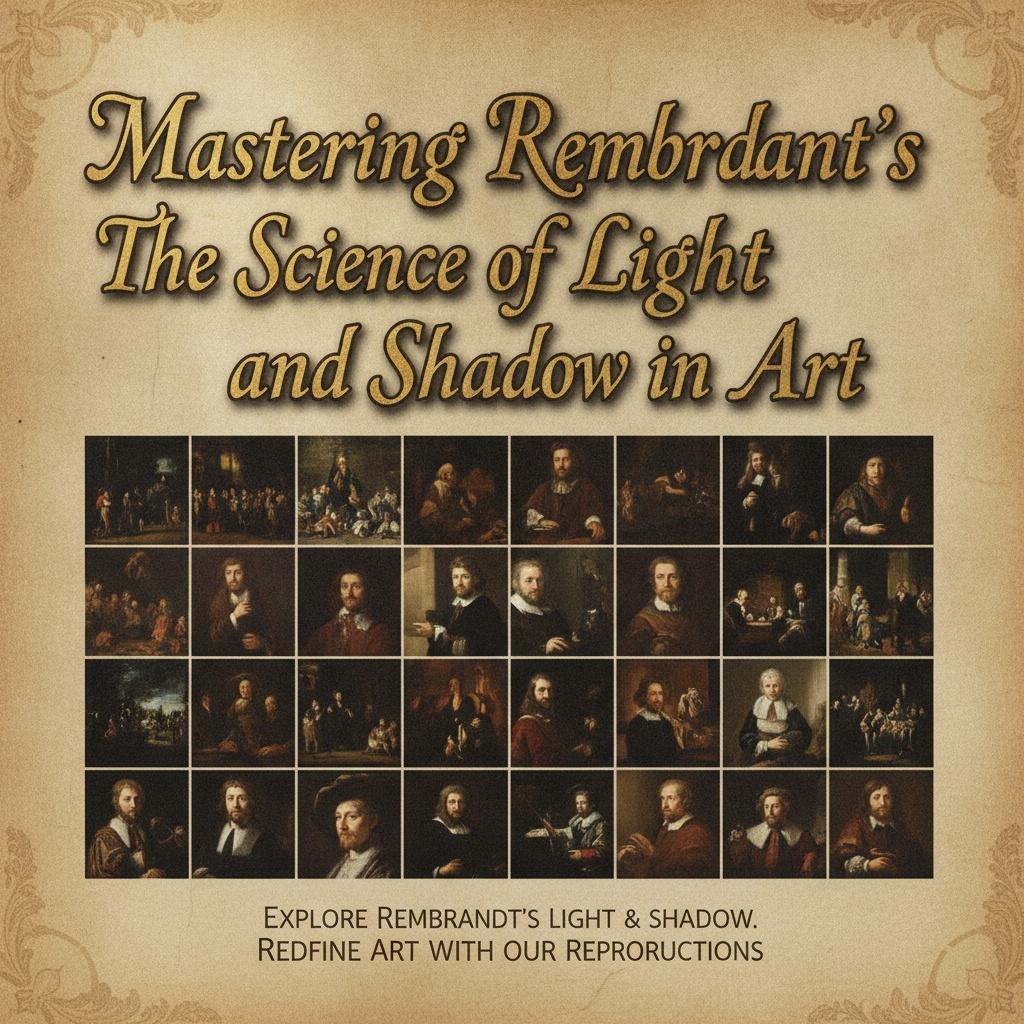
The enduring legacy of Rembrandt’s technique offers unparalleled opportunities for modern architectural integration. The dramatic tension of chiaroscuro is particularly effective in large-scale installations, such as multi-panel group paintings or expansive wall murals, which can define the character of a grand hall or a sophisticated restaurant. Because his work relies on the interaction of light and shadow, these pieces respond dynamically to the lighting design of a space, changing in mood as the time of day progresses. For procurement managers and designers, selecting works that echo this Dutch Golden Age aesthetic provides a sense of permanence and prestige. Whether through a custom-commissioned portrait or a meticulously recreated masterpiece, the goal is to bring that same sense of depth and narrative into the contemporary environment. By choosing reproductions that honor the original's impasto and glazing, professionals can ensure that their spaces possess not just decoration, but a profound, historical resonance that captivates every guest.Discover the mastery of the Old Masters at ArtsDot.com. From bespoke hand-painted oil reproductions to professional art consultations for large-scale projects, we provide the tools to bring timeless elegance to any space.