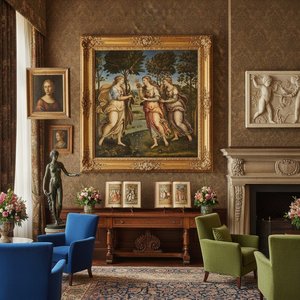
Defining Baroque Classicism: Balancing Dramatic Movement with Architectural Order
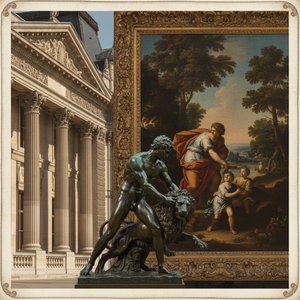 Baroque Classicism: The Grandeur of Order and Drama in 17th-Century Art History
The Historical Crucible: Counter-Reformation and the Rise of Absolutism Baroque Classicism: Reconciling Drama & Order in 17th-Century Art The Historical Context: Counter-Reformation & Absolutism Wikipedia: Counter-Reformation The Counter-Reformation ...
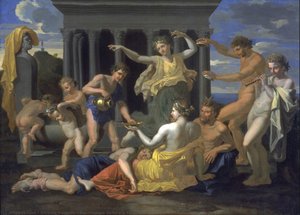
The seventeenth century was a period of profound seismic shifts, where the serene stability of the High Renaissance gave way to a landscape defined by religious and political struggle. Within this crucible of the Counter-Reformation and the rise of absolute monarchies, a unique visual language emerged known as Baroque Classicism. Unlike the purely exuberant and often chaotic tendencies of the high Baroque, which sought to overwhelm the senses through sheer theatricality, Baroque Classicism attempted a sophisticated reconciliation between raw human emotion and the enduring dignity of classical tradition. It is an aesthetic of tension, where the breathtaking energy of movement is held in check by a rigorous commitment to clarity, balance, and measured composition.
To understand this style is to appreciate the delicate equilibrium between drama and order. While artists drew inspiration from the visceral intensity of Caravaggio, they also looked back to the intellectual rigor of the Renaissance masters. This duality allows for an interior atmosphere that feels both emotionally stirring and intellectually imposing. For the professional designer, this means utilizing art that can command a room through light and shadow—the famous
tenebrism—without sacrificing the structural harmony required for a cohesive architectural space. It is a style that celebrates the sublime while maintaining a sense of decorum and grace.
Strategic Implementation: Using Masterworks to Anchor Luxury Hotel Lobbies and Suites
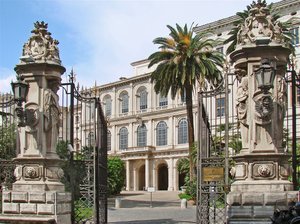 Piazza Barberini
A Baroque Symphony of Art and Power Palazzo Barberini stands as far more than a mere monument of stone and mortar; it is an immersive journey into the very heart of Italy's Baroque artistic fervor. Located in the historic pulse of Rome’s Piazza Barbe...
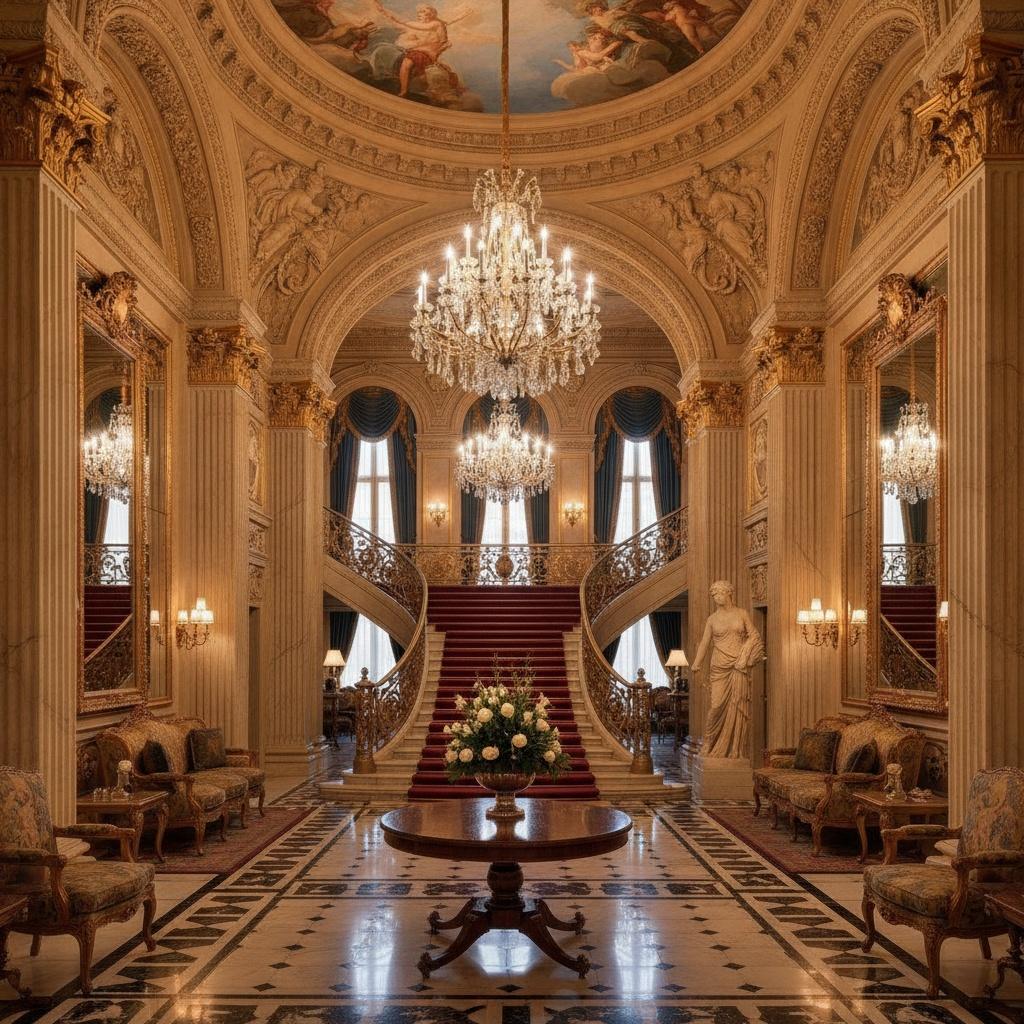
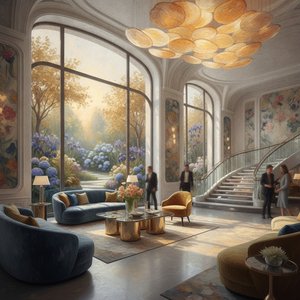
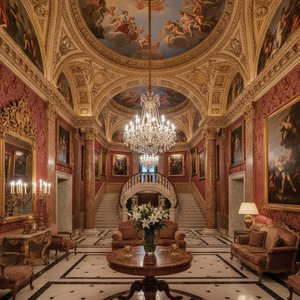
In the context of luxury hospitality, art serves as more than mere decoration; it acts as the psychological anchor of the environment. Integrating Baroque Classicist works into a hotel lobby provides an immediate sense of historical weight and prestige. These pieces possess a unique ability to define spatial perception, much like the revolutionary architectural experiments seen in the Palazzo Barberini. By placing a large-scale reproduction of a classical scene within a high-traffic entrance, a designer can instantly communicate a narrative of strength, wealth, and cultural sophistication to arriving guests.
Moving from public foyers to private suites, the application of this style requires a nuanced approach to scale and subject matter. In more intimate settings, the focus shifts toward the subtle use of color and the graceful rendering of figures. A well-placed oil reproduction featuring the soft, light-drenched textures characteristic of the Roman masters can transform a standard suite into a sanctuary of refined elegance. The goal is to create an immersive journey where the art does not merely hang on the wall but actively participates in the storytelling of the hotel’s brand, bridging the gap between contemporary luxury and historical grandeur.
Curating the Collection: Selecting Key Artists from Maratta to Sacchi for Professional Spaces
 Carlo Maratta
A Roman Master of the Baroque Classicizing Style Carlo Maratta, often known as Maratti, stands as a pivotal figure in 17th-century Italian painting, embodying the transition from the High Baroque to a more refined and classically inspired aesthetic. ...
The selection of specific artists is critical when curating a collection that embodies the transition from High Baroque to a more refined aesthetic. One must look to figures such as Carlo Maratta, a Roman master whose work epitomized the transition toward a more classically inspired style. Trained in the studio of Andrea Sacchi, Maratta’s oeuvre provides the perfect template for professional interiors, offering a dedication to clarity and a restrained emotionalism that distinguishes his work from more flamboyant contemporaries. His ability to synthesize classical foundations with Baroque sensibility makes his compositions ideal for spaces that require both impact and restraint.
Furthermore, exploring the influence of artists like François Perrier can introduce a much-needed dynamism into a design scheme. Perrier was instrumental in bringing the grandeur of the Roman Baroque to French ateliers, emphasizing meticulous draftsmanship and the beauty of antique inspirations. When selecting works for a large-scale project, a designer might also consider the academic excellence found in the lineage of the Carracci family, whose influence shaped much of the era's naturalism. By choosing artists who prioritize harmonious design and intellectual rigor, procurement managers can ensure that the chosen artworks contribute to a sense of timelessness rather than fleeting trend.
Scale and Impact: Utilizing Large-Format Murals and Multi-Panel Sets for Grand Interiors
 The Judgment of the Mandarin (detail)
Admire Andrea Urbani’s "The Judgment of the Mandarin" (1764) – a stunning fresco detail showcasing Baroque grandeur & classical artistry. Explore this masterpiece!
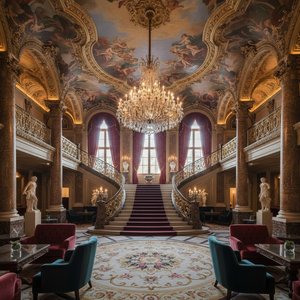
One of the most potent tools in the designer's repertoire is the use of scale to manipulate architectural impact. Baroque Classicism lends itself exceptionally well to large-format applications, such as custom-painted murals and ceiling frescoes. These works can recreate the awe-inspiring atmosphere of historical palaces, effectively turning a modern hotel ceiling into a window onto the divine or the mythological. Such monumental art requires careful engineering, often involving massive canvas rolls that are installed with the precision of high-end wallpaper, allowing for a seamless integration of art and architecture.
For expansive walls or long corridors and staircases, the multi-panel trend offers a contemporary way to interpret classical themes. By splitting a single, grand composition across three, four, or five panels, a designer can create a rhythmic, modern architectural look that maintains the cohesive flow of the original masterpiece. This technique allows for a more modular approach to decoration, enabling the art to wrap around corners or follow the structural lines of a building. The result is a breathtaking visual progression that guides the guest through the space, using the continuity of brushstrokes and color to create a sense of unified grandeur.
Sourcing and Procurement: Efficiently Managing High-Volume Art Orders for Hospitality Projects
For procurement managers and hospitality professionals, the challenge of art selection is often compounded by the pressures of time, budget, and volume. Successful implementation of an art program requires a reliable supply chain capable of delivering museum-quality reproductions in repeatable standard sizes. The ability to manage large-scale orders—often by the dozen—is essential for maintaining consistency across multiple hotel properties or restaurant chains. This necessitates a partner who understands the operational requirements of the trade, providing clear pricing, VAT-compliant documentation, and efficient logistics.
Reliability in procurement is built upon transparency and control. A professional workflow should include digital mockups to ensure color matching with existing interior palettes, pre-shipment photo approvals to guarantee quality, and robust tracking systems for international delivery. Whether sourcing hand-painted oil reproductions on cotton canvas or high-quality Giclée prints for faster turnaround, the focus must remain on durability and ease of installation. By leveraging a system that supports bulk re-orders and provides customized framing solutions—such as gold leaf or espresso finishes—designers can execute complex, large-scale visions with the confidence that their artistic investment will endure for generations.
At ArtsDot.com, we specialize in supporting the unique needs of the hospitality and professional design sectors. From custom commissions that transform personal photos into historical masterpieces to large-format murals for grand lobbies, our service is built for volume and precision. We provide the scale, the expertise, and the operational reliability required to bring the timeless grandeur of Baroque Classicism to your next professional project.