![Leben Des Heiligen Johannes Des Evangelisten - [03] - Himmelfahrt Des Evangelisten — Giotto Di Bondone](/media/artworks/images-thumb/ab/15/ab151a8ad105b1ef78444cd367849cb4.jpg)
Defining the Proto-Renaissance: The Transition from Byzantine Symbolism to Naturalism
 The Proto-Renaissance Revolution: How Giotto Shattered the Mold to Create Modern Visual Impact
Breaking the Flatness: The Death of Byzantine Static and the Birth of Depth The Proto-Renaissance: The Dawn of a New Era and the Artistic Revolution of Giotto The Twilight of the Medieval: Understanding the Trecento Context To understand the profound...
To understand the profound impact of the Proto-Renaissance, one must first contemplate the heavy, gilded atmosphere that dominated the European visual landscape for centuries prior. Before this era of rebirth, the Byzantine tradition reigned supreme, presenting a world of flattened perspectives, rigid iconographies, and opulent gold backgrounds that functioned more as spiritual windows than as depictions of physical reality. In these works, figures existed in a divine, timeless vacuum, stripped of anatomical weight or earthly context. The art was symbolic, designed to convey theological truths through stylized forms rather than to mirror the lived experience of the viewer.
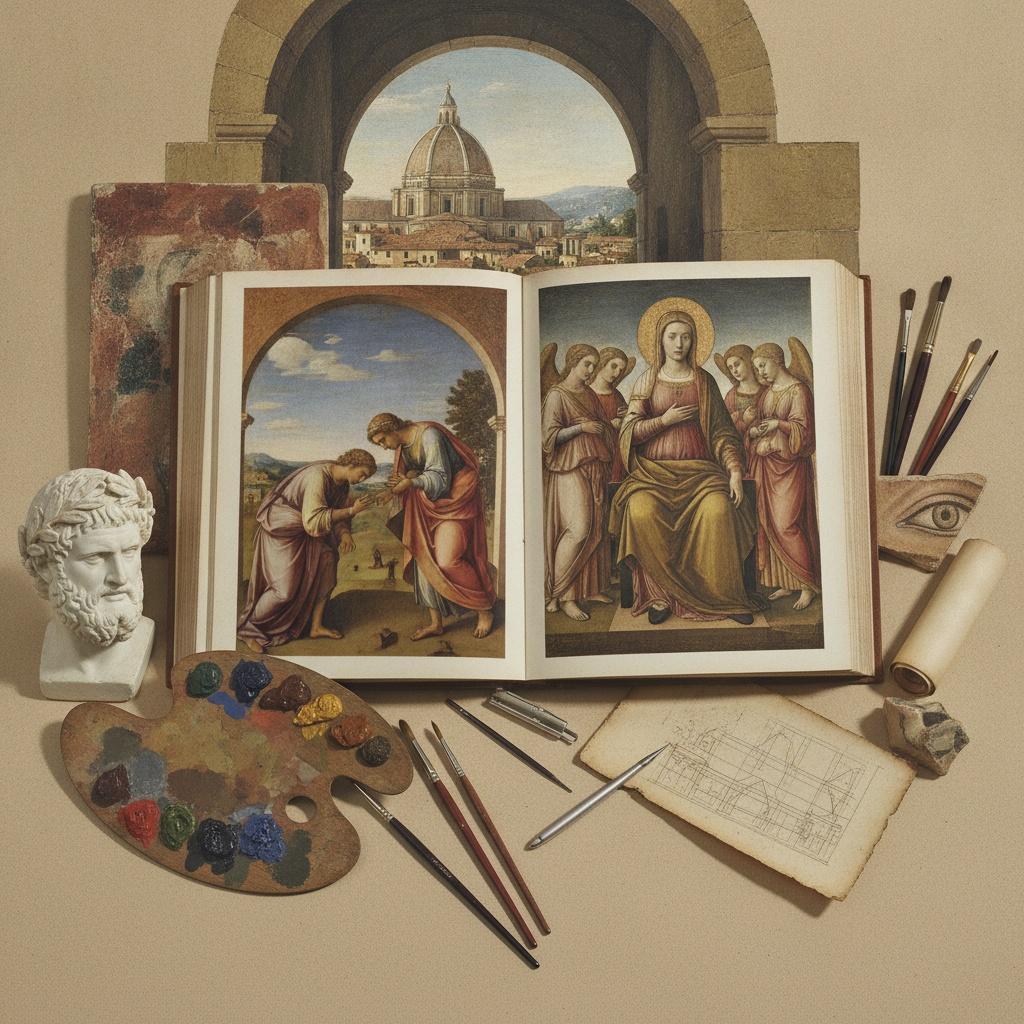
The Proto-Renaissance, spanning roughly the late 13th and early 14th centuries in Italy, represents the moment these established artistic conventions began to crack. It was not a sudden, violent revolution but a gradual, sophisticated shift toward humanism and observation. As Italian city-states flourished through trade and intellectual exchange, a new hunger for naturalism emerged. Artists began to look beyond the static, two-dimensional icons of the past, seeking instead to capture the beauty and complexity of the human form and the tangible space it occupies. This period serves as the essential bridge between the medieval preoccupation with the ethereal and the Renaissance obsession with the earthly, laying the groundwork for a new way of seeing the world.
The Visionaries of Change: Analyzing the Impact of Giotto and Cimabue
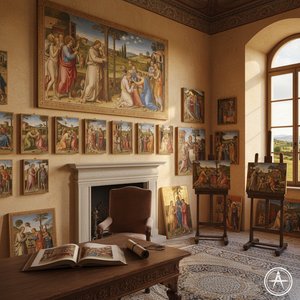 Giotto's Masterpieces: 25 Renaissance Artworks for Your Home | ArtsDot
Introduction To embark on a journey through the top 25 artworks of Giotto di Bondone is to step into a world poised between two eras – the waning medieval age and the dawn of the Renaissance. It’s a privilege, really, to stand before these paintings,...
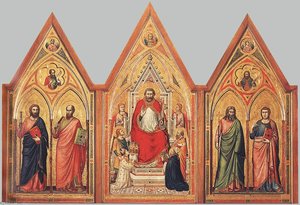
At the heart of this transformative era stood figures like Cimabue and his most illustrious pupil, Giotto di Bondone. While Cimabue embodied the grandeur of the existing Byzantine style—creating works of striking beauty and spiritual intensity—he also planted the seeds of change. His mastery of the established norms provided the foundation upon which the next generation could build. However, it was Giotto who truly shattered the mold, introducing a seismic shift in how humanity was portrayed on canvas and fresco.
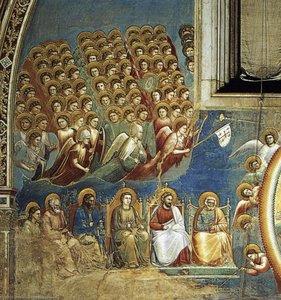
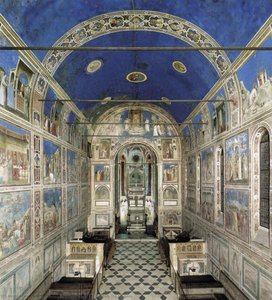
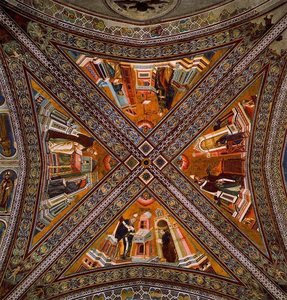
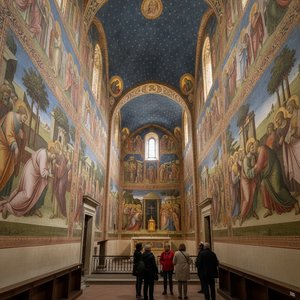
Giotto’s genius lay in his unprecedented ability to depict humanity with emotional depth and physical presence. Legend tells of a shepherd boy sketching lifelike sheep on rocks, but the historical reality is even more impressive: Giotto was a visionary who dared to bring the divine down to earth. In his masterworks, such as the breathtaking frescoes of the Scrovegni Chapel, he replaced flattened, ethereal icons with individuals imbued with recognizable feeling. His figures possess weight, volume, and a sense of interaction within a constructed space. By introducing expressive gestures and believable human drama, Giotto transformed religious narratives into visceral, lived experiences, making him the true progenitor of modern visual impact.
Architectural Integration: Utilizing Proto-Renaissance Aesthetics in Hospitality Design
For the contemporary designer tasked with creating atmosphere in high-end hospitality environments, the Proto-Renaissance offers a sophisticated palette of textures and themes. The aesthetic of this period—characterized by a balance between rich, historical grandeur and a burgeoning sense of clarity—is uniquely suited for large-scale architectural projects. Unlike the overwhelming complexity of the High Renaissance or the starkness of modern minimalism, Proto-reproduction art provides a sense of "timeless weight" that can anchor a lobby, restaurant, or corridor.
Integrating these works requires an understanding of their inherent narrative power. The use of multi-panel layouts, or group set paintings, allows a designer to wrap a historical narrative around a wide wall or a grand staircase, creating a cohesive architectural flow. Whether through large-format murals that recreate the feeling of a frescoed ceiling or carefully selected oil reproductions that introduce deep tonal ranges and visible brushstrokes, these pieces serve as morements of profound character. They offer an opportunity to move beyond mere decoration, instead providing guests with a sense of historical continuity and cultural depth that elevates the entire property.
Technical Innovations: From Flat Iconography to Depth, Emotion, and Humanism
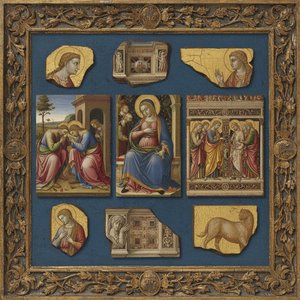 Proto-Renaissance Masters: 10 Artworks That Changed History | ArtsDot
Introduction Imagine stepping back in time to a world poised on the cusp of rebirth, where artistic conventions were beginning to crack and a new vision—one rooted in humanism, observation, and emotion—was starting to bloom. This is the world of the ...
The technical evolution during the Proto-Renaissance was driven by a fundamental change in worldview. The shift from the 2D Byzantine style to a more three-dimensional representation involved a rigorous rediscovery of anatomical principles and spatial logic. Artists began to experiment with light and shadow to suggest volume, moving away from the uniform illumination of icons toward a more naturalistic depiction of form. This was the birth of a new visual language, one where the interplay of color and composition worked to create an illusion of depth and tangible reality.
This technical progress was deeply intertwined with the rise of humanism. As the focus shifted from purely symbolic imagery to the representation of the human condition, the artist's toolkit expanded to include emotional nuance. The ability to portray sorrow, joy, and struggle through subtle facial expressions and physical postures became paramount. This era taught us that art could be both a vehicle for profound spiritual truth and a mirror for the individual experience. For the modern collector or procurement manager, these technical milestones are what give Proto-Renaissance reproductions their enduring power; they possess a tactile, human quality that mass-produced prints simply cannot replicate.
Sourcing Masterpieces: Implementing Historical Reproductions for Large-Scale Projects
 Giotto di Bondone: Revolutionizing Late Medieval Painting through Narrative Innovation
The Dawn of a New Style: Giotto’s Historical Context Wikipedia: Giotto Giotto di Bondone (Italian: [ˈdʒɔtto di bonˈdoːne]; c. 1267 – January 8, 1337), known mononymously as Giotto, was an Italian painter and architect from Florence during the Late Mi...
Executing a large-scale design vision requires more than just aesthetic inspiration; it requires a reliable supply chain capable of delivering museum-quality results. When sourcing historical reproductions for hotels or corporate spaces, the focus must remain on authenticity, durability, and scale. The challenge for procurement professionals is finding works that maintain the integrity of the original—the visible brushstrokes, the depth of the oil pigments, and the structural stability required for long-term installation.
At ArtsDot.com, we specialize in meeting these professional demands through our high-volume business catalog. We understand that for hospitality chains and decorators, reliability is as critical as artistry. Our service is built around the needs of the trade: providing large-scale, hand-painted oil reproductions on 100% cotton canvas that can be customized to fit specific architectural dimensions. From multi-panel sets designed for expansive walls to custom "period shifts" that adapt historical styles to modern color palettes, we provide the logistical infrastructure—including VAT-compliant invoicing, rapid global shipping via DHL/FedEx, and a streamlined re-order process—to ensure your project is completed on time and within budget. Whether you are looking for the profound humanity of Giotto or the intricate beauty of Renaissance illumination, we deliver the foundation of masterpiece painting to your professional workspace.