
The Aesthetic Value of Realism: Enhancing Hospitality Brand Heritage through Rural Landscapes
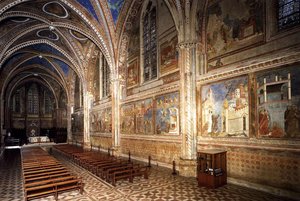
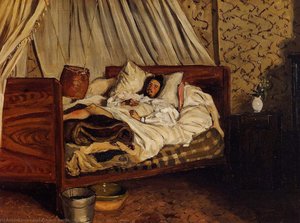
In the competitive landscape of luxury hospitality, the visual narrative of a lobby, an executive suite, or a fine-dining establishment serves as a silent but powerful ambassador of brand identity. For the discerning designer, selecting artwork is not merely a decorative task but a strategic endeavor to establish prestige and heritage. The movement of Realism, which emerged in mid-1s century France as a profound rebellion against the theatricality of Romanticism, offers an unparalleled toolkit for this purpose. By rejecting idealized, mythological subjects in favor of the unvarnished truth of the contemporary world, Realist masters like Gustave Courbet invited viewers to confront the tangible beauty of everyday existence.
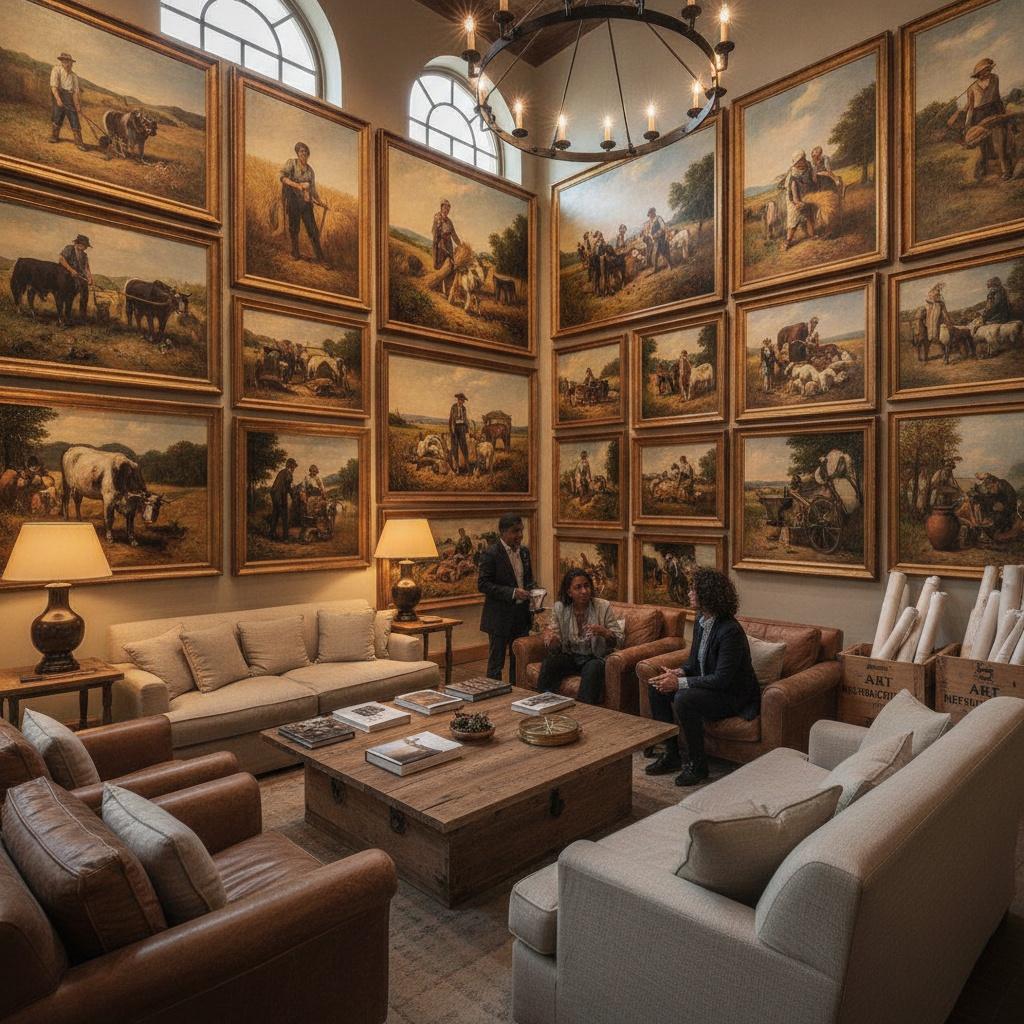
When integrated into commercial interiors, artworks depicting rural labor and agricultural life evoke a sense of groundedness and authenticity. These pieces do not rely on the escapism of exotic locales; instead, they celebrate the dignity of the human condition through the depiction of wheat fields, bustling markets, and the rhythmic toil of the working class. The warm, earthy palettes—dominated by ochres, russets, and golden yellows—provide a sophisticated foundation for interior color schemes, creating an atmosphere that feels both historically significant and emotionally resonant. By incorporating these themes, a hotel or restaurant can cultivate a sense of timelessness, connecting modern guests to a shared human history of resilience and connection to the land.
Sourcing for Scale: High-Volume Procurement Strategies for Hotel Designers and Decorators
For procurement managers and hospitality decorators, the challenge of furnishing large-scale projects lies in balancing aesthetic excellence with operational efficiency. The requirement for high-volume orders—often spanning dozens of rooms or entire wings of a property—demands a supplier that functions as a reliable trade partner rather than a mere vendor. Effective sourcing requires a catalog depth that allows for repeatable, standard sizing across multiple locations, ensuring visual cohesion throughout a global hotel chain.
Technical Specifications: The Durability and Texture of Hand-Painted Oil Reproductions
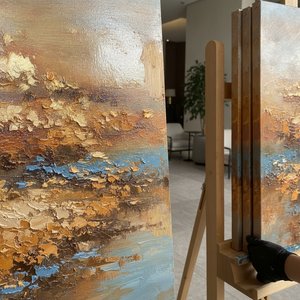
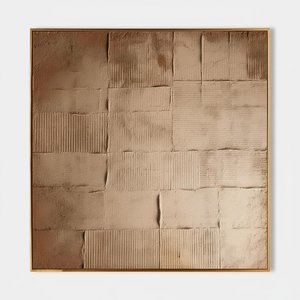 Monolithic Sediments in Sepia: A Meditative Study of Textured Earth and Time
Experience the profound textures of David Moreau’s Monolithic Sediments in Sepia, a modern non-representational masterpiece of rhythmic earth tones and geological depth, available exclusively for your private collection.
In high-traffic commercial environments, the physical integrity of an artwork is as vital as its subject matter. While digital prints and posters may offer a cost-effective solution, they often lack the tactile depth and longevity required for premium hospitality spaces. True hand-painted oil reproductions on 100% cotton canvas provide a level of sensory engagement that mass-produced prints cannot replicate. The presence of visible brushstrokes and the subtle impasto technique create a dynamic surface that interacts with ambient lighting, offering a richer tonal range and a sense of "soul" that elevates the entire room.
From a technical standpoint, these reproductions are engineered for permanence. Using high-quality materials such as flexible gesso to prevent cracking and specific oils, like safflower, to ensure whites do not yellow over time, these works are built to endure. A final protective coating of Damar varnish shields the pigment from dust, moisture, and atmospheric pollutants, which is essential in public spaces subject to varying climates. For designers seeking a more aged or historical aesthetic, an optional craquelure finish can be applied, providing the appearance of a centuries-old masterpiece while maintaining modern structural stability. This commitment to material science ensures that the art remains a lasting investment for the property.
Customization and Integration: Multi-Panel Layouts and Color Matching for Large-Scale Projects
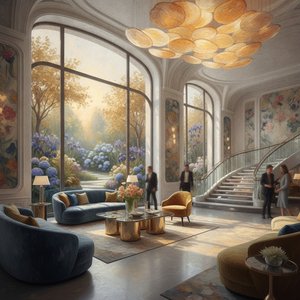
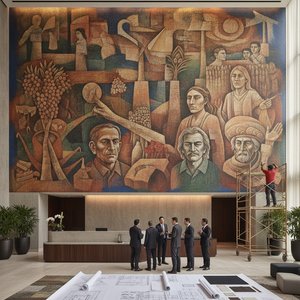
Modern architectural design often presents unique challenges, such as expansive, unbroken walls or grand staircases that require more than a single focal point. To address these structural demands, the use of multi-panel layouts—splitting a single classical composition across three, four, or even five panels—has become a significant trend in contemporary hospitality interiors. This technique allows for a cohesive, modern architectural look that can scale to fit the proportions of a monumental lobby or a long corridor, ensuring the artwork feels integrated into the building's bones rather than merely hung upon them.
Beyond scale, the ability to customize is paramount for achieving a seamless design integration. Professional designers often require specific color matching to align with bespoke upholstery or wall treatments. Our services allow for a "remixing" of art history; a designer can request that a landscape be adjusted to reflect a specific seasonal palette or even transform a modern concept into the style of a 17th-century master. For complex commissions, such as group portraits or large-scale murals, our Professional Digital Mockup Service allows for visual verification before the first brushstroke touches the canvas. This eliminates the risk of error in large-scale installations, ensuring that the final delivered piece matches the designer's precise vision.
Logistics and Project Management: Streamlined Ordering, Global Shipping, and VAT Compliance
The final pillar of professional art procurement is the reliability of global logistics. For a project manager overseeing an international hotel rollout, the complexity of shipping, customs, and documentation can be a significant bottleneck. A professional-grade service must provide end-to-end transparency, utilizing advanced order management systems that offer real-time tracking via SMS and email. This allows for continuous oversight during the 2-to-4-week painting process, including the critical stage of pre-shipment photo approval, where any necessary adjustments can be made before the work leaves the studio.
Reliability extends to the handling of international borders and financial regulations. Efficient procurement requires a partner who understands the nuances of global trade, providing the necessary documentation for customs clearance—such as Reproduction Declarations for Italy or tax ID support for Mexico and Brazil. Furthermore, a robust policy regarding customs fees—such as 100% reimbursement of unexpected VAT charges—removes the financial unpredictability that can plague large-scale budgets. When paired with secure, reinforced packaging using industrial-grade tubes and double-walled boxes, and delivered via trusted carriers like DHL Express or FedEx, the art procurement process becomes a seamless extension of the designer's broader project management strategy.