The Venetian Soul: A Republic Forged in Light and Water
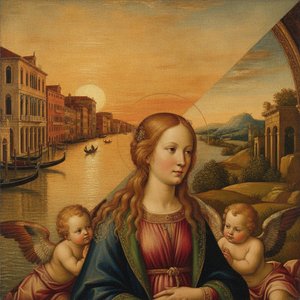 Golden Light & Rich Color: The Timeless Magic of Venetian Renaissance Art
The Venetian Soul: A Republic Forged in Light and Water The Golden Light of Innovation: Exploring the Venetian Renaissance Art Movement (1430–1580) A Republic Forged in Light: The Unique Context of Venetian Art Petrarch’s description of Venice as a “...
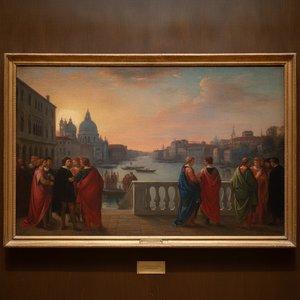
To understand the soul of the Venetian Renaissance, one must first surrender to the sensory experience of the city itself. Unlike the terrestrial ambitions of Florence or Rome—centers defined by rigid structures and intellectual rigor—Venice was a
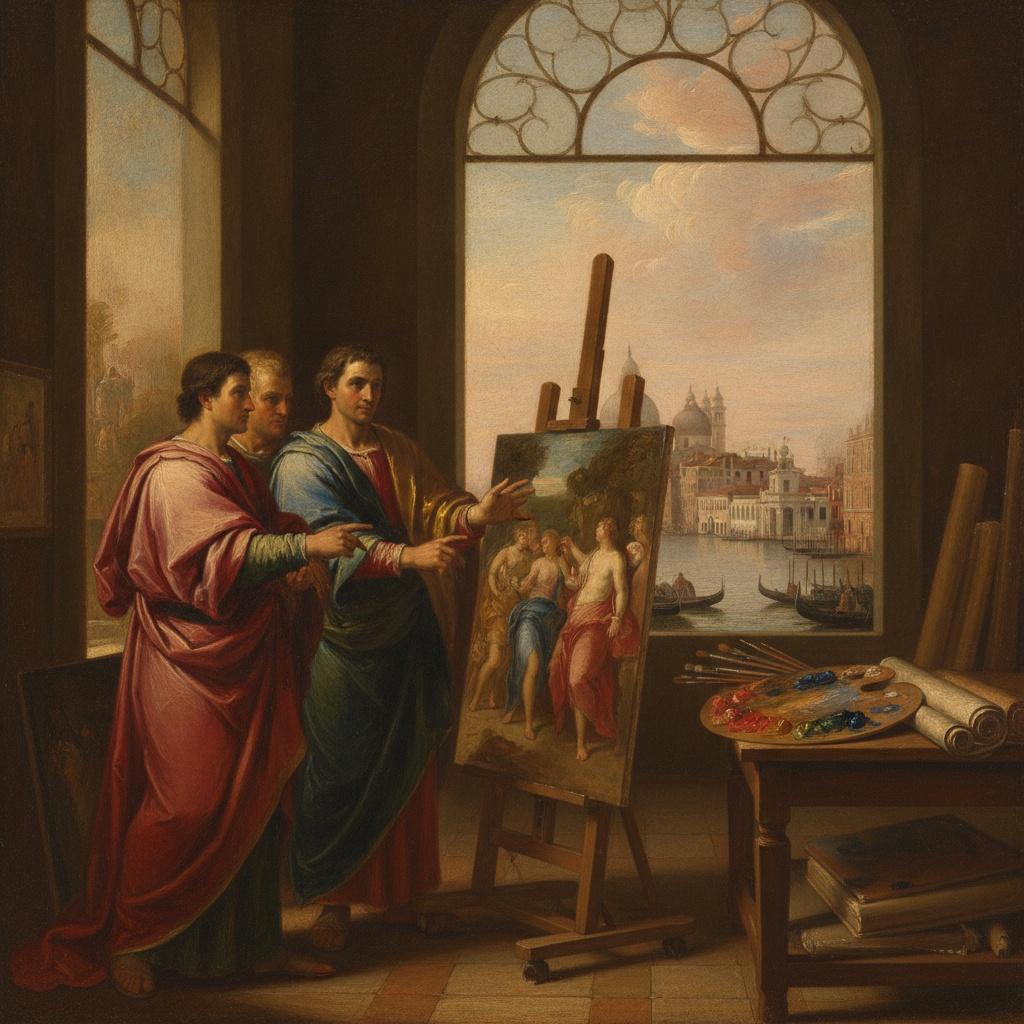
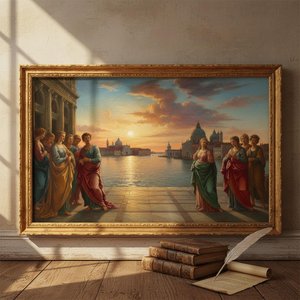
mundus alter, another world, as described by Petrarch. It was a republic born of the sea, a maritime empire built on a complex network of trade that connected the Orient with the West. This unique geopolitical position meant that Venice was not just a political powerhouse, but a vibrant hub where the air itself seemed saturated with moisture and light. The constant dance of the Adriatic sun upon undulating canals and marble palaces created an environment where nothing was static. This environmental reality dictated a new way of seeing for the artists residing within the lagoon. The wealth of the Republic did not flow from vast land ownership but from the movement of the sea, bringing with it an influx of exotic pigments, luxurious textiles, and Byzantine influences. This confluence of styles created a crucible for innovation, encouraging artists to move away from strict classical imitation and toward a visual language capable of capturing the ephemeral beauty and sensual richness of their watery home.
Colorito vs. Disegno: The Supremacy of Color over Line
Venetian Color and Florentine DesignVenetian drawings show an interest in how light will affect a body and how color will describe it in a painting. In Vittore Carpaccio's sheet of ...
The defining tension of the Italian Renaissance often centered on the debate between
disegno and
colorito. While the Florentine masters prioritized
disegno—the intellectual rigor of line, structure, and preparatory drawing—the Venetian school revolutionized the canvas by giving primacy to color. This tradition sought to describe form not through hard outlines,
but through the subtle modulation of hue and light. In Venice, color was not merely a decorative layer applied to a finished drawing; it was the very substance used to build volume and atmosphere. This approach allowed for a more organic, breathing quality in the works of the Venetian masters. By focusing on how light affects a body and how color describes its presence, artists like Vittore Carpaccio demonstrated an interest in the way pigments could simulate the weight of fabric or the translucency of skin. This mastery of
colorito allowed for a deeper tonal range and a more tactile experience, where the application of paint—often through meticulous layering of glazes—created a shimmering surface that captured the ethereal quality of divine grace and the physical reality of the material world.
Masters of the Lagoon: From Bellini to Titian and Tintoretto
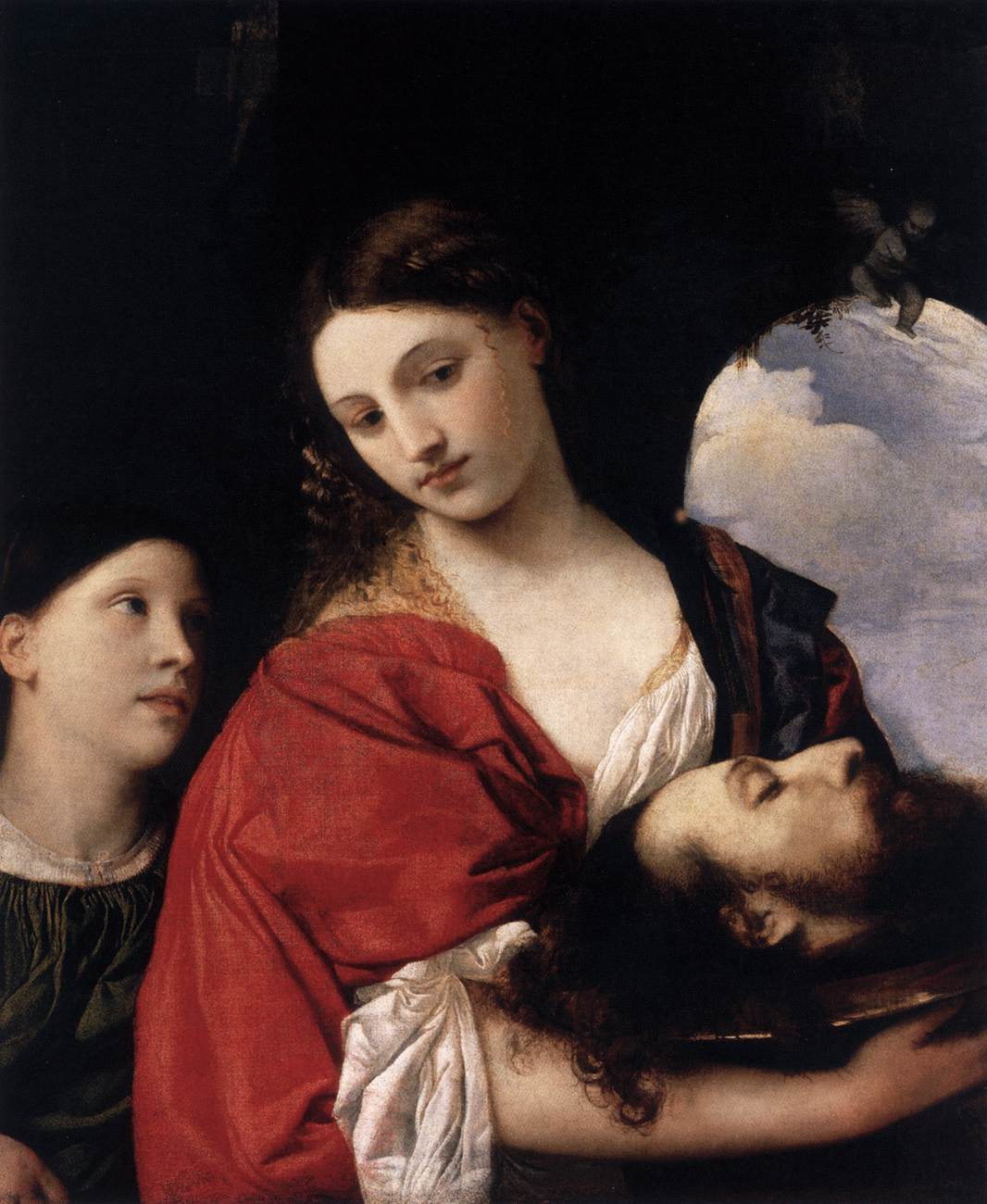 Venetian painting
Venetian painting was a major force in Italian Renaissance painting and beyond. Beginning with the work of Giovanni Bellini (c. 1430–1516) and his brother Gentile Bellini (c. 1429–1507) and their workshops, the major artists of the Venetian school in...
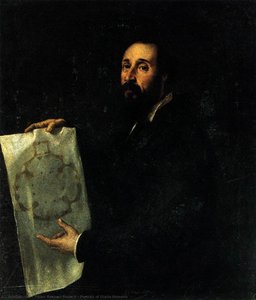
The lineage of the Venetian school is a chronicle of continuous innovation, beginning with the foundational work of Giovanni Bellini and his brother Gentile Bellini. Their workshops established the groundwork upon which later titans would build. Tiziano Vecellio, known globally as
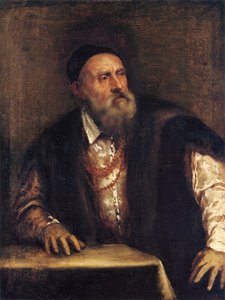
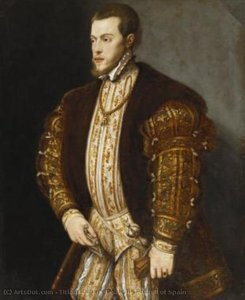
Titian, stands as the monumental figure of this movement. A master who redefined the possibilities of oil painting, Titian was equally adept with portraits, landscapes, and mythological subjects. His works, such as the
Assumption of the Virgin, showcase a profound understanding of human anatomy and an unparalleled command of color that exerted a lasting influence on the Western canon. Following him, the energy of the Renaissance shifted toward the dramatic and the spiritual with Jacopo Tintoretto. Known for his "unsettling energy," Tintoretto moved away from harmonious composition to embrace a style characterized by elongated figures and swirling draperies. His use of
chiaroscuro—the intense contrast between light and shadow—created scenes of breathtaking psychological intensity, reflecting the religious fervor and social anxieties of a Venice navigating the complexities of the Counter-Reformation. Alongside these giants, artists like Paolo Veronese and Jacopo Bassano continued to expand the boundaries of the Venetian style, ensuring the Republic remained a beacon of artistic brilliance.
Atmospheric Brilliance: Capturing Light, Texture, and Emotion
 Allegory of Time Governed by Prudence
The Allegory of Time Governed by Prudence: A Venetian Masterpiece Tiziano Vecellio’s “Allegory of Time Governed by Prudence,” a cornerstone of the High Renaissance, offers a profound meditation on mortality and human experience. Executed in oil durin...
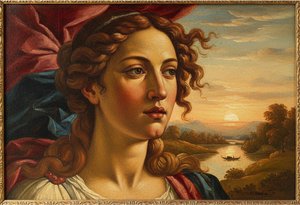
At the heart of the Venetian masterpiece lies an obsession with atmosphere. The artists of this era were not merely painters; they were architects of light. Through the technique of
impasto—the thick, textured application of paint—they added a palpable sense of volume and depth to their canvases. In works like Titian’s
Allegory of Time Governed by Prudence, one can observe how the subtle gradations in color, from rich crimsons to luminous flesh tones, create an almost tactile quality that invites the viewer to feel the weight of the fabrics. This mastery extended to the ability to capture the ephemeral: the way light dissolves a horizon or how shadows can hold profound symbolic weight. Whether it is the spiritual radiance in
Doge Antonio Grimani Kneeling Before the Faith or the dramatic tension in Titian’s mythological scenes like
Diana and Actaeon, the Venetian masters used light to bridge the gap between the human and the divine. They mastered the art of the "glow," using translucent glazes to allow light to penetrate multiple layers of pigment, resulting in a luminosity that seems to emanate from within the painting itself, rather than merely reflecting off its surface.
The Legacy of Venice: Influence on Western Art and Modern Interiors
Venetian painting - Wikipedia--- title: Venetian painting - Wikipedia url: https://en.wikipedia.org/wiki/Venetian_painting hostname: wikipedia.org sitename: Wikimedia Foundation, Inc. date: 2009-10-21 --- # Venetian painting **Venetian painting** was a major force in [Italian Re...
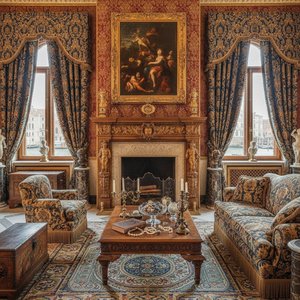
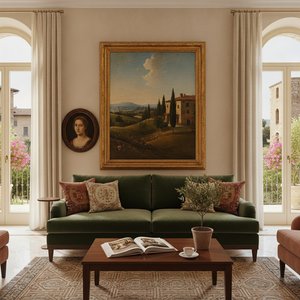
The influence of the Venetian Renaissance extends far beyond the borders of the Italian peninsula and the era of the Republic. The techniques developed in the lagoon—the emphasis on color, the atmospheric use of light, and the expressive power of texture—laid the groundwork for much of the subsequent development in Western painting, influencing masters from Rubens to Velázquez. Today, this legacy finds new life in the curation of sophisticated modern spaces. For the professional decorator or the hospitality designer, the Venetian aesthetic offers a timeless way to introduce depth, warmth, and historical gravity to an interior. The ability to utilize
multi-panel group sets to span wide architectural walls or to commission
custom oil reproductions that capture the specific light of a room allows for the recreation of this classical grandeur in contemporary settings. Whether through the dramatic shadows of a Tintoretto-inspired piece or the rich, golden hues of a Titian reproduction, the spirit of Venice continues to provide a masterclass in how art can transform a physical space into an emotive, atmospheric experience.