Early Life and Artistic Foundations: A Russian Heritage
 boris chaliapin
Explore the captivating world of Boris Chaliapin, a renowned Russian opera singer celebrated for his powerful bass voice & dramatic stage presence. Discover his legacy!
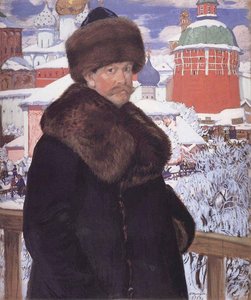
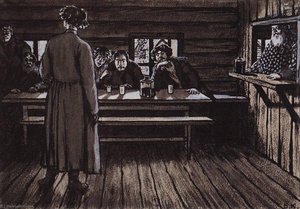
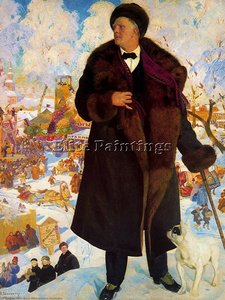
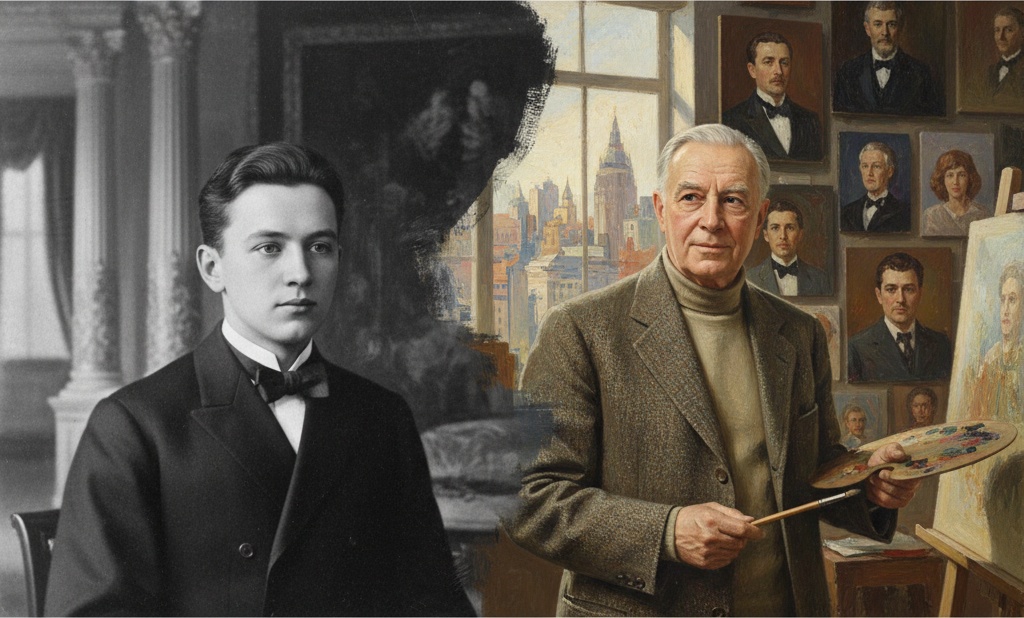
Boris Chaliapin’s story is one inextricably linked to the grandeur and upheaval of Russia, a narrative steeped in artistic lineage and dramatic change. Born in 1904 into a family already celebrated for its profound contribution to the arts – his father was none other than the legendary operatic bass Feodor Chaliapin – young Boris inherited not merely a name but a cultural legacy that would profoundly shape his own creative path. While Feodor captivated audiences with his voice, Boris found his expression through visual artistry, though the echoes of his father’s dramatic flair resonate subtly within his work. His early years in Moscow were formative, imbued with the vibrant energy of a city on the cusp of revolution. Formal training began at the academic workshop of V.I. Shukhaev in 1919, followed by studies with D.N. Kardovsky and A.E. Arkhipova at the First and Second GSHM, culminating in an exploration of sculpture under S.T. Konenkov. However, it was his sojourn to Paris in 1923 that proved pivotal, a relocation spurred by a desire to immerse himself in the heart of European modernism.
From Opera Illustration to Time Magazine Iconography
Boris Chaliapin (Russian: Борис Фёдорович Шаля́пин; September 22, 1904 – May 18, 1979) was an artist for Time magazine, for which he illustrated more than 400 covers, from 1942 (Jawaharlal Nehru) to 1970 (Richard Nixon). == Background == Boris Cha...
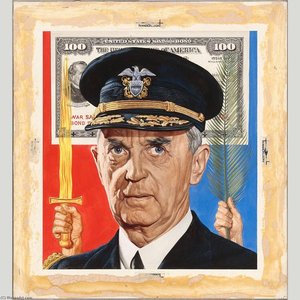
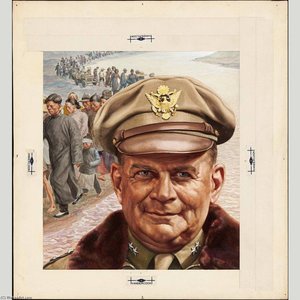
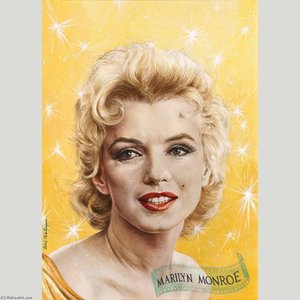
The move to Paris wasn’t simply a geographical shift; it represented a conscious embrace of new artistic possibilities. While initially supporting himself through portraiture, Chaliapin quickly established a reputation for capturing not just likeness but *character*. This talent didn't go unnoticed. In 1927, coinciding with his father’s performances at Covent Garden, he presented a small exhibition alongside the opera star’s tour, gaining initial recognition. But it was his association with Time magazine, beginning in 1942 and lasting for three decades, that cemented his place in visual culture. Over 400 covers bear his signature – portraits of world leaders, innovators, and cultural figures rendered with a distinctive blend of realism and psychological insight. He became synonymous with the magazine’s iconic style, transforming complex personalities into compelling visual narratives. This period wasn't merely about illustration; it was about distilling essence, capturing the zeitgeist of an era through carefully considered compositions and nuanced portrayals.
Chaliapin’s Portraiture Style: Realism, Impressionism, and Symbolic Detail
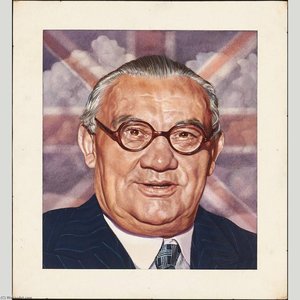 Ernest Bevin
Boris Chaliapin’s "Ernest Bevin" – a dignified portrait blending realism & impressionism. Explore this oil painting's celestial backdrop & contemplative subject.
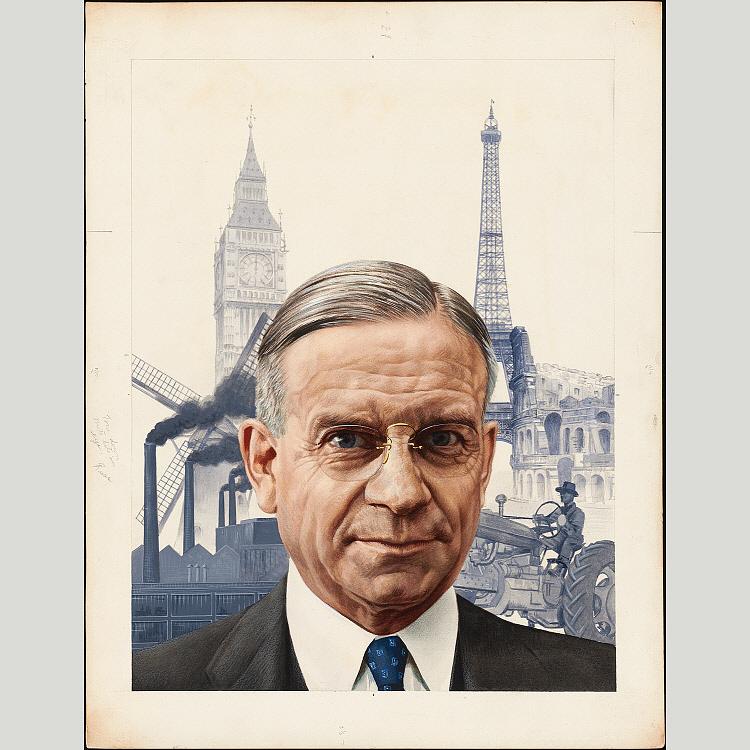
To categorize Chaliapin’s style is to invite nuance. He wasn't rigidly bound by any single school but rather masterfully synthesized elements of realism and impressionism. His portraits are grounded in meticulous observation – the precise rendering of facial features, the careful study of light and shadow – yet they transcend mere photographic accuracy. There’s a softness, an atmospheric quality that imbues his subjects with a sense of inner life. Consider his portrait of Ernest Bevin, where dignity and contemplation are conveyed through subtle brushwork and a celestial backdrop. Or examine the layers of symbolism woven into his depiction of Edward Frederick Lindley Wood, Lord Halifax, where the background isn’t merely decorative but actively contributes to the narrative. He often employed diffused lighting, creating a sense of depth and mystery. His work frequently features carefully chosen details – a specific article of clothing, a particular gesture – that offer clues to the subject's personality or political stance. This wasn’t simply about *seeing* someone; it was about understanding them.
The Canadian Period: Maple Leaves and Architectural Influences
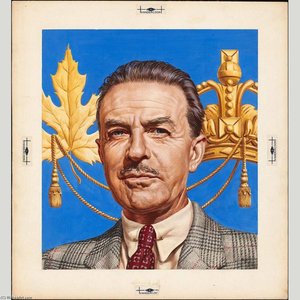
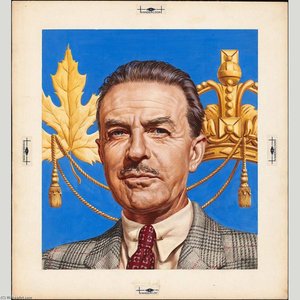 Pearson
Explore Boris Chaliapin’s ‘Pearson,’ a striking 1940s portrait featuring maple leaves & architectural detail. Oil on canvas, showcasing symmetrical design & diffused lighting. A unique piece of Canadian art.
A lesser-known but equally fascinating chapter in Chaliapin’s career unfolded during his time in Canada, beginning in the 1940s. This period saw a distinct shift in his subject matter and aesthetic sensibilities. His portrait of Pearson, for example, is striking for its incorporation of maple leaves and architectural elements – a deliberate grounding of the figure within a specific national context. The symmetrical design and diffused lighting characteristic of his style are present, but there’s also a newfound emphasis on capturing the spirit of Canada itself. This wasn't merely portraiture; it was an attempt to define a visual identity for a nation undergoing rapid change. The architectural details often served as metaphors for strength and stability, while the natural elements – like the maple leaves – evoked a sense of national pride and resilience. These works stand as unique contributions to Canadian art, blending his established techniques with a distinctly local flavor.
Legacy and Enduring Appeal of a Master Illustrator
Boris Chaliapin’s legacy extends far beyond the covers of Time magazine. He was a master of capturing not just physical resemblance but also the essence of his subjects, imbuing each portrait with psychological depth and symbolic meaning. His ability to synthesize realism and impressionism created a style that was both timeless and uniquely his own. While he may be less widely recognized than some of his contemporaries, his work continues to resonate with collectors and art enthusiasts alike. The enduring appeal lies in the quiet dignity and subtle power of his portraits – images that invite contemplation and offer a glimpse into the lives and personalities of those who shaped the 20th century. His influence can be seen in contemporary portraiture and illustration, a testament to his lasting impact on the art world. Discover the captivating works of Boris Chaliapin at ArtsDot.com, where you can explore high-quality reproductions and bring his masterpieces into your own home.