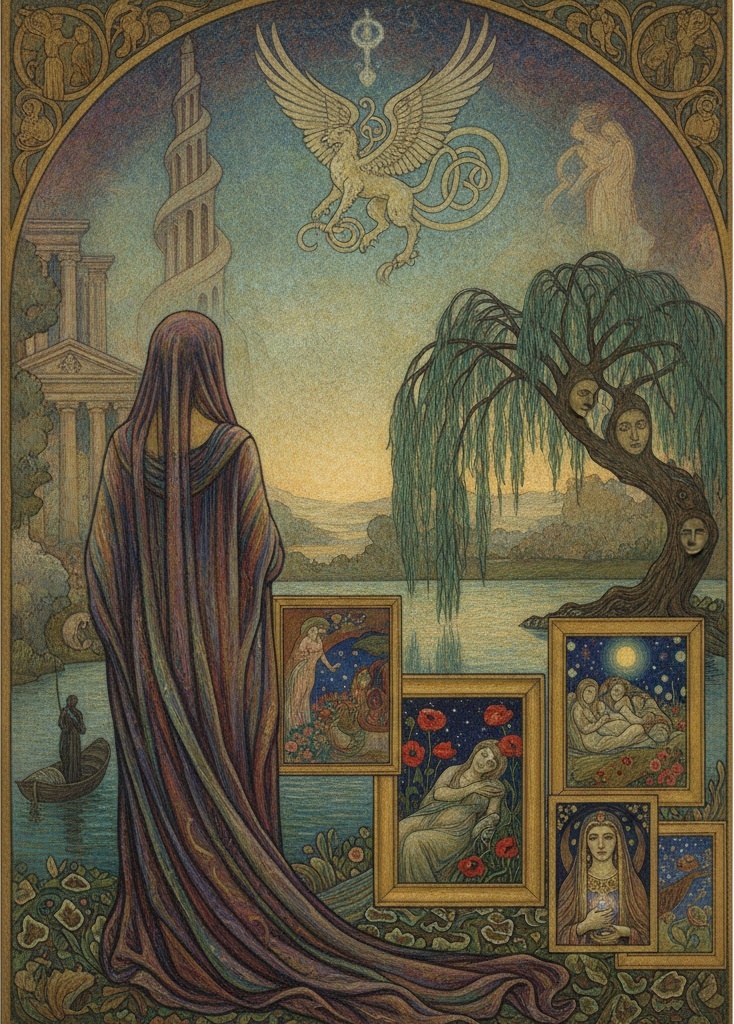
The Essence of Symbolism: Escaping the Constraints of Realism
To understand the profound allure of Symbolist painting, one must first contemplate the era from which it emerged—a period of restless transition where the tangible world began to feel insufficient for the complexities of the human soul. While the Impressionists were busy capturing the fleeting dance of light upon water and the transient atmosphere of a Parisian afternoon, the Symbolists sought something far more elusive. They turned their gaze inward, away from the sun-drenched landscapes of reality and toward the shadowed corridors of the subconscious. This was not merely an artistic movement; it was a philosophical rebellion against the empirical certainty of the age.
The essence of Symbolism lies in its rejection of literal representation. Where a Realist might paint a tree to document its bark and leaf, a Symbolist paints a tree to evoke the feeling of ancient, whispered secrets or the creeping dread of an approaching storm. It is an art of suggestion rather than statement, utilizing metaphor and myth to bridge the gap between what is seen and what is felt. By abandoning the obligation to mimic nature, these artists liberated the canvas, allowing it to become a vessel for dreams, anxieties, and the profound mysteries of existence that defy the boundaries of sight.
Architects of the Unconscious: The Visionary Masters of the Movement
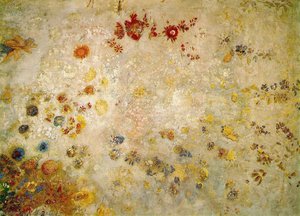
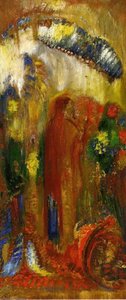
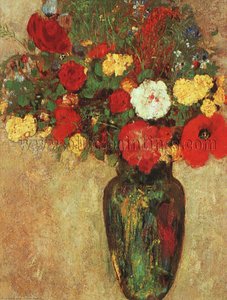
The movement found its most potent voices in masters who possessed the rare ability to render the invisible visible. Among these luminaries, Odilon Redon stands as a titan of the enigmatic. His works, such as the haunting Apparition, serve as windows into a spectral realm where figures emerge from a nebulous void, caught between being and non-being. Redon’s ability to manipulate shadow and light creates a sense of profound psychological depth, inviting the viewer to lose themselves in a dreamscape that feels both intimately personal and cosmically vast.
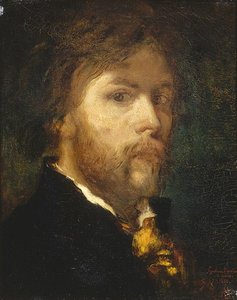
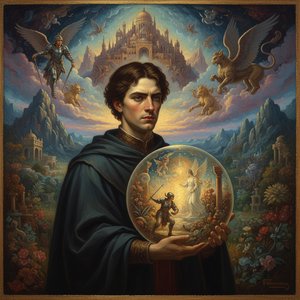
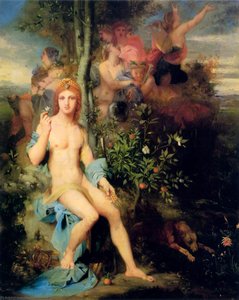
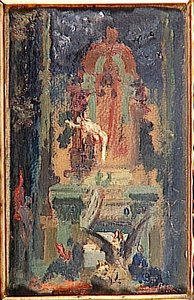
Parallel to Redon’s ethereal explorations was the richly textured, mythological universe of Gustave Moreau. A master of detail and decadence, Moreau’s canvases are often crowded with regal figures, fantastical creatures, and an almost overwhelming sense of ornamentation. In works like The Unicorns, he weaves a tapestry of myth and psychology, where the boundaries between the human and the divine are blurred by vibrant color and intricate composition. Whether through the spectral whispers of Redon or the opulent enigmas of Moreau, these architects of the unconscious redefined the purpose of art, transforming it from a mirror of nature into a map of the human psyche.
Myth, Dream, and Psyche: Decoding the Hidden Language of Symbols
To gaze upon a Symbolist masterpiece is to engage in a complex act of decoding. The movement relied heavily on a shared vocabulary of archetypes—the sphinx, the siren, the fallen angel, and the unicorn—each carrying layers of historical and psychological weight. These were not mere decorative elements; they were keys intended to unlock deeper truths about human desire, fear, and mortality. A single figure in a Moreau painting might represent the eternal struggle between civilization and primal instinct, while a floating eye in a Redon work could signify the piercing clarity of spiritual awakening.
This reliance on myth allowed artists to explore themes that were often too taboo or too complex for traditional narrative painting. By utilizing symbols, they could navigate the turbulent waters of Freudian precursors—exploring the tension between the ego and the id, the beauty of the erotic, and the terror of the unknown. The dream becomes the primary setting, a space where logic is suspended and the symbolic language can flow freely. For the discerning enthusiast, the joy of Symbolism lies in this perpetual hunt for meaning, an intellectual and emotional journey through a landscape of carefully curated mysteries.
A Symphony of Shadows: Light and Texture in Symbolist Masterpieces
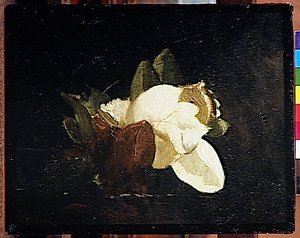
The technical execution of Symbolist works is as vital to their impact as their subject matter. The movement often employed a dramatic use of chiaroscuro, not merely for dramatic effect, but to create the very atmosphere of mystery required by their themes. In the darker, more lithographic works of Redon, the heavy use of blacks and deep charcoals creates a sense of weight and gravity, making the sudden appearance of a pale, luminous figure feel like a true apparition. The texture of the paint itself often mirrors the emotional state of the piece; thick, impasto applications can convey a sense of visceral struggle, while smooth, glazed surfaces suggest the ephemeral nature of a dream.
Furthermore, the color palette of Symbolism is rarely naturalistic. Artists used color as an emotive tool, employing jewel tones to evoke decadence or muted, sickly hues to suggest decay and melancholy. This deliberate manipulation of light and pigment ensures that the viewer’s sensory experience is inextricably linked to the painting's psychological intent. The interplay of shadow and light does not just illuminate a scene; it creates the very substance of the dream, providing the tactile depth necessary to make the intangible feel profoundly real.
Bringing the Ethereal Home: Curating Symbolist Art for Modern Interiors
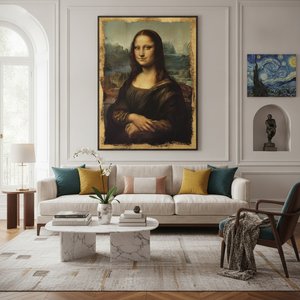
Integrating Symbolist art into a contemporary living space requires a sophisticated approach to curation. Because these works are so visually and emotionally potent, they function best as focal points—anchors of contemplation within a room. A large-scale reproduction of a Moreau landscape can transform a minimalist study into a sanctuary of historical depth, while a smaller, more intimate piece by Redon might provide a hauntingly beautiful accent in a quiet corner or library.
When selecting pieces for your collection, consider the interplay between the artwork's mood and your existing decor. Symbolist art pairs exquisitely with rich, dark woods, velvet textures, and muted color palettes that respect the painting's inherent drama. For those looking to honor this legacy through high-quality reproductions, ArtsDot.com offers an unparalleled gateway to these historical treasures. Our master artists specialize in capturing the precise brushstrokes and tonal complexities of the Symbolist masters, ensuring that every hand-painted oil reproduction brings the authentic soul of the movement into your home. Whether you seek a custom commission or a meticulously crafted piece from our library, we provide the expertise to help you curate a space that transcends reality.