Stripping the Noise: Why Monochrome Cuts Through the Digital Chaos
In an era defined by hyper-saturated screens, neon advertisements, and a relentless flood of high-definition color, our visual landscape has become incredibly loud. We are constantly bombarded by a spectrum of light that demands attention but often lacks depth. This is precisely why black and white photography hits harder than ever. By stripping away the distraction of hue, monochrome art forces us to confront the raw essence of the subject. It acts as a visual filter, removing the superficial layers of color that often mask the true character of a scene. When you remove the red of a rose or the blue of a sky, you are left with something much more profound: the structural truth of the world.
This reduction is not a loss, but a liberation. Without the sensory overload of a full color palette, the eye is free to wander through the nuances of value and tone. It creates a psychological space where the viewer can focus on the fundamental elements of composition. In the context of modern pop culture—where everything is designed to be "eye-catching" through brightness—the monochrome aesthetic offers a sophisticated rebellion. It provides a moment of clarity, a chance to breathe in a world that is otherwise visually overwhelming. It turns a simple image into a meditative experience, proving that sometimes, less is infinitely more.
The Architecture of Light: Mastering Contrast, Texture, and Form
To understand the power of the grayscale, one must look past the absence of color and toward the presence of light. Black and white photography is, at its core, the art of sculpting with shadows. Without color to define boundaries, the artist relies on contrast to create depth and dimension. We see this in the way a single beam of light can carve a figure out of total darkness, or how the transition from deep blacks to brilliant whites creates a sense of three-dimensional volume on a two-dimensional plane. This interplay is what gives monochrome works their legendary "punch."
Texture becomes the protagonist in this colorless drama. In a color photograph, texture can sometimes be secondary to the vibrancy of the palette; however, in black and white, every grain, every wrinkle, and every weathered surface is amplified. Consider the gritty, urban textures found in works like Andrzej Rożycki’s ‘The Forge’, where the starkness highlights the decay and isolation of the environment. Or look at the delicate, tactile intimacy in Tina Modotti’s studies of roses, where the absence of color allows the velvety softness of the petals to become almost tangible. By focusing on light, shadow, and form, monochrome photography builds a structural integrity that color often obscures, turning simple shapes into powerful architectural statements.
From Street Grit to High Fashion: The Versatility of the Grayscale Aesthetic
The beauty of the monochrome aesthetic lies in its incredible range. It is a stylistic chameleon, capable of shifting from the raw, documentary realism of the streets to the polished, high-concept allure of fashion editorials. In the realm of street photography, black and white captures the fleeting, unscripted moments of urban life with a sense of timelessness. Arjun Bijlani’s work, for instance, uses grainy textures and reflections to capture the contemplative soul of the city, turning a mundane windshield reflection into a poignant piece of visual poetry. There is no era or location that cannot be elevated by this lens; it lends a sense of historical weight to even the most contemporary scenes.
Conversely, in the world of high fashion and luxury design, black and white serves as the ultimate tool for sophistication. It strips away the "trendiness" of seasonal colors, leaving behind an image that feels permanent and iconic. This versatility allows collectors to use monochrome art to bridge different styles within a single space. Whether it is the minimalist, unsettling study of everyday objects seen in Christine Lamson Dean’s ‘Underpants Monochrome’ or the sweeping, historical grandeur of Thomas Annan’s Victorian cityscapes, the grayscale palette provides a cohesive thread that can connect street-level grit with high-end elegance.
Emotional Resonance: Capturing Raw Human Truth Without Color
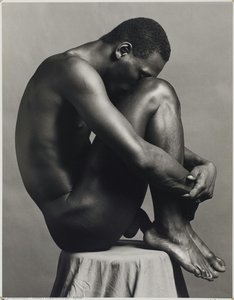
Color is often used to evoke specific, programmed emotions—red for passion, blue for sadness, yellow for joy. While effective, this can sometimes feel manipulative or predictable. Black and white photography bypasss these immediate emotional triggers to reach a deeper, more visceral level of human truth. By removing the emotional "labels" provided by color, the viewer is forced to engage with the subject's expression, posture, and the atmosphere created by light and shadow.
This creates an intimacy that is difficult to replicate in color. There is a vulnerability in the monochrome portrait, a sense that we are seeing something unadorned and honest. The shadows can hide as much as they reveal, inviting the viewer to participate in the storytelling process. This emotional depth is why monochrome remains a staple for capturing profound human experiences—from the joy of a wedding to the starkness of social commentary. It captures the "soul" of the moment rather than just its appearance, making the image feel less like a recording of an event and more like a memory of a feeling.
Curating the Void: How Black & White Art Elevates Modern Interiors
For the modern decorator and art enthusiast, black and white photography is the ultimate tool for creating a curated, high-impact interior. In contemporary design, where bold colors and complex textures often compete for dominance, monochrome art acts as a sophisticated anchor. It provides a visual "rest point" that prevents a room from feeling cluttered or chaotic. A large-scale black and white print can command attention through its sheer graphic power without clashing with the existing color palette of a space.
Integrating monochrome pieces allows for endless creative experimentation. You can pair a stark, high-contrast photograph with vibrant, pop-art accents to create a dynamic tension, or lean into a minimalist aesthetic by surrounding it with neutral tones and natural materials. The timelessness of the grayscale ensures that your collection will never feel dated. Whether you are using multi-panel layouts to cover a wide architectural feature or placing a single, intimate study in a reading nook, black and white art brings an undeniable sense of authority and curated taste to any environment.
At ArtsDot.com, we believe that every space deserves a masterpiece that speaks to its soul. Whether you are looking for the bold energy of contemporary prints or seeking to commission a custom oil reproduction that reimagines your personal memories in a timeless monochrome style, our mission is to make high-impact art accessible to everyone. From digital mockups to hand-painted perfection, we help you curate a world beyond color.