
The Aesthetic Rebellion: Breaking the Rules of Victorian Tradition
To understand the Pre-Raphaelite movement, one must first envision the stifling atmosphere of the mid-19th century British art scene. The Royal Academy, the gatekeeper of taste, favored a polished, formulaic approach—a "slosh" of muted tones and idealized compositions that prioritized academic correctness over raw truth. But in 1848, a group of young, radical rebels decided to burn the rulebook. This was not merely an artistic shift; it was a cultural insurrection. They looked backward to the era before Raphael, seeking a purity of expression found in the vibrant, unadively honest works of the early Italian masters.
This rebellion was fueled by a desire to strip away the artificiality of the Victorian era. Where the Academy offered shadows and ambiguity, the Pre-Raphaelites demanded clarity and light. They rejected the heavy, dark chiaroscuro that had become a crutch for lazy painters, opting instead for a luminous palette that felt almost hyper-real. By embracing the "primitive" sincerity of earlier centuries, they created a visual language that was simultaneously nostalgic and shockingly modern, challenging their contemporaries to look at the world with fresh, unclouded eyes.
Hyper-Realism & High Drama: The Visual Language of Detail
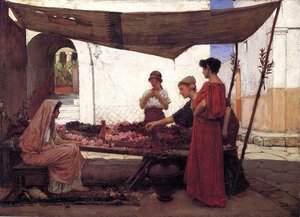
The true impact of Pre-Raphaelite Romanticism lies in its obsessive commitment to detail. For these artists, truth was found in the microscopic. A single petal, a strand of hair, or the intricate texture of a velvet gown was treated with the same reverence as the central subject itself. This level of meticulousness created a sense of hyper-realism that could be overwhelming, pulling the viewer into a space where every inch of the canvas demanded attention. It was an art of intense focus, where the boundary between the painted world and reality began to blur.
Consider the works of Sir John Everett Millais, whose ability to capture botanical precision alongside human emotion set a new standard for the era. In pieces like Effie with Foxgloves in Her Hair, the flora is not merely a background element but a living, breathing participant in the portrait’s narrative. This dedication to detail served a higher purpose: it anchored the dreamlike, romantic elements of their work in a tangible, undeniable reality. The drama was not found in exaggerated gestures, but in the quiet, vibrating intensity of a perfectly rendered leaf or the sharp, clear light hitting a porcelain cheek.
Myth, Mystery, and Melancholy: Navulating Symbolic Narratives
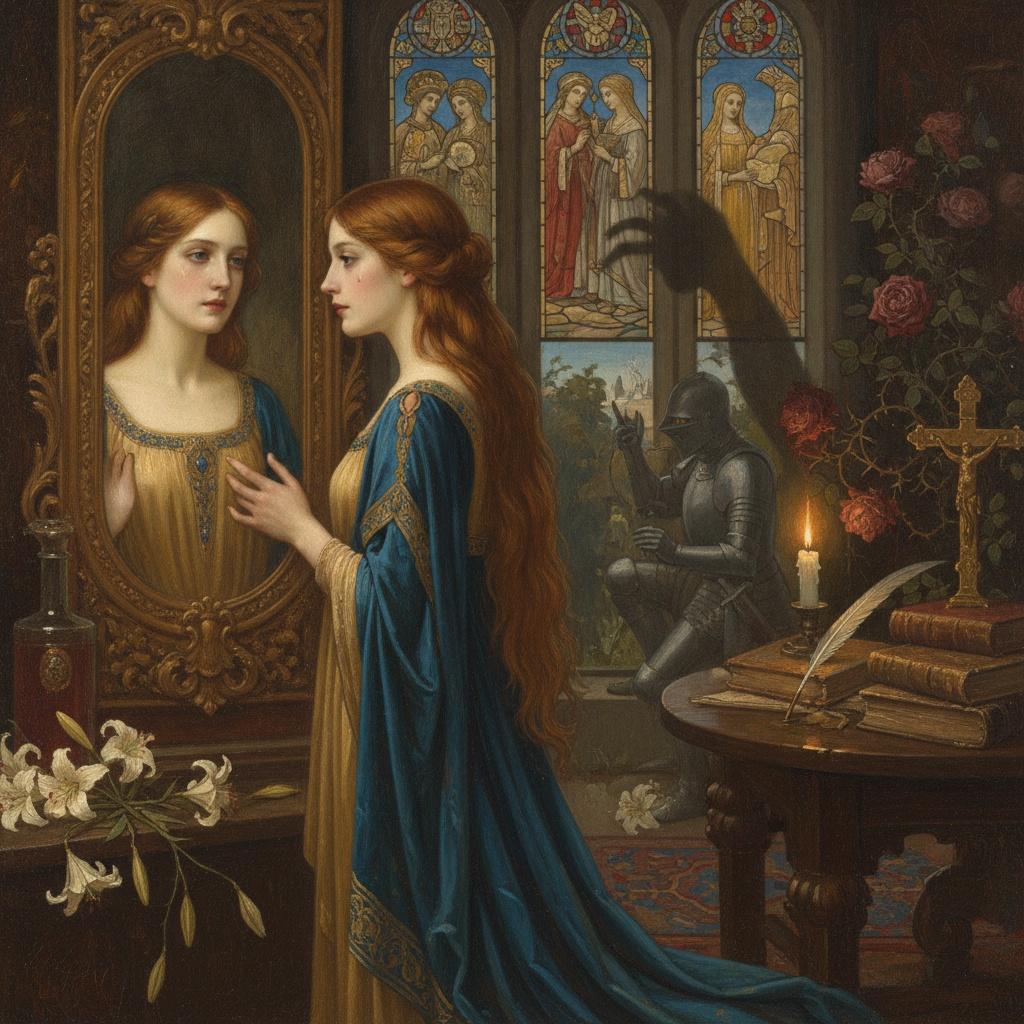
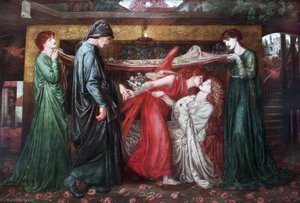
Beyond the surface level of technical perfection, the Pre-Raphaelites wove complex webs of symbolism into their compositions. They were masters of the "hidden narrative," where every object—a wilted flower, a specific bird, or a particular color of fabric—carried a heavy weight of meaning. This movement was deeply intertwined with literature and mythology, drawing inspiration from Shakespeare, Keats, and the Arthurian legends to explore themes of love, loss, and the inevitable passage of time.
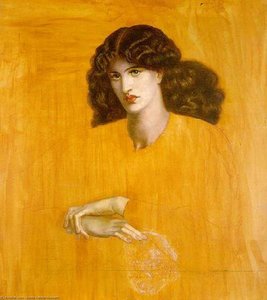
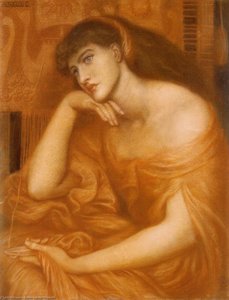
Dante Gabriel Rossetti, perhaps the most poetic of the group, utilized this symbolic depth to create works that felt like visual incarnations of epic poems. His explorations of figures like Proserpine or the intimate, enigmatic scenes in La Bella Mano invite the viewer to decode a language of longing and fate. There is an inherent melancholy in these works, a sense of beautiful tragedy that lingers long after one has looked away. The mystery does not lie in what is hidden, but in the profound emotional resonance of what is revealed through these carefully curated symbols.
The Faces of Romanticism: Iconic Portraits and Emotional Depth
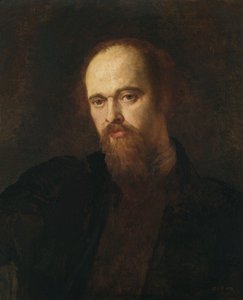
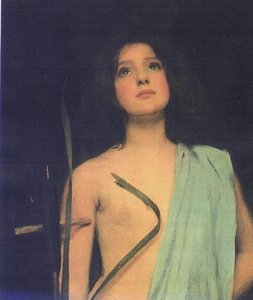
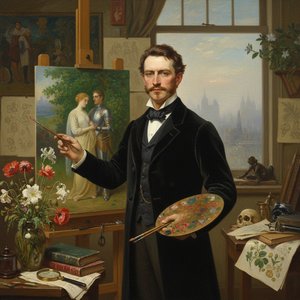
At the heart of this movement were its faces—the iconic, ethereal women and the intense, brooding men who became the archetypes of Victorian romanticism. These portraits were never mere likenesses; they were psychological studies. The artists sought to capture a specific emotional state, often one of quiet introspection or tragic beauty. Whether it was the youthful, earnest dedication seen in William Holman Hunt’s Self Portrait or the elegant, poised presence in Millais’s Twins, the focus remained on the soul behind the eyes.
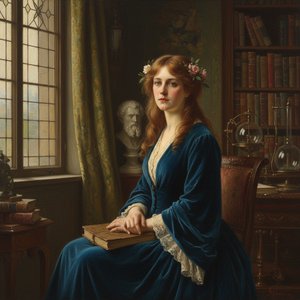
The use of light and shadow—though more controlled than the traditional methods—was employed to sculpt these faces, giving them a sculptural, almost divine quality. The portraits often featured women with flowing hair and heavy-lidded gazes, embodying a sense of "femme fatale" or "tragic muse" that captivated the public imagination. These figures became much more than subjects; they became icons of an era, representing the tension between Victorian morality and the burgeoning romanticism of the human spirit.
Modernizing the Masterpiece: Bringing Pre-Raphaelite Mood to Contemporary Spaces
While the Pre-Raphaelites were looking to the past, their influence remains strikingly relevant in the modern design landscape. The movement’s emphasis on high-impact visuals, rich textures, and deep emotional resonance aligns perfectly with contemporary tastes for bold, statement-making art. In an age of digital flatness, the tactile depth of a hand-painted oil reproduction—with its visible brushstrokes and luminous layers—offers a much-needed connection to the physical world.
Integrating these moody, romantic elements into a modern interior allows for a sophisticated "remix" of history. A large-scale Pre-Raphaelite canvas can serve as a dramatic anchor in a minimalist room, providing a focal point of intense color and narrative complexity. Whether through custom commissions that adapt historical styles to modern subjects or through the careful selection of museum-quality reproductions, the spirit of the Pre-Raphaelites continues to breathe life, mystery, and an undeniable sense of luxury into the homes of collectors worldwide.
At ArtsDot.com, we celebrate this enduring legacy by making these extraordinary works accessible to everyone. From bespoke oil paintings that capture the meticulous detail of Millais to custom portraits reimagined through a modern lens, our mission is to preserve the soul of art history. Whether you are looking for a breathtaking reproduction or wish to transform a personal memory into a masterpiece, our master artists bring the drama and depth of the Pre-Raphaelite era directly to your walls.