The Belle Époque: A Flourishing Canvas for Artistic Innovation
The Belle Époque (French pronunciation: [bɛlepɔk]) or La Belle Époque (French for 'The Beautiful Era') was a period of French and European history that began after the end of the Franco-Prussian War in 1871 and continued until the outbreak of World W...
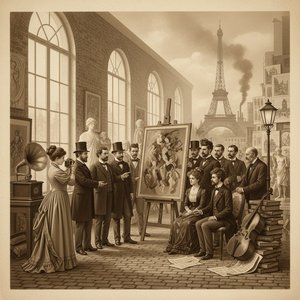
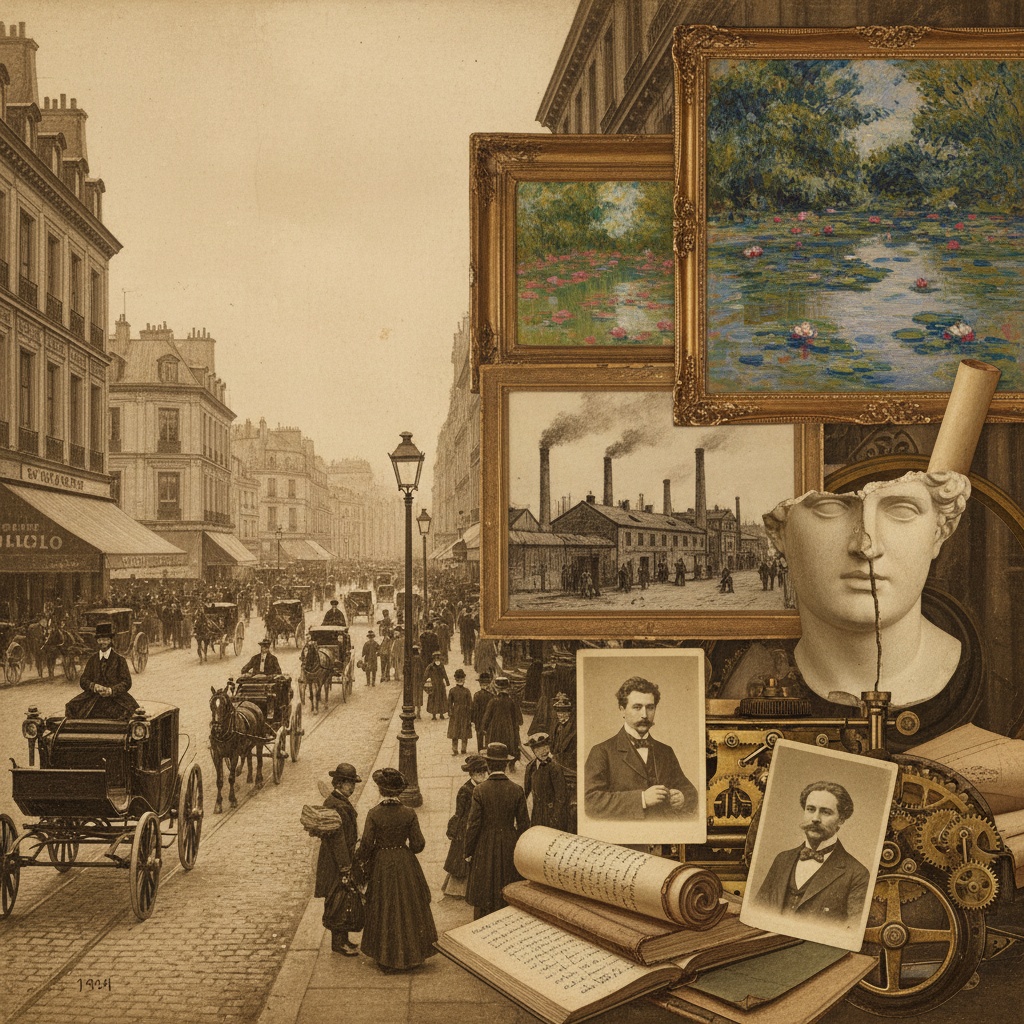
The final decades of the 19th century, a period known as the Belle Époque – “the beautiful era” – represent a fascinating intersection of optimism, technological advancement, and artistic ferment. Following the Franco-Prussian War in 1871, France experienced a remarkable surge in prosperity and cultural expression, particularly centered in Paris. This wasn’t merely an age of grand boulevards and glittering cafes; it was a crucible where traditional artistic norms were challenged, giving rise to movements that would irrevocably alter the course of modern art. The Belle Époque provided not just a backdrop but also a vital impetus for artists seeking new ways to represent the world around them, and their inner worlds too.
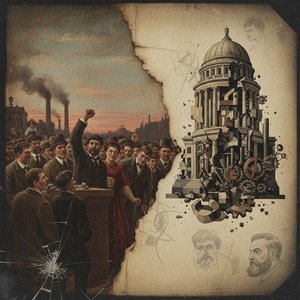
The era’s spirit was one of possibility. New technologies – electricity, photography, improved printing techniques – reshaped daily life and offered artists novel tools and perspectives. While some embraced these advancements, others reacted against them, seeking refuge in subjective experience and emotional resonance. This tension fueled the evolution from Impressionism to the diverse styles collectively known as Post-Impressionism, and beyond. The societal shifts also fostered a growing interest in psychology and symbolism, influencing artists to explore themes of alienation, desire, and the subconscious.
Impressionism's Lasting Brushstrokes: Capturing Light and Transient Moments
Impressionism was a 19th-century art movement characterized by visible brush strokes, open composition, emphasis on accurate depiction of light in its changing qualities (often accentuating the effects of the passage of time), ordinary subject matter...
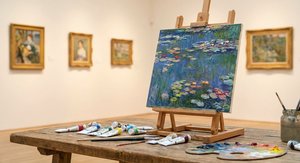
Emerging in the 1870s, Impressionism was initially met with derision. Artists like Claude Monet, Pierre-Auguste Renoir, and Alfred Sisley dared to abandon academic conventions, prioritizing the fleeting effects of light and color over precise representation. Their canvases weren’t intended as meticulous records of reality but rather as impressions – subjective responses to a particular moment in time. Visible brushstrokes, open compositions, and an emphasis on outdoor painting were hallmarks of the style. Monet's Impression, soleil levant, from which the movement derived its name, perfectly encapsulates this pursuit of capturing ephemeral beauty.
However, by the 1880s, a sense of limitation began to emerge within Impressionism’s boundaries. While masterful at depicting visual sensations, it often lacked depth and emotional weight for some artists. The desire to move beyond mere optical representation – to infuse their work with personal meaning and structural integrity – spurred the development of new approaches. Renoir's Young Woman Seated exemplifies this transition; while retaining Impressionistic luminosity, it hints at a deeper psychological presence.
Beyond Impressionism: The Rise of Post-Impressionist Visionaries
Post-Impressionism (also spelled Postimpressionism) was a predominantly French art movement which developed roughly between 1886 and 1905, from the last Impressionist exhibition to the birth of Fauvism. Post-Impressionism emerged as a reaction agains...
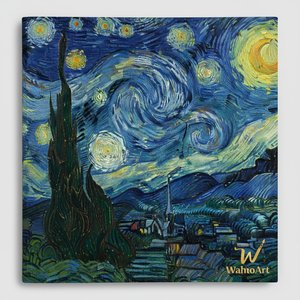
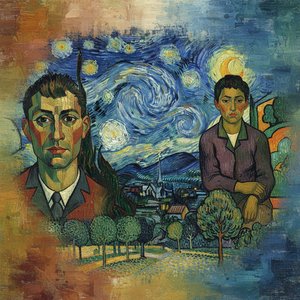
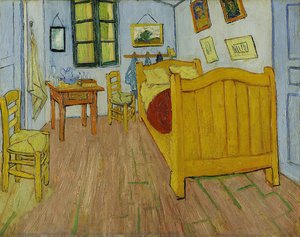
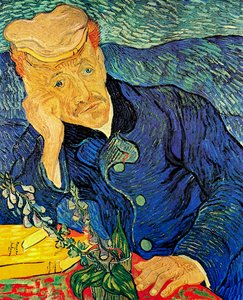
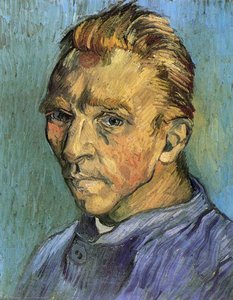
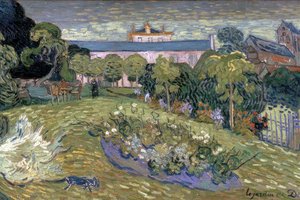
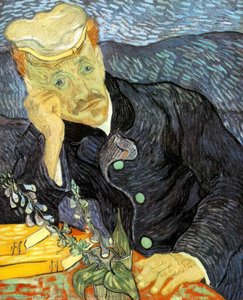
Post-Impressionism wasn’t a unified movement but rather a constellation of individual artists reacting against the perceived constraints of Impressionism. Paul Cézanne sought to restore order and solidity to painting, meticulously constructing forms from geometric shapes while retaining vibrant color. Vincent van Gogh, driven by intense emotion, employed bold brushstrokes and expressive colors to convey his inner turmoil. Georges Seurat pioneered Pointillism, a systematic technique using tiny dots of color to create optical mixtures. Paul Gauguin rejected the conventions of Western art altogether, seeking inspiration in primitive cultures and symbolic imagery.
Jules Alexandre Grun and Charles Lucien Léandre, though often overshadowed by their more famous contemporaries, played a crucial role in capturing the dynamism of Parisian life during this period. Their posters and illustrations offered a glimpse into the bustling cafes, cabarets, and streets that defined the Belle Époque aesthetic. These artists weren’t merely documenting reality; they were interpreting it through their own unique lenses.
Symbolism & Intimism: Exploring Inner Worlds in 1884’s Art Scene
As the Impressionists focused on what the eye *saw*, a parallel movement emerged that delved into what the soul *felt*. Symbolism, with artists like Gustave Moreau and Odilon Redon, sought to express abstract ideas and emotions through evocative imagery and dreamlike landscapes. This rejection of realism coincided with growing interest in psychology and the subconscious mind. Henri Le Sidaner, a key figure in Intimism – a branch of Post-Impressionism focused on domestic scenes – created atmospheric paintings that evoked feelings of nostalgia, solitude, and quiet contemplation.
The exploration of inner worlds wasn’t limited to painting. Literature, music, and theatre also embraced Symbolist themes, creating a rich cultural landscape where subjective experience reigned supreme. This shift towards introspection reflected a growing sense of alienation and uncertainty in the face of rapid modernization.
Paris as a Muse: Urban Life and the Belle Époque Aesthetic
Paris was undeniably the epicenter of the Belle Époque. The city’s grand boulevards, bustling cafes, and vibrant nightlife provided endless inspiration for artists. Jean-Georges Béraud's Hailing a Cab outside the Cafe Americain perfectly captures this energy – a snapshot of Parisian dynamism at the turn of the century. The Moulin Rouge and Folies Bergère became iconic symbols of the era’s exuberance, attracting artists, writers, and socialites alike.
However, beneath the glittering surface lay a complex reality. Édouard Cortès, often dubbed “the Painter of Paris,” depicted scenes of everyday life that revealed both the beauty and the hardship of urban existence. His paintings offer a nuanced portrayal of Parisian society, capturing the charm and grit of its streets.
Collecting the Spirit of '84: Investing in an Era of Transformation
The art of the Belle Époque offers more than just aesthetic pleasure; it provides a window into a pivotal moment in history. Collecting works from this period is not simply acquiring beautiful objects but investing in a legacy of innovation and cultural transformation. Whether you’re drawn to the luminous landscapes of the Impressionists, the expressive power of Van Gogh, or the evocative symbolism of Le Sidaner, these artworks represent a unique confluence of artistic vision and historical context.
At ArtsDot.com, we specialize in bringing the masterpieces of history to your home. Our handmade oil paintings and museum-quality prints are crafted with meticulous attention to detail, ensuring that you experience the beauty and emotion of these iconic works for generations to come. Explore our collection today and discover the spirit of 1884 – a time when art truly came alive.