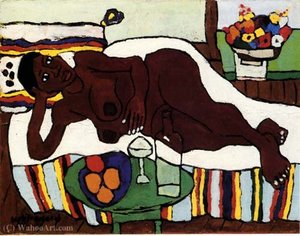
Early Life & Parisian Influences: The Fauvist Spark
Marguerite Thompson Zorach’s journey to becoming a defining voice of American Modernism began not with grand pronouncements, but with a quiet curiosity nurtured in the landscapes of California and ultimately ignited by the vibrant energy of Paris. Born in 1887, her early education instilled a broad appreciation for the arts – music lessons alongside Latin studies foreshadowed a multifaceted creative spirit. However, it was the family’s relocation to Fresno that truly sparked her artistic inclinations, though initial encouragement came with expectations of conventionality. The pivotal moment arrived during her time at Stanford University, where an invitation from her aunt Harriet Adelaide Harris provided passage to France in 1908. This wasn't merely a geographical shift; it was an immersion into the heart of avant-garde thought.
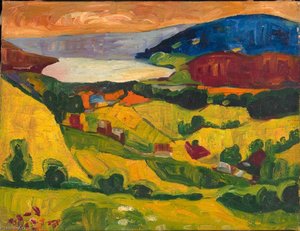
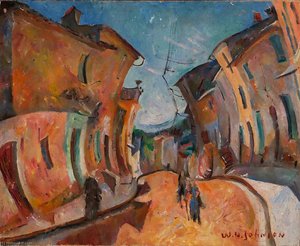
Paris in the early 20th century was a crucible of artistic innovation, and Zorach found herself immediately captivated by the Salon d’Automne. The works of Henri Matisse and André Derain – the Fauves, or “wild beasts” – were a revelation. Their bold, arbitrary use of color, their instinctive brushwork that prioritized emotional expression over strict representation, resonated deeply with Zorach's burgeoning artistic sensibility. Unlike many aspiring artists who sought formal training at institutions like the École des Beaux-Arts (from which she was initially barred for lacking academic nude studies), Zorach gravitated towards the more progressive Académie de La Palette. There, under the guidance of John Duncan Fergusson and Jacques-Emile Blanche, she was encouraged to cultivate her own unique style, a freedom that proved transformative.
Her early Parisian works already hinted at the vibrant palette and dynamic compositions that would become hallmarks of her oeuvre. Socializing with figures like Pablo Picasso and Gertrude Stein further fueled her artistic exploration, exposing her to the cutting edge of Cubist thought. This period wasn’t simply about adopting a style; it was about absorbing influences and forging a distinctly personal vision – one poised to bridge European innovation with an emerging American aesthetic.
A Collaborative Vision: William & Marguerite Zorach's Artistic Partnership
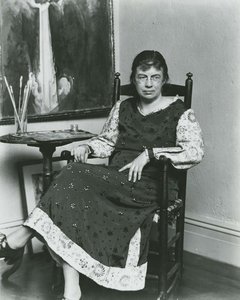 Marguerite Zorach
Discover Marguerite Zorach (1887-1968), a pivotal American Fauvist painter & textile artist! Explore her bold colors, modernist landscapes, and influence on early 20thC art. Logan Medal winner!
The story of Marguerite Zorach is inextricably linked to that of her husband, William Zorach. Their meeting at the Académie de La Palette in Paris marked not just a romantic connection but a profound artistic synergy. William, immediately struck by Marguerite’s passionate individuality and “wild” paintings, recognized a kindred spirit – someone who challenged conventional norms with fearless creativity. Their marriage in 1912 was more than a personal union; it was the beginning of a decades-long collaboration that would shape the landscape of American Modernism.
The couple’s shared participation in the seminal 1913 Armory Show solidified their presence on the American art scene. Both contributed works that challenged prevailing tastes and introduced audiences to new forms of expression. However, their partnership extended far beyond simply exhibiting alongside one another. They actively engaged in a dialogue about art, technique, and philosophy, pushing each other’s boundaries and experimenting with diverse mediums. This collaborative spirit wasn't limited to painting; they also delved into poetry, exploring the intersection of visual and literary forms.
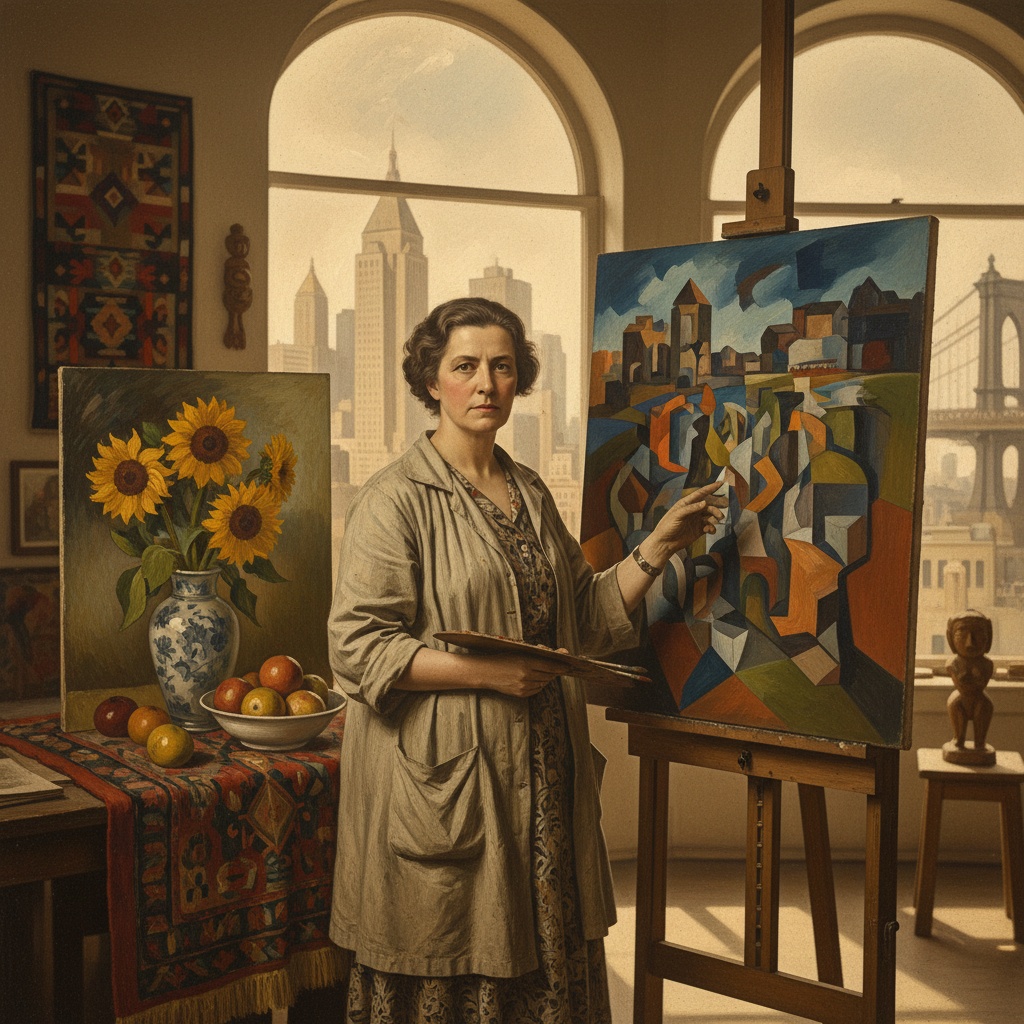
The Zorachs created a vibrant artistic haven in their Greenwich Village home, affectionately known as the “Post-Impressionist” studio. It became a gathering place for artists, writers, and intellectuals, reminiscent of the salons of Paris. This exchange of ideas fostered a uniquely American brand of Modernism – one that embraced innovation while remaining grounded in personal experience.
Beyond Cubo-Futurism: Integrating Indigenous Aesthetics and American Identity
American modernism, much like the modernism movement in general, is a trend of philosophical thought arising from the widespread changes in culture and society in the age of modernity. American modernism is an artistic and cultural movement in the Un...
While initially influenced by the dynamism of Cubo-Futurism, Marguerite Zorach’s artistic trajectory quickly transcended simple categorization. A pivotal journey with her aunt in 1911–12 to Jerusalem, Egypt, India, Burma, China, Hong Kong, and Japan proved profoundly influential. This wasn't a mere grand tour; it was an immersive experience that broadened her perspective and fundamentally altered her artistic approach. She documented her experiences through articles for the Fresno Morning Republican, but more importantly, she absorbed the visual languages of these diverse cultures.
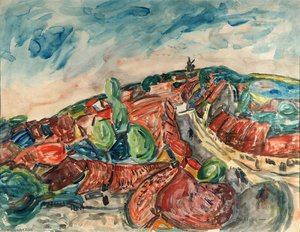
The landscapes and artifacts encountered during this journey led Zorach to experiment with abstraction, often pushing towards flattened forms and intensely saturated colors. This wasn’t simply a stylistic choice; it was an attempt to capture the essence of these places – their spiritual energy, their unique textures, and their departure from Western conventions. Upon her return to California, she began incorporating elements of indigenous art into her work, recognizing its power and authenticity.
This integration of non-Western aesthetics marked a significant turning point in Zorach’s career. She wasn't simply appropriating styles; she was actively seeking to create an authentically American Modernism – one that acknowledged the diverse cultural influences shaping the nation’s identity. This commitment to originality and self-expression would become a defining characteristic of her work, setting her apart from many of her contemporaries.
Zorach’s Diverse Mediums: Painting, Textiles, and the Expansion of Modern Art
Marguerite Zorach wasn't confined by the boundaries of traditional artistic mediums. While celebrated for her Fauvist paintings, she also made significant contributions to textile art and graphic design, demonstrating a remarkable versatility and willingness to explore new forms of expression. This expansion beyond painting was not accidental; it stemmed from a desire to integrate art into everyday life.
Her textiles, often characterized by bold geometric patterns and vibrant colors, were more than decorative objects. They represented an attempt to bring Modernist aesthetics into the domestic sphere, transforming functional items into works of art. Similarly, her graphic designs reflected her commitment to accessibility, making art available to a wider audience. This holistic approach – encompassing painting, textiles, and design – challenged the traditional hierarchy of artistic disciplines.
The sketchbooks from this period reveal a restless creative energy, filled with studies for paintings, textile patterns, and explorations of form and color. A pencil sketch of a bustling kitchen interior, for example, demonstrates her ability to capture raw realism and domestic charm in an unfinished drawing. These works offer a glimpse into her artistic process, revealing the underlying principles that guided her diverse creations.
The Logan Medal & Legacy: Cementing a Place in American Art History
In 1920, Marguerite Zorach received the prestigious Logan Medal of the Arts, a recognition that cemented her place as a leading figure in American Modernism. This award wasn’t simply for a single work; it acknowledged her sustained contributions to the field and her pioneering spirit. It was a validation of her unique vision – one that bridged European influences with an authentically American sensibility.
Throughout the 1920s and beyond, Zorach continued to exhibit widely, gaining recognition for her bold colors, dynamic compositions, and innovative use of materials. Her work can be found in major museum collections across the United States, including the Smithsonian and the Art Institute of Chicago. Her influence extended beyond her own artistic creations; she inspired a generation of artists to embrace originality and explore new forms of expression.
Today, Marguerite Zorach is recognized as a pivotal figure in the development of American Modernism – a true pioneer who challenged conventions and expanded the boundaries of art. Her legacy continues to inspire collectors and scholars alike, reminding us of the power of artistic vision and the importance of embracing cultural diversity.
Collecting Zorach Today: A Guide for Connoisseurs
For discerning collectors seeking to acquire a piece of American Modernist history, Marguerite Zorach’s work presents a compelling opportunity. Her paintings, textiles, and graphic designs offer a diverse range of options, each reflecting her unique artistic sensibility. Early Fauvist works from her Parisian period are particularly sought after for their vibrant colors and dynamic compositions.
Linocuts like “The Dance” (1917) demonstrate her mastery of printmaking techniques and capture the energy of modern movement. Textiles from the 1920s offer a more accessible entry point into her oeuvre, showcasing her innovative use of pattern and color. When considering an acquisition, it’s important to research provenance – understanding the work’s history of ownership can add significant value.
At ArtsDot.com, we specialize in providing high-quality reproductions of masterpieces like those created by Marguerite Zorach. Whether you are seeking a handmade oil painting, a museum-quality print, or a custom reproduction tailored to your specifications, our team is dedicated to delivering exceptional results. Explore our collection today and discover the enduring beauty and power of Marguerite Zorach’s art. We offer free art consultations to help guide your selection and ensure that you acquire a piece that perfectly complements your aesthetic vision.