The High Renaissance Zenith: A Foundation of Harmony and Proportion
 Renaissance art
Renaissance art (1350 – 1620) is the painting, sculpture, and decorative arts of the period of European history known as the Renaissance, which emerged as a distinct style in Italy in about AD 1400, in parallel with developments which occurred in phi...
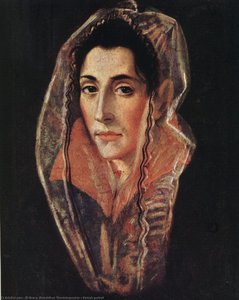
To understand the profound rupture that Mannerism introduced to the European consciousness, one must first contemplate the era of absolute equilibrium that preceded it. The High Renaissance represented a pinnacle of human achievement, a golden age where the works of Leonardo da Vinci, Raphael, and early Michelangelo established a visual language of divine stability. This was an era defined by mathematical proportion, naturalistic anatomy, and a sense of profound clarity. In the masterworks of this period, composition often adhered to the stable, pyramidal structure, creating a sense of permanence and grace that mirrored the perceived order of the universe itself.
During this epoch, light was utilized with atmospheric softness, and every limb, landscape element, and architectural detail served to reinforce a sense of naturalistic truth. The artists sought to capture not just the physical world, but an idealized version of it—a perfection where balance and clarity reigned supreme. This period of stability provided the essential foundation upon which all subsequent European art would react, creating a standard of beauty so high that the next generation of creators felt compelled to move beyond mere imitation toward something far more complex and intellectually challenging.
The Mannerist Departure: Embracing Tension, Distortion, and Artifice
 Mannerism Explained: The Dramatic Evolution of Renaissance Art and the Rise of El Greco
Beyond Harmony: Defining the Mannerist Departure from High Renaissance Perfection To understand the profound shift that occurred during the transition from the High Renaissance to Mannerism, one must first contemplate the era of absolute equilibrium ...
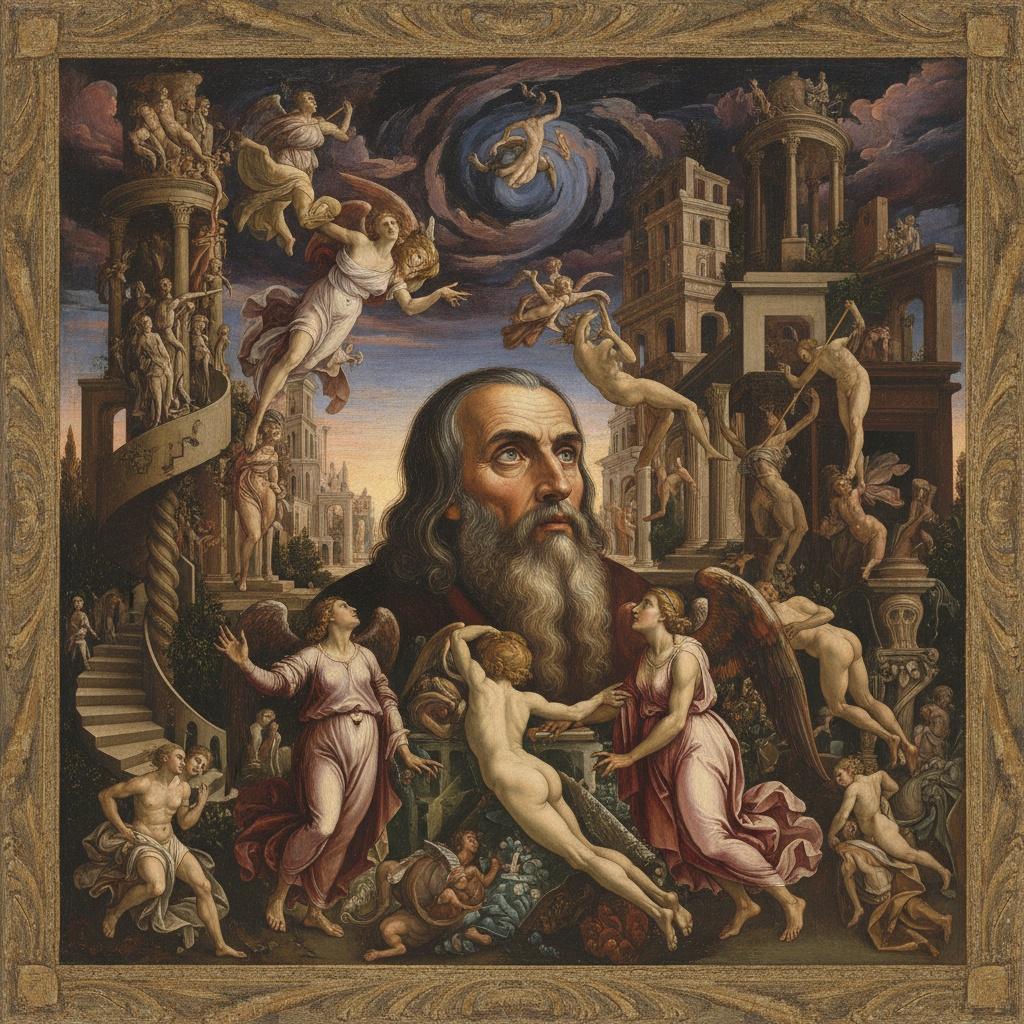
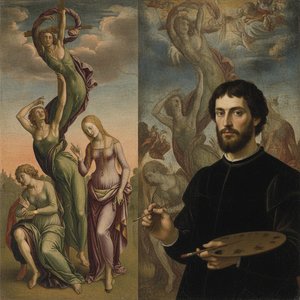
As the 16th century progressed, a palpable sense of cultural exhaustion began to settle over the artistic centers of Italy. The achievements of the High Renaissance were so monumental that they seemed almost insurmountable, leading a new generation of artists to seek expression through departure rather than adherence. Emerging around 1520 and spreading widely by 1530, Mannerism—derived from the Italian maniera, meaning style or manner—rejected the harmonious ideals of their predecessors in favor of something far more provocative. Where the Renaissance emphasized proportion and ideal beauty, Mannerism embraced exaggeration, asymmetry, and an unnaturally elegant artifice.
This was a movement characterized by compositional tension and instability. The serene landscapes and balanced figures of the previous era were replaced by elongated forms, crowded and swirling compositions, and a deliberate manipulation of perspective that often left the viewer in a state of beautiful disorientation. Mannerist artists privileged intellectual sophistication and a highly florid style, moving away from naturalism toward a more conceptual and stylized reality. It was an art of grace stretched to its limits, where elegance became a tool for exploring the complexities of human emotion and the spiritual unknown.
El Greco: The Synthesis of Byzantine Spirit and Mannerist Drama
 El Greco: Spirituality, Style & Innovation – A Renaissance Master's Legacy
The Cretan Roots of a Singular Vision: El Greco’s Early Life & Training Wikipedia: El Greco Doménikos Theotokópoulos (Greek: Δομήνικος Θεοτοκόπουλος, IPA: [ðoˈminikos θeotoˈkopulos]; 1 October 1541 – 7 April 1614), most widely known as El Greco (Span...
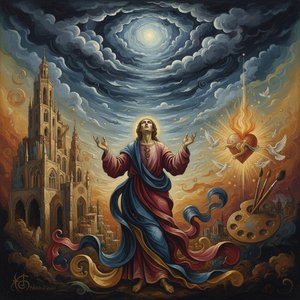
Amidst this era of stylistic upheaval, few figures emerged as singularly compelling as Doménikos Theotokópoulos, known to history as El Greco. His artistic journey was a restless exploration that defied easy categorization, weaving together the disparate threads of various cultural traditions into a singular, visionary tapestry. Born on the sun- drenched island of Crete in 1541, his early training was steeped in the rich, meticulous traditions of Byzantine iconography. This foundation instilled in him a profound understanding of religious symbolism and a reverence for the spiritual weight of the image—a quality that would remain the heartbeat of his work even as he moved into the Western tradition.
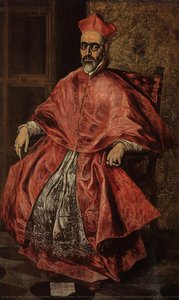
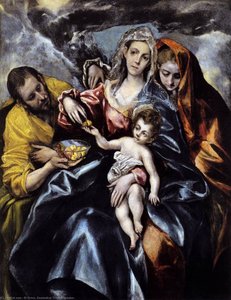
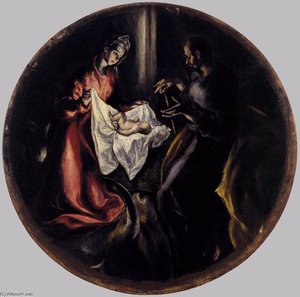
As El Greco traveled through Venice and Rome, he absorbed the innovations of the Italian masters. From the Venetians, such as Titian and Tintoretto, he learned the power of dramatic lighting and the sensuality of oil paint; from his encounters with Roman Mannerism, he adopted the use of elongated forms and distorted perspectives. However, it was in Toledo, Spain, that these influences truly ignited. In the atmosphere of the Counter-Reformation, El Greco synthesized his Byzantine roots with Renaissance technique and Mannerist drama to create a style that pulsates with spiritual intensity. He did not merely paint what he saw; he painted what he felt, creating windows into a soul ablaze with faith.
Mastering the Unnatural: Analyzing El Greco’s Use of Light and Form
 The Purification of the Temple 2
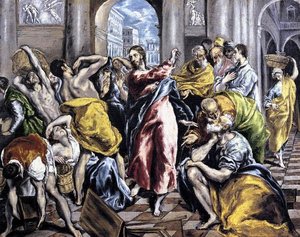
The Tempestuous Vision of El Greco’s “Purification of the Temple” Doménikos Theotokópoulos, universally known as El Greco – “the Greek” – wasn't merely a painter; he was a conjurer of emotion, a master of distortion, and a visionary who anticipated m...
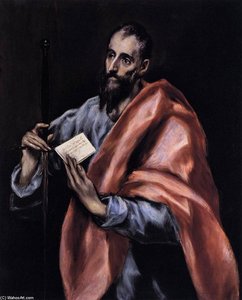
The brilliance of El Greco lies in his ability to use distortion not as a flaw, but as a profound expressive tool. In masterpieces such as Apostle St Philip or The Purification of the Temple, the artist employs elongated, contorted figures that seem to defy gravity and earthly physics. These are not realistic representations intended to mimic anatomy; rather, they are embodiments of spiritual fervor, stretching toward the divine with an almost hallucinatory quality. His use of diagonal lines creates a powerful sense of movement, a swirling vortex of energy that draws the viewer into the heart of biblical drama.
Furthermore, his manipulation of light and color serves to heighten this emotional landscape. El Greco’s palette often vibrates with a spiritual fervor, utilizing colors that seem to emerge from a hazy, mysterious darkness. By deliberately flattening the perspective and sacrificing spatial accuracy for emotional impact, he creates an atmosphere where the boundaries between the earthly and the divine begin to dissolve. His work anticipates the emotional intensity of Expressionism by centuries, using the very fabric of light and form to communicate the weight of spiritual responsibility and the struggle between order and chaos.
From Renaissance Stability to Baroque Fervor: The Enduring Legacy of Mannerism
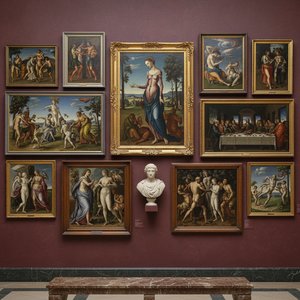 Mannerism's Masters: 10 Artworks That Redefined Renaissance Style | ArtsDot
Introduction To gaze upon the masterpieces of Mannerism is to enter a world suspended between the High Renaissance’s harmonious ideals and the Baroque’s dramatic fervor. It's a realm where elegance stretches into artifice, balance yields to dynamic t...
The transition from the High Renaissance through Mannerism eventually paved the way for the arrival of the Baroque, a style that would replace Mannerist tension with even greater dramatic fervor and theatricality. Yet, the legacy of Mannerism remains an essential chapter in the evolution of Western art. It represents the moment when art moved beyond the observation of nature to the exploration of the psyche, proving that the artist's internal vision could be just as potent as the external reality.
For the modern collector and art enthusiast, the works of this era offer an unparalleled masterclass in emotion and innovation. Whether through the balanced perfection of a Renaissance portrait or the haunting, elongated beauty of an El Greco original, these paintings continue to resonate because they speak to our deepest human longings. At ArtsDot.com, we celebrate this enduring legacy by offering museum-quality, hand-painted reproductions that allow you to bring this profound history into your own space. Our master artists specialize in capturing the very essence of these eras—from the delicate brushstrokes of the Renaissance to the dramatic, textured impasto required for a true Mannerist masterpiece—ensuring that the soul of art history remains accessible to all.