
The Psychology of Serenity: How Landscape Art Influences Interior Well-being
Interior design psychology is a field within environmental psychology, which concerns the environmental conditions of the interior. It is a direct study of the relationship between an environment and how that environment affects the behavior of its i...
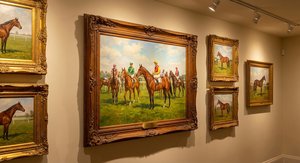
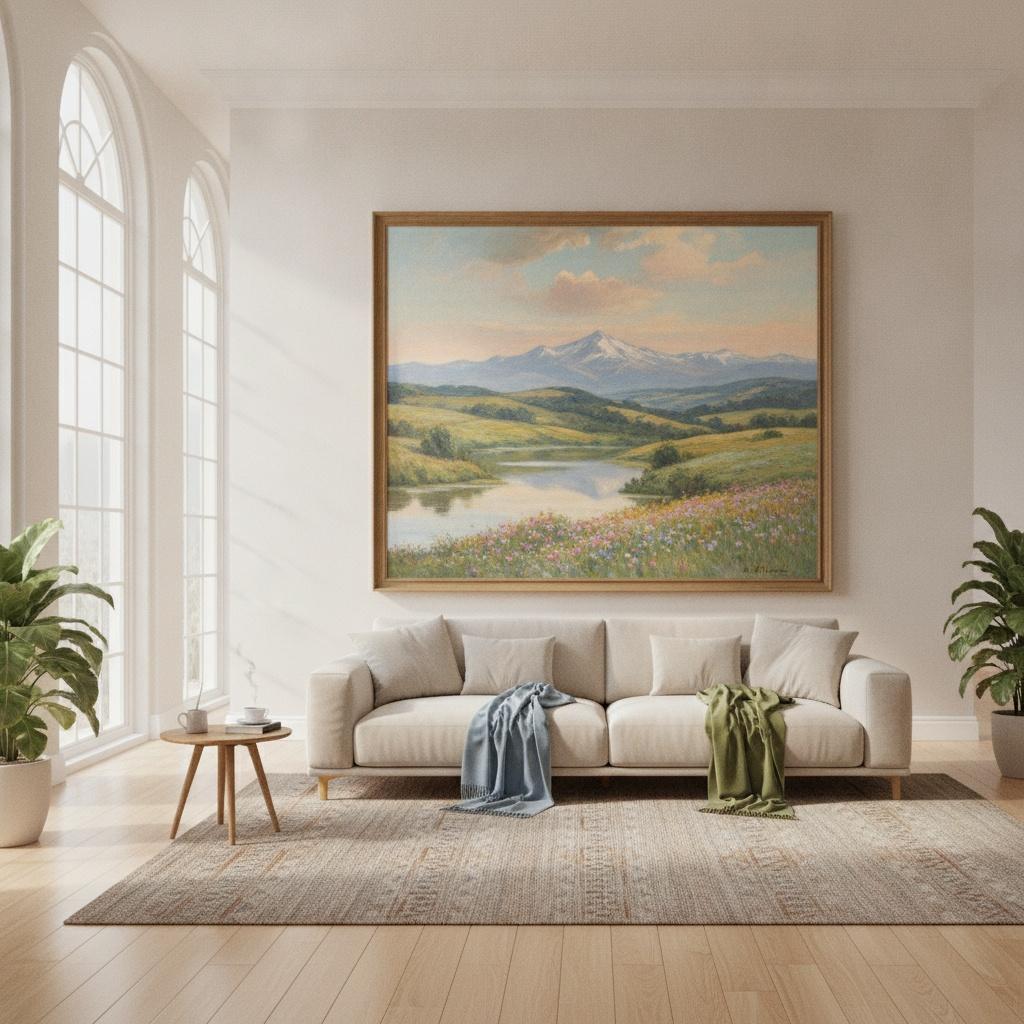
In the modern era, our domestic environments often serve as the final frontier against the relentless pace of industrial life. As we seek to cultivate a sanctuary within our homes, the science of interior design psychology reveals that the visual stimuli surrounding us profoundly dictate our emotional equilibrium. The relationship between an inhabitant and their environment is not merely aesthetic but deeply physiological; the presence of expansive, natural imagery can lower cortisol levels and foster a sense of profound stability. When we introduce landscape art into a living space, we are doing more than decorating a wall; we are implementing a deliberate psychological tool designed to maximize well-being through the regulation of personal space and visual tranquility.
The concept of environmental psychology suggests that the textures and vistas we inhabit can mitigate the stresses of urban crowding. By integrating works that depict vast horizons or lush, verdant terrains, we effectively expand the perceived boundaries of our rooms, providing a mental escape from the claustrophobia of modern architecture. This intentional curation of space allows for a restorative experience, where the eye is invited to wander through distant mountain ranges or follow the gentle curve of a stream, thereby inducing a state of meditative calm that is increasingly rare in our hyper-connected world.
Windows to the Soul: The Meditative Power of Impressionist Light and Color
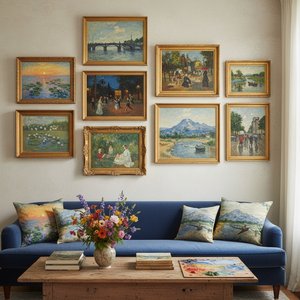 Impressionistic Landscapes: 10 Masterpieces That Changed Art & Decor
Introduction To gaze upon these ten canvases is to step directly into a world transformed by light, color, and an unprecedented embrace of the fleeting moment. The Impressionistic Landscape movement wasn’t merely a shift in painting technique; it was...
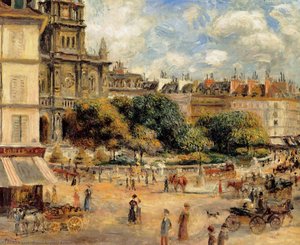
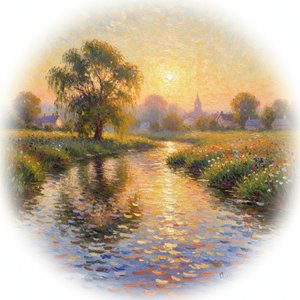
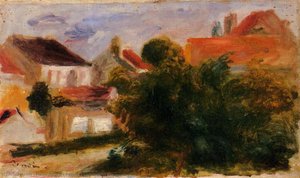
To gaze upon an Impressionist canvas is to witness a revolution in perception, where reality is no longer a fixed entity but a shimmering, subjective experience. Emerging from the mid-19th century salons of France, artists such as Claude Monet and Pierre-Auguste Renoir rejected the rigid, often somber academic traditions in favor of capturing the fleeting essence of a moment. Their technique—characterized by broken brushstrokes and a vibrant, unblended palette—allows light to dance across the surface of the canvas, creating an ethereal quality that mimics the very movement of the atmosphere. This focus on en plein air observation transforms the painting into a living entity, breathing with the warmth of the sun or the cool dampness of a morning mist.
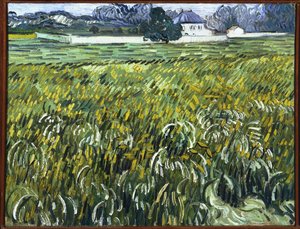
The emotional resonance of Impressionism lies in its ability to evoke sensation over literal representation. When we observe the dappled sunlight filtering through leaves or the soft, atmospheric haze of a landscape study, we are not merely looking at paint; we and experiencing a memory of light. This technique invites a profound level of introspection. The lack of sharp, aggressive outlines allows the viewer's mind to soften, mirroring the way the artist’s brushwork dissolves boundaries between earth and sky. In this way, Impressionist masterpieces act as spiritual anchors, grounding the viewer in the beauty of the present moment and offering a window into a world defined by grace and luminosity.
From the English Countryside to Tropical Paradises: A Journey Through Atmospheric Landscapes
 John Constable's Masterpieces: Explore 25 Iconic Landscapes for Your Home
Introduction To embark on a journey through the top 25 artworks of John Constable is to step into a world where the very air seems to shimmer with light and the scent of hay. These paintings are not merely depictions of the English countryside; they ...
The history of landscape painting is a profound meditation on the enduring power of place. In the early 19th century, John Constable emerged as a master of the English countryside, capturing the very air of Suffolk with such precision that one can almost smell the scent of hay and damp earth. His works were not mere topographical records but deep explorations of nostalgia and the rhythms of agricultural life, standing in quiet defiance against the encrouring Industrial Revolution. Similarly, the Northern Renaissance pioneer Joachim Patinir began to invent a new way of seeing, imbuing landscapes with a lyrical fantasy that blended naturalistic detail with symbolic depth, laying the groundwork for the genre as an independent vessel of meaning.
As the art historical narrative progressed, the subject matter expanded to encompass the exotic and the sublime. Paul Gauguin’s explorations of Martinique brought a new vitality to the canvas, utilizing bold, expressive brushwork to celebrate the lush, mountainous terrain of the Caribbean. His use of color was not just descriptive but symbolic, representing hope and the untamed allure of distant lands. From the serene, flowing streams found in the works of Ernest Lawson to the poetic, misty hills captured by Sir Alfred James Munnings, each movement has contributed a unique layer to our collective understanding of nature. Whether it is the structured beauty of a classical English meadow or the vibrant, textured foliage of a tropical paradise, these landscapes serve as universal symbols of peace and the infinite wonders of the natural world.
Curating a Sanctuary: Integrating Masterpiece Reproductions into Modern Living Spaces
 Beyond the Horizon: 10 Landscape Masterpieces for Your Home Decor
Introduction The landscape… a word that evokes not just a visual scene, but a feeling. A sense of belonging, perhaps, or the humbling vastness of nature. For millennia, artists have turned to the land – its mountains, forests, and seascapes – as a so...
Integrating fine art into a contemporary interior requires a discerning eye for composition and color. The goal is to create a cohesive dialogue between the historical weight of the artwork and the modern architecture of the home. For the serious collector, the choice often lies between the tactile depth of a handmade oil reproduction and the precision of a high-quality print. A true oil reproduction, painted on 100% cotton canvas with visible impasto brushstrokes, offers a three-dimensionally rich experience that a flat print cannot replicate. The way light catches the raised texture of the paint adds an architectural element to the room, making the artwork feel like an integral part of the building's soul.
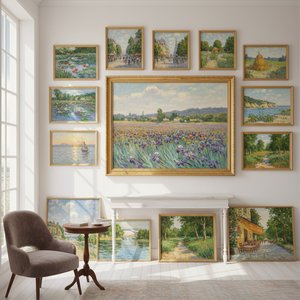
For those looking to transform a large-scale space, such as a grand staircase or a wide gallery wall, the multi-panel trend offers a sophisticated solution. Splitting a single iconic landscape across three or five panels creates a modern, rhythmic flow that directs the eye through the room. Furthermore, the ability to "remix" art history allows for unparalleled customization. One might request a personal photograph to be reimagined in the light-drenched style of Monet or even undergo a "period shift," where a contemporary image is transformed into the dramatic, chiaroscuro style of the Old Masters. This level of curation ensures that the art does not merely sit upon the wall but actively shapes the identity and tranquility of the home.
The Art of Preservation: Maintaining the Timeless Beauty of Your Fine Art Collection
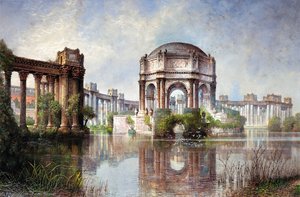 Palace of Fine Arts and the Lagoon
Admire Edwin Deakin’s ‘Palace of Fine Arts & Lagoon’. A romantic 1915 painting capturing Parisian beauty. Hand-painted reproduction available now.
Owning a piece of art history is a commitment to stewardship. To ensure that the vibrant pigments and delicate glazes of a masterpiece endure for generations, one must adhere to the principles of archival preservation. The chemistry of art is a delicate balance; the use of high-quality materials, such as safflower oils for whites to prevent yellowing and a protective coating of Damar varnish, is essential for shielding the surface from atmospheric pollutants and moisture. For collectors, protecting works from direct, harsh sunlight is paramount to preventing the fading of organic pigments.
Proper framing also plays a critical role in longevity. Utilizing acid-free matting creates a necessary air gap between the artwork and the glass, preventing the micro-climates that lead to moisture damage and foxing. Whether you are housing a heavy, gilded frame or a modern, frameless canvas wrap, the structural integrity of the supports—ensuring stretcher bars are braced against warping—is vital. By treating these reproductions with the same reverence as museum originals, you ensure that your personal sanctuary remains a vibrant, enduring testament to human creativity and the timeless allure of the natural world.
At ArtsDot.com, we are dedicated to making this level of cultural excellence accessible to all. Our mission is to preserve the legacy of the Old Masters through meticulous, hand-painted reproductions that bring the soul of the museum into your private residence. From custom commissions that transform personal memories into oil masterpieces to large-scale murals for architectural wonders, our artists—each a specialist in their genre—work to ensure every brushstroke meets the highest academic standards. We invite you to explore our curated library and begin your journey in creating a home defined by beauty, history, and peace.