The Twilight of Byzantium: Breaking from Stylized Traditions
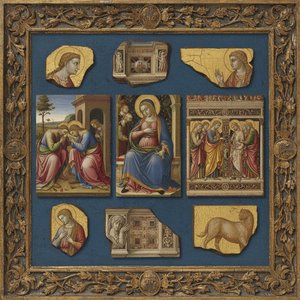 Proto-Renaissance Masters: 10 Artworks That Changed History | ArtsDot
Introduction Imagine stepping back in time to a world poised on the cusp of rebirth, where artistic conventions were beginning to crack and a new vision—one rooted in humanism, observation, and emotion—was starting to bloom. This is the world of the ...
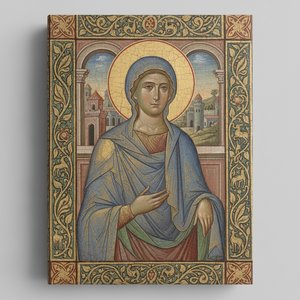
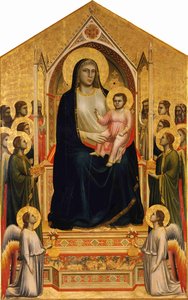
To understand the profound seismic shift of the Proto-Renaissance, one must first envision the world that preceded it—a world governed by the rigid, ethereal, and immutable aesthetics of the Byzantine tradition. For centuries, European art served as a window into the divine, yet this window was often obscured by a heavy veil of symbolism. Figures in medieval iconography were frequently depicted with elongated, weightless forms, set against impenetrable gold backgrounds that denied any sense of earthly space or temporal reality. These works were not intended to mirror the physical world, but rather to communicate theological truths through a standardized language of icons.
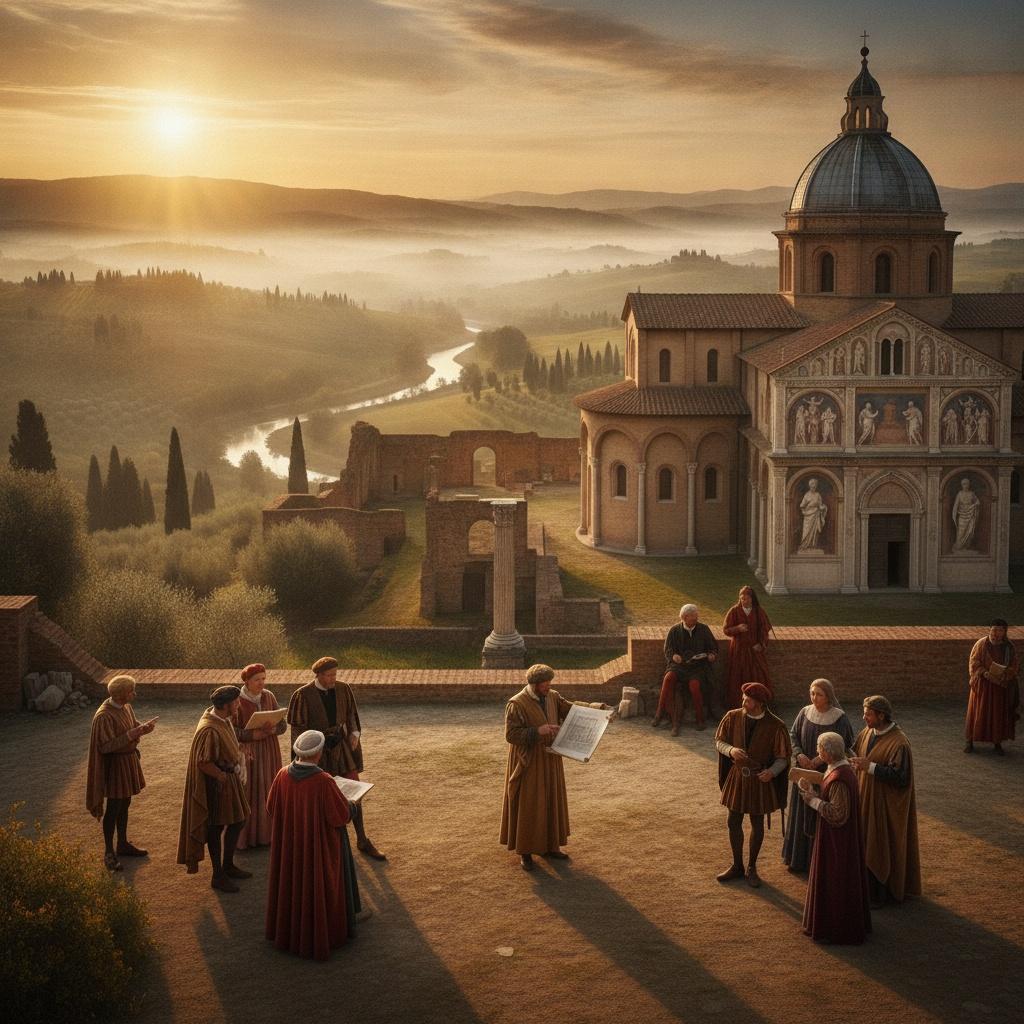
As the late 13th century approached, the Italian Peninsula began to experience a subtle yet irreversible cracking of these established conventions. The flourishing of trade and the burgeoning wealth of city-states like Florence created a new social climate where the boundaries between the sacred and the secular began to blur. Artists were no longer content with merely replicating liturgical symbols; they felt a growing impulse to ground spiritual narratives within a recognizable, human reality. This period of transition, often termed the Proto-Renaissance, represents the delicate moment when the flat, golden eternity of the Middle Ages began to yield to the textured, breathing world of the Renaissance.
Giotto di Bondone: The Architect of Human Emotion
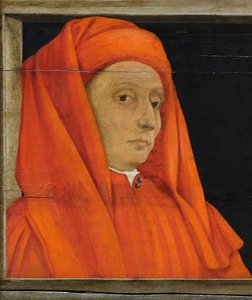 Giotto di Bondone
The Shepherd Boy of Florence: Giotto’s Revolutionary Vision Born around 1267 in the rolling hills near Florence, Italy, Giotto di Bondone emerged from humble beginnings to become arguably the most pivotal figure in the transition from medieval artist...
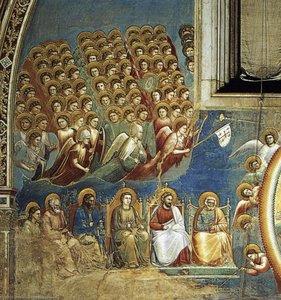
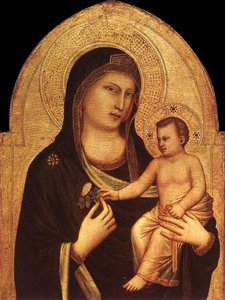
At the heart of this artistic metamorphosis stands a figure whose name remains synonymous with the birth of modern painting: Giotto di Bondone. Legend whispers of a shepherd boy in the Florentine hills, sketching lifelike sheep upon rocks, but the historical reality is far more significant. Giotto was the visionary who breathed life into the static figures of his predecessors, transforming them from mere symbols into sentient beings capable of profound psychological depth. His work serves as the bridge across which art traveled from the medieval to the modern era.
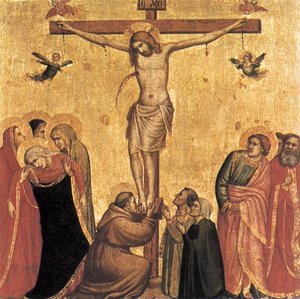
In masterpieces such as The Stefaneschi Triptych, we witness Giotto’s revolutionary command over the human experience. He did not merely paint the crucifixion; he painted the visceral response to it. Through his brush, figures like Mary Magdalene and Saint John the Baptist are rendered with a palpable sense of sorrow and compassion that resonates across centuries. This was not an abrupt revolution but a masterful infusion of weight and soul into the canvas. When observing works like The Presentation of the Infant Jesus in the Temple, one can see how Giotto utilized the medium of tempera to create a focused, reverent atmosphere, where the divine encounter is felt through the very tension of the figures' gestures.
The Rise of Humanism: A New Vision of the Individual and the Divine
 Renaissance humanism
Renaissance humanism is a worldview centered on the nature and importance of humanity that emerged from the study of classical antiquity. Renaissance humanists sought to create a citizenry able to speak and write with eloquence and clarity, and thus ...
This era was defined by more than just technical prowess; it was driven by a fundamental shift in worldview known as Renaissance Humanism. This intellectual movement, rooted in the rediscovery of classical antiquity, placed a new emphasis on the dignity, agency, and experience of the individual. While the subject matter of art remained deeply anchored in Christian narrative, the lens through which these stories were told shifted toward the human condition. The divine was no longer an unreachable abstraction but something that could be understood through the observation of nature and the complexities of human emotion.
This burgeoning interest in the natural world coincided with a growing emphasis on earthly concerns and civic life. As scholars and artists looked back to the wisdom of Greece and Rome, they sought to create a culture capable of engaging with the world through eloquence and reason. In art, this manifested as an exploration of anatomy, proportion, and the beauty of the physical form. The Proto-Renaissance masters began to treat biblical figures not as distant icons, but as protagonists in a human drama, making the sacred stories relatable to the lived experiences of their contemporary audience.
Technical Innovations: Chiaroscuro, Depth, and the Dawn of Naturalism
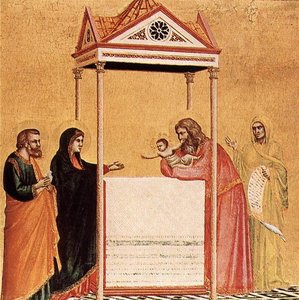 The Presentation of the Infant Jesus in the Temple
A Moment of Divine Encounter: Giotto’s “The Presentation of the Infant Jesus in the Temple” Giotto di Bondone's "The Presentation of the Infant Jesus in the Temple," created around 1320, is a pivotal work bridging the medieval and Renaissance eras. T...
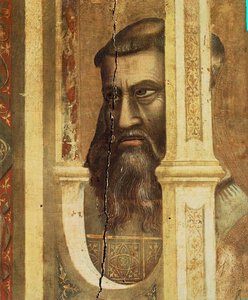
The transition toward naturalism required a new vocabulary of technique. To move away from the flattened Byzantine style, artists had to master the illusion of three-dimensional space on a two-dimensional surface. This period saw the early, experimental application of chiaroscuro—the subtle use of light and shadow to model forms and grant them volume. By manipulating light, painters could suggest the weight of a limb or the fold of a heavy drapery, giving figures a sculptural presence that had previously been absent.
Furthermore, while the sophisticated linear perspective of the later Renaissance was not yet fully realized, Proto-Renaissance artists began to experiment with spatial awareness and atmospheric perspective. They utilized subtle gradations of color and tone to create an illusion of depth, guiding the viewer’s eye into a constructed space. Whether through the arrangement of architectural elements or the careful placement of figures within a landscape, these innovators were laying the groundwork for a window-like view into another world. This technical evolution allowed for a more immersive experience, where the viewer was no longer just looking at a painting, but standing before a scene that possessed its own internal logic and physical reality.
Legacy of the Proto-Renaissance: Paving the Way for the High Renaissance Masters
 Italian Renaissance painting
Italian Renaissance painting is the painting of the period beginning in the late 13th century and flourishing from the early 15th to late 16th centuries, occurring in the Italian Peninsula, which was at that time divided into many political states, s...
The achievements of the Proto-Renaissance era provided the essential foundation upon which the giants of the High Renaissance would later build. The innovations of Giotto, Cimabue, and their contemporaries created a trajectory of progress that led directly to the unparalleled mastery of Masaccio, Leonardo da Vinci, and Michelangelo. The seeds of anatomical accuracy, emotional realism, and spatial depth were all sown during these transformative decades in Italy.
Today, we look back at this period not merely as a precursor to greatness, but as a period of profound courage—a time when artists dared to look away from the established heavens to find the divine within the human. Their work remains a testament to the power of observation and the enduring impact of the human spirit. For those who seek to surround themselves with the weight of history, these works offer an unparalleled connection to our shared heritage. At ArtsDot.com, we honor this legacy by offering meticulously hand-painted oil reproductions of these canonical masterpieces. Each piece is a labor of passion, crafted on cotton canvas by artists trained in the academic tradition, ensuring that the texture, depth, and emotional resonance of the original era are preserved for your collection.