


The Emotional Resonance of Sepia: A Study in Nostalgia and Depth
 Ephemeral Nostalgia: A Monochromatic Study in Sepia Ink and Organic Fluidity
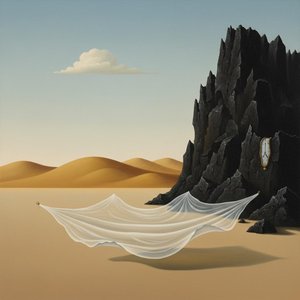
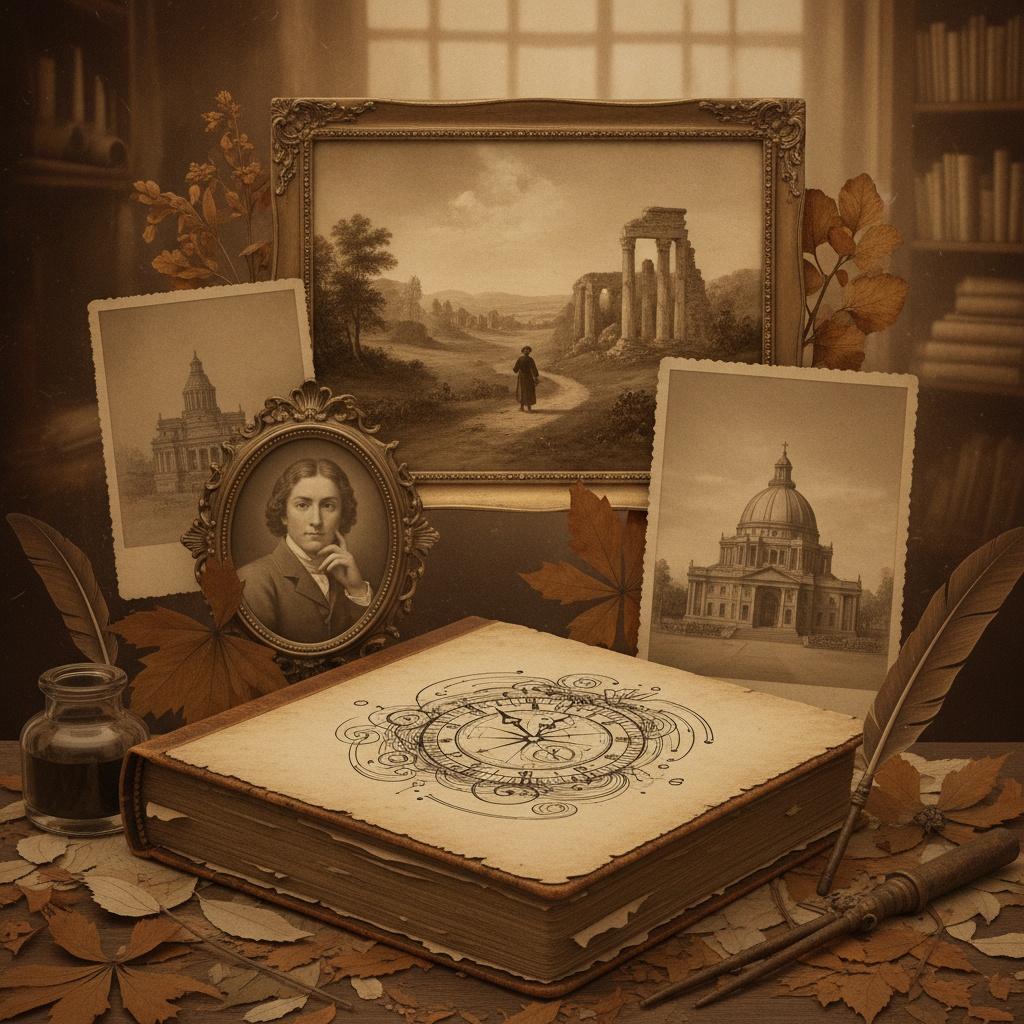
A Vision of Timeless Serenity Ephemeral Nostalgia: A Monochromatic Study in Sepia Ink and Organic Fluidity is a profound exploration of memory and form. This piece offers a sophisticated, modern reimagining of Pop Art sensibilities, moving away from ...
To gaze upon a sepia-toned masterpiece is to step through a veil of time, entering a realm where the frantic colors of the modern world dissolve into a quiet, meditative grace. There is an inherent melancholy embedded within these monochromatic studies; they do not merely depict a subject, but rather evoke the very essence of memory and the ephemeral nature of existence. Much like the contemporary works of Laurent Charpentier, which utilize evocative sepia washes to explore organic fluidity, historical masterpieces in this palette invite a sense of profound nostalgia. This is not a color of distraction, but one of introspection. The warmth of the tone acts as a visual embrace, softening the edges of reality and allowing the viewer to focus on the structural soul of the composition. In these works, we find a dialogue between control and chaos, where the subtle shifts in value create a sense of timeless serenity that vibrant saturation often obscures.
The Alchemy of Earth: From Prehistoric Pigments to Renaissance Mastery
 Sandstone & Sunlight: 10 Masterpieces of Earth-Toned Art |
Introduction Close your eyes and imagine a sun-drenched desert landscape, the warm embrace of a golden beach, or the weathered facade of an ancient ruin. These visions evoke a sense of timelessness, tranquility, and perhaps even melancholy – emotions...
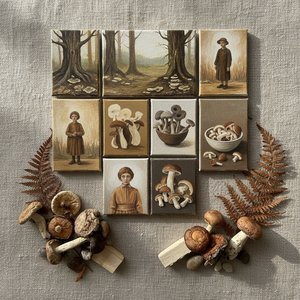
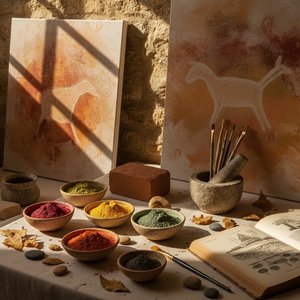
The beauty of the sepia palette is rooted in the very soil from which it was born. Long before the advent of synthetic dyes, the history of art was a history of mineralogy. The use of earthy pigments—the ochres, umbers, and siennas—dates back to the dawn of human expression in prehistoric cave paintings, where early humans utilized naturally occurring minerals to capture the spirit of their world. As we transitioned into the Renaissance, these "mushroom tones" became essential tools for the Old Masters. By employing rich earth pigments derived from natural sources, artists could achieve a grounding realism and an unparalleled warmth. These hues—deep umbers, soft grays, and muted ochres—speak to our primal connection with nature, evoking the damp earth of a forest floor or the weathered texture of ancient stone. This alchemy of earth allowed for a level of tonal depth that remains unsurpassed, providing a foundation of stability and organic truth that continues to resonate in the most celebrated works of art history.
Tonalism and the Art of Atmosphere: Capturing Light through Muted Hues
 Tonalism Explained: The Art of Mood, Mist, and Masterful Color in Landscape Painting
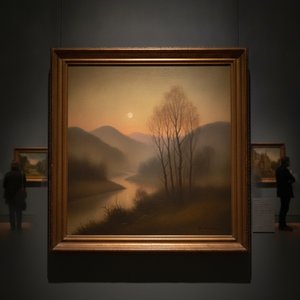
The Essence of Tonalism: Beyond Detail to Atmospheric Emotion Tonalism Tonalism was an artistic style that emerged in the 1880s.The movement was eventually eclipsed by Impressionism and European modernism. == French origins == The French Barbizon sch...
In the late 19th century, a specific movement emerged to refine this use of muted color into a sophisticated language of atmosphere: Tonalism. Emerging from the influences of the French Barbizon school, Tonalism moved away from the dramatic narratives of earlier traditions and the light-drenched energy of Impressionism. Instead, it sought to capture the "colored atmosphere" of a landscape, often depicting the world at twilight or under a veil of mist. American Tonalists, in particular, mastered the use of dark, neutral hues—grays, browns, and deep blues—to create paintings that were suggestive rather than detailed. A Tonalist work does not demand your attention with bright light; it invites you to enter a state of mind. Through the careful manipulation of low-key settings and an absence of sharp contrast, these artists achieved a sense of atmospheric emotion, where the landscape becomes a mirror for the human psyche, shrouded in mystery and quietude.
Shadows of Identity: Exploring the Human Form in Sepia-Toned Masterpieces
 luis caballero holguín
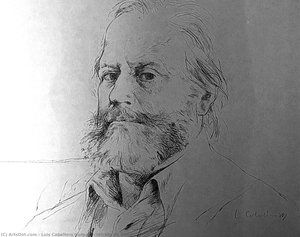
Luis Caballero Holguín: A Visionary of Masculine Sensuality Luis Caballero Holguín (August 27, 1943 – June 19, 1995) stands as one of Colombia’s most celebrated artists, recognized for his distinctive approach to figurative painting—primarily nude fi...
When applied to the human figure, the sepia palette takes on a psychological weight that is both intimate and profound. Artists such as Juan Antonio Roda and Luis Caballero Holguín utilized these muted tones to explore the complexities of the human condition, often focusing on the vulnerability of the nude form. In Roda’s work, the use of a restrained, monochromatic range evokes a sense of isolation and identity, where the skin tones are rendered with a sculptural, almost monumental quality. Similarly, Caballero Holguín utilized sepia to infuse his figurative paintings with a tension between eroticism and visceral emotion. The lack of competing colors allows the viewer to focus entirely on the interplay of light and shadow—the chiaroscuro—which defines the musculature and the emotional contours of the subject. In these works, the human body is not merely a physical entity but a landscape of emotion, rendered in the soft, enduring tones of history.
Curating Timelessness: Integrating Historical Earth Tones into Modern Spaces
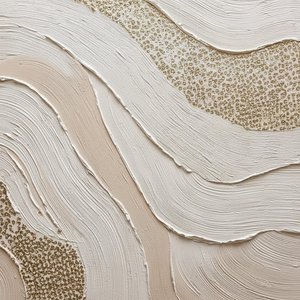
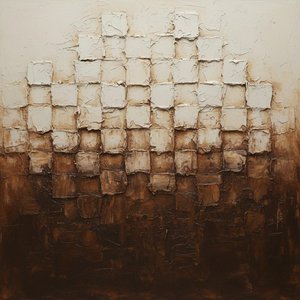
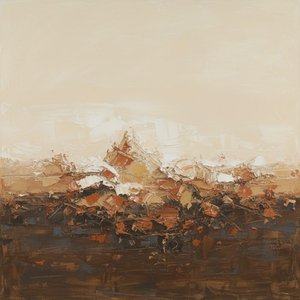 Ethereal Earth: A Monumental Study of Eroded Horizons and Sculptural Earth Tones
Experience the profound geological majesty of Ethereal Earth by Laurent Moreau, a unique abstract impasto masterpiece featuring sculptural earth tones and eroded horizons, available for your private collection.
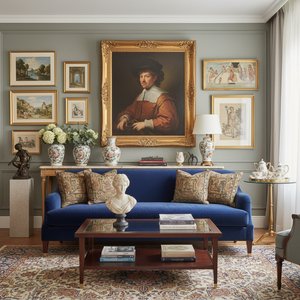
Bringing the warmth of historical masterpieces into a contemporary interior requires an appreciation for texture and tonal harmony. The beauty of earth-toned art lies in its ability to provide a sanctuary from the frenetic pace of modern life, offering a sense of permanence and tranquility. For the discerning collector, integrating these works is not merely about decoration, but about curating an atmosphere.
At ArtsDot.com, we specialize in bringing this historical depth to your walls through our premium, hand-painted oil reproductions. Unlike mass-produced prints that lack tactile presence, our artists work on 100% cotton canvas, utilizing traditional techniques to recreate the visible brushstrokes and deep tonal ranges of the masters. Whether you seek a large-scale landscape in the Tonalist tradition or a custom portrait reimagined in the style of a Renaissance master, our process ensures museum-quality excellence.
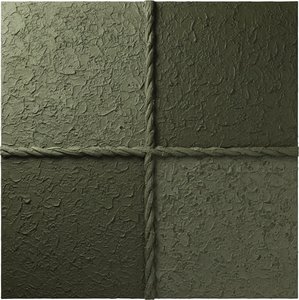
- Authentic Texture: Our oil reproductions feature the physical depth of impasto, capturing the rugged edges and light-catching ridges found in works like those of David Moreau.
- Bespoke Customization: We offer the unique ability to "remix" history, allowing you to transform personal milestones into classical masterpieces through our professional digital mockup service.
- Enduring Quality: Each piece is finished with a protective Damar varnish, ensuring that the subtle sepia washes and rich umbers remain vibrant for generations.
Whether you are looking to split a wide landscape across multiple panels for a modern architectural look or seeking a custom gift that turns a memory into an heirloom, our mission is to preserve the soul of art history. For more information on how to acquire these timeless treasures, visit ArtsDot.com.