The Renaissance Gaze: Idealism and Grace in Early European Portraiture
 Italian Renaissance painting
Italian Renaissance painting is the painting of the period beginning in the late 13th century and flourishing from the early 15th to late 16th centuries, occurring in the Italian Peninsula, which was at that time divided into many political states, s...
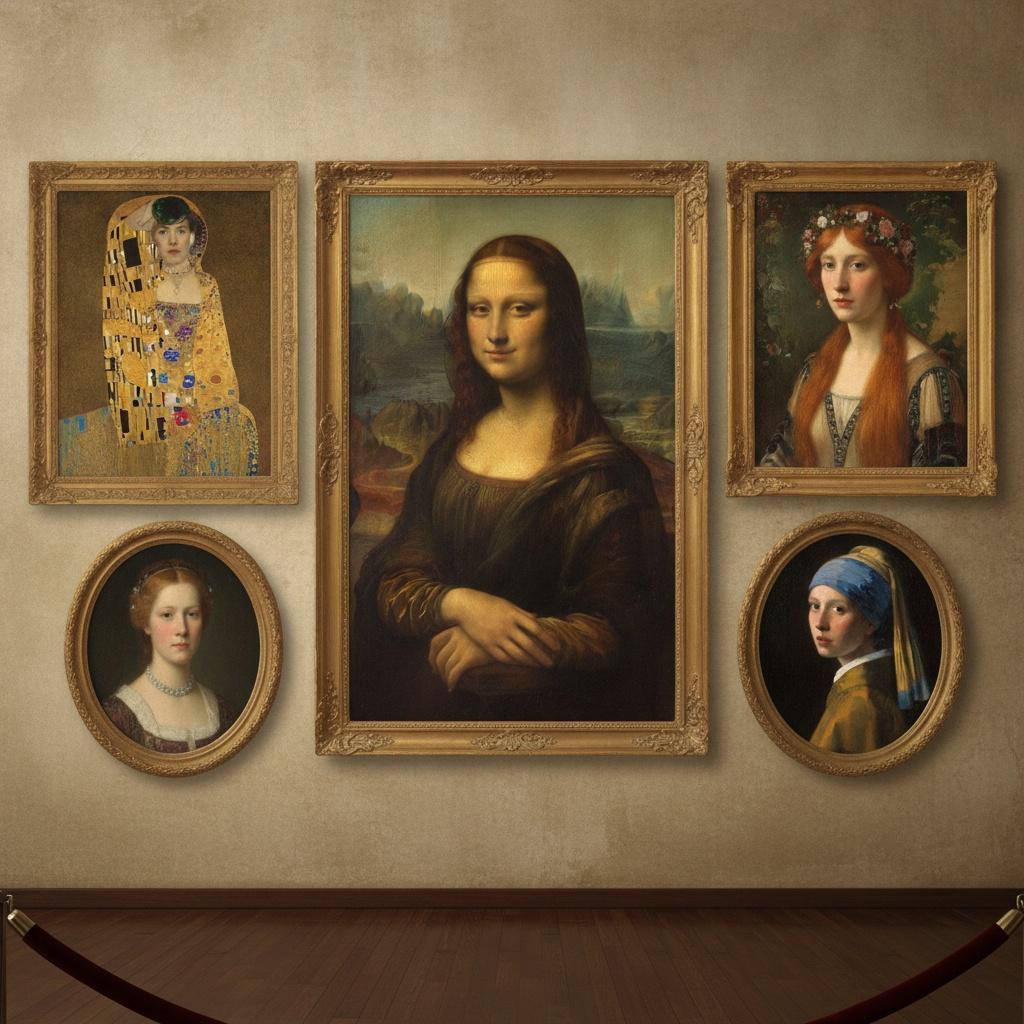
To stand before a portrait from the Italian Renaissance is to witness the dawn of a new human consciousness, where the rigid hierarchies of the Middle Ages began to dissolve into a profound study of individual grace. During this transformative era, spanning the 15th and 16th centuries, the art of the peninsula underwent a radical shift toward naturalism and mathematical harmony. Painters such as Raphael and Leonardo da Vinci did not merely capture a likeness; they sought to encapsulate the very soul through the application of
sfumato and balanced composition. In these works, the female subject often serves as a vessel for classical ideals—purity, intellect, and a serene, almost divine, composure.
The mastery of light in this period was not merely a technical feat but a philosophical statement. Through the subtle gradation of tones, artists could suggest the soft curve of a cheek or the delicate translucency of skin, creating a sense of presence that transcends the flat surfaces of earlier centuries. This era of painting, flourishing from the Early Renaissance through the High Renaissance, utilized geometry to instill a sense of eternal stability. When we observe these portraits today, we are seeing more than historical documentation; we encouter an era where the human form was elevated to a subject of scientific and spiritual inquiry, setting the stage for all Western portraiture that followed.
Baroque Intensity: Chiaroscuro and the Power of Female Agency
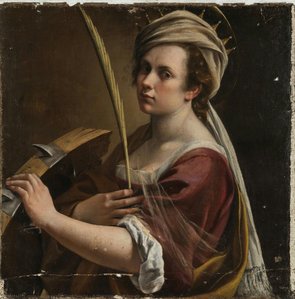
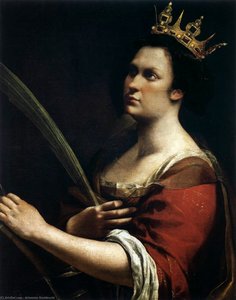
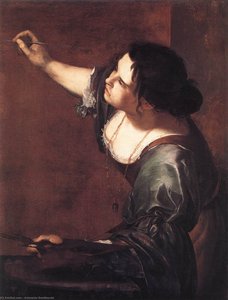
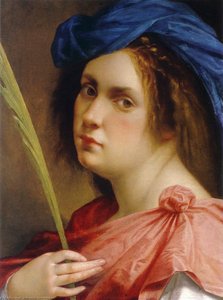 Self-portrait as a Female Martyr (also known as Female Martyr)
A Portrait of Courage: Artemisia Gentileschi’s ‘Self-Portrait as a Female Martyr’ Artemisia Gentileschi stands apart in the annals of Baroque art, not merely for her prodigious talent but for embodying an audacious spirit—a woman daring to assert her...
As the artistic pendulum swung from the balanced serenity of the Renaissance toward the dramatic fervor of the Baroque, the portrayal of women underwent an equally profound metamorphosis. The 17th century introduced a theatricality characterized by
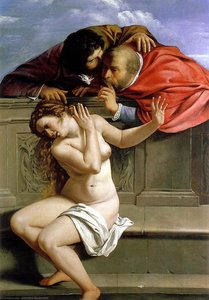
chiaroscuro—the masterful, high-contrast interplay between deep shadow and piercing light. This was no longer an art of quiet contemplation, but one of visceral emotion and psychological depth. Within this movement, we find the emergence of voices that challenged the very foundations of the patriarchal art world, most notably through the works of Artemisia Gentileschi.
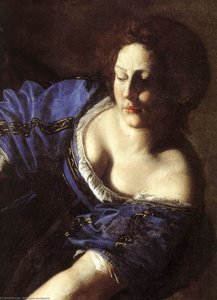
Gentileschi, a formidable figure in the Roman Baroque tradition, utilized the revolutionary techniques championed by Caravaggio to imbulate her subjects with an unprecedented sense of agency and resilience. In her self-portraits and depictions of biblical heroines, the light does not merely illuminate; it exposes struggle, determination, and inner strength. The heavy shadows serve to push the subject forward, demanding the viewer's engagement with her physical and emotional reality. This period moved away from the idealized, distant figures of the past toward a gritty, palpable realism that captured the complexities of the human condition, making the female portrait a site of both artistic innovation and social defiance.
Spiritual Essence: The Stylized Devotion of Byzantine and Orthodox Icons
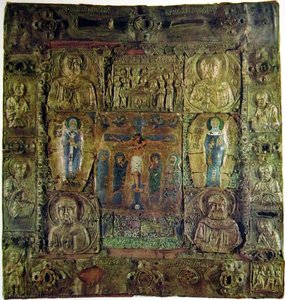 orthodox icons
Orthodox Icons Orthodox icons represent a profound tradition of religious art rooted in Byzantine Christianity and extending across Eastern Europe and beyond. Unlike Western Christian iconography, which often prioritizes realism and narrative detail,...
While Western Europe explored the boundaries of naturalism, a different, equally profound tradition was flourishing in the East through the medium of Orthodox iconography. Unlike the narrative-driven realism of the West, Byzantine and Russian icon painting sought to transcend the earthly realm entirely. The goal of the iconographer was not to replicate the physical world with anatomical precision, but to provide a window into the divine. Through highly stylized forms, gold leaf, and symbolic color palettes, these works—such as those by the legendary Andrei Rublev—aimed to evoke
divine grace and spiritual contemplation.
In this sacred tradition, every element is imbued with theological significance. The use of gold leaf represents the uncreated light of God, while the serene, often fixed facial expressions of figures like the
Theotokos are designed to lead the viewer away from temporal distractions and toward eternal truths. There is a profound stillness in these works, a rejection of the dramatic movement found in Baroque art in favor of an enduring, rhythmic stability. To study these icons is to understand a visual language where the essence of a saint or a divine event is communicated through carefully codified symbols, creating a bridge between the mortal observer and the sacred mystery.
Impressionist Light: Capturing Fleeting Beauty and Modernity
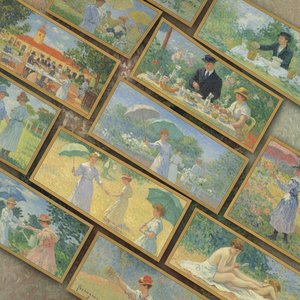 Renoir's Masterpieces: Explore 25 Iconic Paintings & Bring Art Home | ArtsDot
Introduction To embark on a journey through the top 25 artworks of Pierre-Auguste Renoir is to step into a world bathed in light, color, and an exquisite celebration of life. These paintings are not merely depictions of scenes; they are invitations—t...
The arrival of the 19th century brought with it a revolution in perception, as artists began to abandon the studio's controlled lighting for the unpredictable brilliance of the outdoors. The Impressionist movement, led by masters like Pierre-Auguste Renoir, sought to capture the "impression" of a moment—the way light dances across a garden or how color shifts during a sunset. In the portraits of this era, the female subject is often integrated into her environment, becoming part of a larger tapestry of light, atmosphere, and movement.
This period marked a departure from the heavy, dark pigments of the previous centuries in favor of a vibrant, broken brushstroke technique. The focus shifted from the permanent and the monumental to the ephemeral and the sensory. In Renoir’s works, we see a celebration of life, warmth, and the soft textures of modern French society. These portraits do not demand reverence through status or religious iconography; instead, they invite us to linger in the beauty of the present moment, capturing the fleeting joy of human connection and the ever-changing nature of light itself.
The Evolution of Symbolism: Decoding Narrative and Status in Iconic Works
 History of art
The history of art focuses on objects made by humans for any number of spiritual, narrative, philosophical, symbolic, conceptual, documentary, decorative, and even functional and other purposes, but with a primary emphasis on its aesthetic visual for...
Throughout the history of portraiture, the objects surrounding a subject have rarely been mere decoration; they are the silent narrators of identity, wealth, and morality. To truly understand an iconic portrait, one must learn to read its visual vocabulary. In the Renaissance, a single pearl could signify purity or immense maritime wealth; in the Baroque, a discarded glove might hint at a hidden narrative of courtship or loss. Even in the more abstract realms of later movements, color and composition continue to function as symbolic tools.
Decoding these elements allows the enthusiast to move beyond surface-level appreciation into a deeper, more intellectual engagement with the canvas. The evolution of this symbolism reflects the changing values of civilization—from the religious fervor of the Middle Ages to the burgeoning individualism of the Enlightenment. By analyzing the textures, the placement of hands, and the choice of flora or fauna within a frame, we uncover the layers of meaning that artists meticulously wove into their masterpieces to communicate across the centuries.
Curating a Legacy: Bringing Masterpieces into the Modern Home
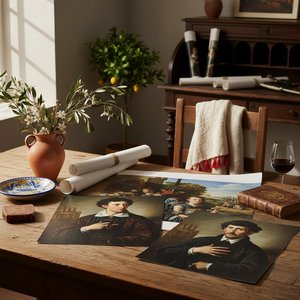 Prado Masterpieces: Explore 25 Iconic Artworks & Bring Spanish Beauty Home
Introduction To stand before the masterpieces housed within the Museo del Prado is to commune with the very soul of Spain—a nation whose history has been painted, sculpted, and etched into the collective memory of humankind. This collection isn’t mer...
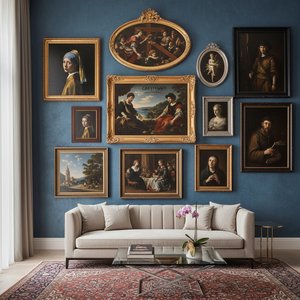
The enduring power of these iconic portraits lies in their ability to transcend their original historical contexts and speak to the universal human experience. Today, the desire to surround oneself with the grandeur of the Old Masters remains a cornerstone of sophisticated interior design. Whether it is the dramatic tension of a Baroque canvas or the soft, light-drenched charm of an Impressionist piece, these works possess a unique ability to anchor a room with historical weight and aesthetic elegance.
For the modern collector, bringing such history into a contemporary space is an act of preservation and homage. At
ArtsDot.com, we specialize in making this connection possible through our museum-grade reproductions. Our master artists, holding degrees from prestigious academies, hand-paint each oil reproduction on 100% cotton canvas, ensuring that the visible brushstrokes and deep tonal ranges of the originals are faithfully captured. From custom "period shifts"—where a modern photograph is reimagined in the style of Rembrandt—to large-scale murals that recreate the majesty of historical ceilings, we provide the means to curate a personal gallery that celebrates the timeless elegance of art history.