
The Art of Curation: Integrating Masterpieces into Luxury Interiors
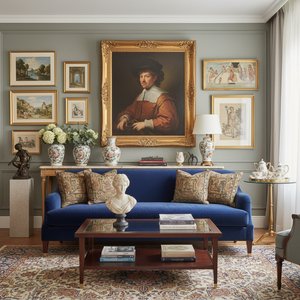
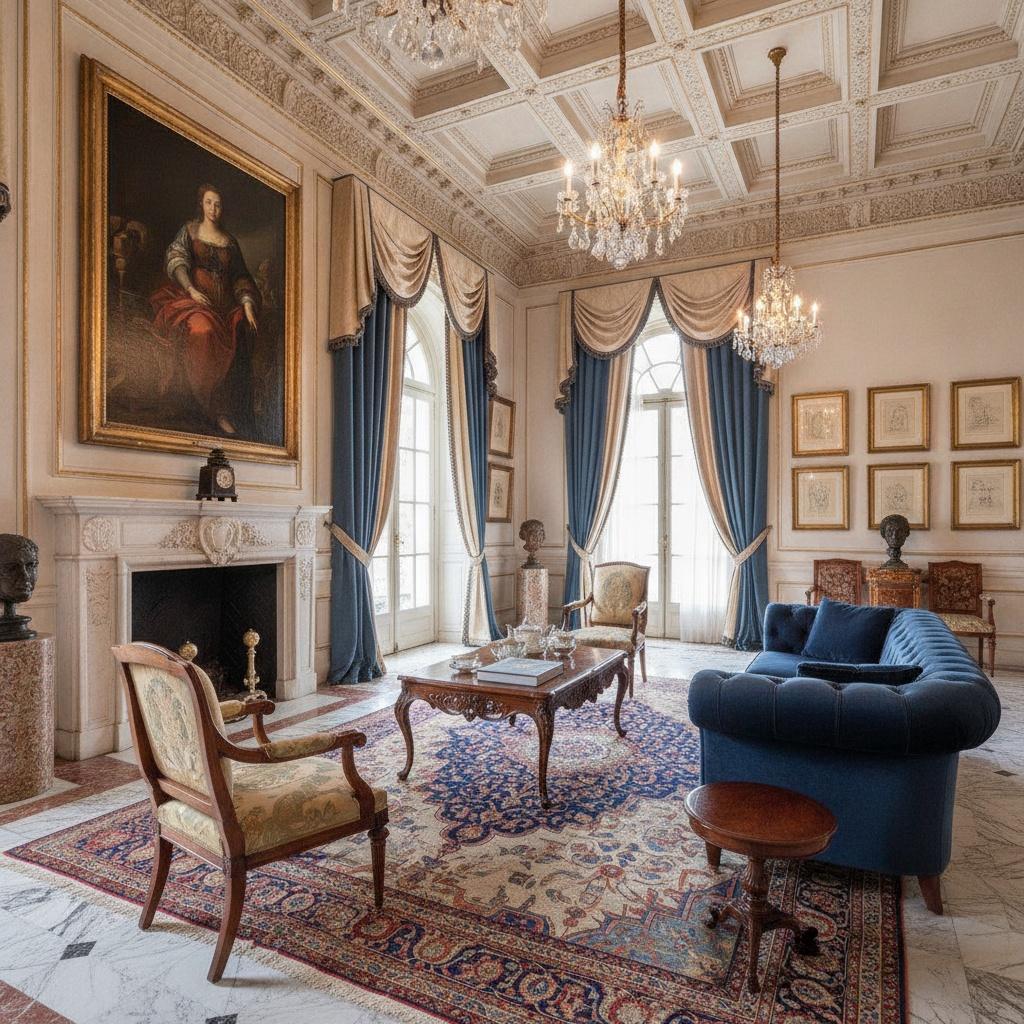
To curate a luxury interior is to engage in a silent dialogue between the architecture of a room and the soul of the objects within it. True elegance is rarely achieved through mere accumulation; rather, it emerges from the intentional placement of works that possess historical weight and aesthetic gravity. When we introduce a masterpiece into a contemporary living space, we are not simply decorating a wall; we are anchoring a room in a lineage of human achievement. The most sophisticated collectors understand that art serves as the emotional heartbeat of a home, providing a focal point that commands attention while offering a profound sense of tranquility.
Integrating such significant works requires an eye for balance and a respect for scale. A singular, commanding canvas can transform a grand foyer into a gallery-like experience, whereas a thoughtful arrangement of smaller, evocative pieces can create intimate pockets of reflection within a larger suite. The goal is to move beyond the superficiality of trends, seeking instead a composition where the textures of the room—the velvet of a sofa, the grain of polished hardwood, or the cool sheen of marble—interact harmonively with the brushstrokes of a master. In this way, art becomes an inseparable element of the home's very fabric.
Historical Resonance: Selecting Eras to Define Your Aesthetic
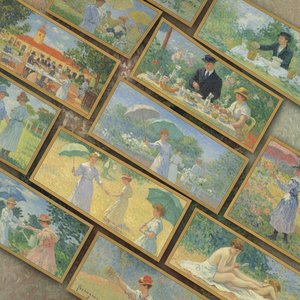
Every era of art history carries its own distinct atmospheric language, and selecting a period to feature in one's collection is akin to choosing the fundamental tone of a musical composition. For those drawn to the opulence and drama of the Baroque, works characterized by chiaroscuro—the intense contrast between light and shadow—can infuse a room with a sense of theatrical grandeur and mystery. Conversely, an affinity for the Impressionist movement allows for a lighter, more ethereal atmosphere, where the dappled sunlight of Monet or the vibrant, emotive energy of Van Gogh can breathe life and movement into sun-drenched salons.
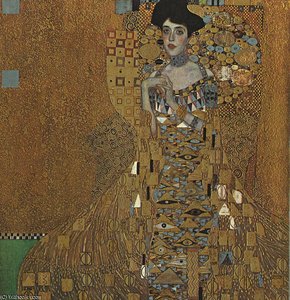
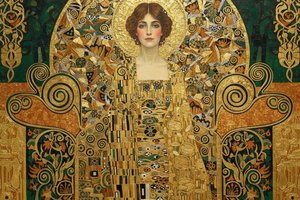
The choice of era also dictates the psychological impact of the space. The structured, classical precision found in Renaissance-inspired works evokes stability, intellect, and a timeless order, making them ideal for formal libraries or study rooms. Meanwhile, the fluid, organic lines of Art Nouveau, reminiscent of Alphonse Mucha’s botanical elegance, can soften the edges of modern architecture, introducing a romantic, decorative grace. By understanding the historical context and the emotional intent behind these movements, a collector can curate a space that does not merely look expensive, but feels profoundly cultured and deeply personal.
Beyond the Frame: The Tactile Depth of Hand-Painted Oil Reproductions
In an age dominated by the flat, ephemeral nature of digital imagery, there is a profound resurgence in the appreciation for the tactile. A true connoisseur recognizes that the soul of a painting resides not in its color alone, but in its physical topography. This is the fundamental distinction between a mere print and a hand-painted oil reproduction. When an artist applies pigment to 100% cotton canvas, they create a surface defined by impasto—visible, rhythmic brushstrokes that catch the light and cast microscopic shadows, lending the work a three-dimensionally alive quality.
These reproductions offer a depth of tonal range that no computer-generated print can replicate. The layering of oils allows for a luminosity where light seems to emanate from within the canvas itself, particularly in the delicate whites achieved through specialized safflower oils. For those seeking an even more antique aesthetic, the addition of a craquelure finish can simulate the venerable character of centuries-old masterpieces. To touch or even closely observe such a work is to witness the labor of a skilled hand, ensuring that the piece possesses the same gravity and presence as the original museum treasure it honors.
Architectural Harmony: Large-Format Murals and Multi-Panel Compositions
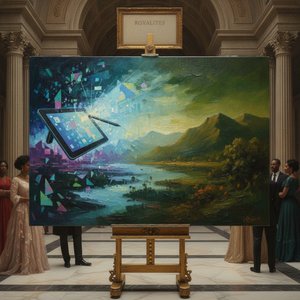
For the most ambitious architectural spaces, art must transcend the traditional boundaries of the frame to become part of the structure itself. Large-format murals and ceiling frescoes offer an unparalleled opportunity to recreate the awe-inspiring grandeur of historical palaces within a modern residence. Imagine a dining hall transformed by a sweeping landscape or a bedroom ceiling that evokes the celestial majesty of a Renaissance fresco; such installations redefine the very limits of interior design, turning walls into windows onto other worlds.
Furthermore, the contemporary trend of multi-panel or "split" paintings allows for a sophisticated, modern interpretation of classical themes. By dividing a single iconic composition across three, four, or even five panels, one can create a rhythmic, expansive effect that is particularly suited for wide staircases or long corridors. This technique maintains the continuity of the artist's vision while introducing a structural dynamism that complements modern, minimalist architecture. It allows the art to breathe, spreading its narrative across the architectural plane in a way that feels both monumental and meticulously engineered.
Bespoke Legacies: Transforming Personal Milestones into Fine Art
The pinnacle of luxury curation is the ability to bridge the gap between art history and personal biography. The most cherished collections are often those that tell a story unique to the owner. Through the medium of custom commissions, it is possible to "remix" history, applying the legendary techniques of the Old Masters to contemporary moments. This bespoke service allows for the transformation of a cherished family photograph into a portrait rendered in the dramatic light of Rembrandt or the soft, atmospheric textures of a Post-Impressionist master.
This process is not merely about replication but about elevation. Whether it is a wedding portrait that captures the eternal romance of a classical era, or a pet portrait reimagined with the regal dignity of a 17th-century aristocrat, these works become heirlooms of immense sentimental and aesthetic value. By utilizing professional digital mockups to refine composition and color before the first brushstroke ever touches the canvas, collectors can ensure that their personal milestones are immortalized with the same academic excellence and prestige as the world's most famous paintings.
Preserving Excellence: Expert Consultation and Long-term Art Stewardship
Acquiring fine art is an investment in both culture and legacy, requiring a commitment to long-term stewardship. To maintain the vibrancy of oil pigments and the integrity of the canvas, one must adhere to the principles of professional preservation. This includes protecting works from the degrading effects of direct sunlight and utilizing acid-free matting to prevent moisture entrapment. The application of a protective Damar varnish serves as a vital shield against dust and atmospheric pollutants, ensuring that the brilliance of the colors remains undiminished for generations.
Navigating the complexities of art acquisition—from selecting the right scale to managing international logistics—is best approached with expert guidance. Professional consultation offers the clarity needed to harmonize new acquisitions with existing collections, providing color analysis and digital placement previews to eliminate uncertainty. As we look toward the future of art in the home, the marriage of historical reverence and modern expertise ensures that the masterpieces of the past continue to illuminate the luxurious interiors of the present, creating spaces that are not only beautiful but eternally significant.