
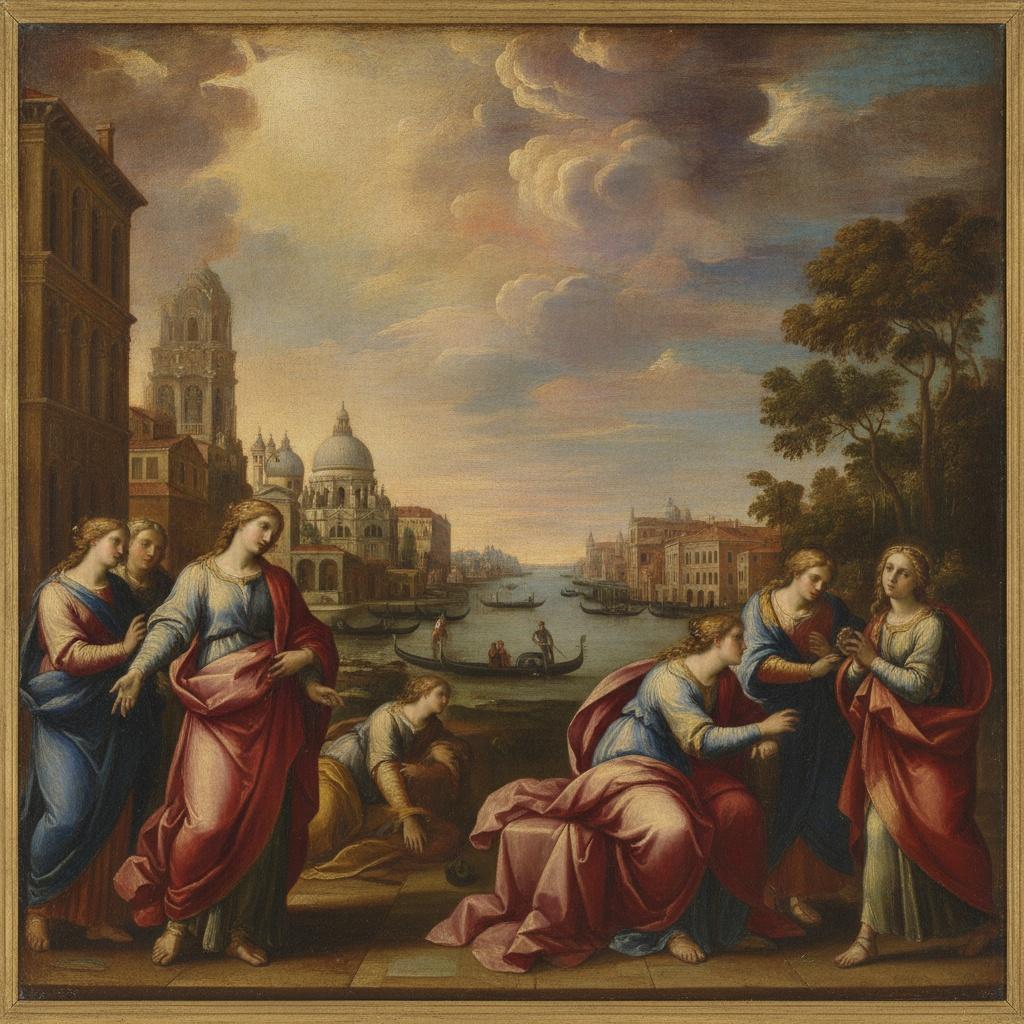
The Venetian Atmosphere: A Republic Forged in Light and Water
 The Golden Light of Innovation: Exploring the Venetian Renaissance Art Movement (1430–1580)
A Republic Forged in Light: The Unique Context of Venetian Art Petrarch’s description of Venice as a “ mundus alter ,” another world, resonates deeply when considering the distinct artistic trajectory that unfolded within its lagoon city walls. Unlik...
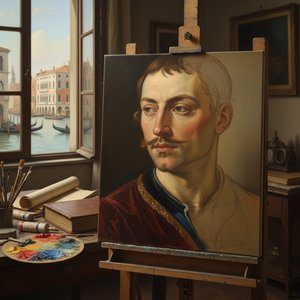
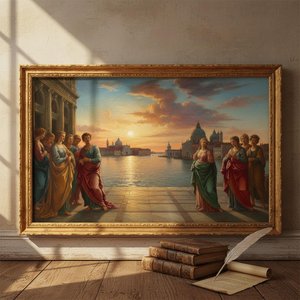
To understand the soul of the Venetian Renaissance, one must first surrender to the sensory experience of the city itself. Unlike the terrestrial ambitions of Florence or Rome, Venice was a republic born of the sea, a mundus alter—another world—as described by Petrarch. This unique geopolitical position, a maritime empire built on a complex network of trade connecting East and West, profoundly shaped its artistic trajectory. The wealth of Venice did not flow from vast land ownership but from the shimmering movement of the Adriatic. Consequently, the very air of the lagoon seemed saturated with moisture, reflecting the constant dance of light upon undulating canals and marble palaces.
This environmental reality dictated a new way of seeing. While other Italian centers were defined by rigid structures and political upheaval, Venice enjoyed a period of relative stability and immense prosperity. This allowed for an environment less concerned with strict classical imitation and more attuned to the ephemeral qualities of the atmosphere. The artists of the Venetian school were captivated by how the Adriatic sun could dissolve hard edges into a soft, atmospheric haze. Their work became a reflection of their surroundings: a world where light was not merely a tool for illumination but a living, breathing substance that defined the very essence of existence.
Colorito vs. Disegno: The Intellectual and Sensory Divide
--- title: Venetian Color and Florentine Design - The Metropolitan Museum of Art author: Jean Sorabella url: https://www.metmuseum.org/essays/venetian-color-and-florentine-design hostname: metmuseum.org description: Florentine color was frequently mo...
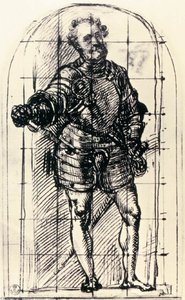
At the heart of the Renaissance debate lies the profound tension between disegno and colorito. In the Florentine tradition, championed by figures such as Vasari, art was an intellectual pursuit rooted in drawing. Disegno—the precise, linear mastery of form and structure—served as the foundational blueprint, a mathematical and logical approach to representing reality through clear contours and anatomical accuracy. For the Florentines, the line was the intellect made visible.
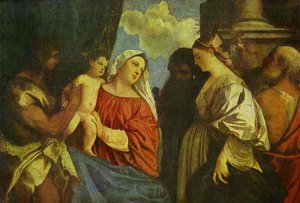
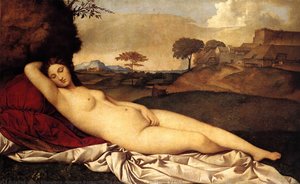
In contrast, the Venetian masters sought to capture the intangible. They prioritized colorito, a technique where color was not merely an additive element used to fill pre-drawn outlines but the very substance of form itself. In Venice, there were no stark boundaries; instead, artists utilized the sophisticated layering of translucent glazes to build depth and volume through subtle shifts in hue and saturation. This approach allowed for a breathtakingly tactile quality, where light appears to emanently from within the canvas rather than merely striking its surface. By prioritizing emotional resonance over mathematical precision, the Venetian school established a new vocabulary for Western art, one that invited the viewer into a visceral experience of beauty and tonal harmony.
The Masters of the Lagoon: From Bellini to Titian
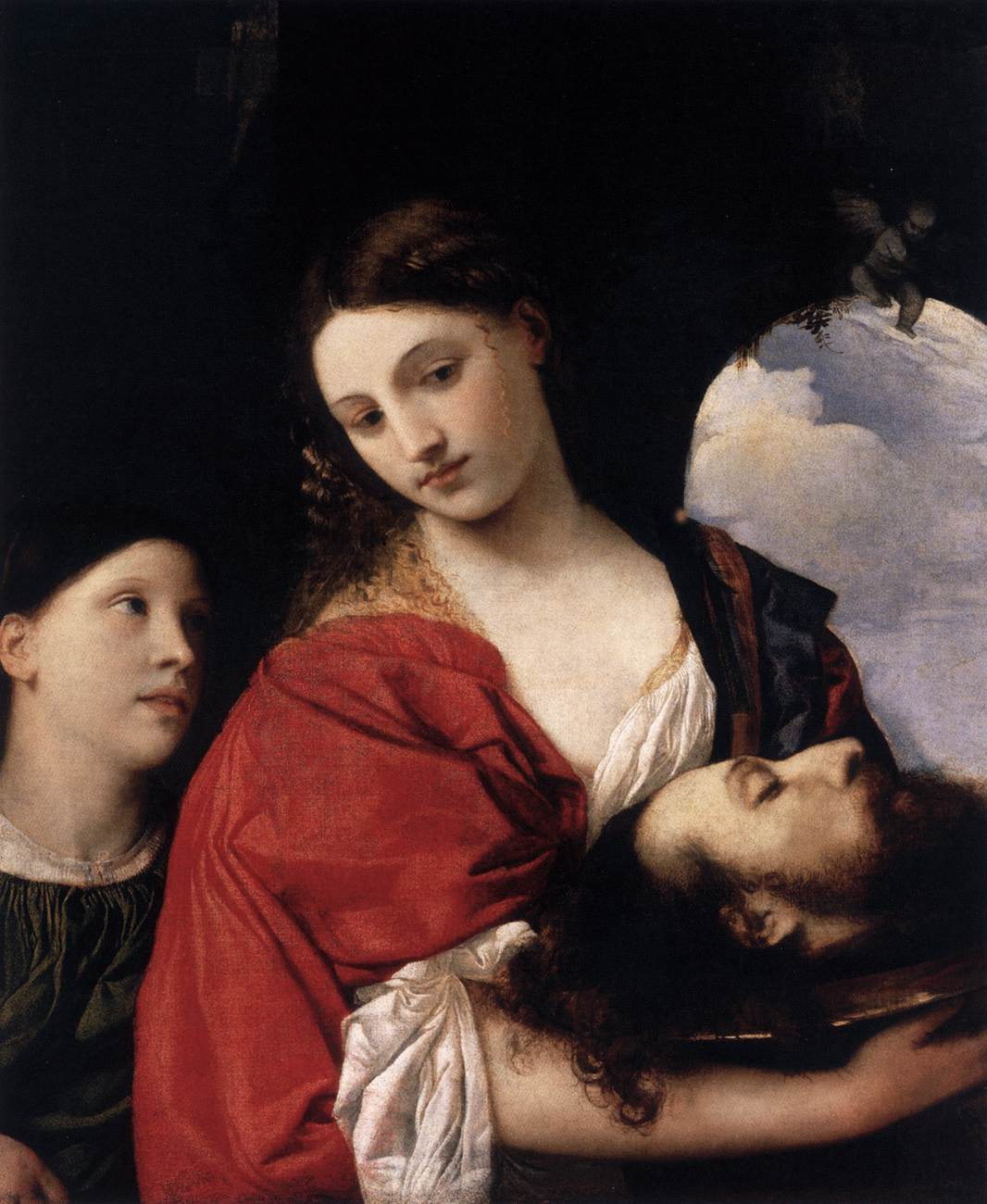 Venetian painting
Venetian painting was a major force in Italian Renaissance painting and beyond. Beginning with the work of Giovanni Bellini (c. 1430–1516) and his brother Gentile Bellini (c. 1429–1507) and their workshops, the major artists of the Venetian school in...
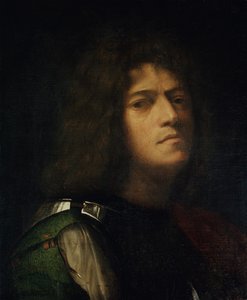
The lineage of the Venetian school is a chronicle of continuous innovation, beginning with the foundational work of Giovanni Bellini and his brother Gentile. These early masters established the workshops that would become the cradles of Renaissance genius. As the movement progressed, the names of these artists became synonymous with the golden age of Italian painting. The transition from the structured beginnings to the lush, emotive heights of the High Renaissance was marked by a growing mastery over pigment and light.
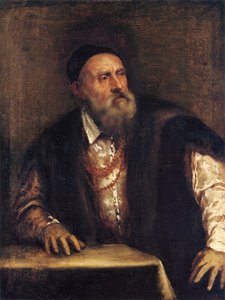
The evolution reached its zenith with Titian, perhaps the most influential figure in the history of Western painting. His ability to manipulate texture and color allowed him to create works of unparalleled depth and psychological complexity. Alongside him, the tradition continued through the dramatic energy of Tintoretto and the opulent grandeur of Paolo Veronese. These artists did not merely paint subjects; they painted the very atmosphere of a civilization at its peak. For those seeking to bring this historical grandeur into a contemporary setting, our Handmade Oil Reproductions offer a way to possess these masterworks, meticulously recreated on cotton canvas with the same emphasis on visible brushstrokes and tonal richness that defined the original masters.
Giorgione and the Poetics of the Ethereal Landscape
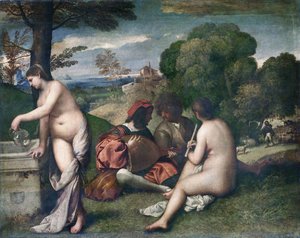
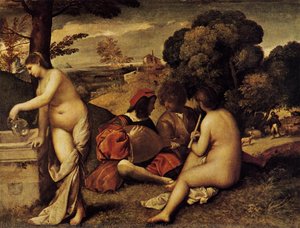 Pastoral Concert (Fête champêtre)
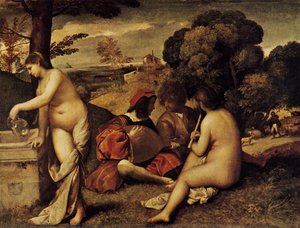
Pastoral Concert (Fête champêtre): A Venetian Enigma The Pastoral Concert, attributed to Giorgione—a name synonymous with artistic mystery—stands as one of the most celebrated paintings of the High Renaissance. More than just a beautiful depiction of...
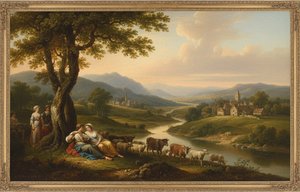
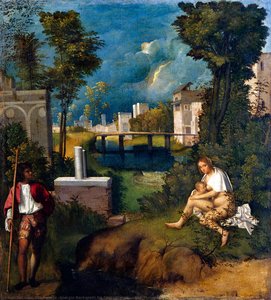
At the dawn of the sixteenth century, a singular figure emerged to redefine the boundaries of narrative painting: Giorgione. His brief but meteoric career introduced a sense of mystery and poetic ambiguity that would haunt Venetian art for generations. In works such as the Pastoral Concert (Fost champêtre), the landscape ceased to be a mere backdrop for religious or mythological drama; it became a protagonist in its own right. Giorgione’s paintings embody an ethereal glow, where figures are nestled within a lush, tranquil countryside that feels both real and dreamlike.
This era saw the birth of the Venetian landscape as a vessel for symbolism and mood. Through his use of soft light and harmonious composition, Giorgione captured the fascination with classical ideals and Greek mythology. His landscapes are not static; they breathe with the humidity of the lagoon, inviting the viewer to contemplate the profound connection between humanity and the natural world. It is this sense of "enigma" that continues to captivate museum-goers at the Louvre and collectors worldwide, as his work represents a pivotal moment where art moved toward the purely sensory and the deeply evocative.
Drama and Devotion: The High-Stakes Energy of Tintoretto and Veronese
 Jacopo Tintoretto's Masterpieces: 25 Paintings That Define Venetian Drama | ArtsDot
Introduction To embark on a journey through the top 25 artworks of Jacopo Tintoretto is to enter a world ablaze with drama, spirituality, and an almost unsettling energy. These paintings are not merely canvases adorned with pigment; they are windows ...
As the Renaissance progressed into its later stages, the serene landscapes of Giorgione gave way to a period of intense artistic ferment. Jacopo Tintoretto, or Jacopo Robusti, brought an almost unsettling energy to the canvas. Moving away from idealized beauty, Tintoretto embraced a dynamic style characterized by elongated figures, swirling draperies, and an unprecedented use of chiaroscuro—the dramatic interplay of light and shadow. His paintings are windows into a soul ablaze with spirituality and drama, reflecting the religious fervor and political anxieties of a Venice navigating the Counter-Reformation.
While Tintoretto explored psychological intensity, Paolo Veronese brought the opulence of the Venetian Republic to life. His works are celebrations of grandeur, filled with architectural splendor, rich fabrics, and a sense of theatrical spectacle. Together, these artists ensured that the Venetian tradition remained a vital, evolving force. Their ability to convey the complexities of the human condition—the struggle between faith and doubt, the power of redemption, and the fragility of life—ensures that their masterpieces remain as relevant today as they were in the sixteenth century.
Preserving the Golden Age: Bringing Venetian Mastery into the Modern Home
The legacy of the Venetian Renaissance is not confined to the halls of the great European museums; it is a living heritage that continues to inspire the modern aesthetic. The mastery of light, the depth of color, and the emotional resonance of these works offer a timeless elegance that can transform any interior space. Whether through the dramatic shadows of a Tintoretto or the luminous landscapes of a Bellini, these paintings serve as anchors of culture and sophistication.
At ArtsDot.com, we are dedicated to making this extraordinary history accessible to the modern enthusiast. We specialize in high-quality, hand-painted oil reproductions that honor the academic excellence of the original masters. Our artists, many of whom hold degrees from prestigious Fine Arts academies, use traditional techniques—layering glazes and utilizing fine oils—to ensure that every brushstroke captures the tactile depth of the Venetian school. From large-format murals for architectural spaces to bespoke commissions that "remix" history, we provide a bridge between the golden age of the Renaissance and your personal collection. Discover how the light of Venice can illuminate your world by exploring our curated library of canonical masterpieces.