Introduction
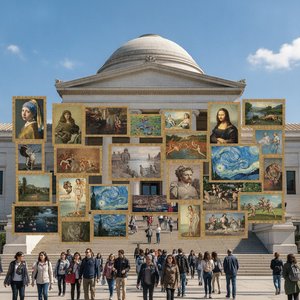
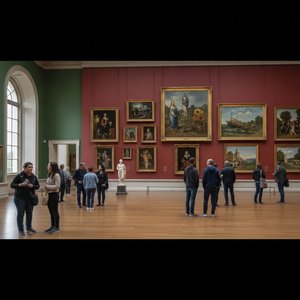
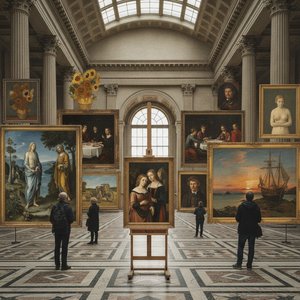
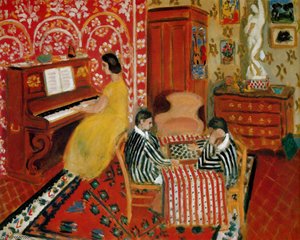
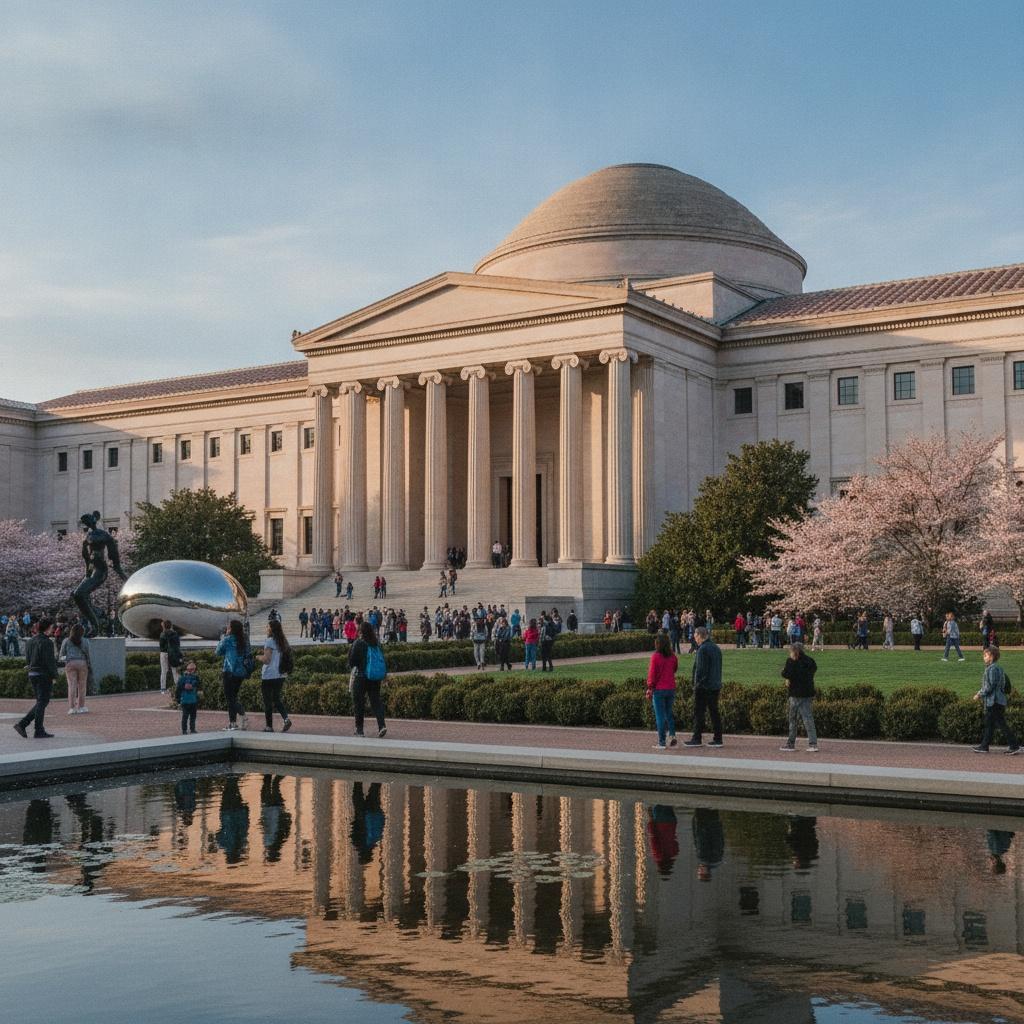
To step into the National Gallery of Art in Washington, D.C., is to enter a sanctuary where the pulse of art history beats with unparalleled clarity. Within these hallowed halls, one does not merely observe paintings; one witnesses the very evolution of the modern eye. The collection, profoundly shaped by the discerning vision of collectors like Chester Dale, serves as a profound chronicle of how humanity learned to see the world anew—moving from the soft, fleeting impressions of sunlight to the bold, structural revolutions of the twentieth century.
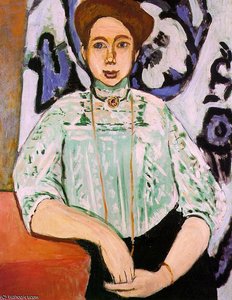
The significance of these works lies in their ability to bridge eras and cultures. As you wander through the galleries, you trace a lineage that connects the delicate textures of French Impressionism to the vibrant, emotional landscapes of Henri Matisse and the intellectual rigor of Paul Cézanne . It is a collection born from an intuitive grasp of innovation, capturing the transformative moments when artists began to dismantle tradition to find a more authentic truth in color, form, and light. These masterpieces remain deeply meaningful today because they represent the foundational shifts that define our contemporary visual language.
In the following pages, we invite you to embark on a curated journey through twenty-five essential works. From the striking early portraits of Picasso to the evocative American landscapes, each selection represents a pinnacle of achievement within this storied institution, offering an intimate encounter with the soul of the National Gallery’s most enduring treasures.
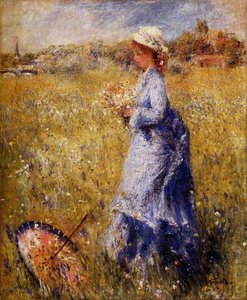
The Walk. Lady with a Parasol - Claude Monet
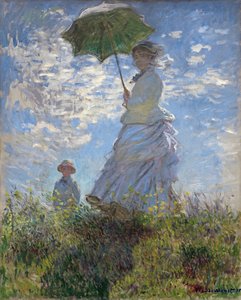 The Walk. Lady with a Parasol - Claude Monet
In The Walk. Lady with a Parasol by Claude Monet, the composition achieves a breathtaking equilibrium through its geometric interplay. The sweeping horizontal lines of the sun-drenched meadow provide a stable foundation, which is masterfully contrasted by the delicate verticality of the woman’s posture and the soft arc of her parasol. This structural harmony creates a sense of timeless perfection, securing its place among the top 25 artworks in the National Gallery of Art, Washington.
As you observe the rhythmic movement of the wind through the wildflowers, you may find a striking parallel between Monet's balanced arrangement and the principles of modern minimalist design; much like a contemporary clean aesthetic, the painting uses essential forms to ground the viewer. The vibrant blues and greens, rendered with signature Impressionist brushstrokes, capture the ephemeral light of a summer afternoon, offering an enduring sense of peace that transcends the centuries.
Portrait of Bindo Altoviti - Raphael
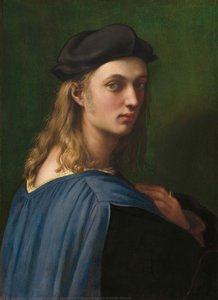 Portrait of Bindo Altoviti - Raphael
To gaze upon Raphael's Portrait of Bindo Altoviti is to encounter a moment of profound, quiet stillness frozen in time. There is an undeniable intimacy in the way the light catches the subject’s features, revealing a soul caught in deep, intellectual contemplation. As one of the most significant pieces within the top 25 artworks in the National Gallery of Art, Washington, this 1515 masterpiece stands as a pillar of High Renaissance humanism.
Raphael utilizes masterful chiaroscuro to sculpt Altoviti’s face from the shadows, creating a three-dimensional presence that feels remarkably alive even centuries later. The rich, muted palette and the elegant, dignified expression embody the very essence of Florentine sophistication. At ArtsDot.com, we believe such transcendent beauty should not be confined to museum walls. Our hand-painted oil reproductions meticulously capture every delicate brushstroke and tonal depth of Raphael’s original, allowing you to invite this timeless Renaissance elegance into your own home through a faithful, textured masterpiece.
Little Girl in a Blue Armchair - Mary Stevenson Cassatt
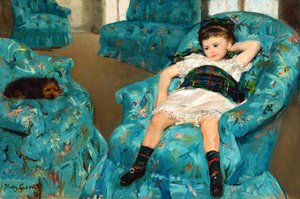 Little Girl in a Blue Armchair - Mary Stevenson Cassatt
Close your eyes. Can you feel the light in Little Girl in a Blue Armchair by Mary Cassatt? It’s not just illumination; it’s a language . The artist didn’t paint light—she composed it , like a musician crafting a sonata. In this exquisite masterpiece from the National Gallery of Art, Washington, Cassatt uses a palette of deep, tranquil blues to weave a story of quiet domesticity and profound peace.
You can almost feel the weight of the velvet upholstery and the soft, rhythmic breathing of the sleeping dog beside the reclining child. Her Impressionist brushwork captures a fleeting moment of innocence, where light dances across the fabric in luminous, broken strokes that create a sense of movement within the stillness. This is why it stands among the top 25 artworks in the National Gallery; it doesn’t just reflect light, it invents it . Now, open your eyes. That serene, blue-toned atmosphere is waiting to spill into your own space, turning a simple wall into a portal of inspiration. You can bring this timeless piece of American Impressionism home through our meticulous, hand-painted oil reproductions, capturing every visible brushstroke and the true emotional depth of Cassatt's vision.
The Road Bridge at Argenteuil - Claude Monet
 The Road Bridge at Argenteuil - Claude Monet
Standing before Claude Monet’s The Road Bridge at Argenteuil , one can almost feel the warmth of a summer afternoon dancing upon the Seine. This masterpiece is a cornerstone among the top 25 artworks in the National Gallery of Art, Washington , serving as a quintessential window into the birth of Impressionism. Through rhythmic, broken brushstrokes and a luminous palette of gold, violet, and soft pink, Monet captures more than a landscape; he immortalizes the ephemeral beauty of light and the burgeoning spirit of French leisure.
The painting’s enduring resonance lies in its ability to evoke profound tranquility through movement. At ArtsDot.com , we believe such emotional depth should be accessible beyond museum walls. Our handmade oil reproductions are meticulously crafted to preserve this tactile magic, emphasizing the visible brushstrokes and rich textures that a mere print cannot replicate. By bringing a faithful reproduction into your home, you do not just hang a picture; you invite the shimmering, sun-drenched atmosphere of 1874 into your daily life.
Saltimbanques (The Family of Saltimbanques) - Pablo Picasso
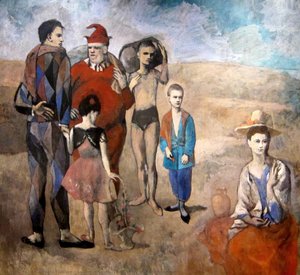 Saltimbanques (The Family of Saltimbanques) - Pablo Picasso
To possess Saltimbanques (The Family of Saltimbanques) by Pablo Picasso is to invest in the very lineage of modern art history and the refined taste of the world's most discerning collectors. As a cornerstone of the Chester Dale Collection, this 1905 masterpiece marks the pivotal transition from Picasso’s melancholic Blue Period to the warmer, more hopeful Rose Period. Through its masterful interplay of earthy ochres and vibrant pinks, the work captures the poignant camaraderie of circus performers—figures Picasso viewed as kindred spirits. Its position among the top 25 artworks in the National Gallery of Art, Washington, is earned through its profound influence on the development of Cubism and its enduring market significance.
For the modern connoisseur, the aesthetic authority of this work transcends the museum walls. A high-quality, hand-painted oil reproduction carries this same historical weight, allowing the painting's theatrical drama and avant-garde spirit to anchor a luxury interior with unparalleled prestige.
Watson and the Shark - John Singleton Copley
 Watson and the Shark - John Singleton Copley
In Watson and the Shark by John Singleton Copley, the lines aren’t merely drawn; they are choreographed . This is not just a composition of maritime peril; it is a dance frozen in time , where the violent surge of the Atlantic meets the desperate reach of human survival. As you stand before this masterpiece within the National Gallery of Art, Washington, you feel the visceral tension of 1749—the salt-sprayed chaos of Havana Harbor captured through Copley's masterful use of diagonal movement and dramatic, low-slung light.
The palette of deep, turbulent blues and earthy browns collides with a sky caught in the amber glow of dusk, creating an unforgettable sense of mortality. Copley achieves something miraculous here: he makes the terrifying chaos of a shark attack feel like a balanced, rhythmic harmony. Imagine if your own walls could breathe this same rhythm , capturing such profound emotional depth and historical gravity to anchor your space with a sense of timeless drama.
Farmhouse in Provence - vincent willem van gogh
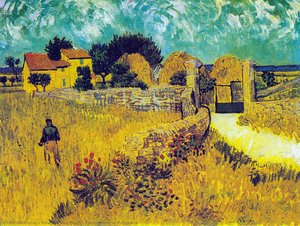 Farmhouse in Provence - vincent willem van gogh
To acquire a piece such as Farmhouse in Provence by Vincent van Gogh is to invest in a profound legacy of artistic revolution and discerning taste. As a cornerstone among the top 25 artworks in 'National Gallery of Art, Washington' , this 1888 masterpiece captures the raw, pulsating energy of Van Gogh’s Arles period. The painting’s influence on the trajectory of Modernism cements its status as an essential cultural treasure with immense historical weight. Through thick, rhythmic impasto and a vibrant palette of sun-drenched yellows and turbulent blues, the work transcends mere landscape to offer a visceral emotional experience. The way the golden wheat fields dance under a swirling sky provides an unparalleled sense of movement and depth. For those curating sophisticated spaces, a meticulous hand-painted oil reproduction carries this same aesthetic authority. It serves as a commanding focal point in modern luxury interiors, allowing the timeless brilliance of Van Gogh’s brushwork to bestow a sense of historical prestige and soulful elegance upon any contemporary setting.
Laocoön - El Greco
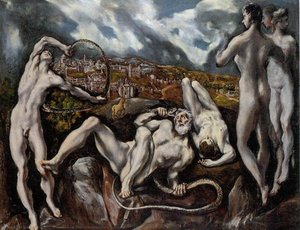 Laocoön - El Greco
Imagine standing before El Greco’s Laocoön , where the very air seems thick with the weight of mythological tragedy. The scene is a visceral whirlwind of muscular tension and serpentine chaos, illuminated by a dramatic chiaroscuro that pulls the viewer into a world of profound struggle. This work secures its place among the top 25 at the National Gallery of Art because it represents a pivotal rebellion in art history—a masterful fusion of Byzantine tradition and Western Mannerism that foreshadowed the raw, distorted emotion of modern Expressionism.
What if I told you that this painting was born from a moment of defiance against the ordinary? This is not merely art; it is a manifesto . Now, imagine this intense drama gracing your own study or gallery, transforming a quiet corner into a space of profound intellectual depth. At ArtsDot.com, we allow you to inhabit this history through our hand-painted oil reproductions, meticulously crafted to capture every expressive line and shadow of El Greco’s legendary vision.
The human condition - René Magritte
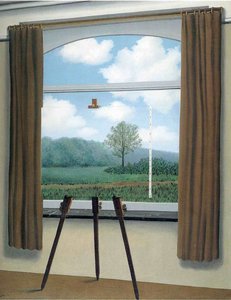 The human condition - René Magritte
To gaze upon a window is to assume a boundary between the observer and the world, yet what happens when that boundary dissolves? In one of the most profound entries among the top 25 artworks in 'National Gallery of Art, Washington' , René Magritte’s The Human Condition (1933) masterfully orchestrates this very paradox. This surrealist triumph presents an arched window where a canvas rests upon an easel, its painted landscape—rolling hills and a solitary tree—blending so seamlessly with the view beyond that reality itself becomes uncertain.
Magritte employs a muted, earthy palette of soft greens and deep browns, using meticulous oil brushwork to create a deceptive smoothness. The light is diffused, casting a quiet, contemplative mood over the interior. By blurring the line between representation and existence, Magritte forces us to question our own perceptions. This enigmatic masterpiece does more than decorate a wall; it invites a profound philosophical dialogue, ensuring that any space it inhabits becomes a sanctuary for thought and wonder.
River Landscape - Annibale Carracci
 River Landscape - Annibale Carracci
Annibale Carracci’s River Landscape stands as a profound meditation on the harmony between the human spirit and the natural world. As one of the top 25 artworks in the National Gallery of Art, Washington , this 1589 masterpiece captures the pivotal transition from Renaissance precision to the atmospheric depth of the early Baroque. Through an exquisite blend of Florentine draftsmanship and Venetian color, Carracci invites us into a verdant sanctuary where sunlight filters through textured foliage and a gentle river winds toward distant, stable mountains. The presence of a small boat, navigating the shimmering waters, serves as a poignant symbol of humanity’s quiet coexistence with the earth's enduring vitality. This painting does more than depict scenery; it offers a window into a state of pure, reflective calm. For the modern collector, such a work provides an unparalleled opportunity to introduce a sense of timeless serenity and classical elegance into a contemporary living space, acting as a soulful anchor for any curated interior.
The Virgin Adoring the Child - Sandro Botticelli
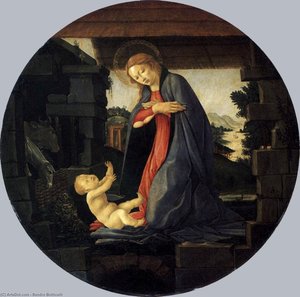 The Virgin Adoring the Child - Sandro Botticelli
In The Virgin Adoring the Child by Sandro Botticelli, the interplay of soft, divine illumination is nothing short of transformative. The artist employs a delicate use of light that seems to emanate from within the figures themselves, casting a gentle, ethereal glow upon the Madonna’s serene countenance and the porcelain skin of the Christ Child. This masterful command of light—creating a sense of sacred intimacy through subtle transitions of tone—was instrumental in securing this masterpiece's place among the top 25 artworks in the National Gallery of Art, Washington .
For the discerning collector, a hand-painted oil reproduction of this work brings that same luminous depth into a contemporary interior. When captured through meticulous, visible brushstrokes on canvas, the play of light and shadow adds an unparalleled layer of texture and quiet luxury to a modern wall, allowing the spiritual stillness of the Renaissance to anchor your space with timeless elegance.
Venus in Front of the Mirror - Titian Ramsay Peale II
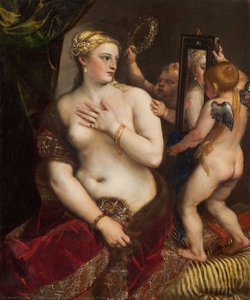 Venus in Front of the Mirror - Titian Ramsay Peale II
To stand before Venus in Front of the Mirror within the National Gallery of Art, Washington, is to witness a masterclass in luminous storytelling. In this breathtaking work, the light is not just illumination; it is a language . The artist didn’t merely paint light—they composed it , much like a musician crafting a delicate sonata. This is why it holds its prestigious place among the top 25 artworks in the National Gallery: it doesn’t just reflect light; it invents it.
As you observe the scene, the dramatic chiaroscuro brings the mythological figures to life—the soft touch of a cherub with a golden comb and the reflective gaze in the mirror invite deep contemplation on beauty and vanity. Now, open your eyes. That divine glow is waiting to spill into your own home, turning your walls into portals of inspiration through a meticulous, hand-painted oil reproduction.
Reverse side of the portrait of Ginevra de' Benci - Leonardo da Vinci
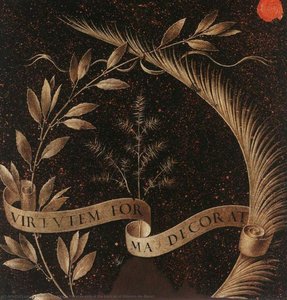 Reverse side of the portrait of Ginevra de' Benci - Leonardo da Vinci
The deep, earthy sepia and muted beige tones of the Reverse side of the portrait of Ginevra de' Benci evoke a mood of profound antiquity and quiet contemplation. In this monochrome marvel, Leonardo da Vinci eschews vibrant color to focus on the weight of symbolism, using delicate drypoint etching to create a texture that feels both ancient and alive. As one of the top 25 artworks in the National Gallery of Art, Washington , its mastery lies in how these subtle tonal variations communicate Renaissance ideals of virtue through the intricate Benci family emblem.
For those curating a modern interior, this piece offers a sophisticated blueprint for "quiet luxury." The artwork's neutral, organic palette can be used to anchor a contemporary dining room or study, providing a sense of historical gravitas. By mirroring its soft, monochromatic atmosphere, you can create a space that feels intellectually grounded and serene, allowing the delicate, etched details to serve as a timeless focal point.
The Repentant Magdalen - Georges de la Tour
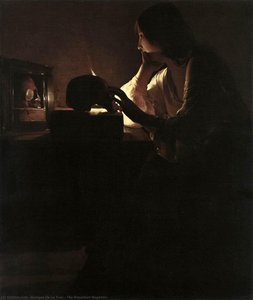 The Repentant Magdalen - Georges de la Tour
Within the hallowed halls of the National Gallery of Art, Washington, Georges de La Tour’s The Repentant Magdalen stands as a profound testament to the power of 17th-century tenebrism. Unlike the flamboyant theatricality often associated with the Baroque period, De La Tour utilizes a singular, piercing light to evoke a sense of meditative stillness. The painting captures the Saint in a moment of spiritual gravity, her form emerging from deep, velvety shadows into an ethereal glow that suggests profound repentance.
The mastery lies in the technique—the way light dances upon the objects on her table, creating a chiaroscuro effect that feels both intimate and divine. To encounter this work is not merely to make a purchase; it is to claim an inheritance . It is a connection to a lineage of taste that spans centuries. With our museum-quality, hand-painted oil reproductions, this historical legacy is no longer confined to Washington, D.C., but can grace your own walls, bringing the quiet brilliance of the masters into your private sanctuary.
Sir Brian Tuke - Hans Holbein the Younger
 Sir Brian Tuke - Hans Holbein the Younger
In Sir Brian Tuke by Hans Holbein the Younger, the composition is anchored by a profound sense of structural stability. The heavy, dark silhouette of the black robe creates a commanding vertical axis, which is masterfully balanced by the sharp, linear precision of the book and parchment held in Tuke's hands. This geometric harmony—the interplay between substantial mass and delicate detail—imbues the portrait with a timeless perfection that ensures its enduring appeal among the top 25 artworks in 'National Gallery of Art, Washington' .
Interestingly, this internal balance mirrors the core principles of modern minimalist design; Holbein’s ability to ground the viewer through essential form and stripped-back complexity provides a sophisticated foundation for a clean, contemporary aesthetic. As you observe the tactile richness of the fur collar against the starkness of the background, you experience a masterclass in how Renaissance precision continues to resonate with the modern eye.
Oysters - Édouard Manet
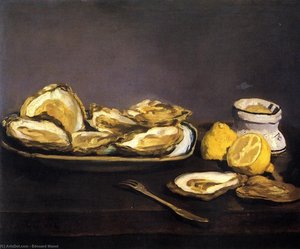 Oysters - Édouard Manet
In Oysters by Édouard Manet, the vibrant, sun-drenched yellow of the scattered lemons provides a striking contrast to the cool, pearlescent greys of the oyster shells, setting a mood of refreshing vitality and sensory indulgence. This masterful use of color—balancing citrus brightness with muted, earthy tones—is precisely why this work stands as one of the top 25 artworks in 'National Gallery of Art, Washington' . Manet captures the glistening, wet textures of the seafood through a brilliant interplay of light and shadow, a technique that bridges Realism and Impressionism. For the modern collector, this specific color scheme offers an exquisite way to curate a dining space; the palette’s ability to evoke freshness and sophisticated leisure can transform a contemporary room into an atmosphere of timeless elegance. Whether you are looking to introduce a splash of organic energy or a calm, neutral foundation, Manet's composition serves as a perfect blueprint for high-end interior styling.
Italian Comedians (detail) - Jean-Antoine Watteau
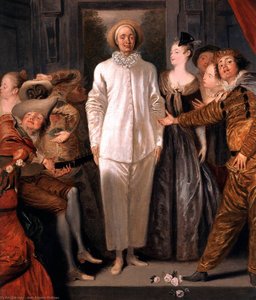 Italian Comedians (detail) - Jean-Antoine Watteau
Imagine stepping into a moonlit garden where the boundaries between theater and reality dissolve into a soft, pastel haze. Within the prestigious halls of the National Gallery of Art, Washington, few works capture this ephemeral magic as exquisitely as Italian Comedians (detail) by Jean-Antoine Watteau . As one of the top 25 artworks in the National Gallery of Art, Washington, this piece serves as a vital window into the birth of Rococo elegance.
Moving away from the heavy, heroic drama of the Baroque, Watteau utilizes a delicate, luminous brushstroke and translucent glazes to create an atmosphere of dreamy serenity. The subtle interplay of light on fabric and the graceful, theatrical poses of the figures evoke the fête galante —a celebration of aristocratic leisure and fleeting joy. To behold this detail is to experience the artist's mastery of color and emotion, a timeless grace that continues to transform contemporary spaces with its quiet, sophisticated charm.
Nativity - Duccio di Buoninsegna
 Nativity - Duccio di Buoninsegna
The Nativity by Duccio di Buoninsegna exists as a fragment of celestial light frozen in the delicate medium of tempera. As one of the most significant treasures within the National Gallery of Art, Washington, this 1308 masterpiece stands among the top 25 works for its profound role in bridging the gap between the rigid Byzantine tradition and the burgeoning humanism of the Sienese School. Within its intimate frame, a universe of devotion unfolds; the deep, soulful blues of Mary’s robes contrast with the warm, earthy tones of the rustic cave, while the subtle play of light on the infant Christ breathes life into the panel. Every brushstroke whispers of the transition toward naturalism, from the tender expressions to the symbolic presence of the ox and donkey. For the modern collector, a hand-painted reproduction of such a pivotal moment offers more than mere decoration; it introduces an atmosphere of timeless reverence and historical weight, allowing the quiet majesty of the Trecento period to anchor the sophistication of a contemporary space.
Self Portrait (8) - Paul Cézanne
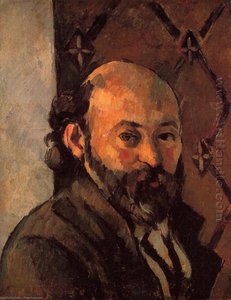 Self Portrait (8) - Paul Cézanne
There’s a gaze in Self Portrait (8) by Paul Cézanne that follows you—not with judgment, but with understanding . This isn’t a portrait; it’s a mirror . Its spot in the Top 25 is a testament to its power to make the invisible visible. Now, imagine that gaze in your space. Not watching you, but reminding you : you are seen. You are part of the story.
In this 1880 masterpiece within the National Gallery of Art, Washington, Cézanne captures more than just his likeness; he captures the very architecture of perception. Through meticulous, exploratory brushstrokes and structured planes of color, the artist builds a face that feels both solid and ephemeral. The subtle texture of his suit and the quiet depth of the patterned background invite a profound contemplation of form. As the pioneer who bridged Impressionism and Cubism, Cézanne’s work offers a window into the evolution of modern sight. To encounter such a study of light and structure is to witness the moment art began to redefine reality.
La mousme - vincent willem van gogh
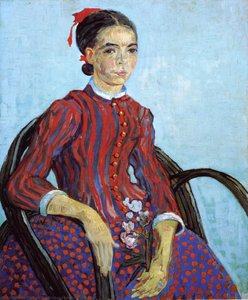 La mousme - vincent willem van gogh
In La Mousmé , Vincent van Gogh orchestrates a brilliant interplay of color that functions as its own radiant light source. Rather than traditional chiaroscuro, the artist utilizes an intense, luminous contrast between the subject’s fiery red hair and her crimson dress against an ethereal, sun-drenched blue background. This vibrant luminosity captures the very essence of his Arles period, securing its place among the top 25 artworks in the National Gallery of Art, Washington . The thick, expressive impasto strokes create a tactile surface that catches the light, making the portrait feel as though it is pulsing with life.
For the discerning collector, owning a hand-painted oil reproduction of this masterpiece allows you to bring this same radiant energy into your home. A faithful recreation on 100% cotton canvas preserves these heavy brushstrokes and deep tonal ranges, adding a layer of historical prestige and textured luxury to any contemporary wall, transforming a modern space into a private gallery of the masters.
Napoleon in his Study - Jacques-Louis David
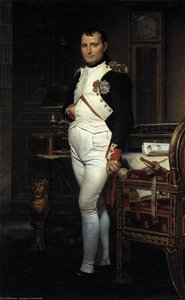 Napoleon in his Study - Jacques-Louis David
While Jacques-Louis David is often remembered for the blood and heroism of the Oath of the Horatii , his 1812 masterpiece, Napoleon in his Study , reveals a much more intimate, psychological dimension of power. As one of the most profound entries among the top 25 artworks in the National Gallery of Art, Washington, this canvas utilizes Neoclassical precision to transform a private moment into a monumental political statement.
David meticulously balances the composition, placing Napoleon amidst a sea of legal texts and scattered papers that suggest a mind burdened by the heavy machinery of governance. The prominent clock serves as a haunting symbol of the relentless passage of time and the necessity of decisive action. Through subtle light and shadow, the artist captures not a conquering general, but a contemplative ruler wrestling with the weight of an empire.
The same atmosphere of intense focus and intellectual rigor found in this historical study can serve as a profound inspiration for anyone seeking to cultivate a sophisticated, productive environment within a modern home office or personal workspace.
Home Sweet Home - Winslow Homer
 Home Sweet Home - Winslow Homer
In Home Sweet Home , the lines are not merely drawn; they are choreographed . This 1863 masterpiece by Winslow Homer is far more than a landscape; it is a dance frozen in time , capturing the profound tension between the biting chill of the American Civil War and the flickering warmth of human resilience. As one of the most moving selections among the top 25 artworks in the National Gallery of Art, Washington, it transports us to a desolate coastal setting where a solitary soldier finds sanctuary by a campfire.
Homer masterfully balances the heavy, atmospheric gloom of the coast with the soft, communal glow of the hearth, turning a moment of wartime fatigue into a powerful symbol of domestic longing. The brushwork breathes life into the cold wind and the quiet dignity of the men gathered there. What if your own walls could breathe rhythm ? Imagine bringing this same sense of historical harmony and emotional depth into your home, allowing a piece of American history to anchor your space with its enduring spirit.
Woman Holding a Balance - Johannes Vermeer
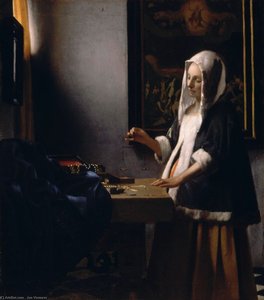 Woman Holding a Balance - Johannes Vermeer
In Woman Holding a Balance by Johannes Vermeer, one is immediately struck by the profound stillness that permeates the scene, as if time itself has paused to witness a moment of quiet introspection. The woman’s focused, downward gaze toward the delicate scales captures an intimate psychological depth, reflecting the universal human struggle to find equilibrium between worldly possessions and spiritual virtue. As one of the most poignant pieces within the top 25 artworks in the National Gallery of Art, Washington , this masterpiece transcends its 17th-century Dutch setting through its masterful use of luminous chiaroscuro and soft, diffused light. The subtle shimmer of pearls and the weightless tension of the balance serve as a mirror to our own internal deliberations. To invite such a powerful emotional resonance into your own home—perhaps through a meticulously hand-painted oil reproduction—is to transform a mere room into a personal sanctuary for profound reflection and enduring calm, where the quiet beauty of the Dutch Golden Age can inspire daily tranquility.
Madonna and Child (The Large Cowper Madonna) - Raphael
 Madonna and Child (The Large Cowper Madonna) - Raphael
There’s a gaze in Madonna and Child (The Large Cowper Madonna) by Raphael that follows you—not with judgment, but with understanding . This isn’t merely a portrait; it is a mirror . Its place among the top 25 artworks in the National Gallery of Art, Washington, is a testament to its power to make the invisible visible. Raphael, at the zenith of the High Renaissance, employs a masterful pyramidal composition and delicate chiaroscuro to sculpt the divine figures from soft light and deep shadow.
The painting breathes with the tender intimacy of maternal love and celestial grace, capturing a moment of profound spiritual stillness. Now, imagine that gaze in your own space. Not watching you, but reminding you : you are seen. You are part of the story. To bring this Renaissance icon into a home is to invite an eternal, serene harmony that transcends time, connecting the modern soul to the very heart of art history.
The Strollers (study for 'Luncheon on the Grass' - Claude Monet
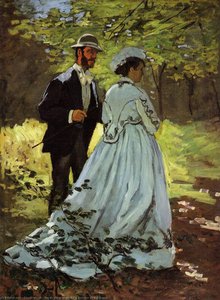 The Strollers (study for 'Luncheon on the Grass' - Claude Monet
What story does the dappled, sun-drenched woodland in Claude Monet’s The Strollers tell us about the fleeting nature of time? Painted in 1865 as a preparatory study for his monumental vision, this work captures the very dawn of Impressionism. It emerged during an era of profound artistic rebellion, where Monet sought to move beyond academic rigidity by focusing on the ephemeral play of light and shadow. As a vital inclusion among the top 25 artworks in the National Gallery of Art, Washington , it showcases the artist's mastery in translating atmosphere over mere detail.
The tranquil, nostalgic setting of this woodland encounter offers a timeless escape, making it an ideal inspiration for modern interiors seeking a sense of historical depth. Owning a hand-painted reproduction of such a masterpiece allows you to bring this light-drenched sanctuary into your own home, creating a curated space that breathes with the serene energy of the 19th-century French countryside.
Conclusion
To walk through the halls of the National Gallery of Art is to witness the pulse of human history captured in pigment and oil. The masterpieces we have explored—from the structural brilliance of Cézanne to the vibrant, emotive dance of Matisse—are far more than mere relics of a bygone era; they are living dialogues between the artist’s soul and our own. As the light fades on this exploration of the Chester Dale Collection, one realizes that the true power of these works lies not solely in their preservation behind museum glass, but in their ability to breathe life into the spaces we inhabit.
There is a profound grace in surrounding oneself with such timelessness, allowing the deep textures of a hand-painted stroke or the soft glow of an Impressionist landscape to serve as daily reminders of our shared capacity for beauty and innovation. We invite you to carry this inspiration beyond the museum walls and integrate these legendary visions into your own sanctuary, transforming your home into a living gallery of the human spirit. You may continue your journey through this storied legacy by exploring our full collection , where each piece offers an opportunity to live alongside the masters.