The Rise of Society Portraiture: Birley’s Historical Context
The exhibition includes portraits of historical luminaries such as Sir Winston Churchill and his political sparring partner Stanley Baldwin, ...
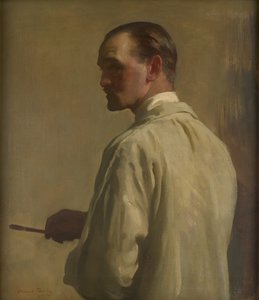
The early decades of the 20th century witnessed a fascinating confluence of social change and artistic tradition, a period perfectly encapsulated within the canvases of Sir Oswald Hornby Joseph Birley. To understand his remarkable success as a portraitist – becoming, in essence, *the* painter of England’s governing classes – one must first appreciate the evolving role of portraiture itself. No longer solely reserved for commemorating monarchs and military heroes, the societal portrait began to reflect a broader spectrum of influence: industrialists, politicians, intellectuals, and those who shaped the cultural landscape. This shift coincided with a burgeoning sense of national identity following the Victorian era, coupled with a desire amongst the newly affluent to establish their lineage and status through artistic representation. Birley arrived on this scene at precisely the right moment, possessing not only technical brilliance but also an innate understanding of the subtle power dynamics inherent in depicting his subjects.
Born into an old Lancashire family with roots tracing back to the Peterloo Massacre – a historical detail that perhaps imbued him with a sensitivity towards social responsibility – Birley’s early education at Harrow and Trinity College provided a foundation for appreciating both classical ideals and contemporary life. However, it was his service in World War I, initially with the Royal Fusiliers and later within the Intelligence Corps, that arguably shaped his perspective. The war years instilled a sense of duty and observation, qualities that would become hallmarks of his artistic approach. He wasn’t merely painting faces; he was documenting an era, preserving the likenesses of those who navigated a period of unprecedented upheaval.
A Painter of Power: Commissioned by Royalty and Political Leaders
 Wikipedia: Oswald Birley
Sir Oswald Hornby Joseph Birley (31 March 1880 – 6 May 1952) was an English portrait painter and royal portraitist in the early part of the 20th century. == Early life and family == Birley was born in New Zealand to Hugh Francis Birley (1855–1916)...
Birley's ascent to prominence wasn’t accidental. He cultivated relationships with key figures in British society, quickly becoming known for his ability to flatter without sacrificing integrity – a delicate balance that few portraitists achieve. His commissions read like a roll call of 20th-century power brokers: Sir Winston Churchill, Stanley Baldwin, George V, Queen Mary, and later, George VI and Queen Elizabeth. These weren’t simply aesthetic exercises; they were strategic investments in legacy, carefully crafted images designed to project authority, stability, and national pride. The portraits of Churchill, in particular, are iconic, capturing the Prime Minister's indomitable spirit during times of war and peace.
Beyond the Royal Family, Birley’s clientele extended to prominent industrialists like Andrew Mellon and Bernard Baruch, demonstrating his international appeal. He painted Mahatma Gandhi – a truly remarkable portrait, one of the first hung in the Lok Sabha after Indian Independence – showcasing an openness to subjects beyond the traditional elite. This willingness to engage with diverse figures underscores his broader artistic vision; he wasn’t limited by social constraints but rather sought to capture the essence of individuals who left their mark on the world. His ability to portray both British and international leaders cemented his reputation as a painter capable of transcending national boundaries.
Beyond Likeness: Birley's Skill in Capturing Character and Emotion
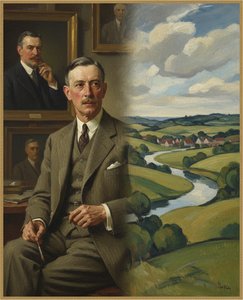
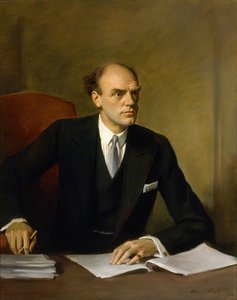
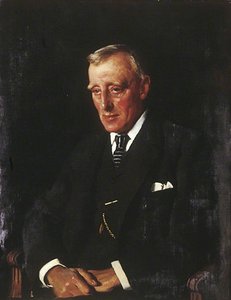
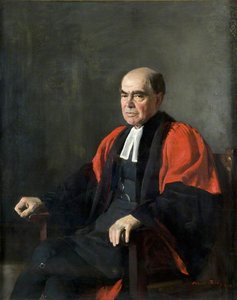
What truly distinguished Birley from many of his contemporaries was his capacity to move beyond mere physical resemblance. He wasn’t simply reproducing features; he was delving into the *soul* of his subjects, capturing their inner lives with a remarkable degree of sensitivity. His portraits possess an emotional depth that resonates even today. Observe the subtle nuances in his depiction of Sir Frederick Cripps, Chairman of Gloucestershire County Council – the intelligence and quiet determination etched onto his face. Or consider the regal composure of George VI, radiating authority yet hinting at the burdens of leadership.
Birley achieved this through a masterful understanding of light and shadow, employing a technique that emphasized form and texture. He wasn’t afraid to reveal imperfections – wrinkles, lines, even moments of vulnerability – believing they contributed to the authenticity of the portrait. This willingness to embrace realism, rather than idealizing his subjects, is what sets his work apart. He understood that true power lies not in flawless perfection but in the complexities and contradictions of human character.
Technical Mastery: Materials, Style, and the Birley Aesthetic
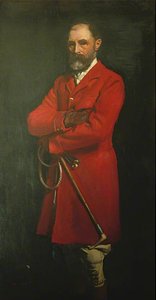
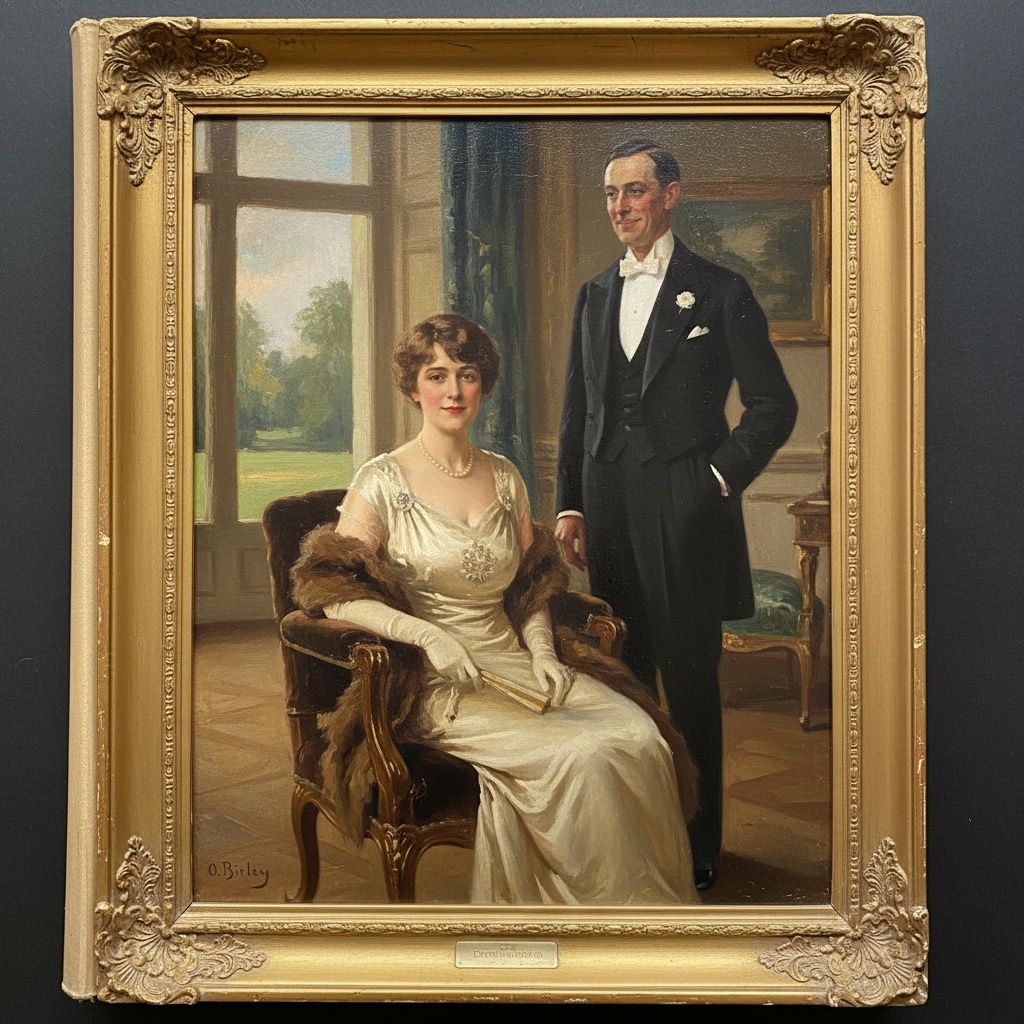
Birley’s technical prowess was undeniable. He worked primarily in oil on canvas, employing traditional methods honed through years of dedicated practice. His brushstrokes were visible yet controlled, creating a sense of depth and movement that brought his subjects to life. He favored a classical approach to composition, often placing his sitters against simple backgrounds to draw attention to their faces and expressions. However, he wasn’t afraid to experiment with color and texture, subtly adapting his style to suit the individual personality of each subject.
His palette was typically restrained, favoring earth tones and muted shades that conveyed a sense of sophistication and gravitas. He paid meticulous attention to detail – the fabric of clothing, the gleam of jewelry, the subtle play of light on skin – ensuring that every element contributed to the overall impression of realism and authenticity. The quality of his materials was paramount; he used only the finest oils and canvases, believing they were essential for creating paintings that would endure for generations.
Birley's Enduring Legacy and Influence on 20th-Century Art
Although Birley’s work sometimes fell out of favor with critics who championed more avant-garde styles, his influence remained profound. He established a standard for society portraiture that few have matched, capturing the spirit of an era with unparalleled skill and sensitivity. His paintings continue to hang in prestigious institutions and private collections around the world, serving as enduring reminders of the individuals who shaped 20th-century Britain.
A major retrospective exhibition at Philip Mould & Company gallery in 2017 brought renewed attention to his work, highlighting his artistic legacy and demonstrating the timeless appeal of his portraits. Robin Birley, his grandson, initiated this exhibition, recognizing the importance of preserving his grandfather’s contribution to art history. Today, collectors recognize Birley not merely as a skilled craftsman but as a chronicler of an age, a painter who captured the essence of power, character, and emotion with remarkable depth and nuance.
Collecting Birley Today: Investment & Appreciation of a British Master
Investing in a Sir Oswald Birley portrait is more than acquiring a beautiful artwork; it’s owning a piece of history. His paintings are increasingly sought after by collectors who appreciate their artistic merit, historical significance, and enduring value. The rarity of his works – many remain within the families they were originally commissioned for – further enhances their desirability.
When considering a Birley acquisition, it’s essential to assess provenance, condition, and subject matter. Portraits of prominent figures like Churchill or members of the Royal Family command particularly high prices. However, even lesser-known works can be valuable investments, offering a glimpse into the lives of those who shaped British society. ArtsDot.com offers meticulously crafted reproductions of Birley’s masterpieces, allowing art enthusiasts to experience his artistry firsthand. Whether you seek an investment piece or simply wish to adorn your home with a timeless work of art, Sir Oswald Birley's portraits represent a legacy of British elegance and enduring artistic excellence. Explore our collection today and discover the captivating world of this remarkable painter.