The Dawn of a New Aesthetic: Contextualizing the High Renaissance
Mannerism is a style in European art that emerged in the later years of the Italian High Renaissance around 1520, spreading by about 1530 and lasting until about the end of the 16th century in Italy, when the Baroque style largely replaced it. Northe...
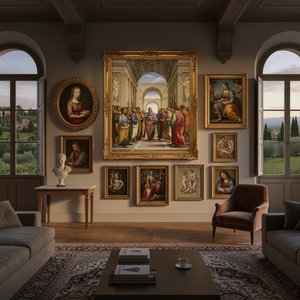
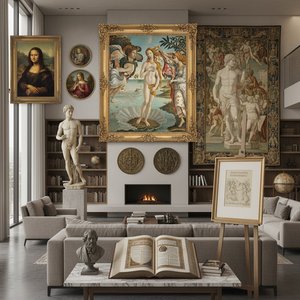
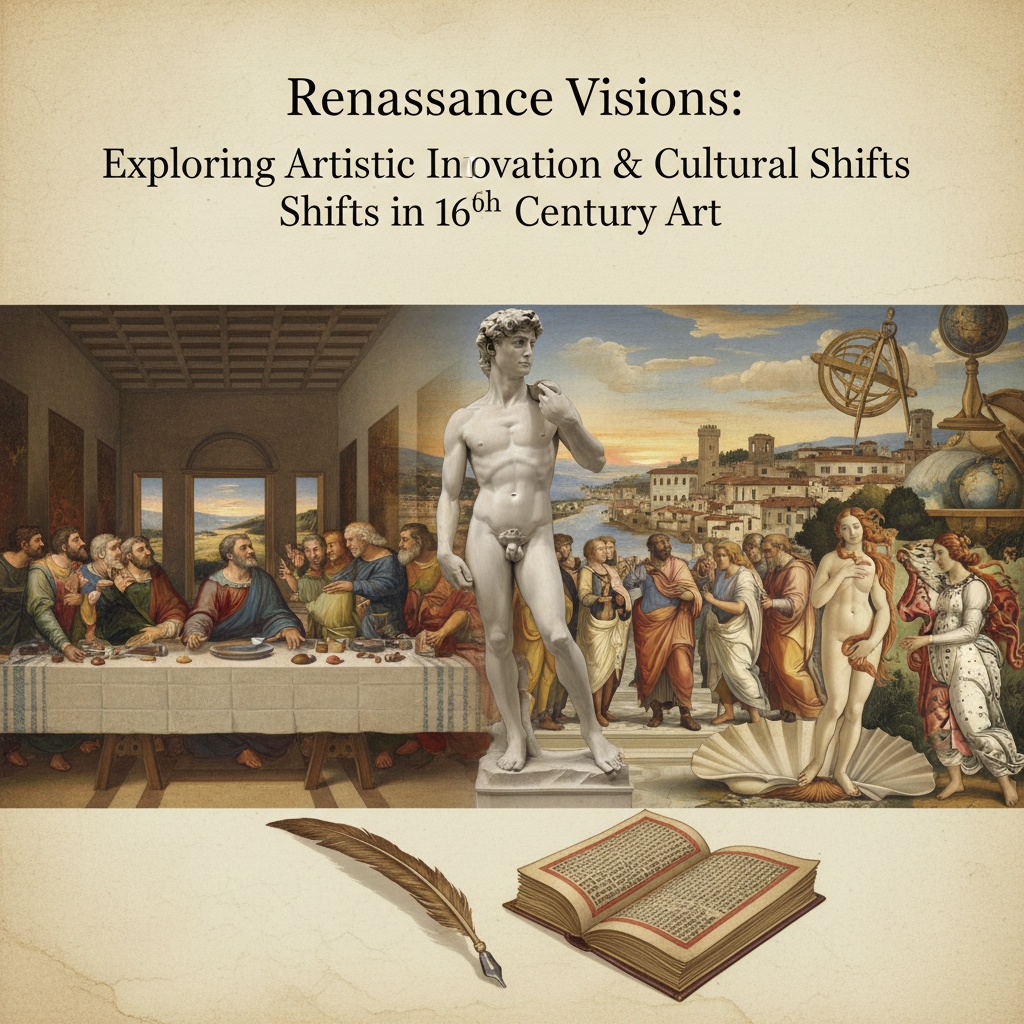
The early decades of the 16th century witnessed not merely a continuation of the Renaissance, but its apotheosis – the High Renaissance. Emerging from the fertile artistic ground laid by figures like Botticelli and Donatello, this period represented a culmination of humanist ideals, scientific inquiry, and an unparalleled mastery of technique. It wasn’t simply about reviving classical forms; it was about surpassing them, imbuing ancient beauty with a newfound psychological depth and emotional resonance. The political landscape of Italy at the time – a patchwork of powerful city-states like Florence, Rome, and Venice – fostered intense competition among patrons, driving artists to ever greater heights of innovation. This era wasn’t born in isolation; it was a response to the preceding artistic currents, building upon the foundations of Early Renaissance realism while simultaneously rejecting its limitations. The rediscovery of classical texts fueled a fascination with proportion, harmony, and the idealized human form, but these weren't treated as rigid rules, rather as starting points for exploration.
Humanism’s Embrace: The Artist as Intellectual & Individual
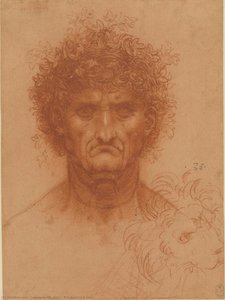
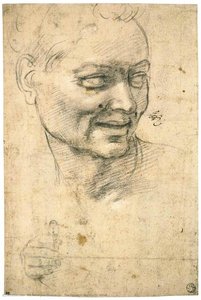 The Resurrection (recto, detail)
/en/artworks/images/full/2b/1e/2b1e66afa7a149f098dfe2cea787b0ad.Jpg
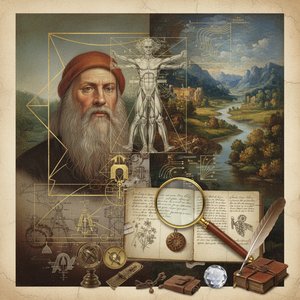
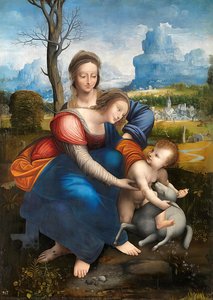
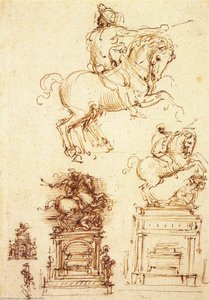
Central to understanding the High Renaissance is the concept of Humanism. This philosophical movement shifted focus from divine matters to the potential and achievements of humankind. Artists were no longer solely considered skilled craftsmen; they became intellectuals, scholars, and even celebrities in their own right. Figures like Leonardo da Vinci embodied this ideal – a polymath equally adept at painting, sculpture, anatomy, engineering, and scientific observation. This pursuit of knowledge profoundly impacted artistic representation. The study of human anatomy, for example, allowed artists to depict the body with unprecedented accuracy and realism, moving beyond stylized forms towards a more naturalistic portrayal of musculature, bone structure, and movement. Raphael’s works, particularly his frescoes in the Vatican Stanze, exemplify this humanist spirit – celebrating classical philosophy, literature, and the pursuit of wisdom. The emphasis on individual expression also became increasingly prominent; artists began to sign their work more frequently, asserting their authorship and establishing a distinct artistic identity.
Mastering Technique: Innovations in Painting, Sculpture & Architecture
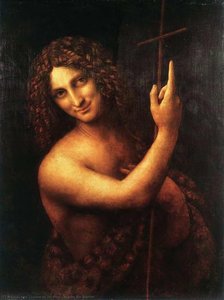
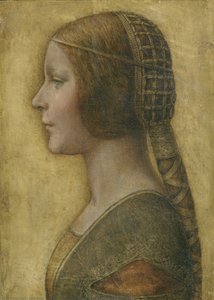
The High Renaissance was defined by groundbreaking technical advancements across all artistic disciplines. In painting, the mastery of sfumato, pioneered by Leonardo da Vinci, created an ethereal softness and atmospheric perspective that blurred lines and softened contours, lending a sense of realism and depth previously unseen. Oil paint became increasingly sophisticated, allowing for richer colors, greater detail, and more nuanced blending techniques. Sculptors like Michelangelo pushed the boundaries of marble carving, achieving astonishing levels of anatomical accuracy and emotional intensity in works such as his *David*. Architecture also underwent a dramatic transformation, with architects drawing inspiration from classical Roman structures – employing domes, arches, and symmetrical designs to create grand, imposing spaces. The use of perspective, both linear and atmospheric, became increasingly refined, creating illusions of depth and realism that drew viewers into the artwork.
From Florence to Rome: Key Artists and Their Defining Works
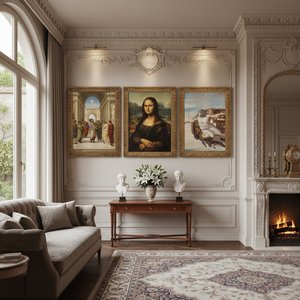
While Florence served as the cradle of the Renaissance, Rome quickly emerged as its epicenter during the High Renaissance. The patronage of Popes like Julius II and Leo X attracted artists from across Italy, transforming the city into a hub of artistic innovation. Raphael frescoes in the Vatican Stanze – *The School of Athens* being perhaps the most iconic – represent the pinnacle of High Renaissance painting, showcasing his mastery of composition, perspective, and humanist themes. Michelangelo’s Sistine Chapel ceiling is another defining work of the period, a monumental undertaking that demonstrated his unparalleled skill as a sculptor and painter. His *Pieta*, sculpted early in his career, remains a testament to his ability to convey profound emotion through marble. Leonardo da Vinci’s contributions, though fewer in number due to his diverse interests, were equally significant – works like the *Mona Lisa* and *The Last Supper* continue to captivate audiences with their enigmatic beauty and technical brilliance.
Mannerism’s Challenge: A Shift Beyond Classical Harmony
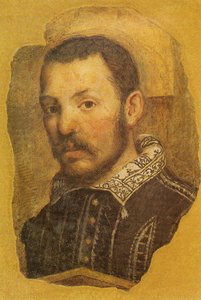 Lattanzio Gambara
Discover Lattanzio Gambara (1530-1574): Italian Renaissance & Mannerist painter of frescoes, altarpieces & religious scenes. Explore his legacy! #ItalianArt
By the mid-16th century, a new artistic style began to emerge – Mannerism. Born as a reaction against the perceived perfection of High Renaissance art, Mannerism embraced artificiality, elegance, and emotional complexity. Artists like Lattanzio Gambara and Giovanni Antonio Sogliani experimented with elongated forms, distorted perspectives, and unconventional compositions. Where High Renaissance artists sought balance and harmony, Mannerist painters deliberately disrupted these principles, creating a sense of tension and unease. The emphasis shifted from naturalistic representation to stylistic virtuosity – showcasing the artist’s skill through complex poses, dramatic lighting, and intricate details. This wasn't necessarily a rejection of classical ideals, but rather an exploration of their limits, pushing boundaries and challenging conventional notions of beauty. The figures in Mannerist paintings often appear elongated and contorted, with exaggerated gestures and ambiguous emotions.
The Enduring Legacy: Renaissance Art’s Influence on Western Culture
The impact of the Renaissance extends far beyond the realm of art history. Its emphasis on humanism, scientific inquiry, and artistic innovation profoundly shaped Western culture, influencing everything from literature and philosophy to politics and religion. The techniques developed during this period – perspective, sfumato, oil painting – continue to be studied and employed by artists today. The masterpieces created by Raphael, Michelangelo, Leonardo da Vinci, and their contemporaries remain iconic symbols of human achievement, inspiring awe and admiration centuries later. ArtsDot.com is proud to offer high-quality reproductions of these timeless works, allowing art enthusiasts to experience the beauty and brilliance of the Renaissance in their own homes. The legacy of this era isn’t simply about replicating past styles; it's about celebrating the power of human creativity and the enduring pursuit of knowledge and beauty.