
The Alchemy of Egg Yolk: Defining the Ancient Tempera Medium
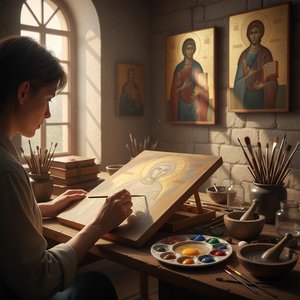
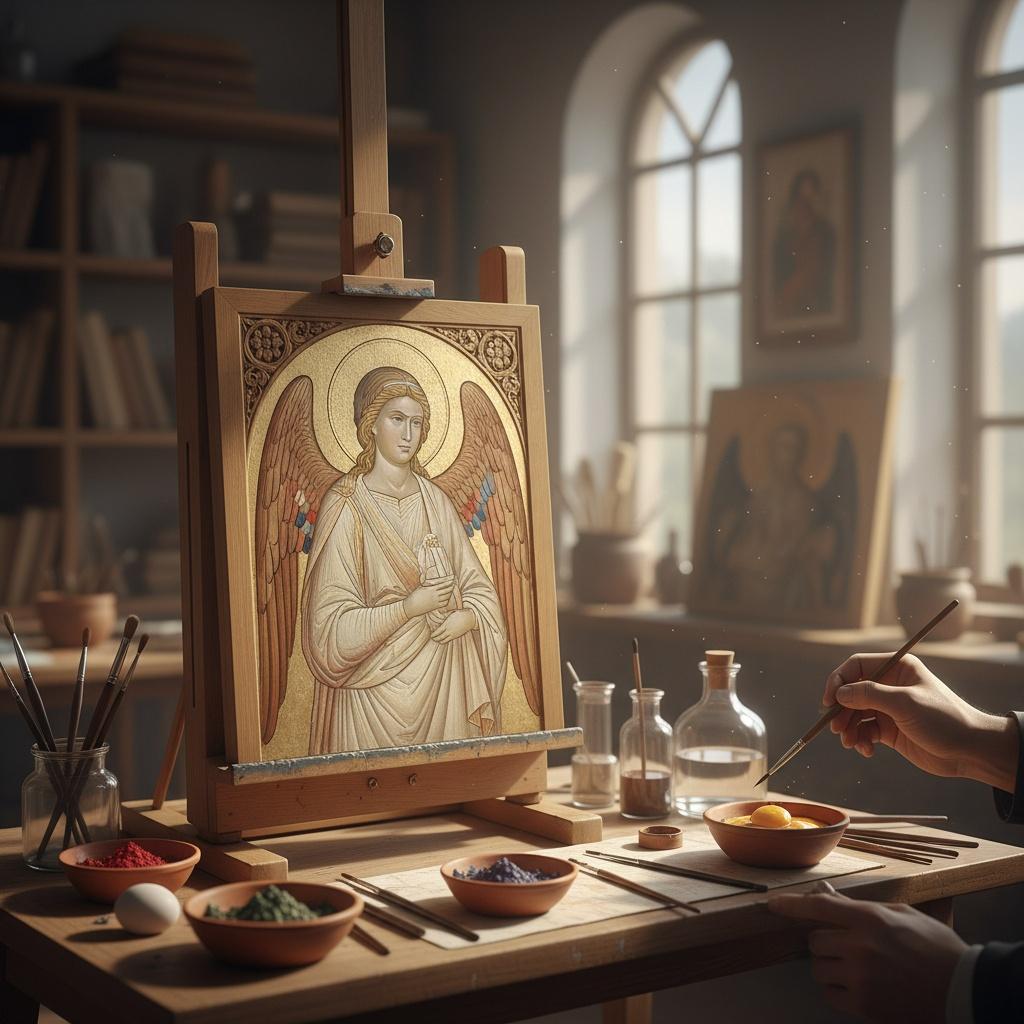
In the quiet, sun-drenched studios of the medieval and early Renaissance masters, the act of painting was less an expression of mere emotion and more a profound exercise in alchemy. At the heart of this transformative process lay egg tempera, a medium that demanded a sacred union between organic matter and the mineral world. Unlike the fluid, expressive freedom found in later oil paintings, tempera required the artist to master a delicate binder: the yolk of an egg.This binding agent, when whisked with water or vinegar, created a substance of remarkable permanence and clarity. The alchemy resided in how this protein-rich emulsion gripped the ground pigments, suspending them in a translucent matrix that allowed light to penetrate the surface and reflect back from the white primer below. To work in tempera was to embrace a medium of luminosity and restraint, where every stroke was a calculated decision, and every layer contributed to a crystalline brilliance that has survived centuries of atmospheric change.
Preparing the Sacred Surface: The Art of Wood Panel Priming and Gesso
Before a single drop of pigment could touch the artist's palette, the foundation had to be prepared with architectural rigor. The medium of choice was almost always a sturdy wood panel, often crafted from poplar or oak, which provided the necessary stability for the delicate layers to follow. However, raw wood is a living, breathing entity, prone to warping and cracking; thus, the artist had to create a barrier that was both protective and reflective. Preparation was as much an art as the painting itself.The surface was meticulously coated with Gesso, a multi-layered preparation of animal glue and calcium carbonate or gypsum. Each layer of gesso was sanded until it achieved a smoothness akin to ivory. This white, brilliant ground served a dual purpose: it provided a stable, non-absorbent substrate for the tempera and acted as a mirror. Because tempera is inherently translucent, the light passing through the pigment layers would strike this pristine white gesso and bounce back, imbuing the artwork with an inner glow that characterizes the entire era of panel painting.
Pigments and Precision: The Technical Rigor of Early Renaissance Artistry
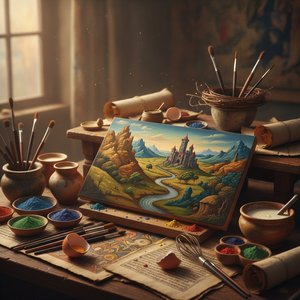
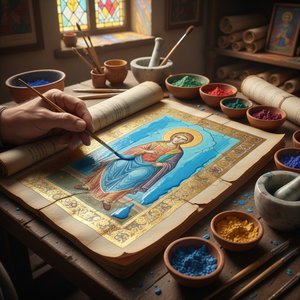
The technical demands of egg tempera necessitated a discipline akin to mathematical precision. Because the medium dries almost instantaneously upon contact with the gesso, the artist was denied the luxury of blending or "smudging" colors as one might with oil. There was no room for error; once a stroke was laid, it was permanent. This constraint gave rise to a unique aesthetic language defined by hatching and cross-hatching.Artists would build up color through thousands of tiny, overlapping strokes, creating gradients of light and shadow through density rather than fluidity. The pigments themselves were treasures of the earth:
- Lapis Lazuli, ground into a celestial ultramarine blue that signaled wealth and divinity;
- Malachite, providing deep, verdant greens for landscapes and robes;
- Earth Ochres, offering the warm, grounded tones of the human form.
Echoes of Greatness: Analyzing Masterpieces by Giotto, Botticelli, and Cimabuue
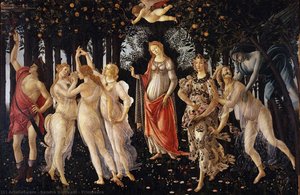
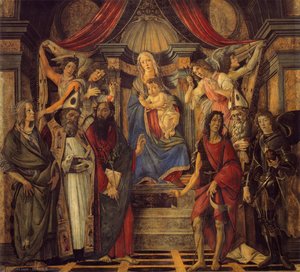
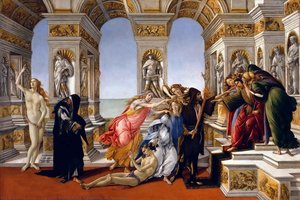
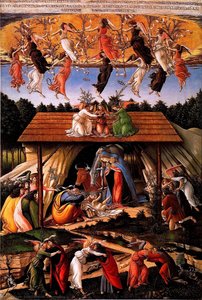
To witness the triumphs of this medium is to see the history of Western emotion unfolding on wood. In the works of Cimabuue, such as his poignant Crucifix detail from 1268, we see the raw, early Renaissance power of the technique—the way the heavy impasto and halo effects use light to emphasize profound sorrow. Following him, the legendary Giotto revolutionized the medium by using tempera to introduce a sense of weight and three-dimensional volume that had never before been seen in the flat, symbolic world of Gothic art.As we move toward the height of the Renaissance, the grace of Sandro Botticelli reveals a different facet of the medium's beauty. In works like the Madonna of the Pomegranate, the tempera technique allows for an ethereal, flowing elegance. The fine lines of hair and the delicate translucency of skin are achieved through that same disciplined layering, creating a sense of divine grace that feels both physically present and spiritually transcendent. These masters did not merely paint; they used the constraints of tempera to sculpt light and shadow into eternal icons.
The Evolution of Light: Transitioning from Tempera to the Oil Revolution
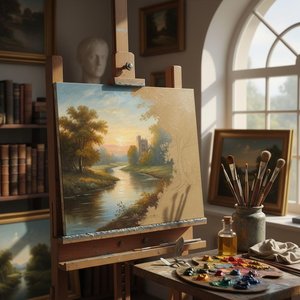
As the centuries progressed, a new chemical language began to emerge, one that would eventually challenge the supremacy of the egg yolk. The rise of oil painting—pioneered by masters like Jan van Eyck—offened a different kind of magic: the ability to blend, to create soft transitions (*sfumato*), and to achieve deep, saturated shadows through slow-drying resins. This transition marked a shift from the structured, crystalline brilliance of tempera to the rich, atmospheric depth of oil.Yet, even as the world moved toward the heavy textures and impasto of the Baroque era, the legacy of tempera on panel remained an indelible part of our artistic DNA. The precision, the reverence for the substrate, and the pursuit of inner luminosity established a standard of excellence that continues to inspire collectors and artists alike. While oil brought the drama of shadow, it was tempera that first taught us how to capture the very essence of light.