The Foundations of Patronage: From Ancient Rome to the Renaissance
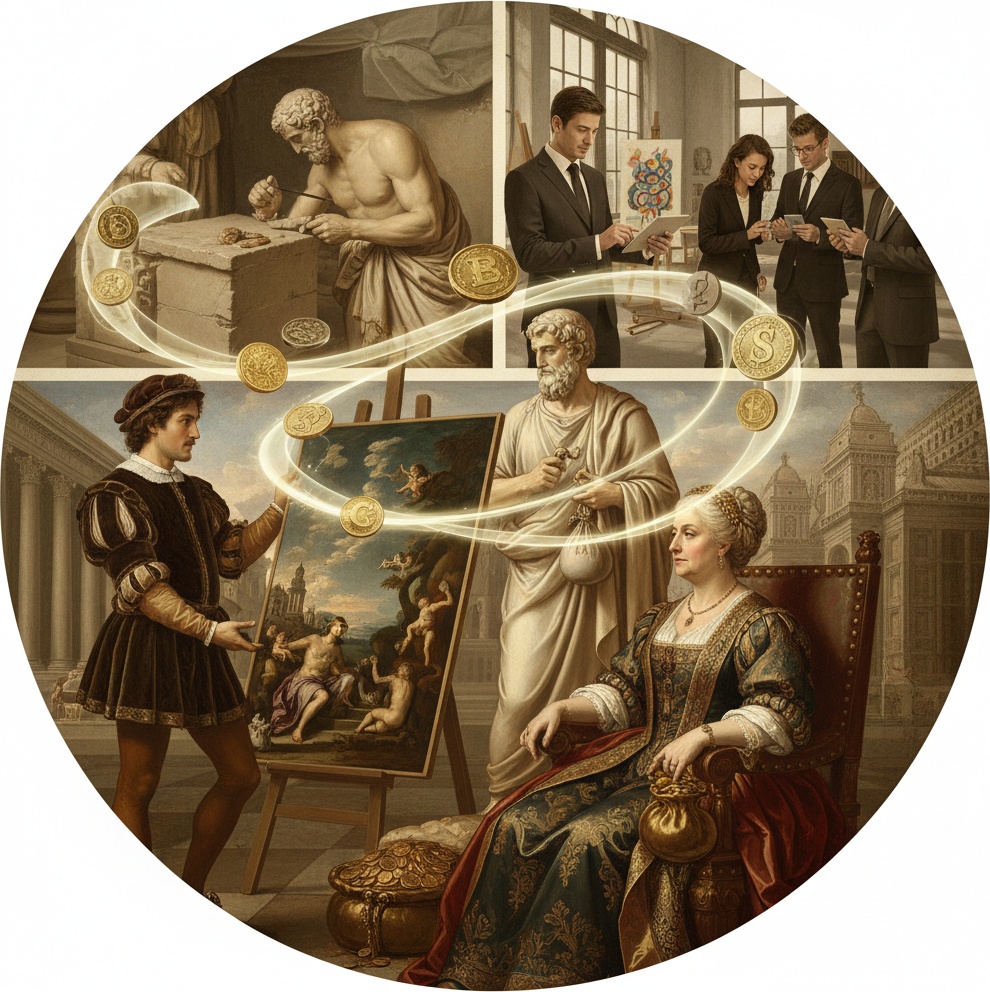
Patronage is the support, encouragement, privilege, or financial aid that an organization or individual bestows on another. In the history of art, art patronage refers to the support that princes, popes, and other wealthy and influential people have ...
The impulse to commission art, to shape beauty through financial support, is as old as civilization itself. While we often associate patronage with the Italian Renaissance—and rightly so—its roots stretch back millennia, finding fertile ground in the ambition and power dynamics of ancient Rome. Emperors weren’t merely rulers; they were builders, commissioning colossal architectural projects like the Colosseum not simply for entertainment but as potent symbols of imperial glory and their own enduring legacy. Statuary proliferated, depicting gods, heroes, and increasingly, idealized portraits of the emperors themselves, solidifying their image in the public consciousness. This wasn’t merely aesthetic pursuit; it was a calculated exercise in political messaging, a visual assertion of dominance and cultural authority. The Roman model—the lavish expenditure on art as a demonstration of power—would serve as a crucial precedent for Renaissance patrons centuries later, providing both inspiration and justification for their own ambitious undertakings.
However, the fall of Rome didn’t extinguish this desire. Throughout the medieval period, the Church became the primary patron, commissioning magnificent cathedrals, illuminated manuscripts, and devotional paintings. These works weren't focused on individual glory but on glorifying God and reinforcing religious doctrine. Yet even within this framework, elements of personal prestige existed; wealthy bishops and abbots often funded projects to enhance their own status and secure a place in history. The Renaissance, then, wasn’t so much an invention of patronage as it was a *revival*—a conscious return to the classical ideals of artistic excellence and individual expression, coupled with a renewed emphasis on humanist philosophy.
Florence’s Golden Age: The Medici Family & Artistic Flourishing
No family embodies the spirit of Renaissance patronage more completely than the Medici. Rising from humble banking origins in Florence, they amassed immense wealth and wielded considerable political influence—often operating *behind* the formal structures of power. Cosimo de’ Medici, beginning in the 15th century, understood that art wasn't simply a luxury; it was an investment – an investment in his family’s reputation, their authority, and the very identity of Florence itself. He commissioned works from Donatello, Fra Angelico, and countless others, transforming the city into a vibrant hub of artistic innovation.
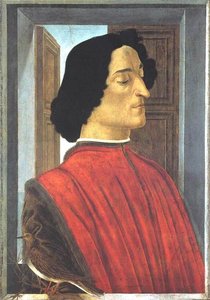
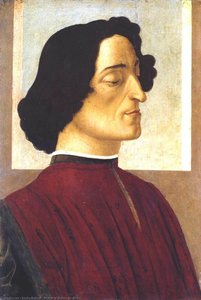
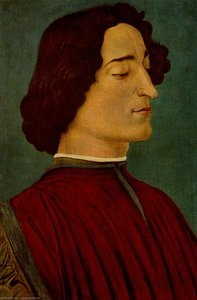
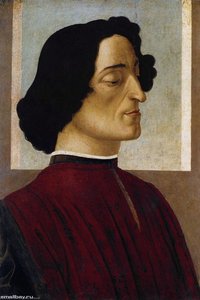
His successors—Lorenzo de’ Medici, known as “Il Magnifico,” and his grandson Lorenzo di Piero de’ Medici—continued this tradition with even greater fervor. They established academies for artists, fostered intellectual discourse, and actively sought out talent from across Italy. The Palazzo Medici became a center of artistic production, and the family's influence extended to nearly every aspect of Florentine life. The *Birth of Venus* by Sandro Botticelli, commissioned by the Medici, is perhaps one of the most iconic examples of their patronage—a celebration of classical mythology that simultaneously showcased Florence’s cultural sophistication and the family’s refined taste.
Beyond Wealth: Motivations Behind Renaissance Commissions
In art, a commission is the act of requesting the creation of a piece, often on behalf of another. Artwork may be commissioned by private individuals, by the government, or businesses. Commissions often resemble endorsement or sponsorship. In classic...
While wealth was undoubtedly a prerequisite for patronage, it wasn't the sole driving force. Giovanni Rucellai, another prominent Florentine patron, articulated his motivations in his personal memoir, revealing a complex interplay of religious devotion, civic pride, and self-commemoration. He believed that commissioning art “served the honor of God as well as the honor of the city and the commemoration of myself.” This desire for lasting recognition—to leave one’s mark on the world—was a powerful motivator. Furthermore, patronage was simply *enjoyable*. Rucellai famously noted that he found more pleasure in spending his wealth than earning it, suggesting a genuine appreciation for the beauty and craftsmanship involved.
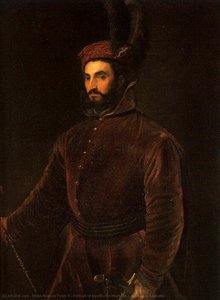
The act of commissioning also allowed patrons to actively shape their own identities. They weren’t passive investors; they often dictated specific details of the artwork—subject matter, composition, even the inclusion of portraits or symbolic elements that reflected their values and aspirations. Bronzino's *Portrait of a Young Man*, for example, is replete with subtle cues about the sitter’s sophistication and learning, carefully orchestrated by the patron to project a particular image.
The Artist's Ascent: How Patronage Shaped Status and Innovation
Prior to the Renaissance, artists were largely considered skilled craftsmen—manual laborers. However, the patronage system gradually elevated their status. As patrons increasingly valued individual skill and artistic innovation, artists began to earn greater respect—and higher fees. The demand for originality spurred experimentation with new techniques and styles. The development of linear perspective, pioneered by artists like Masaccio and Brunelleschi, was directly linked to the desire to create more realistic and immersive depictions of the world—a response to the patrons’ growing appreciation for naturalism.
Artists also benefited from the competitive environment fostered by multiple patrons. The rivalry between Florence and Venice, for example, led to a flourishing of artistic talent as each city sought to outdo the other in terms of cultural achievement. This competition not only drove innovation but also created opportunities for artists to showcase their skills and gain recognition.
Symbolism, Materials, and Power: Decoding Renaissance Art
Renaissance paintings weren’t simply beautiful images; they were coded messages filled with symbolism, political power plays, and displays of luxury. The materials used—pigments, textiles, gold leaf—were often as significant as the subject matter itself. Ultramarine blue, derived from rare lapis lazuli, was reserved for the most important figures, signaling piety and prestige. Exotic fabrics and imported carpets demonstrated wealth and access to global trade networks.
The Procession of the Magi* by Benozzo Gozzoli offers a fascinating example of this symbolism. The fresco depicts a lavish procession with Medici family members subtly integrated into the scene, asserting their authority and connection to religious events. Artists also employed complex iconographic programs—carefully chosen symbols and allegories that conveyed specific meanings to contemporary viewers. Understanding these visual cues is essential for fully appreciating the depth and complexity of Renaissance art.
A Lasting Legacy: The Enduring Impact of Patronage on the Art World
The legacy of Renaissance patronage extends far beyond the 15th and 16th centuries. It established a model for artistic support that continues to shape the art world today. While the dynamics have evolved—with museums, galleries, and private collectors now playing prominent roles—the fundamental principle remains: art requires investment. The masterpieces created during the Renaissance wouldn’t exist without the vision and generosity of patrons like the Medici family.
At ArtsDot.com, we believe in making these timeless works accessible to everyone. Whether you're seeking a handmade oil painting reproduction or a museum-quality print, our commitment to craftsmanship and authenticity ensures that you’ll receive an artwork worthy of your appreciation. Explore our extensive collection and discover the beauty and enduring power of Renaissance art—a legacy born from the currency of vision.