The Essence of Baroque: Defining an Era of Grandeur and Emotion
To step into the world of the Baroque is to abandon the quiet, balanced stillness of the Renaissance and embrace a whirlwind of movement, tension, and unbridled passion. Emerging in the late 16th century, the Baroque era was not merely a stylistic shift but a profound psychological revolution in visual storytelling. It was an age where art sought to overwhelm the senses, designed to inspire awe, devotion, and even a sense of divine terror. Unlike the serene, mathematical perfection of its predecessors, Baroque art thrives on the edge of chaos, capturing moments of peak intensity where the boundary between the earthly and the divine becomes perilously thin.
This era was fueled by the grand ambitions of the Counter-Reformation and the rise of absolute monarchies, both of which utilized the sheer scale and theatricality of art to assert power. Whether through the soaring ceilings of Roman churches or the opulent canvases of royal palaces, the Baroque aesthetic demanded attention. It is a period defined by grandeur, where every brushstroke serves to heighten the emotional stakes of the narrative, inviting the viewer not just to observe, but to participate in the unfolding drama.
Chiaroscuro and Tenebrism: The Mastery of Light and Shadow
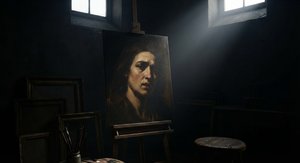
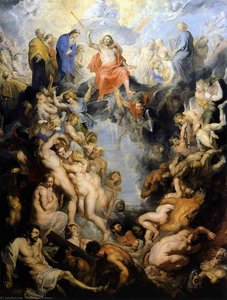
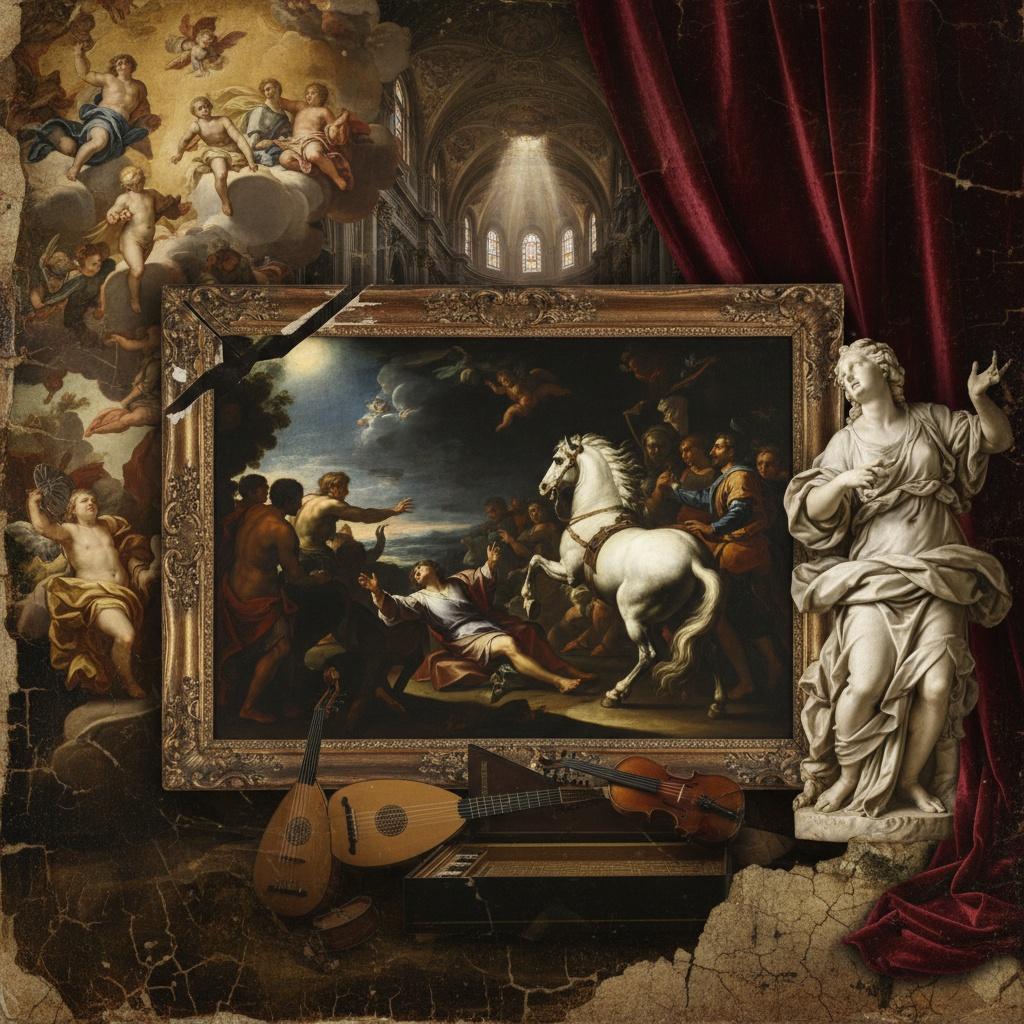
At the very heart of the Baroque's visceral impact lies its most celebrated technical achievement: the manipulation of light. The era perfected the use of chiaroscuro, a technique involving the bold contrast between light and dark to create a sense of three-dimensional volume and dramatic tension. However, the Baroque pushed this concept even further into the realm of tenebrism—a more extreme form of chiaroscuro where darkness becomes the dominant force, swallowing much of the composition and leaving only key figures or moments illuminated by a harsh, theatrical spotlight.
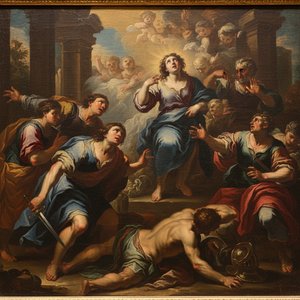
This interplay of light and shadow does far more than provide depth; it functions as a narrative tool. In the works of masters like Luca Giordano, one can witness how luminous highlights pierce through deep, murky shadows to reveal the divine struggle within an allegorical scene. This technique directs the eye with surgical precision, forcing the viewer to confront the most emotionally charged elements of the painting. The darkness represents the unknown, the mortal, or the void, while the light symbolizes revelation, sanctity, or life itself. Through this rhythmic pulse of illumination and obscurity, the Baroque artist breathes a haunting, lifelike energy into the canvas.
Mythology and Allegory: Narratives of Divine Power and Human Passion
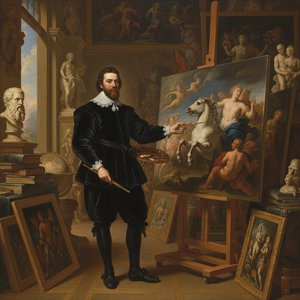
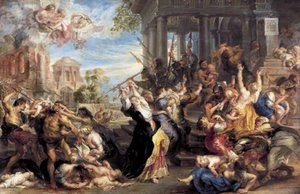
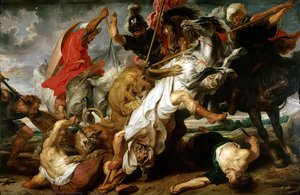
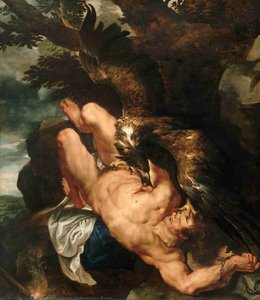
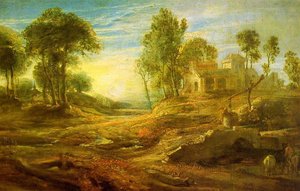
The subject matter of the Baroque era was as expansive and turbulent as its lighting techniques. Artists drew heavily from classical mythology and religious iconography to weave complex allegories that spoke to the human condition. These were not mere illustrations of ancient tales; they were profound explorations of power, betrayal, desire, and fate. Consider the works of Peter Paul Rubens, such as his depictions of mythological conquests, where vibrant colors and muscular, dynamic figures embody the raw vitality of life and the overwhelming force of destiny.
In these compositions, every figure and symbol carries a weight of meaning. An outstretched hand, a specific floral arrangement, or the way light falls upon a goddess can signal themes of purity, conquest, or tragic loss. The Baroque artist utilized these mythological frameworks to mirror the political and spiritual upheavals of their time. By portraying the gods and heroes in such intensely human, often agonizingly physical ways, they bridged the gap between the celestial and the terrestrial, making the epic struggles of antiquity feel immediate, urgent, and deeply personal to the contemporary observer.
The Evolution of Technique: From Rubens' Vitality to the Intricacy of the Late Baroque
As the Baroque era progressed, its technical execution underwent a fascinating evolution, moving from the robust, fleshy energy of the early masters to more refined and intricate styles. The early period, epitomized by the works of Rubens, is characterized by impasto—the thick, textured application of paint that gives the surface a sculptural, tactile quality. This approach emphasized movement and the physical presence of the subjects, making the very medium of oil paint feel as alive as the figures it depicted.
As we move toward the later stages of the era, we see artists like Anton Raphael Mengs beginning to blend these dramatic Baroque elements with a burgeoning Neoclassical sensibility. While the core principles of light and shadow remained, there was an increasing focus on clarity, smoother surfaces, and a more controlled composition. Even in the works of later painters such as Michelangelo Unterberger, the legacy of the Baroque remains visible through masterful chiaroscuro, yet it is tempered by a new era of imperial elegance. This progression shows that the Baroque was not a static style but a living, breathing movement that adapted to the changing intellectual tides of Europe.
Baroque in the Domestic Space: Bringing Dramatic Grandeur to Modern Interiors
While the Baroque was born in the cathedrals and palaces of the 17th century, its aesthetic power remains profoundly relevant for the modern collector. The era's emphasis on texture, depth, and emotional resonance offers a sophisticated way to anchor contemporary interiors. Integrating a high-quality reproduction of a Baroque masterpiece—whether it be a large-scale oil painting or a textured Giclée print—can transform a room from a mere living space into a curated gallery of historical significance.
The key to utilizing Baroque art in modern design lies in embracing its theatricality. A single, striking piece featuring intense tenebrism can serve as a powerful focal point in a minimalist room, providing a necessary "soul" and a sense of history that flat, modern decor often lacks. For those looking to expand this impact, multi-panel layouts or even large-format murals can recreate the immersive experience of a historical fresco. By bringing these elements of light, shadow, and myth into the home, we do more than decorate; we invite the enduring drama of human history into our daily lives.
At ArtsDot.com, we are dedicated to preserving this magnificent legacy. We specialize in creating museum-quality, hand-painted reproductions that capture the very essence of the Baroque—from the tactile impasto brushstrokes to the profound depth of chiaroscuro. Whether you seek a custom oil masterpiece or a durable Giclée print, our mission is to make the grandeur of the Old Masters accessible to every art enthusiast, ensuring that the power of this era continues to inspire generations to come.