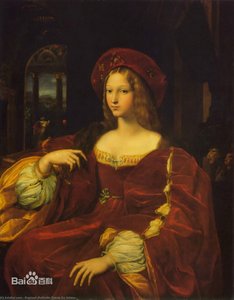
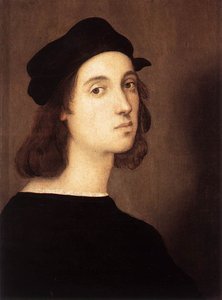
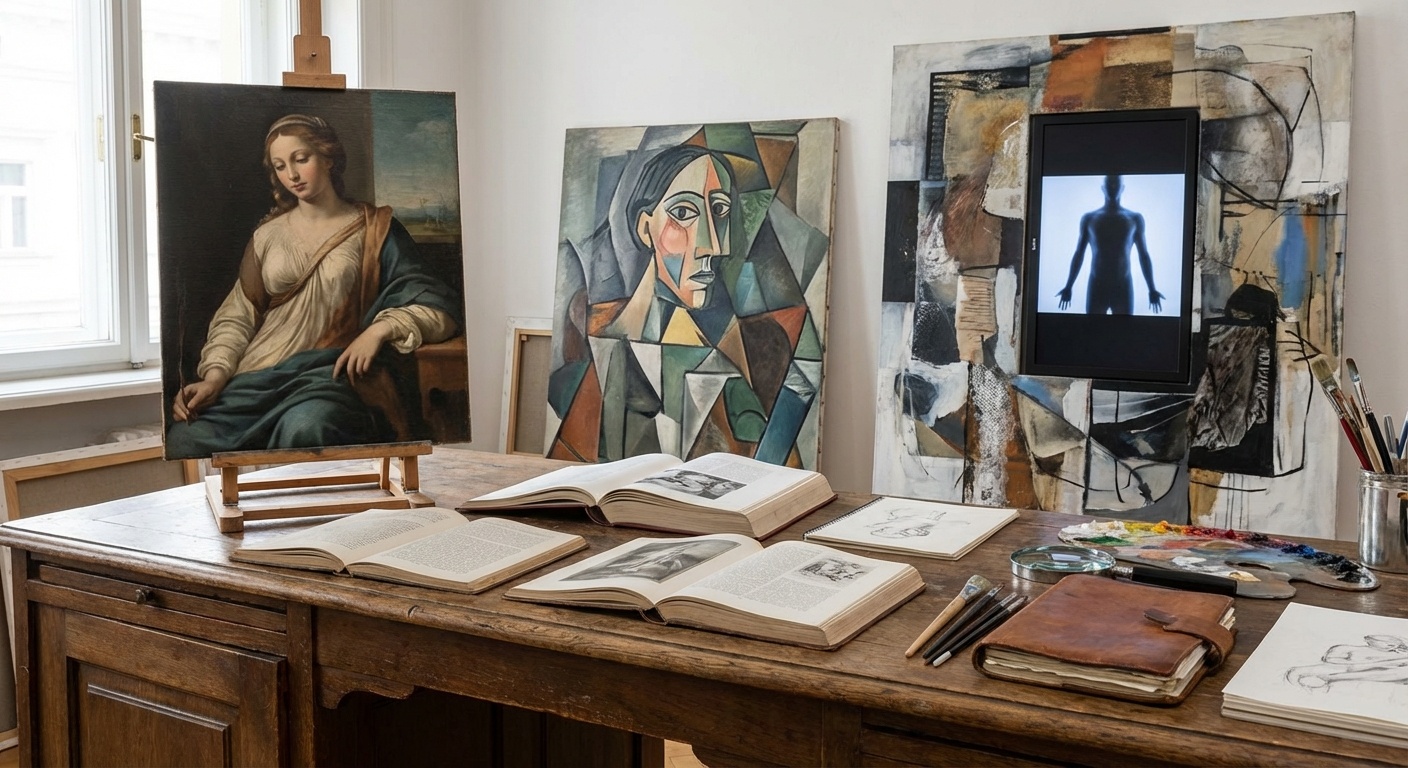
The Ancient Roots: Figure Painting Before the Renaissance
Renaissance art (1350 – 1620) is the painting, sculpture, and decorative arts of the period of European history known as the Renaissance, which emerged as a distinct style in Italy in about AD 1400, in parallel with developments which occurred in phi...
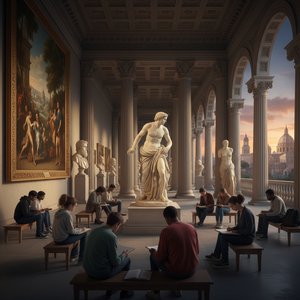
Long before the flowering of the Italian Renaissance, the human figure held a central position in artistic expression. From the ochre handprints adorning cave walls at Lascaux to the meticulously rendered forms of Egyptian tomb paintings, early civilizations recognized the body as both a vessel for spiritual belief and a testament to earthly existence. These weren’t merely depictions; they were imbued with ritualistic power, narratives of life and death, and attempts to capture an essence beyond the physical realm. Greek sculpture, though not painting in its purest form, profoundly influenced subsequent artistic traditions through its pursuit of ideal proportions and anatomical accuracy – principles that would be revisited and reimagined centuries later. Roman frescoes, while often focused on documenting daily life or mythological scenes, also demonstrate a growing understanding of perspective and realism, laying groundwork for the advancements to come. However, the Middle Ages saw a shift in focus, with religious iconography dominating artistic production. While figures were still central, they became increasingly stylized and symbolic, prioritizing spiritual meaning over accurate representation. This period wasn’t devoid of skill – illuminated manuscripts showcase incredible detail and artistry – but it represented a departure from the classical emphasis on human form.
The Renaissance Revolution: Rediscovering Classical Ideals
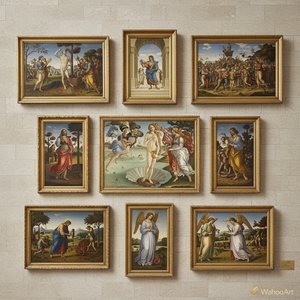 Early Renaissance Masters: 10 Paintings That Changed Art History |
Journey through the Early Renaissance! Explore 10 iconic paintings by Botticelli, Leonardo da Vinci & Michelangelo. Discover their stories, techniques & lasting impact. Find museum-quality art reproductions and elevate your home decor with .
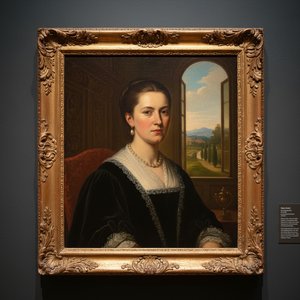
The 14th century witnessed a seismic shift in artistic thought, igniting the Renaissance—a “rebirth” of interest in classical antiquity. Florence, fueled by the wealth and patronage of families like the Medici, became the epicenter of this cultural revolution. Artists began to actively study ancient Roman ruins, sculptures, and texts, seeking to recapture the grace, harmony, and realism lost during the medieval period. This wasn’t simply imitation; it was a reinterpretation filtered through contemporary sensibilities. Figures were no longer solely symbols but individuals with weight, volume, and emotional depth. Masaccio's frescoes in the Brancacci Chapel are prime examples of this new approach – his use of perspective, chiaroscuro (the dramatic contrast between light and shadow), and anatomical accuracy revolutionized painting. Domenico Ghirlandaio, whose studies demonstrate a meticulous observation of anatomy and drapery, exemplifies the Renaissance artist’s dedication to understanding the human form. The rediscovery of linear perspective allowed artists to create convincingly three-dimensional spaces, further enhancing the realism of their figures. This period also saw a growing emphasis on humanist philosophy, celebrating human potential and individuality—a theme powerfully reflected in portraiture.
Technique & Symbolism: Mastering the Human Form in Paint
The Renaissance wasn’t just about *what* was painted but *how*. Oil paint, increasingly adopted from Northern European masters, offered unprecedented flexibility and richness of color. Artists could blend pigments seamlessly, creating subtle gradations of tone and texture that mimicked flesh with remarkable accuracy. Layering techniques – building up thin glazes to achieve luminosity and depth – became hallmarks of the period. Beyond technical skill, however, lay a complex system of symbolism. Clothing, gestures, and even the surrounding landscape were laden with meaning. A red robe might signify martyrdom or nobility; a specific flower could represent purity or love. The pose itself often carried religious or allegorical weight. For example, contrapposto – a naturalistic stance where the figure’s weight is shifted onto one leg – was borrowed from classical sculpture and imbued with connotations of balance and harmony. The study of anatomy wasn't merely academic; it was essential for conveying emotion and narrative power. Artists sought to understand the underlying musculature and skeletal structure to depict figures that felt convincingly alive.
Venetian Sensuality: Color, Light, and the Female Nude
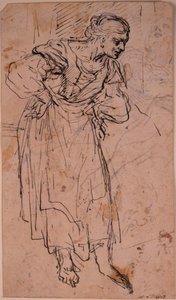 Female Figure
Admire 'Female Figure' by Palma Giovane – a Venetian masterpiece showcasing vibrant color & light. Explore this Renaissance beauty’s elegant style. Hand-painted reproductions available.
While Florentine artists prioritized linear perspective and anatomical precision, Venetian painters developed a distinct style characterized by vibrant color, atmospheric effects, and a sensuous treatment of the human form. Jacopo Palma il Giovane, exemplifies this approach with his exquisite depictions of female figures bathed in rich, golden light. Venetian masters like Titian and Giorgione explored the expressive potential of color to create mood and atmosphere. Their use of oil paint was particularly innovative, employing layers of translucent glazes to achieve a luminous quality that seemed to capture the very essence of skin. The female nude became a prominent subject, often depicted in mythological scenes or as allegorical representations of beauty and desire. Lucas Cranach the Elder’s “Three Graces” is a striking example of this trend – the figures are rendered with masterful realism, yet possess an ethereal quality that transcends mere physical representation. These paintings weren't simply about celebrating the body; they were explorations of ideal beauty and the complexities of human emotion.
Beyond Realism: Exploring Narrative and Emotion in Figure Painting
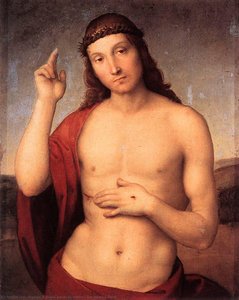
As Renaissance artists mastered technical skill, they turned their attention to more complex narratives and emotional expression. Paintings became increasingly dramatic, employing dynamic compositions, expressive gestures, and psychological insight. Raphael’s frescoes in the Vatican Stanze, such as “The School of Athens,” demonstrate a sophisticated understanding of composition and perspective, while also conveying a sense of intellectual debate and philosophical inquiry. The depiction of emotion—sorrow, joy, fear—became increasingly nuanced and realistic. Artists studied facial expressions and body language to convey inner states with greater accuracy. Genre painting, depicting scenes from everyday life, emerged as a popular subject, offering glimpses into the social customs and values of the time. Historical paintings were often used to convey moral lessons or celebrate heroic deeds. The human figure wasn’t simply the subject of these narratives; it was the vehicle for conveying meaning and emotional resonance.
The Enduring Legacy: How Renaissance Figure Painting Influences Art Today
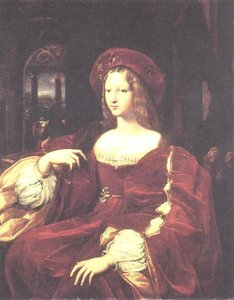
The impact of Renaissance figure painting extends far beyond its historical context. Its emphasis on realism, anatomical accuracy, and psychological insight continues to influence artists today. The techniques developed during this period—oil paint layering, chiaroscuro, linear perspective—remain fundamental principles of artistic training. Moreover, the Renaissance’s celebration of human potential and individuality has profoundly shaped Western culture. From academic painting to contemporary portraiture, the legacy of masters like Masaccio, Raphael, and Titian is undeniable. At ArtsDot.com, we are dedicated to making these masterpieces accessible to all, offering high-quality reproductions that capture the beauty, skill, and emotional power of Renaissance art. Whether you’re seeking a stunning oil painting for your home or simply wish to explore the rich history of this transformative period, ArtsDot provides a gateway to the enduring world of Renaissance figure painting.