


The Essence of Pastel: Understanding the Medium's Softness and Tactility
To encounter a pastel work is to step into a realm where the boundary between pigment and air begins to dissolve. Unlike the heavy, structural permanence of oil paint, pastel offers an ethereal immediacy, a medium composed of pure, concentrated pigment held together by a minimal amount of binder. This fundamental characteristic grants the artist a unique vocabulary of softness and tactility. When one gazes upon a masterwork in this medium, the eye does not merely see color; it perceives a delicate dusting of light that seems to vibrate against the surface of the paper.
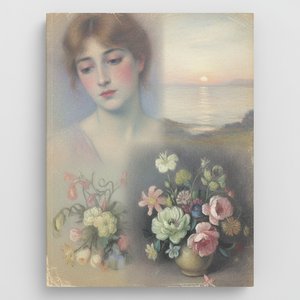
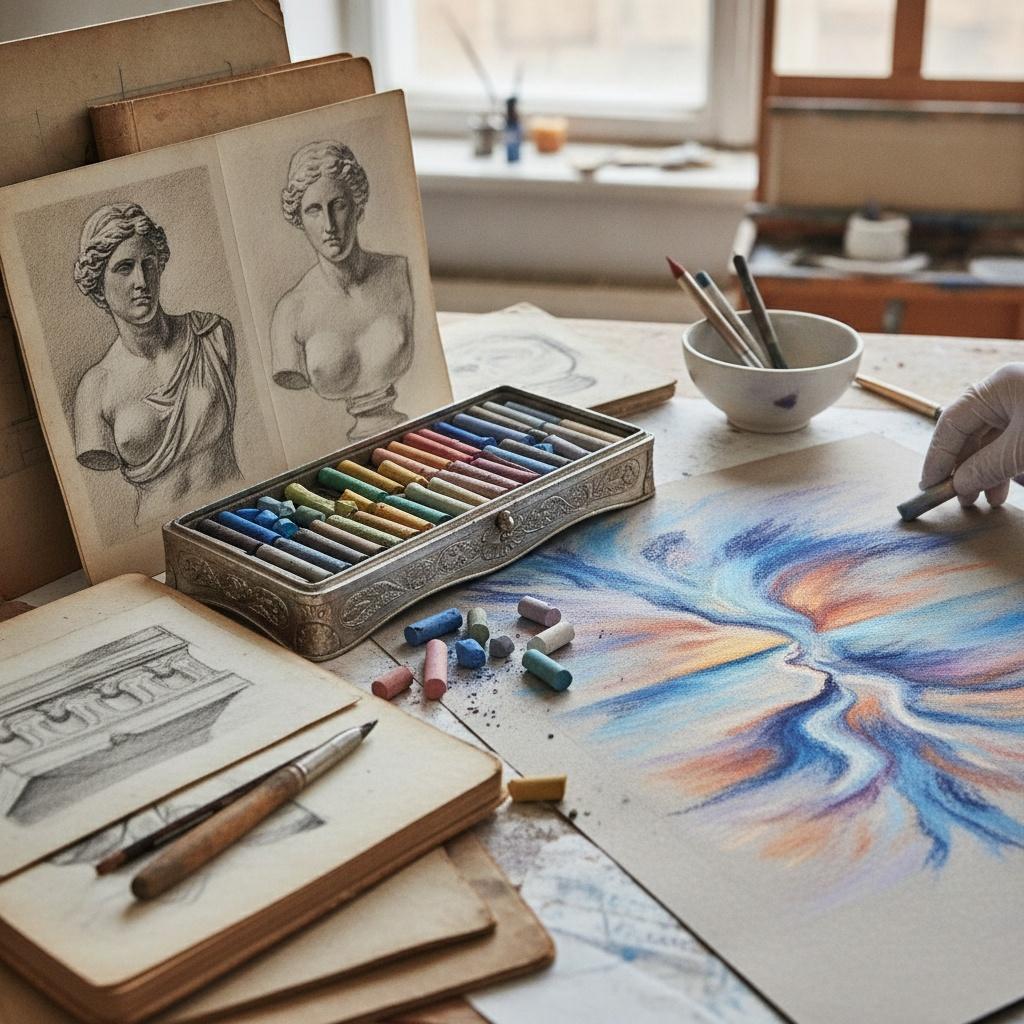
The magic lies in the physical interaction between the stick and the substrate. Because the pigment sits atop the grain of the paper rather than being forced into it through heavy oils, there is an inherent velvety texture that defines the medium. This allows for a layering process that is both additive and subtractive, where artists can build up luminous clouds of color or scrape away layers to reveal hidden brilliance. It is this very fragility—this lightness of touch—that imbues pastel art with its signature romanticism, making it an unparalleled tool for capturing the fleeting nuances of atmosphere and emotion.
A Journey Through Light: The Impressionist Revolution and Pastel Art
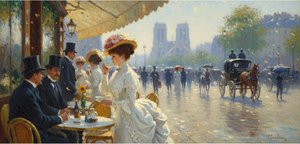
The history of pastel is inextricably linked to the evolution of light in Western art, reaching its zenith during the Impressionist revolution. While oil painters struggled with long drying times to capture a sunset, pastel artists possessed the ability to record the instant. This immediacy allowed them to chase the sun, translating the ephemeral shifts of dawn and dusk into tangible form. The medium became the preferred language for those seeking to document the transient nature of modern life, where light is never static but always in motion.
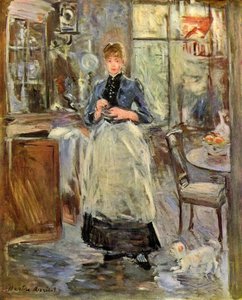
Consider the profound influence of masters such as Edgar Degas, whose works like Bowing Dancer demonstrate a masterful command of Impressionistic realism. In his hands, the pastel medium captures the muscular grace and the soft tulle of a ballerina with a precision that feels both lifelike and dreamlike. Similarly, the works of Berthe Morisot, such as In a Park, utilize the medium's capacity for atmospheric blurring to create intimate, serene scenes of domesticity and nature. Through these artists, pastel ceased to be merely a sketching tool and became a primary vehicle for exploring the interplay of light, shadow, and human presence.
Mastering the Hues: Analyzing Color Theory in Pastel Masterpieces
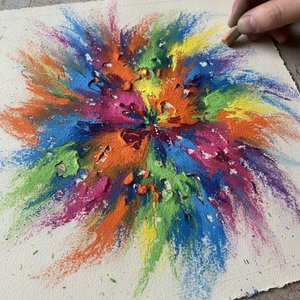
Color theory in pastel art operates on a plane of heightened luminosity. Because there is no oil medium to darken or "wet" the pigment, the colors retain their original, unadulterated brilliance. This allows for a sophisticated use of complementary color relationships that can make a composition sing with internal light. An artist might place a subtle stroke of pale orange against a muted cerulean, not merely to denote contrast, but to create a visual vibration that mimics the flickering quality of natural sunlight.
The mastery of the medium involves a delicate balance of saturation and desaturation. The ability to blend colors directly on the paper allows for seamless transitions—gradients that move from deep, saturated shadows into pearlescent highlights without the harsh edges often found in other media. This creates a sense of chromatic harmony that is essential for the "soft" aesthetic. When studying these works, one observes how the artists use subtle shifts in hue to define form, using color rather than heavy outlines to guide the viewer's eye through the composition.
Texture and Technique: From Delicate Dust to Velvety Layers
The technical brilliance of pastel art is found in its structural complexity. While it may appear soft at first glance, a truly great pastel work is often a feat of architectural layering. Artists utilize techniques such as scumbling—applying a light, dry layer of pigment over another to create a hazy, translucent effect—to build depth. This creates a sense of three-dimensional texture that invites the viewer to look closer, discovering hidden details within the velvety layers of dust.
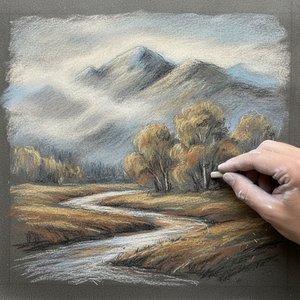
Furthermore, the interplay between the artist's hand and the paper's tooth is vital. A rougher paper allows for more pigment retention, enabling thicker, more impasto-like applications of color, whereas a smoother surface facilitates fine, detailed linework. This duality allows for a range of expression from the broad, gestural strokes seen in landscape studies to the meticulous, almost microscopic detail found in portraiture. It is this tactile depth that separates a mere drawing from a true pastel masterpiece.
Curating the Dream: Integrating Pastel Art into Classic Interiors
For the discerning collector, integrating pastel art into a home requires an appreciation for its unique atmospheric contribution. Unlike the dramatic, heavy presence of Baroque oils which can dominate a room, pastel works offer a serene and luminous quality that complements classic interiors. They are particularly effective in spaces designed for contemplation or relaxation, where their soft palettes can enhance the natural light of the room.
When designing a gallery wall or selecting a centerpiece, consider the way the pastel's muted tones interact with your existing decor. A pastel landscape by an artist like Pietro Scoppetta can introduce a sense of pastoral tranquility to a modern study, while a more vibrant Impressionist piece can serve as a sophisticated focal point in a formal dining room. The key is to treat these works as windows into another realm—elements that do not just decorate a wall, but expand the perceived boundaries of the space through their airy, light-filled compositions.
Preserving the Softness: Care and Longevity for Pastel Collections
Because pastel art is composed of delicate particles resting upon a surface, preservation is paramount. The very qualities that make the medium beautiful—its powdery texture and light-catching dust—also make it vulnerable to environmental factors. To ensure that a collection remains vibrant for generations, one must guard against moisture, dust, and direct sunlight, which can cause pigments to fade or the paper to degrade.
Proper framing is the first line of defense. Using acid-free matting is essential to create an air gap between the artwork and the glass, preventing any potential moisture buildup that could lead to mold or sticking. For those seeking to bring these masterpieces into their homes through high-quality reproductions, such as those offered by ArtsDot.com, the importance of quality materials cannot be overstated. Whether it is a hand-painted oil reproduction that captures the impasto texture of an original or a museum-grade Giclée print, ensuring the use of premium pigments and lightfast inks is vital for maintaining the soul of the art. By treating these works with the reverence they deserve, we ensure that the magic of soft colors and velvety textures continues to inspire collectors for centuries to come.