The Gastronomic Stage: Defining the Intersection of Fine Dining and Visual Narrative
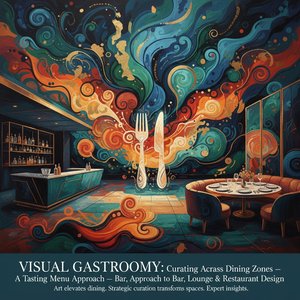
In the upper echelons of hospitality, a meal is never merely about sustenance; it is a choreographed performance where every element serves as a vital character. To dine in a truly exceptional establishment is to step into a curated world, a realm where the boundaries between the culinary arts and visual storytelling dissolve. This concept, often described as Dining as Theater, posits that the restaurant is not just a venue for eating, but an immersive stage designed to evoke emotion, provoke thought, and transport the guest far beyond the physical confines of the dining room.
When we consider the most iconic dining experiences, we find that they are anchored by a powerful visual narrative. Just as a director selects a set to establish tone, a restaurateur uses art to define the soul of their space. This intersection is where the sensory delights of a perfectly aged vintage or a delicate truffle infusion meet the profound resonance of a masterwork. The art on the walls does not merely occupy space; it provides the subtext for the meal, setting the tempo and the mood before the first course even arrives at the table.
Beyond Decor: The Psychological Impact of Curated Art on the Dining Experience
The true power of fine art in a commercial space lies in its ability to manipulate the psychological landscape of the guest. While many view wall hangings as mere decoration, the discerning professional understands them as tools of atmospheric engineering. A carefully selected painting can alter the perception of time, influence the appetite, and even dictate the level of intimacy felt between diners. There is a profound psychological weight to texture and depth; the visible brushstrokes of an oil reproduction invite a sense of tactile presence, grounding the guest in the moment.
Consider the way light interacts with a canvas. A vibrant, post-impressionist work, reminiscent of Van Gogh’s energetic depictions of restaurant interiors, can inject a sense of vitality and conviviality into a space, encouraging lively conversation and social energy. Conversely, a more muted, classical landscape or a monochromatic sketch can instill a sense of quiet reverence and contemplative stillness, ideal for tasting menus that demand focused attention. By curating art with intention, a restaurateur manages the emotional ebb and be, ensuring that the atmosphere remains perfectly synchronized with the culinary journey.
Mastering the Atmosphere: Selecting Art Styles to Complement Culinary Themes
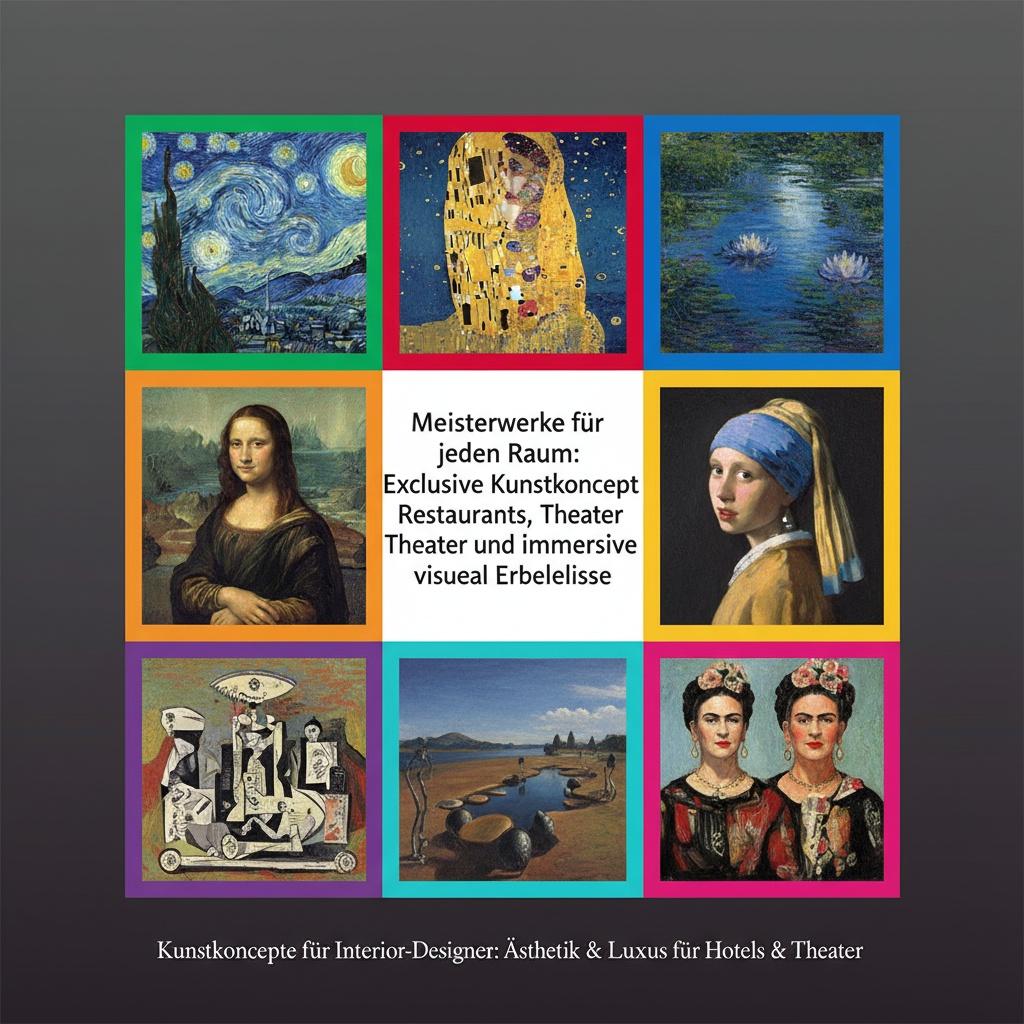
Achieving aesthetic harmony requires a sophisticated understanding of how different artistic movements resonate with specific culinary identities. The selection process is an exercise in stylistic alignment. For instance, a modern, avant-garde bistro might find its soulmate in Cubist or Surrealist interpretations—works that challenge perception and mirror the experimental nature of fusion cuisine. Here, the art acts as a visual precursor to the unexpected flavors on the plate.
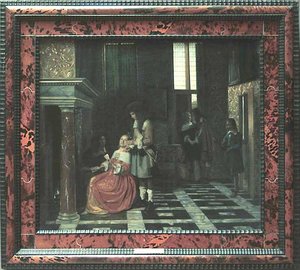
In contrast, a classic French brasserie or an upscale steakhouse may lean toward the timeless authority of the Old Masters. The presence of a rich, heavy-set oil painting, perhaps featuring deep tonal ranges and dramatic chiaroscuro, lends an air of heritage and permanence to the establishment. For those seeking to bridge the gap between tradition and modernity, the ability to remix history offers unparalleled creative freedom. One might commission a contemporary photograph to be reimagined in the light-drenched, impressionistic style of Monet, creating a bridge between the familiar and the extraordinary that delights the modern epicurean.
Architectural Grandeur: Utilizing Large-Scale Murals and Multi-Panel Installations
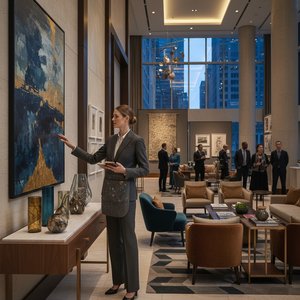
In spaces characterized by vast proportions—such as grand hotel dining halls or soaring atrium restaurants—small-scale works can often feel lost, failing to command the necessary presence. To address this architectural challenge, the use of large-format murals and frescoes becomes essential. These monumental works act as the very skin of the room, transforming structural surfaces into windows onto other worlds. A ceiling fresco, reminiscent of the grandeur of the Sistine Chapel, can elevate a dining space into a cathedral of gastronomy.
For walls that demand impact without the singular focus of a mural, the multi-panel trend offers a sophisticated, modern alternative. By splitting a single, cohesive image across three, four, or even five panels, a designer can create a sense of rhythmic movement along a long corridor or a wide feature wall. This technique allows the artwork to breathe within the architecture, creating a panoramic experience that guides the eye through the space. Such installations do not just decorate a wall; they redefine the very geometry of the room, turning architectural boundaries into fluid, artistic transitions.
The Curator’s Eye: Strategies for Integrating Bespoke Commissions into Restaurant Design
For the restaurateur who seeks true distinction, the pinnacle of design lies in bespoke commissions. While existing masterpieces offer profound beauty, a custom-painted work allows for total integration with the restaurant's specific color palette and branding. This is where the role of the professional moves from decorator to curator. Through the use of digital mockups, a designer can visualize how a custom portrait or a landscape will interact with the lighting fixtures, upholstery, and table settings before a single drop of paint touches the canvas.
The beauty of modern bespoke services is the ability to personalize history itself. Imagine a commission that transforms a significant moment in the restaurant's history—perhaps its founding or a signature ingredient's origin—into a masterpiece painted in the impasto style of a legendary master. This level of customization ensures that the art is not an afterthought, but a fundamental component of the brand’s DNA. It creates a unique, inimitable atmosphere that cannot be replicated by competitors, turning the restaurant into a singular destination for collectors and diners alike.
Legacy and Longevity: Preserving the Aesthetic Value of Your Investment
Investing in fine art is an act of commitment to the long-term legacy of a brand. Unlike ephemeral design trends, high-quality oil paintings on cotton canvas are built to endure. The use of professional-grade materials—such as flexible gesso, safflower oils, and protective Damar varnish—ensures that the vibrancy of the colors and the integrity of the brushwork remain intact for generations. For the restaurant owner, this means the art becomes a lasting asset, an heirloom of the establishment that grows in character alongside the business.
However, preservation requires stewardship. Protecting these investments from direct sunlight and ensuring proper environmental controls is vital to maintaining the pigments' brilliance. When executed with care, the art within a restaurant does more than just set a scene; it builds a heritage. It transforms a commercial enterprise into a cultural landmark, where every guest who enters becomes a witness to a continuing story of beauty, taste, and unparalleled artistry.
To explore the possibilities of transforming your space through the power of fine art, visit ArtsDot.com. From bespoke oil reproductions and large-scale murals to custom photo-to-masterpiece transformations, we provide the tools and expertise to turn your vision into a breathtaking reality.