
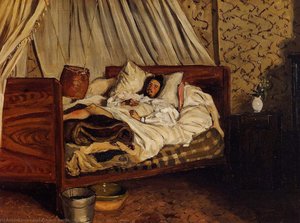

The Sensory Anchor: Art as the Foundation of Emotional Guest Experience
Customer experience (CX) refers to the cognitive, emotional, sensory, and behavioral responses of a customer during all stages of interaction with a product or service, including pre-purchase, consumption, and post-purchase. Different dimensions of c...
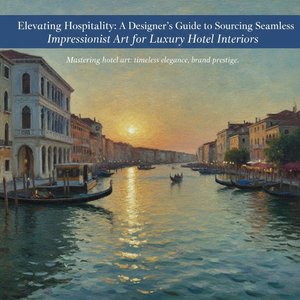
In the rarefied air of luxury hospitality, true excellence is rarely found in the tangible alone; it resides in the intangible, ephemeral moments that linger in a guest's memory long after they have checked out. For the discerning hotel designer, the challenge lies in moving beyond mere service to create a profound customer experience—a cognitive and emotional resonance that begins the moment a traveler steps through the threshold. This is where art ceases to be an ornament and becomes a sensory anchor. When we consider the dimensions of experience, we speak of emotions, perceptions, and even spiritual components. A well-placed Impressionist masterpiece does not simply occupy space; it alters the very chemistry of the room, inviting a sense of tranquility or vibrant energy that dictates how a guest feels within their surroundings.
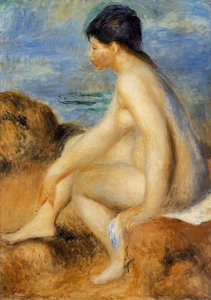
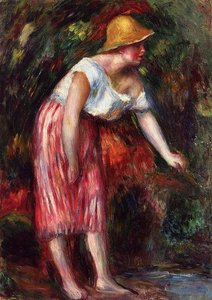
To understand this impact, one must look to the way light and atmosphere interact with the human psyche. Consider the works of Claude Monet or Pierre-Auguste Renoir, where the focus is not on the rigid boundaries of reality but on the fleeting dance of light. When a guest encounters a hand-painted reproduction of a water lily pond, characterized by soft pinks, lush greens, and shimmering reflections, they are invited into a state of peaceful retreat. This is the essence of user experience design applied to physical space: using visual stimuli to evoke specific behavioral intentions and emotional responses. By anchoring a lobby or a private suite with the textured depth of real oil paint—where visible brushstrokes catch the light—the designer provides a tactile, soulful connection that mass-produced prints simply cannot replicate.
Beyond Decoration: Leveraging Impressionist Light to Define Brand Narrative
 Beyond Aesthetics: Leveraging Custom Artwork for Corporate Identity and Brand Narrative in the Modern Workplace
The Evolving Landscape of Corporate Identity: Beyond Logos & Taglines Corporate branding In marketing, corporate branding refers to the practice of promoting the brand name of a corporate entity, as opposed to specific products or services. The activ...
A luxury brand is more than a logo or a color palette; it is a narrative of values, an identity woven from history and aspiration. In the modern landscape of corporate branding, we are moving far beyond static symbols toward a more integrated, visual storytelling approach. For a hotel, the art selection serves as the voice of this narrative. Utilizing the Impressionist style allows a designer to communicate themes of timelessness, elegance, and an appreciation for the ephemeral beauty of life. The movement itself was a rebellion against the structured, somber dictates of tradition, favoring instead the luminous and the spontaneous—a perfect metaphor for a brand that prides itself on innovation within a heritage framework.
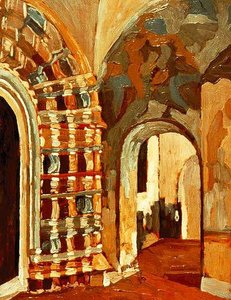
Imagine a brand narrative centered on "The Art of the Moment." This can be powerfully reinforced through bespoke commissions that utilize period shifts or stylistic customizations. One might take a contemporary photograph of a signature hotel garden and have it reimagined in the thick, impasto style of Van Gogh, or perhaps transformed into a sun-drenched landscape reminiscent of Pissarro. Such intentional design choices create a cohesive visual hierarchy. When the art reflects the brand's commitment to craftsmanship—evidenced by the 100% cotton canvas and the meticulous layering of oils—it reinforces a message of authenticity and uncompromising quality. The art becomes a testament to the brand’s soul, much like the way the Museum of Arts and Popular Customs in Seville breathes life into the Andalusian spirit through its vibrant textures.
The Architecture of Atmosphere: Integrating Murals and Large-Scale Masterpieces
 Elevate Your Brand: Creating Unforgettable Visual Identity Through Bespoke Impressionist Murals
The Art of Anchoring: Establishing Visual Hierarchy in Luxury Hospitality The Architect of Identity: Leveraging Custom Murals to Anchor Luxury Hotel Brand Narratives The Art of Anchoring: Establishing Visual Hierarchy in Luxury Hospitality Masterful ...
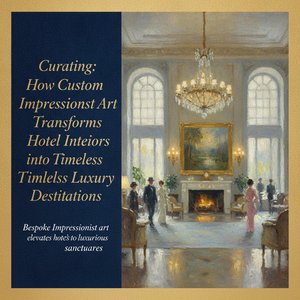
For the architect of interiors, the grandest canvases are often the walls themselves. The integration of large-format architectural art, such as bespoke murals and ceiling frescoes, offers an unparalleled opportunity to define the volume of a space. These are not merely decorations; they are structural elements of atmosphere. A massive, hand-painted mural spanning a dining hall can act as a focal point that anchors the entire design theme, much like the way the Musée d'Orsay transforms its former railway station into a palace of light through the sheer power of the Impressionist works it houses.
The technical execution of these large-scale works requires a sophisticated approach to canvas engineering. At ArtsDot.com, we specialize in creating murals painted on massive canvas rolls that can be shipped globally, allowing designers to recreate historical grandeur—such as the delicate light of a Giverny afternoon—on a monumental scale. Furthermore, the trend of multi-panel paintings allows for a modern, rhythmic approach to wide walls or staircases. By splitting a single, breathtaking landscape across three, four, or five panels, the designer creates a sense of movement and flow that guides the eye through the architectural journey, ensuring that the art and the structure exist in a seamless, symbiotic dialogue.
Curating Loyalty: How Bespoke Artworks Drive Repeat Patronage and Brand Recognition
 The Barnes Foundation
A Sanctuary of Vision: The Soul of The Barnes Foundation To step into The Barnes Foundation is to enter a space where the boundaries between art, life, and education dissolve into a singular, transformative experience. Located in the heart of Philade...
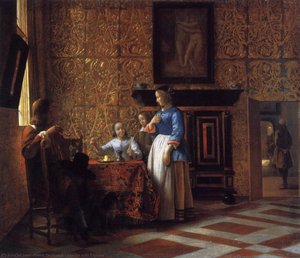
In the competitive realm of luxury hospitality, brand loyalty is driven by how well a company delivers on the emotional needs of its guests. The "remembered experience" is the most potent driver of return visits. When a guest encounters an environment that feels curated rather than decorated—a space where every piece of art feels like a discovery—it fosters a deep sense of intimacy and prestige. This is particularly true when the art is bespoke. A custom portrait or a commissioned landscape that reflects the local heritage or the hotel's unique history creates a "destination" effect, turning a mere stay into a cultural pilgrimage.
This loyalty is further cemented through the power of recognition. When a guest sees a familiar Impressionist motif—perhaps a specific arrangement of Renoir’s floral still lifes—in different properties within a global collection, it creates a powerful thread of brand continuity. The ability to remix art history allows designers to tailor these experiences to specific demographics, ensuring that the visual language remains fresh yet recognizable. By investing in high-quality, hand-made reproductions that possess a deeper tonal range and physical texture than mere posters, hotels signal to their patrons that they value substance over superficiality, thereby inspiring a lifelong emotional connection to the brand.
Strategic Implementation: From Custom Commissions to Multi-Panel Architectural Installations
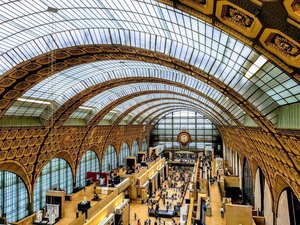 Musee National d'Orsay
A Palace of Light Embracing Impressionism’s Soul The Musée d'Orsay is far more than a mere repository for canvas and pigment; it is a profound sensory experience, a journey back to the vibrant, pulsing heart of nineteenth-century artistic revolution....
Executing a vision of this magnitude requires meticulous coordination and professional expertise. For the hotel designer, the process must be as seamless as the art itself. This involves navigating everything from custom sizing for unique architectural niches to managing the complex logistics of international shipping and customs. A successful implementation relies on a structured approach: beginning with a digital mockup to ensure the composition aligns perfectly with the intended wall space, followed by the rigorous hand-painting process where artists apply layers of oil and protective damar varnish to ensure longevity.
The strategic use of art also extends to the B2B trade programs available for professionals. From volume discounts for large-scale renovations to white-label shipping for corporate spaces, the goal is to provide a turnkey solution that integrates into the existing design workflow. Whether it is a single, exquisite frame in a presidential suite or an expansive ceiling fresco that reimagines the heavens, the implementation of curated Impressionist art is a profound investment in the hotel's enduring legacy. It is an orchestration of light, color, and history, designed to transform a physical structure into a living, breathing masterpiece of hospitality.
For more information on professional art consultation and bespoke commissions for luxury spaces, visit ArtsDot.com.