The Genesis of Grandeur: The Counter-Reformation and the Birth of Baroque
 The Dramatic Flourish: Exploring the Baroque Movement's Enduring Legacy in Art History
The Genesis of Grandeur: Historical Context & The Counter-Reformation Wikipedia: Counter-Reformation The Counter-Reformation (Latin: Contrareformatio), also sometimes called the Catholic Revival, was the period of Catholic resurgence that was initiat...
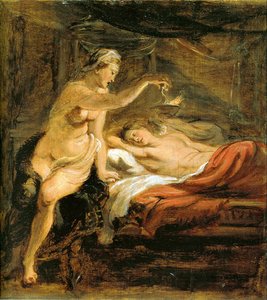
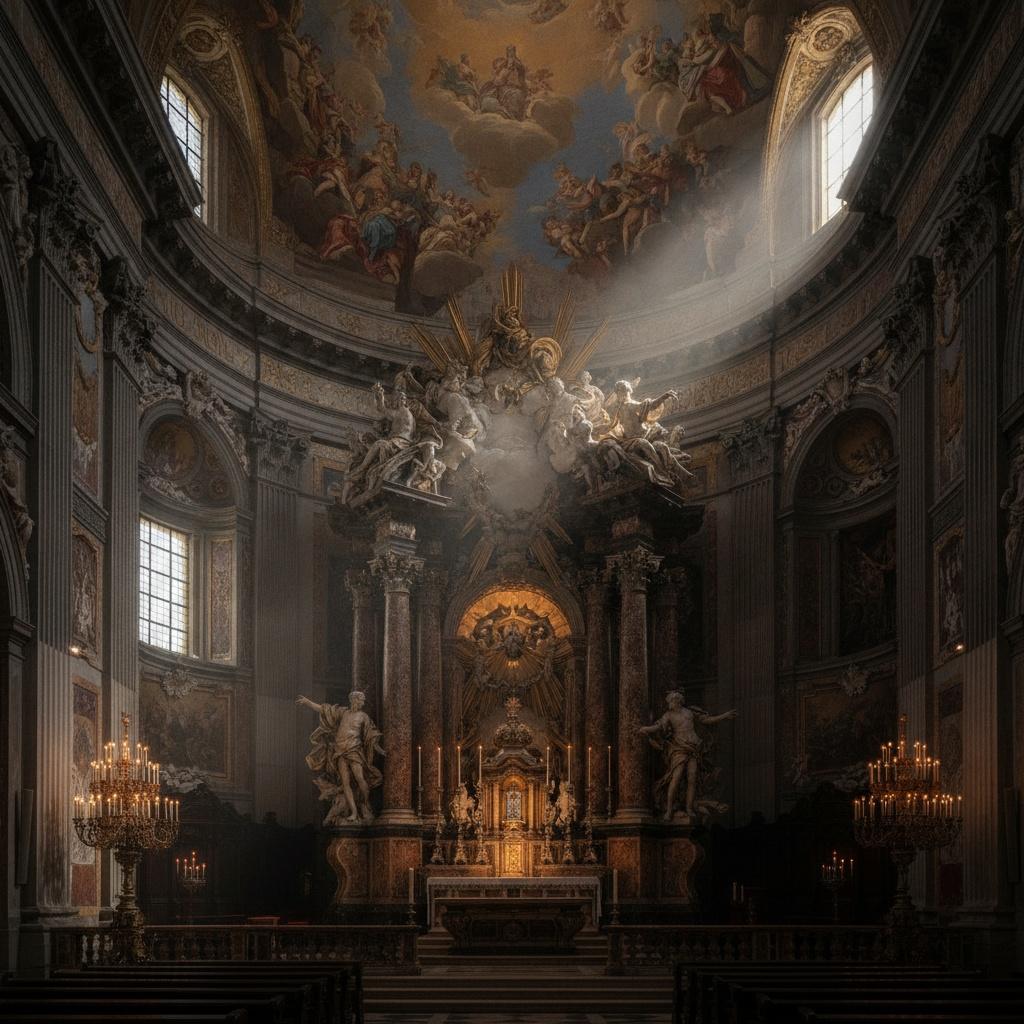
To understand the Baroque is to understand a world in profound upheaval. It was not merely a stylistic evolution, but an artistic earthquake born from the spiritual and political tremors of the seventeenth century. As the Protestant Reformation challenged the long-standing authority of the Catholic Church, the subsequent Counter-Reformation emerged as a powerful, visual counter-offensive. This was a period where the Church recognized that art could serve as a potent tool for reaffirmation—a way to inspire awe, devotion, and an unshakeable sense of loyalty through sheer spectacle.
Moving away from the balanced, rational clarity and harmonious proportions prized during the High Renaissance, the Baroque movement sought to re-engage the faithful through visceral experience. The Council of Trent demanded that art be clear, powerful, and emotionally resonant, steering creators away from the complex artificiality of Mannerism toward a more direct, theatrical realism. This era saw the rise of absolute monarchies, where leaders like Louis XIV utilized this new aesthetic to project divine right and unyielding authority. Thus, the Baroque became a language of power, blending religious zeal with royal ambition to create an era of unprecedented grandeur.
Chiaroscuro and Emotion: Mastering the Language of Light and Shadow
Baroque painting is the painting associated with the Baroque cultural movement. The movement is often identified with Absolutism, the Counter Reformation and Catholic Revival, but the existence of important Baroque art and architecture in non-absolut...
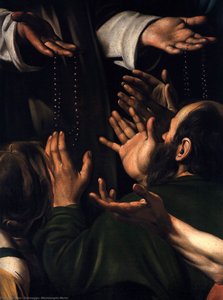
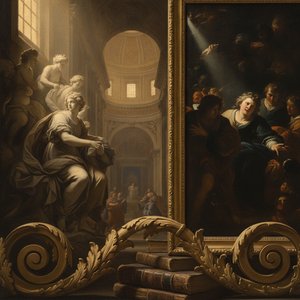
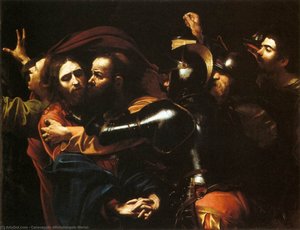
If the Renaissance was defined by the steady, even light of reason, the Baroque was defined by the dramatic flicker of the soul. At the heart of this movement lies the masterful manipulation of chiaroscuro—the intense contrast between deep, enveloping shadows and piercing, brilliant highlights. This technique did more than just create depth; it acted as a spotlight on the human condition, pulling figures from the darkness into a moment of profound psychological intensity.
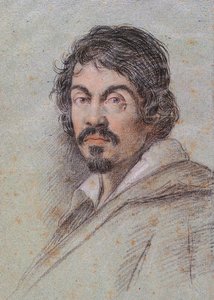
Through the use of tenebrism, artists like Caravaggio revolutionized the canvas by painting directly from life, often including the gritty, unidealized details of contemporary existence. The stark, theatrical lighting does not merely illuminate a scene; it dramatizes it, capturing the precise moment of highest tension. Whether it is the sweat on a brow or the glint of light on a blade, this interplay of light and dark forces the viewer into an intimate encounter with the subject. It is a technique that transforms a flat surface into a living stage, where every shadow holds a secret and every light beam carries a divine significance.
Architectural Spectacle: From Roman Basilicas to Baroque Splendor
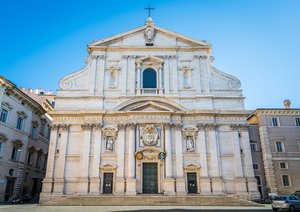 Il Gesù
A Baroque Masterpiece of Faith and Light In the heart of Rome, where the echoes of the Counter-Reformation still resonate through ancient cobblestones, stands Il Gesù—a sanctuary that serves as a profound testament to the power of visual persuasion. ...
The drama of the Baroque was never confined to the canvas; it spilled over into the very stones of Europe’s great cities. Architecture during this period abandoned the centralized, static plans of the past in favor of longitudinal forms and sweeping, dynamic spaces designed to guide both the eye and the spirit. In Rome, churches such as Il Gesù were conceived as bold declarations of triumph. The architecture itself became a vessel for movement, with wide naves that maximized space for communal devotion and drew the gaze toward the high altar.
The true magic of Baroque architecture lies in its ability to blur the boundaries between the earthly and the celestial. Through strategically placed openings, architects orchestrated a dance of light that transformed interiors into breathing, living sanctuaries. Nowhere is this more evident than in the breathtaking ceiling frescoes, where trompe-l'œil techniques create the illusion of a dissolving roof, replaced by a swirling vortex of clouds and divine figures spilling into the viewer's space. From the opulent halls of the New Schleißheim Palace to the hidden gems of Hungary’s Parish Church of Pápa, the Baroque era turned architecture into a theatrical experience that overwhelmed the senses and invited spiritual ecstasy.
Masters of the Dramatic Brush: Caravaggio, Rubens, and the Flemish Tradition
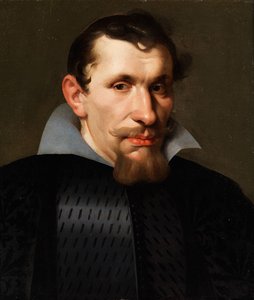 gaspard de crayer
Gaspar de Crayer: A Flemish Master of Counter-Reformation Splendor Gaspar de Crayer, a name perhaps less familiar than his contemporaries Rubens or Van Dyck, nevertheless stands as a pivotal figure in 17th-century Flemish art. Born in Antwerp in 1584...
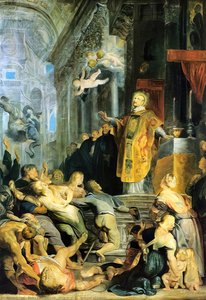
The movement found its most eloquent voices in a diverse group of masters who spread its influence far beyond the borders of Italy. In the heart of Rome, Caravaggio stood as the pioneer of realism, his works shocking contemporaries with their raw, unvarnated humanity. Yet, as the style migrated, it took on new, opulent textures. In the Spanish Netherlands, figures like Gaspar de Crayer bridged the gap between tradition and innovation, creating monumental altarpieces that reflected the profound religious shifts of the era.
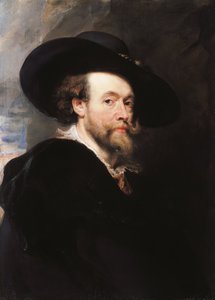
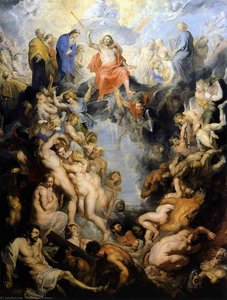
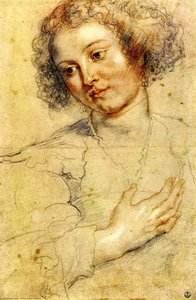
The Flemish tradition brought a unique sense of fleshy vitality and coloristic richness to the movement. The works of Rubens, characterized by their dynamic energy and robust compositions, became synonymous with the era's grandeur. Similarly, in the later stages of the movement, artists like Václav Vavřinec Reiner in Prague utilized opulent palettes and masterful light to convey deep spiritual fervor. Even as the movement evolved toward the more graceful lines of Van Dyck or the delicate light of Vermeer, the core essence remained: a commitment to capturing the pulse of life through movement, color, and an unapologetic embrace of emotion.
The Enduring Legacy: How Baroque Theatricality Shapes Modern Aesthetic Sensibilities
--- title: Baroque | Tate url: https://www.tate.org.uk/art/art-terms/b/baroque hostname: tate.org.uk description: Tate glossary definition for Baroque: The dominant style in art and architecture of the seventeenth century, characterized by self-confi...
Though the era of the great Baroque masters eventually gave way to the lighter whimsy of the Rococo and the rationalism of Neoclassicism, its DNA remains embedded in our modern visual culture. The concept of the "cinematic" moment—the use of high-contrast lighting to evoke mood and the focus on a climactic, action-oriented narrative—finds its direct ancestor in the Baroque canvas. We see its echoes in the dramatic shadows of film noir and the immersive scale of modern digital installations.
The Baroque taught us that art need not be a passive object of contemplation; it can be an active participant in our emotional lives. It proved that beauty could be found in tension, that truth could be revealed through shadow, and that the most profound spiritual experiences are often those that move us physically and emotionally. As we continue to admire these masterpieces, we are not just looking at history; we are experiencing a timeless celebration of the human spirit's capacity for drama, light, and infinite wonder.
At ArtsDot.com, we believe that the grandeur of the Old Masters should be accessible to every home and collector. Our mission is to preserve this human creativity through exquisite, hand-painted oil reproductions that capture the very soul of the Baroque era—from the visible impasto brushstrokes to the deep, resonant tonal ranges. Whether you seek a transformative large-scale mural or a custom "period shift" that reimagines a modern memory as a seventeenth-century masterpiece, our academy-trained artists bring historical excellence to your doorstep. Discover the power of light and shadow in your own space with our museum-quality collections.