


The Ancestry of Assemblage: From Matisse’s Cut-Outs to the Digital Canvas
To understand the profound magic of the digital collage, one must first wander through the sun-drenched studios of the past, where the very concept of assemblage began to breathe. There is a certain nostalgia in recognizing that the modern pixel is but a distant descendant of the torn paper and vibrant fabric used by masters like Anne Ryan. In her 1953 works, we see the seeds of abstraction—a delicate dance of textures that sought to capture the essence of form without the rigidity of line. This lineage of layering finds its most poetic ancestor in Henri Matisse, whose late-career "cut-outs" transformed simple gestures of scissors and pigment into a rhythmic, breathing landscape of color. For those of us who have spent decades admiring the way light dances across a canvas, it is moving to realize that the digital artist is engaged in this same ancient dialogue, using new tools to continue a conversation about composition and soul that began long before the first computer screen ever flickered to life.
The transition from the tactile to the virtual does not represent a departure from tradition, but rather an expansion of it. Just as the Impressionists sought to capture the fleeting nature of light, the digital collage artist seeks to capture the fleeting nature of memory and information. When we look at the works of pioneers like Dieter Rot, whose experimental collages utilized manipulated images to create a sense of decay and transformation, we see the bridge being built between the physical fragment and the digital layer. It is a continuous thread of human creativity, weaving together the old and the new in a tapestry that honors the weight of history while embracing the limitless possibilities of the future.
The New Palette: Exploring Texture and Depth in a Virtual Realm
One might fear that the move into a digital medium would strip art of its most cherished quality: the tactile, sensory depth that makes a painting feel alive. Yet, in the hands of a visionary, the digital realm offers a new kind of alchemy. We no longer rely solely on the physical thickness of impasto to create dimension; instead, we explore the interplay of light, shadow, and simulated grain to evoke a sense of presence. The modern digital collage allows for an unprecedented exploration of perceived texture, where one can layer the grit of weathered stone against the ethereal smoothness of a digital gradient, creating a visual friction that is both startling and beautiful.
This evolution brings to mind the breathtaking complexity of mixed-media works like those by Siân Jones, where technology and nature are blended to create figures that feel as though they are emerging from a dream. The digital artist can manipulate opacity and blending modes to mimic the way light filters through a translucent glaze or how oil paint settles into the grooves of a canvas. It is a pursuit of depth that transcends the physical, inviting the viewer to peer into layers of meaning that are not just seen, and even felt, but deeply experienced. This new palette does not replace the brushstroke; it reimagors it, offering a way to sculpt light with mathematical precision while maintaining the emotional warmth of an artist's intuition.
A Symphony of Fragments: Blending Historical Imagery with Modern Technology
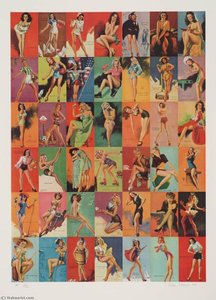
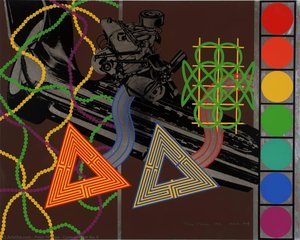
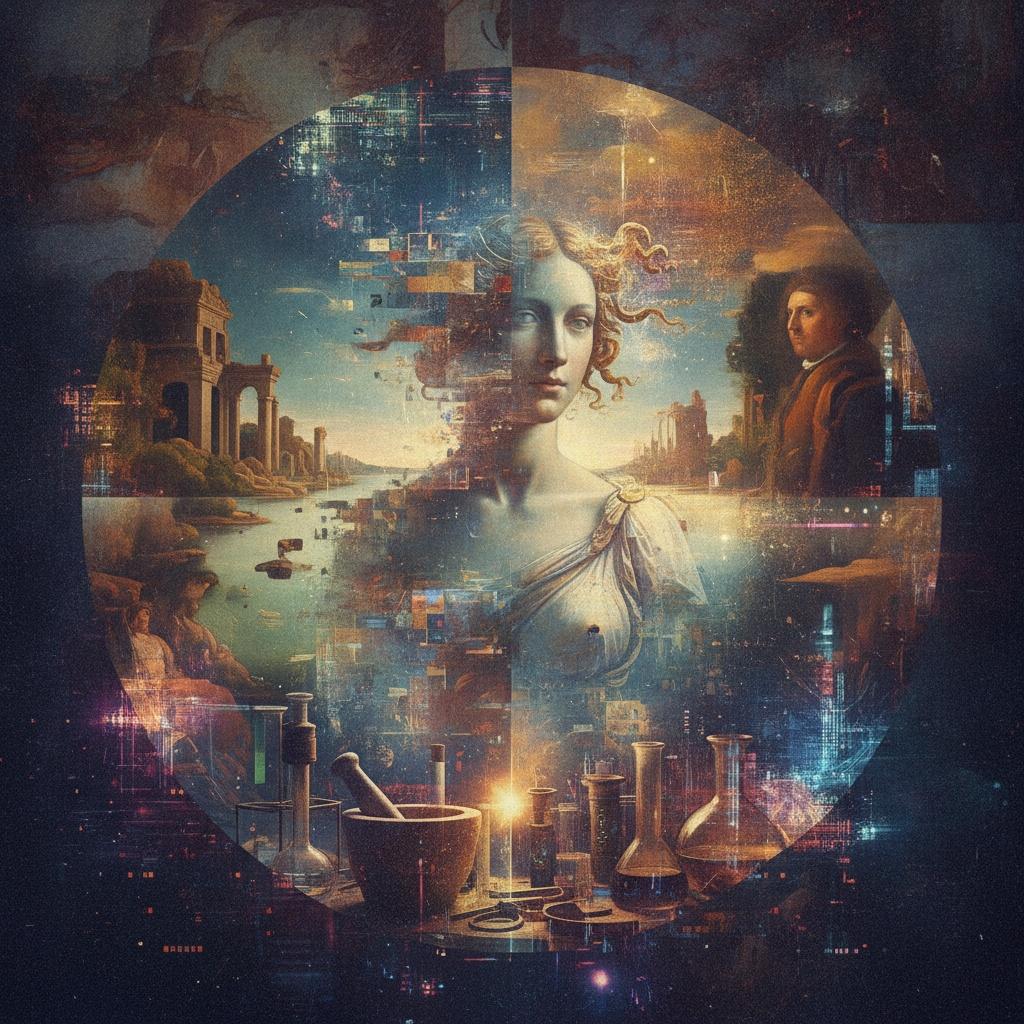
There is a profound, almost melancholic beauty in the act of fragmentation. When an artist takes a piece of history—perhaps a fragment of a 19th-century portrait or a graphic element from a mid-century advertisement—and recontextualizes it within a modern digital composition, they are performing a kind of cultural alchemy. This process is reminiscent of the Pop Art movement, where artists like Richard Hamilton used layered symbolism to critique the media and conflict of their era. In the contemporary digital collage, this technique has reached a new zenith, allowing for a seamless integration of disparate eras into a single, cohesive vision.
Preserving the Human Touch: The Emotional Resonance of Mixed Media
In an era increasingly dominated by automation, the true value of art lies in its ability to convey the unmistakable presence of a human soul. Whether it is the deliberate placement of a paper scrap or the careful adjustment of a digital layer, the intention behind the work remains the heartbeat of the piece. The most successful digital collages are those that avoid the sterile perfection of the machine and instead embrace the "beautiful error"—the slight misalignment, the unexpected color bleed, or the organic grain that suggests a human hand was at work. This is where the spirit of mixed media truly resides: in the emotional resonance of imperfection.
We see this same yearning for connection in the works of artists like Rosemary Karuga, whose use of layered paper and bold graphics provides a poignant social commentary. The digital artist strives for this same level of intimacy, using technology to amplify, rather than obscure, the human experience. When we look at a piece that successfully blends these elements, we are not just looking at a clever arrangement of images; we and feeling the pulse of an artist’s empathy, their struggle, and their joy. The medium may change, but the fundamental desire to leave a mark—to say, I was here, and I felt this—remains as constant as the stars.
Beyond the Screen: Bringing Digital Visions into the Physical Home
The ultimate triumph of digital collage is when it transcends the glowing screen and finds its place within the sanctuary of our homes. The transition from a digital file to a physical masterpiece is a journey of restoration and reverence. Through advanced printing techniques and the artistry of hand-painted embellishments, these modern visions can be transformed into tangible treasures that possess the weight and texture of traditional fine art. Imagine a piece that begins as a complex digital arrangement but is finished with the heavy, expressive brushstrokes of an oil painter, bringing a tactile life to the composition that no mere print could achieve.
At ArtsDot.com, we believe that every great vision deserves a physical legacy. Whether it is through our professional digital mockup services that allow you to see a composition before it ever touches canvas, or our ability to reimagine personal photographs in the legendary styles of Monet or Van Gogh, we are dedicated to bridging the gap between the digital and the eternal. We invite you to explore the intersection of innovation and tradition, where your most cherished aesthetic dreams can be rendered in oil, texture, and light, creating a lasting legacy for your walls and your heart.