The Luminous Prelude: How Impressionism Captured the Fleeting Dance of Light
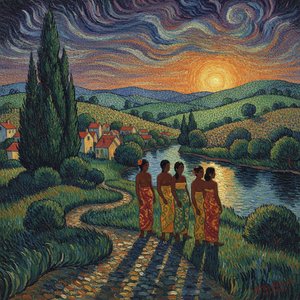 Beyond Impressionism: Exploring the Emotional Depth and Vibrant Mastery of Post-Impressionist Art
The Impressionist Legacy: A Prelude to Revolution To understand the seismic shift brought about by Post-Impressionism, one must first appreciate the luminous revolution that preceded it. The Impressionists, led by visionaries like Claude Monet and Pi...
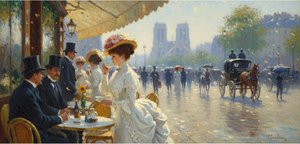
To step into the world of the Impressionists is to surrender oneself to a revolution of the senses. In the mid-1800s, a courageous group of rebels in France sought to dismantle the rigid, somber constraints of academic tradition, turning their gaze away from historical grandiosity and toward the ephemeral beauty of the present moment. They were masters of the optical moment, capturing the way light dances across a surface before it inevitably changes—the shimmering reflection on a river, the hazy atmosphere of a Parisian afternoon, or the transient effects of sunbeams filtering through autumn leaves. Through short, broken brushstrokes and an unwavering focus on optical truth, visionaries like Claude Monet and Pierre-Auguste Renoir taught us to see color as a living, breathing entity.
This movement was far more than a technical shift; it was a celebration of the now. By abandoning meticulous detail in favor of capturing an impression, these artists allowed the viewer to experience the warmth of the sun on stone or the cool mist of a morning breeze. Their canvases became windows into a world where light is the true protagonist, constantly shifting and redefining the landscape it touches. It was a luminous revolution that fundamentally altered the course of art history, breaking away from the heavy, dark dictates of the past to embrace a brighter, more fluid reality.
A Symphony of Souls: Finding Human Connection in the Works of Renoir and Cézanne
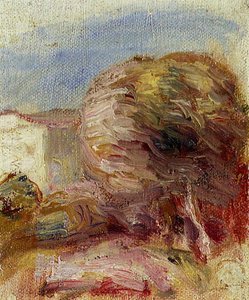 La Poste at Cagnes
A Glimpse into Provençal Life: Pierre-Auguste Renoir’s *La Poste at Cagnes* Pierre-Auguste Renoir's *La Poste at Cagnes*, painted in 1905, is more than just a depiction of a rural scene; it’s an evocative distillation of the French Impressionist aest...
While light provided the stage, it was the human element that breathed life into these vibrant scenes. In the works of Pierre-Auguste Renoir, we find a profound fascination with the beauty of everyday life and the warmth of social intimacy. His paintings, such as La Poste at Cagnes, serve as evocative distillations of the French Impressionist aesthetic, capturing not just a physical location but a sense of tranquility and contentment. In his hands, a rural scene becomes a testament to the joy found in simple existence, where the architecture of human life harmonizes perfectly with the lush greenery surrounding it.
Moving toward the more structured explorations of Paul Cézanne, we encounter a different kind of connection—one rooted in form and spatial depth. While Renoir captured the fleeting pulse of a crowd, Cézanne sought a more permanent architecture of vision. Yet, even in his more analytical approach, there is an undeniable sense of harmony. When we gaze upon works like Bathers, we are invited into a lively gathering where figures are arranged dynamically, engaging with one another in a moment frozen in time. These scenes exude a sense of communal joy and innocence, emphasizing the beauty of the human form in its most natural state and inviting us to explore themes of freedom and togetherness through the lens of a shared, organic environment.
Beyond the Surface: The Emotional Depth and Subjective Vision of Post-Impressionism
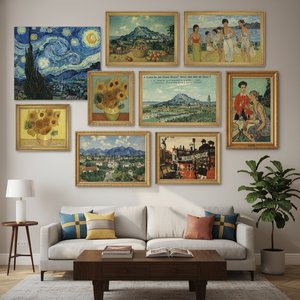 Post-Impressionism's 10 Defining Masterpieces: Art for Your Home |
Introduction Imagine stepping back in time to a world brimming with artistic revolution—a moment where painters dared to break free from the constraints of realism and embrace subjective vision. This is the essence of Post-Impressionism, a movement t...
As the nineteenth century drew to a close, a growing restlessness emerged among those who found the purely optical concerns of Impressionism to be somewhat incomplete. While the beauty of an Impressionist landscape was undeniable, there was a desire for more substance—a longing to move beyond the retina and toward the soul. This transition marked the dawn of Post-Impressionism, a movement that did not reject the brilliance of its predecessors but rather used it as a foundation to build a much more complex, subjective, and emotionally resonant architecture of vision.
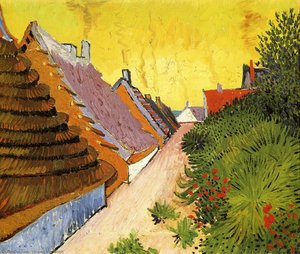
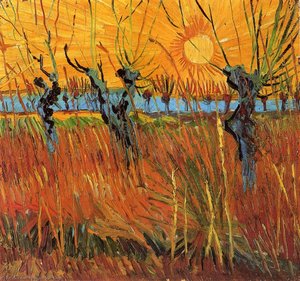
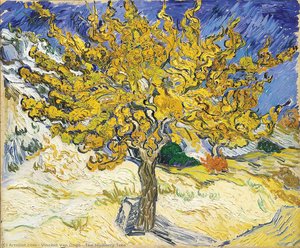
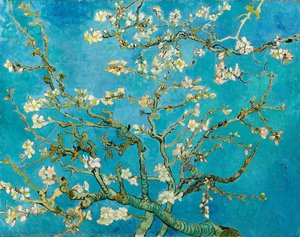
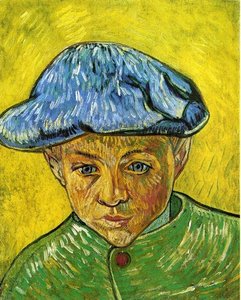
The Post-Impressionists began to question the limitations of capturing only what is seen by the eye. They sought something more profound: an expression of inner emotion, symbolic meaning, and a deeper engagement with form. Artists like Vincent van Gogh and Paul Gauguin utilized bold colors and expressive, often impulsive brushwork to reflect not just the external world, but their internal landscapes. Where the Impressionists documented how light hit an object, the Post-Impressionists documented how that object felt within the human psyche. This era of innovation allowed art to become a vessel for spirituality and psychological depth, transforming the canvas from a mirror of nature into a window into the artist's very spirit.
Nature as a Companion: Communal Harmony in Landscapes and Outdoor Gatherings
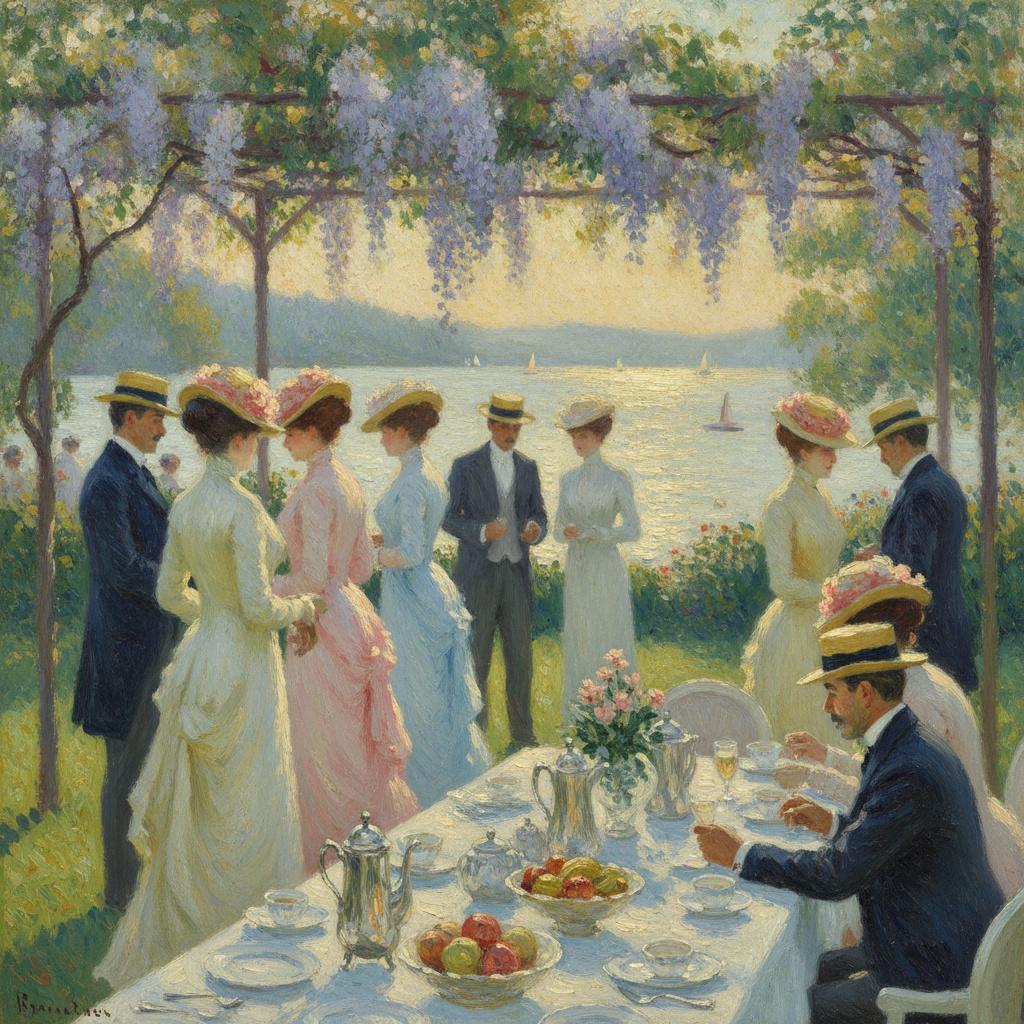
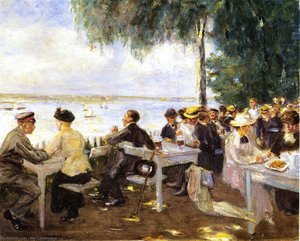 Outdoor Garden on the Havel, Nikolskoe
A Sun-Dappled Afternoon on the Havel To gaze upon Max Liebermann's Outdoor Garden on the Havel, Nikolskoe is to be instantly transported to a moment suspended in golden light—a quintessential Parisian or Berlin afternoon reimagined by an Impressionis...
In the hands of these masters, the landscape was never merely a backdrop; it was a living participant in the human story. We see this most poignantly in the works that depict communal life intertwined with the rhythms of the earth. Consider the quiet, reflective strength found in Van Gogh’s The Wood Gatherers in the Snow. Here, the landscape is somber and heavy, yet there is a profound sense of shared purpose as two peasants gather wood under a dark sky. The painting conveys a melancholic beauty, where the struggle of rural life is elevated by the quiet dignity of human perseverance amidst the elements.
This sense of harmony extends to more sun-drenched settings as well, such as Max Liebermann’s Outdoor Garden on the Havel. In this scene, we are transported to a moment suspended in golden light, where life moves at the gentle rhythm dictated by conversation and sunlight. The garden becomes a sanctuary for community and leisure, illustrating how the natural world can foster human connection. Whether through the rugged textures of a winter landscape or the dappified warmth of a summer afternoon, these artists remind us that our connection to nature is inseparable from our connection to one another.
The Texture of Memory: Preserving Life's Beautiful Moments through Masterful Brushwork
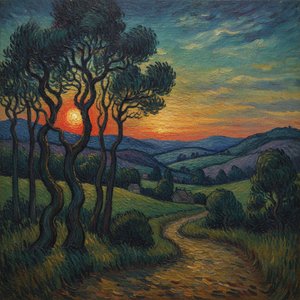 Beyond the Light: Capturing Raw Emotion and Subjective Vision in Post-Impressionist Landscapes
The Impressionist Foundation: From Fleeting Light to Lasting Emotion Beyond Impressionism: The Emotional Depth and Vibrant Evolution of Post-Impressionist Landscapes The Impressionist Foundation: Capturing Light Before the Revolution Landscape painti...
Ultimately, the enduring power of Impressionist and Post-Impressionist art lies in its ability to preserve the intangible. The visible brushstrokes, the thick application of paint known as impasto, and the vibrant, broken colors all serve to create a tactile experience that transcends mere representation. When we look at a hand-painted reproduction, we are not just looking at a picture; we are experiencing the energy of the artist's movement and the depth of their emotion. The texture of the canvas and the richness of the oil pigments allow the light to catch and play, much like the original masterpieces themselves.
This is why these works continue to resonate in our homes today. They offer us a way to hold onto the fleeting—to capture a moment of joy, a sense of peace, or a memory of beauty, and make it permanent. Whether through the luminous light of a Monet or the swirling, emotional intensity of a Van Gogh, these paintings invite us to look beyond the surface of our daily lives and appreciate the profound, beautiful connections that define our existence. They are not just relics of a bygone era, but living inspirations that continue to color our perception of the world.
At ArtsDot.com, we share this lifelong passion for the luminous and the emotive. We specialize exclusively in the curated world of Impressionism and Post-Impressionism, offering meticulously hand-painted oil reproductions that honor the academic excellence of masters like Monet, Renoir, and Van Gogh. Our mission is to bring the soul of these movements into your personal sanctuary through authentic, textured works of art that celebrate the beauty of light and human connection.