
The Evolution of Light: From Classical Oils to Modern Acrylics
 Acrylic Painting: A Comprehensive Exploration of Technique, History & Contemporary Applications
The Genesis of Acrylic: A Historical Overview Abstract expressionism Abstract expressionism in the United States emerged as a distinct art movement in the aftermath of World War II and gained mainstream acceptance in the 1950s, a shift from the Ameri...
To walk through the hallowed halls of the Musée d'Orsay is to embark on a sensory pilgrimage, a journey back to the very moment when light first broke free from the rigid constraints of tradition. For decades, we have been captivated by the heavy, slow-drying majesty of oil paints—the medium that allowed masters like Claude Monet and Camille Pissarro to build layers of history upon canvas. There is an undeniable romance in the patience required for oils, a meticulous dance with drying times that mirrors the slow unfolding of a summer morning. Yet, as we reflect on the progression of art, we must acknowledge the arrival of a new protagonist in this luminous drama: the acrylic medium.
While the masters of the nineteenth century sought to capture the fleeting essence of a sunset or the tranquil shimmer of a water lily pond through the deep, translucent glazes of oil, the twentieth century brought with it a revolution of immediacy. The transition from the heavy-bodied traditions of the past to the liquid polymer emulsions of the modern era did not signal an end to beauty, but rather an expansion of its vocabulary. Where oils demand a certain reverence for time, acrylics offer a spontaneous dialogue between the artist and the canvas, allowing for a rapid evaporation that captures the pulse of the present moment with an unprecedented, vibrant clarity.
A Symphony of Pigment: Understanding the Versatility of the Acrylic Medium
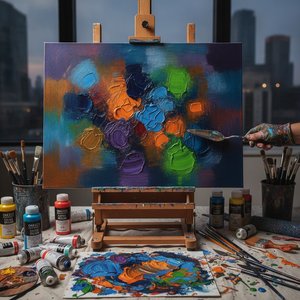 The Art Student’s Definitive Guide to Acrylic Painting: Mastering the World’s Most Versatile Medium
The Essence of Acrylics: Understanding Chemistry and Versatility To step into the world of acrylic painting is to embrace the medium of the modern era, a liquid polymer emulsion that offers an immediacy and flexibility unmatched by its historical pre...
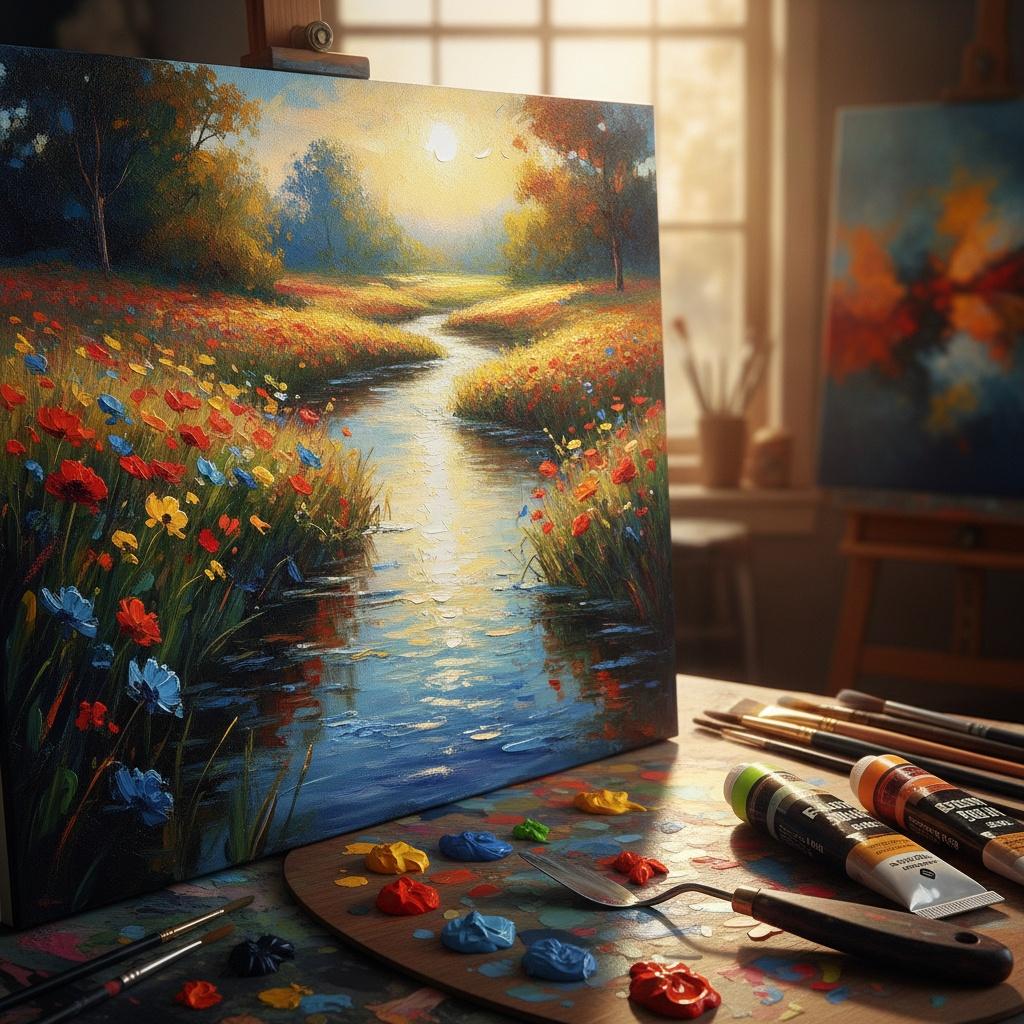
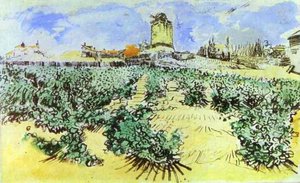
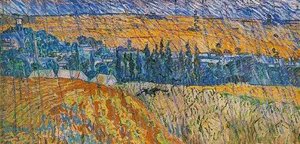
To understand the magic of acrylics is to embrace the chemistry of modern brilliance. Unlike their historical predecessors, which can be demanding and temperamental, acrylics possess a unique duality that serves both the delicate and the bold. When thinned with water, they behave with the ethereal grace of watercolors, creating soft, atmospheric washes that can evoke the misty morning light seen in the works of the Impressionist greats. Yet, when applied with a palette knife, they transform into a robust, sculptural impasto, capable of holding deep ridges and textures that catch the physical light within a room.
This versatility allows for a breathtaking range of expression. An artist can move seamlessly from the subtle gradations of a sky to the thick, energetic strokes of a landscape, building complexity within a single session. This rapid drying time does not merely offer convenience; it offers a new way to layer emotion. One can build up color with incredible speed, creating a sense of movement and spontaneity that feels as alive today as it did during the height of the Impressionist revolution. It is a medium that respects the soul of the old masters while providing the tools for a contemporary vibrancy that is both fresh and enduring.
Capturing the Fleeting Moment: How Acrylics Breathe New Life into Impressionist Techniques
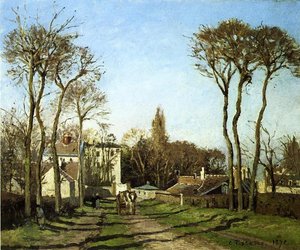 Entering the Village of Voisins
The Painting's Details Camille Pissarro 's Entering the Village of Voisins is a beautiful oil on canvas painting, measuring 46 x 55 cm. Created in 1872, it is now housed at the Musée d'Orsay in Paris, France. This piece exemplifies Pissarro's skill i...
The heart of Impressionism has always been the pursuit of the ephemeral—the way a shadow shifts across a dirt path in a village like Voisins, or how the golden hour warms a cluster of trees at twilight. For those of us who have spent a lifetime admiring the works of Renoir and Monet, the essence of their genius lies in that subjective, dreamlike lens through which they viewed the world. Acrylics, with their ability to achieve bold, saturated colors, breathe a new, modern vitality into these very same techniques.
In contemporary works, we see the spirit of Pissarro’s serene landscapes reimagined through a palette that feels even more luminous. The way light interacts with the surface of an acrylic painting can create a sense of immediacy that is almost tactile. Because the medium allows for such rapid layering, the artist can capture the "impression" of a moment—the flicker of light on water or the sudden burst of color in a garden—with a decisiveness that feels remarkably modern. It is as if the very soul of Impressionism has been infused with a new, electric energy, allowing us to experience the beauty of nature not just as a memory, but as a living, breathing presence.
Layering Emotion: The Art of Glazing and Impasto in Contemporary Works
A glaze is a thin transparent or semi-transparent layer on a painting which modifies the appearance of the underlying paint layer. Glazes can change the chroma, value, hue and texture of a surface. Glazes consist of a great amount of binding medium i...
There is a profound emotional depth found in the way paint sits upon a surface. In the classical tradition, the technique of glazing—applying thin, transparent layers to modify the color and value beneath—was used to create a glowing effect, much like looking through colored cellophane. This allowed for the rendering of delicate skin tones and the complex interplay of light. Modern acrylics have mastered this art, allowing contemporary artists to manipulate transparency and opacity to build layers of texture that are simultaneously luminous and tactile.
Conversely, the technique of impasto—the thick, heavy application of paint—remains a powerful tool for expressing raw emotion and physical energy. We see this in the works of rising stars like Alexandra Tegou, where the strength and vulnerability of the subject are mirrored in the dynamic, textured strokes of the medium. By combining the delicate transparency of glazes with the bold, sculptural weight of impasto, artists can create a multidimensional experience for the viewer. It is a way of layering not just pigment, but feeling, creating a surface that invites the eye to wander through depths of color and light.
The Modern Palette: Blending Historical Soul with Vibrant New Textures
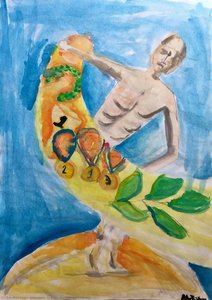 alexandra tegou
Alexandra Tegou: A Rising Star of Contemporary Acrylic Emerging from the artistic heartland of Reutlingen, Germany, Alexandra Tegou is a captivating artist quickly gaining recognition for her vibrant and dynamic acrylic paintings. While still relativ...
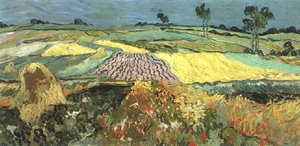
As we look toward the future of art, we find ourselves at a beautiful intersection where historical reverence meets modern innovation. The contemporary palette is no longer limited by the pigments of the past; it is an expansive landscape of bright, energetic hues—blues, greens, and yellows that pop with a clarity that was once unimaginable. Yet, even as these new colors emerge, they are often applied with a deep respect for the compositional brilliance of the masters like Cézanne or Van Gogh.
This blending of eras allows for a unique form of artistic "remixing." We can now see personal milestones and modern imagery transformed through the lens of historical styles. Imagine a contemporary portrait rendered with the swirling, emotional brushwork of a Post-Impressionist masterpiece, or a landscape that utilizes the light-drenched atmosphere of Monet but with the heightened saturation of modern acrylics. This synergy ensures that the legacy of the great Impressionists is not merely preserved in museums, but is actively evolving, finding new life in the textures and colors of our modern world.
Preserving the Glow: Caring for Your Acrylic Masterpieces
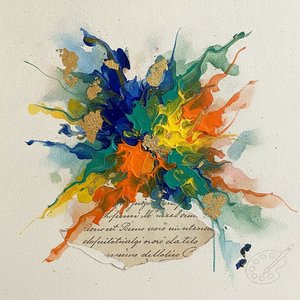 Mastering Acrylic on Paper: An Expert Guide to Texture, Color Theory, and Modern Techniques
The Foundation: Selecting the Right Paper and Preparing Your Surface In the pursuit of artistic excellence, the dialogue between medium and substrate begins long before the first brushstroke touches the surface. For the aspiring artist working with a...
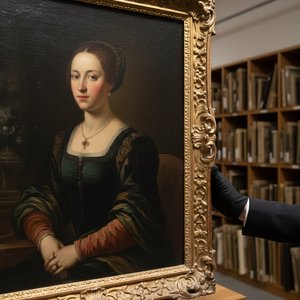
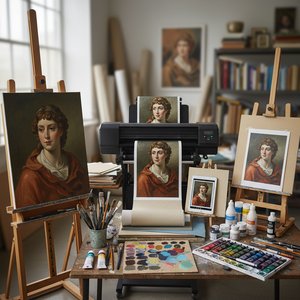
For the true lover of art, acquiring a piece is only the beginning of a lifelong relationship. Whether it is a hand-painted reproduction that captures the soul of an era or a custom commission that turns a personal memory into a masterpiece, preservation is paramount. To ensure that the vibrant pigments and delicate textures remain as luminous as the day they were finished, one must treat these works with the same care one would afford a treasure in the Musée d'Orsay.
To protect your investment, it is wise to avoid direct, harsh sunlight, which can eventually fade even the most durable pigments. Using acid-free matting and ensuring an air gap between the art and the glass can prevent moisture from affecting the canvas. At ArtsDot.com, our commitment to excellence extends far beyond the initial brushstroke. Every one of our hand-painted oil and acrylic reproductions is finished with a protective coat of Damar varnish, shielding the surface from dust, moisture, and atmospheric pollutants. We believe that art should not only capture a moment in time but should be capable of illuminating your home for generations to come.