
The Luminous Revolution: Understanding the Essence of Impressionist Light
--- title: Impressionism: Art and Modernity - The Metropolitan Museum of Art author: Margaret Samu url: https://www.metmuseum.org/essays/impressionism-art-and-modernity hostname: metmuseum.org description: In addition to their radical technique, the ...
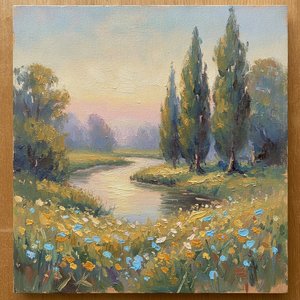
To step into the world of Impressionism is to abandon the rigid, somber shadows of the past and embrace a dawn of pure, unadulterated light. For those of us who have spent decades admiring the soft glow of a sun-drenched garden, we understand that this movement was far more than a mere change in technique; it was a profound sensory revolution. In the late nineteenth century, a group of daring visionaries, including Claude Monet and Pierre-Auguste Renoir, sought to capture the fleeting moment—the way light dances upon water or filters through a canopy of leaves before shifting forever. They rejected the heavy, dark palettes of Academic painting in favor of something much more honest: the immediate, shimmering impression of reality.
Consider the works of Renoir, particularly his evocative pieces like La Poste at Cagnes. In such works, we see the mastery of broken color, where small strokes of pure pigment are applied side-by-side, allowing our very eyes to blend them into a luminous whole. This technique creates a vibrant texture that seems to breathe on the canvas. It is not about the meticulous recording of every blade of grass, but rather about capturing the warmth of the sun on stone and the tranquil atmosphere of a quiet afternoon. When we bring these light-drenched scenes into our own spaces, we are not just hanging a painting; we are inviting the eternal summer of the French countryside into our daily lives.
This era was defined by a newfound obsession with the transient nature of existence. The Impressionists taught us to find beauty in the ordinary—in the boulevards of Paris, in intimate gatherings, and in the simple pleasures of leisure. By focusing on the way light interacts with modern life, they created a bridge between the observer and the observed, making the viewer an active participant in the light itself.
Beyond the Surface: The Emotional Depth of Post-Impressionism and Van Gogh’s Soul
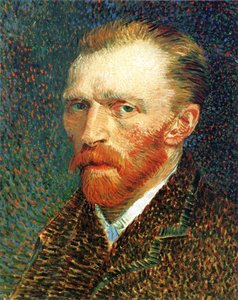 Self Portrait
A Window into Van Gogh’s Soul: The 1887 Self-Portrait Vincent van Gogh's 1887 *Self-Portrait* is more than a likeness; it’s a profound exploration of the artist’s inner world, rendered with the burgeoning intensity that would define his legacy. Paint...
As the nineteenth century progressed, a new generation of artists felt that the fleeting impressions of their predecessors, while beautiful, lacked a certain psychological weight. This gave rise to Post-Impressionism, a movement that moved beyond mere representation toward a deeper, more subjective understanding of the human condition. If Impressionism was about the eye, Post-Impressionism was about the soul. Artists like Vincent van Gogh and Paul Cézanne began to use color and form not just to depict what they saw, but to express how they felt.
Van Gogh’s work remains perhaps the most poignant example of this emotional intensity. In his 1887 Self-Portrait, we witness a pivotal moment where he absorbs the influences of Impressionism and Japanese woodblock prints to forge a language of swirling brushstrokes and turbulent palettes. His art is a window into an inner world, where every thick application of paint—the heavy impasto—cariente a visceral energy. When viewing a piece like Le Moulin de la Galette, one can sense the duality of life: the vibrant, joyful energy of a bustling Parisian café juxtaposed with darker tones that suggest an underlying melancholy or introspection.
This era also saw artists like Theo van Rysselberghe and Paul Cézanne exploring the structural and emotional resonance of nature. Whether it is the meditative quality of olive trees in a Mediterranean landscape or the relentless pursuit of form in Cézanne’s landscapes, these works invite us to look deeper. They challenge us to move past the surface level of sight and engage with the underlying structure and emotion of the world around us. To live with Post-Impressionist art is to surround oneself with a profound, beautiful complexity.
Curating a Sanctuary: Integrating Masterful Textures into Your Home Decor
 Cézanne's Masterpieces: 25 Iconic Artworks to Transform Your Space
Introduction There’s a quiet intensity that clings to Paul Cézanne's work, an almost palpable sense of searching—a relentless pursuit of capturing the essence of light and form. To assemble a ‘Top 25’ is, in itself, a somewhat reductive act; it feels...
Creating a cultural space within one's home requires more than mere decoration; it requires curation. For the true lover of art, a room should feel like a sanctuary, a place where the textures of history and the softness of light can coalesce. Integrating Impressionist works into a modern interior is an exercise in balance. The beauty of these pieces lies in their tactile nature—the visible brushstrokes and the depth of color that a simple print can never truly replicate.
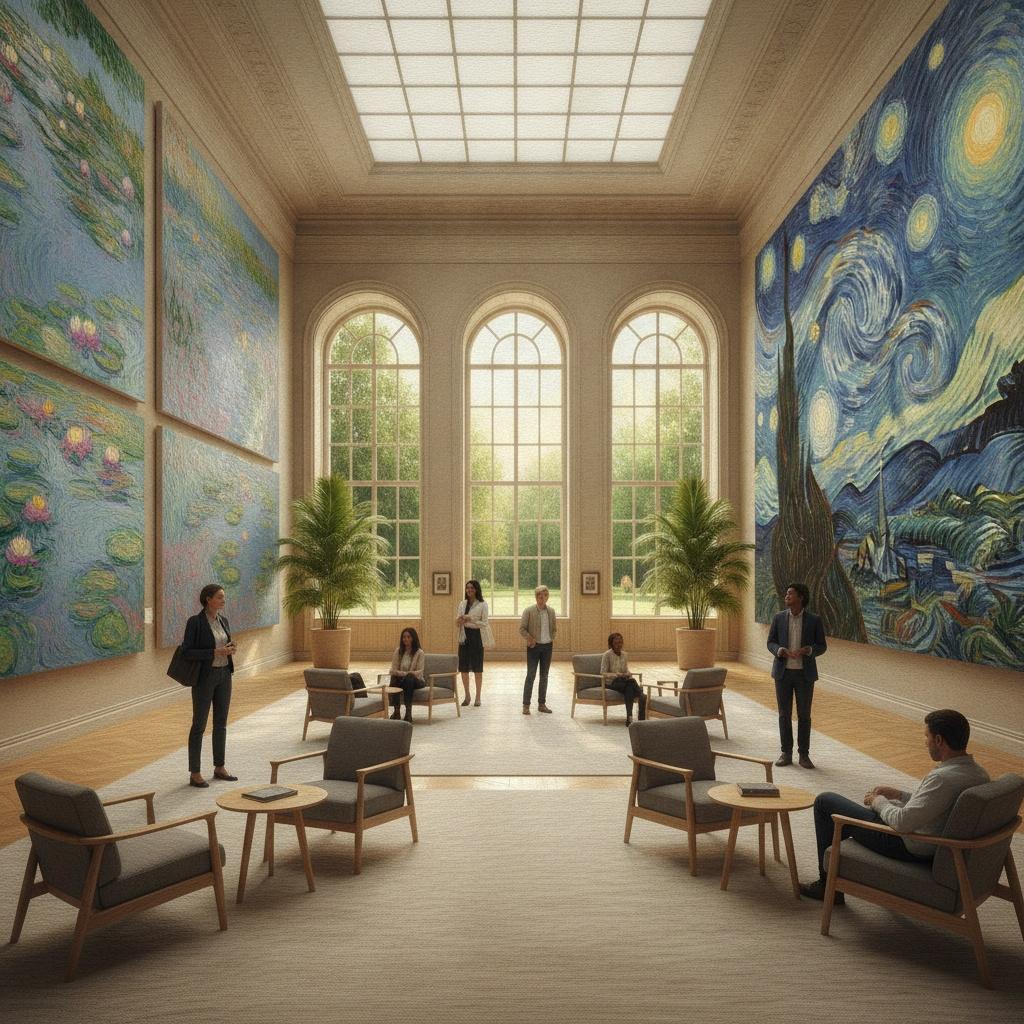
< p>When selecting art for a living space, consider the interplay between the painting's energy and your room's architecture. A large-scale, multi-panel arrangement of a Monet water lily series can act as a breathtaking focal point for a wide wall or a grand staircase, creating a sense of movement and continuity. Conversely, smaller, more intimate works by Renoir can anchor a quiet reading nook, providing a sense of tranquility and contentment.Texture plays a vital role in this curation. The physical presence of oil paint on canvas—the way the light catches the ridges of a brushstroke—adds a layer of sophistication that elevates an entire room. By choosing reproductions that honor these authentic textures, you allow the art to interact with the ambient light of your home, much like the original masters intended. This creates a living, breathing environment where the boundaries between the canvas and your personal sanctuary begin to blur.
From Canvas to Living Space: The Art of Selecting Timeless Reproductions
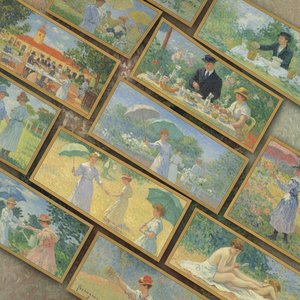 Renoir's Masterpieces: Explore 25 Iconic Paintings & Bring Art Home | ArtsDot
Introduction To embark on a journey through the top 25 artworks of Pierre-Auguste Renoir is to step into a world bathed in light, color, and an exquisite celebration of life. These paintings are not merely depictions of scenes; they are invitations—t...
For the discerning collector, the challenge often lies in finding pieces that resonate with authenticity while fitting the practicalities of a modern home. This is where the distinction between a mere print and a hand-painted reproduction becomes paramount. A high-quality oil reproduction is a bespoke creation, a labor of passion where an artist meticulously layers pigment on cotton canvas to achieve the closest possible match to the original masterpiece.
Selecting a reproduction allows you to "remix" art history to suit your personal aesthetic. Imagine the delight of having a cherished family photograph reimagined in the thick, expressive impasto style of Van Gogh, or a modern landscape transformed into a light-drenched scene reminiscent of Monet. This level of customization ensures that the art is not just an ornament, but a deeply personal reflection of your own journey and memories.
When choosing, look for the hallmarks of true craftsmanship: the visible texture of the brushwork, the rich tonal range, and the durability of materials like 100% cotton canvas and protective damar varnish. These elements ensure that your selection is not a fleeting trend, but a lasting legacy that will remain vibrant for generations. Whether you are looking for a single iconic work or a curated set of paintings to transform an entire gallery wall, the goal is to find pieces that speak to your soul.
Preserving the Legacy: Caring for Your Hand-Painted Impressionist Collection
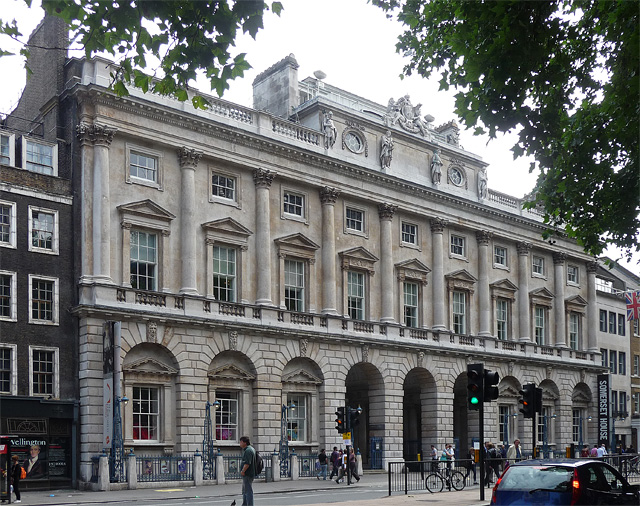 Courtauld Institute of Art
The Courtauld Institute of Art () is a self-governing college of the University of London specialising in the study of the history of art and conservation. The art collection is known particularly for its French Impressionist and Post-Impressionist p...
Owning a collection of hand-painted Impressionist reproductions is a profound responsibility—a stewardship of beauty. To ensure that the luminous colors and delicate textures endure, one must attend to the subtle science of art preservation. The very elements that make these paintings so captivating—the vibrant pigments and the textured surfaces—require a stable environment to thrive.
The primary enemies of fine art are light, moisture, and dust. While we crave the sunlight that inspired Monet, direct, harsh sunlight can cause pigments to fade over time. It is wise to place your most precious works in areas with controlled lighting. Similarly, maintaining a stable humidity level is essential; extreme fluctuations can cause the canvas to expand or contract, potentially leading to cracks in the paint layer. For those seeking an even more antique aesthetic, some collectors enjoy an optional aged and cracked (craquelure) finish, which adds a sense of historical weight to the piece.
Proper framing also serves as a vital protective barrier. Using acid-free matting creates a necessary air gap between the art and the glass, preventing moisture buildup that could damage the surface. By treating your collection with this level of care, you ensure that the emotional resonance and historical brilliance of these Impressionist treasures continue to illuminate your home for decades to come.
At ArtsDot.com, we are dedicated to this very mission of preservation and passion. We specialize exclusively in the masters of Impressionism and Post-Impressionism, offering hand-painted oil reproductions that bring the soul of Monet, Renoir, and Van Gogh directly into your cultural space. Whether you seek a custom commission from a personal photo or a museum-quality masterpiece to anchor your home, our artists are here to help you curate a legacy of light.