
Introduction
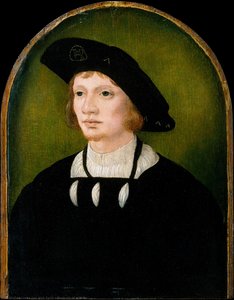
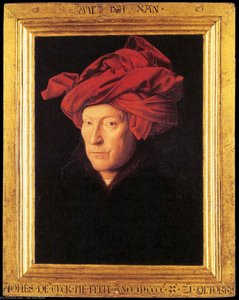
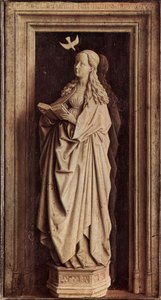
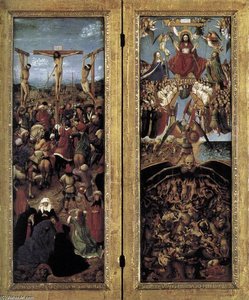
Step into a world where light does not merely illuminate, but breathes life into every microscopic detail. To wander through the era of the Northern Renaissance is to embark on a journey of profound intimacy and quiet wonder. While the Italian Renaissance celebrated the grand, idealized proportions of man, the masters of the North—flourishing in the vibrant landscapes of Flanders, Germany, and the Netherlands—turned their gaze toward the exquisite truth of the tangible world. They found the divine not just in the heavens, but in the glint of a single teardrop, the heavy texture of a velvet robe, and the soft, morning mist clinging to a distant riverbank.
This was a period defined by a revolutionary mastery of oil paint, a medium that allowed artists to layer translucent glazes, creating a depth of color and a luminous glow that seems almost supernatural. Through this technique, painters like Van Eyck and Dürer captured a sensory reality so precise it feels as though you could reach out and touch the cool surface of a polished gemstone or feel the warmth of a flickering candle. It was an age where art became a mirror to the soul and a window into the meticulous beauty of the natural world, blending deep spiritual symbolism with an almost scientific devotion to observation.
Today, these masterpieces remain profoundly meaningful because they speak to our enduring human desire to find meaning in the small, the fleeting, and the beautiful. They remind us that there is a sacredness in detail and a quiet majesty in the everyday. As we prepare to walk through this curated selection, let us linger on each brushstroke and contemplate the stories etched into these canvases. We invite you to rediscover the ten transformative works that captured the heart of the North, inviting you to see the world through eyes newly awakened by light, texture, and truth.
Adoration of the Trinity (Landauer Altar) - Albrecht Dürer
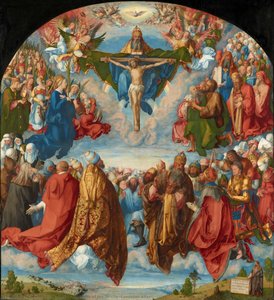 Adoration of the Trinity (Landauer Altar) - Albrecht Dürer
When you stand before Albrecht Dürer’s Adoration of the Trinity , you do not merely see a painting; you step into a luminous vision where the divine meets the earthly. Created in 1511 for Nuremberg’s Zwölfbrüderhaus, this monumental masterpiece is a symphony of light and human connection. Dürer does not simply depict illumination; he composes it, using an ethereal glow to weave together a tapestry of popes, peasants, and saints within a grand, Venetian-inspired hall.
The brilliance lies in how the artist breathes life into every figure—from the serene authority of Christ to the delicate textures of the angels' robes. There is a profound, rhythmic movement in the way light spills across the architectural depths, inviting you to trace the symbolic instruments of the Passion and the regal presence of Old Testament prophets. It is this mastery of perspective and emotional depth that defines the Northern Renaissance. To possess such a work is to invite a portal of inspiration into your own space, where the golden hues and sacred atmosphere turn a simple wall into a window toward the sublime.
Portrait of a Young Venetian Woman - Albrecht Dürer
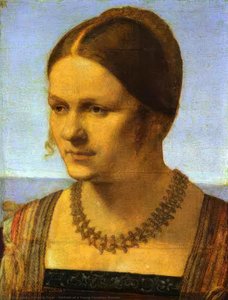 Portrait of a Young Venetian Woman - Albrecht Dürer
To gaze upon Albrecht Dürer’s Portrait of a Young Venetian Woman is to step into a quiet, shared moment of introspection. There is a profound, melancholic beauty in her averted eyes, a soft vulnerability that transcends the centuries since 1507. This masterpiece earns its place among the greatest works of the Northern Renaissance because it captures a rare, transformative intersection: the meticulous, soulful precision of Dürer’s German roots meeting the luminous, atmospheric grace of the Italian masters.
The painting breathes with warmth, utilizing a palette of rich ochres and golds that seem to glow from within the oil layers. Every delicate brushstroke on the subject's skin and the subtle sheen of her drapery invites a sensory connection to the High Renaissance. At ArtsDot.com, we believe such emotional depth should not be confined to museum walls. Our hand-painted oil reproductions are crafted to preserve this very essence—capturing the tactile impasto and the light-drenched spirit of Dürer’s genius, allowing you to invite this timeless, contemplative elegance into the sanctuary of your own home.
Young Hare - Albrecht Dürer
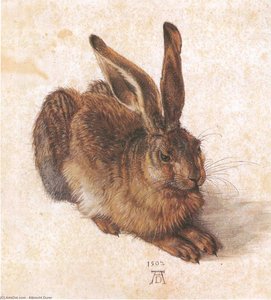 Young Hare - Albrecht Dürer
In Albrecht Dürer’s 1502 masterpiece, a soft, earthen ochre dominates the composition, casting a mood of quiet, grounded intimacy that feels like a whispered secret from the forest. This subtle palette, far from being mere pigment, serves as the heartbeat of the Northern Renaissance, showcasing a revolutionary mastery of light and texture. Düruly’s ability to layer delicate washes over precise pen strokes allows the viewer to feel the tactile warmth of every individual strand of fur, elevating a simple animal study into a profound meditation on life's fleeting beauty.
For the discerning collector, integrating this work into a modern living space offers an opportunity to curate an atmosphere of serene intellectualism. The muted browns and russets harmonize beautifully with contemporary neutral tones, providing a focal point that brings a sense of organic tranquility and historical depth to a dining room or study. It is more than a painting; it is a window into the meticulous observation that defined an era, perfect for those seeking to anchor their home with the soulful precision of a true German Renaissance master.
The Battle between Lent and Carnival - pieter bruegel the younger
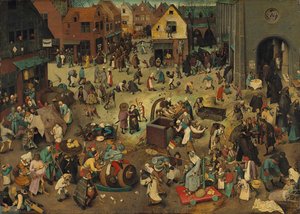 The Battle between Lent and Carnival - pieter bruegel the younger
In The Battle between Lent and Carnival by Pieter Bruegel the Younger, the lines of the Northern Renaissance aren’t merely drawn; they are choreographed . This is not a simple composition; it is a dance frozen in time , where the boister/ous energy of a village festival meets the somber weight of spiritual reflection. As you gaze upon this masterpiece, you feel the pulse of 16th-century Flanders—the earthy ochres, the deep reds, and the tactile textures of oil on wood that bring every figure to life.
The painting captures a breathtaking tension between indulgence and restraint, weaving a tapestry of human folly and devotion. It is a magnificent chaos that somehow achieves a profound, rhythmic harmony. Its place in our selection of the Top 10 Masterpieces That Defined the Northern Renaissance is a tribute to its ability to make such overwhelming movement feel like a singular, breathing moment. Imagine your own home holding this same delicate balance; imagine walls that do not just decorate, but breathe rhythm and history into your everyday life.
The Mocking of Christ - matthias grünewald
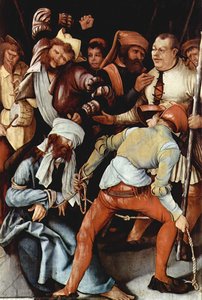 The Mocking of Christ - matthias grünewald
To encounter Matthias Grünewald’s The Mocking of Christ is to witness a profound moment of human vulnerability captured in the raw, visceral language of the Northern Renaissance. Painted around 1503, this masterpiece transcends mere historical narrative; it is an emotional confrontation. Grünewald eschews the polished idealism of his Italian contemporaries, opting instead for a gritty, German realism that pulls the viewer into the chaotic, crowded scene of Christ’s humiliation.
The composition is a tapestry of tension, where earthy ochres and deep, bruised reds meet the stark, dramatic light of chiaroscuro . Every detail—the rough texture of binding ropes, the sadistic glint in an onlooker's eye, and the heavy, layered fabrics—serves to intensify the psychological weight of the betrayal. Owning a piece of this legacy is not merely a purchase; it is an inheritance of taste, bringing the profound spiritual fervor of the 16th century into the intimacy of your own home. Through our hand-painted reproductions, this lineage of Northern Renaissance mastery becomes a living part of your walls.
Christ Among the Doctors - Albrecht Dürer
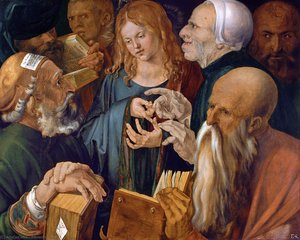 Christ Among the Doctors - Albrecht Dürer
To stand before a masterpiece is to step into a silent dialogue across the centuries. In Christ Among the Doctors by Albrecht Dürer , we find ourselves enveloped in an intimate, scholarly tension, where the air feels heavy with the scent of aged parchment and the weight of divine revelation. Created in 1506, this work captures the pivotal moment of a young Jesus engaging with the learned scholars of the Temple, a scene rendered with the breathtaking precision that defines the Northern Renaissance.
Dürer’s brushwork achieves a tactile realism; one can almost feel the rough texture of the heavy drapery and the weathered, intricate folds of the doctors' beards. The palette is a warm, earthy symphony of ochres, deep browns, and muted reds, illuminated by a dramatic, directional light that carves profound shadows into the crowded composition. This painting earns its place among the greatest works of the era through its seamless fusion of Italian structural influence and German meticulousness. It remains a timeless testament to how art can transform a room, inviting us into a space of quiet contemplation and eternal intellectual wonder.
Peasant wedding - Pieter Bruegel the Elder
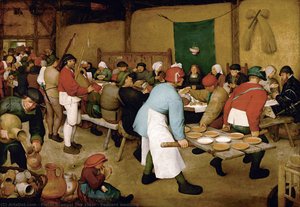 Peasant wedding - Pieter Bruegel the Elder
In Peasant Wedding , Pieter Bruegel the Elder invites us to pull up a rustic bench and join a celebration that feels as intimate as a whispered memory. This masterpiece stands as a cornerstone of the Northern Renaissance, moving away from the idealized divinity of the South to find profound beauty in the earthy, unvarnished reality of Flemish life. Bruegel captures a sensory feast; one can almost smell the heavy ale and hear the boisterous laughter echoing against the wooden beams.
The composition is a masterful dance of chaos and structure, where muted ochres, deep browns, and sudden splashes of crimson create a warm, communal atmosphere. His meticulous attention to the textures of pottery and coarse linen brings a tactile depth that resonates beautifully in modern interiors, offering a soulful anchor for a room. By elevating the everyday feast to the level of high art, Bruegel redefined the human experience, proving that the most enduring stories are often found in the simple, shared joys of our common humanity.
Double Portrait of Jean de Dinteville and Georges de Selve (also known as The Ambassadors) - Hans Holbein the Younger
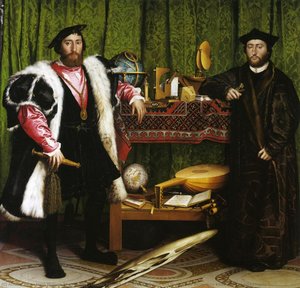 Double Portrait of Jean de Dinteville and Georges de Selve (also known as The Ambassadors) - Hans Holbein the Younger
Step into the hushed, heavy atmosphere of 1533, where the scent of old parchment and the weight of political intrigue seem to linger in the air. In The Ambassadors , Hans Holbein the Younger does not merely paint two men; he captures a world suspended in a moment of profound tension. As you gaze upon Jean de Dinteville and Georges de Selve, your eyes are drawn to the breathtakingly tactile textures—the lush, heavy furs and the cold, gleaming surfaces of scientific instruments that speak of an era of discovery.
The brilliance of this Northern Renaissance masterpiece lies in its layers of hidden meaning. Amidst the vibrant silks and celestial globes, a broken lute string whispers of discord, while the haunting, anamorphic skull serves as a silent memento mori , reminding us of life's fleeting nature. Bringing such a profound work into your home offers more than mere decoration; it invites a sense of intellectual depth and quiet contemplation, turning a modern wall into a window onto the enduring mysteries of human history and the exquisite precision of a master's hand.
The Hunters in the Snow (Winter) - Pieter Bruegel the Elder
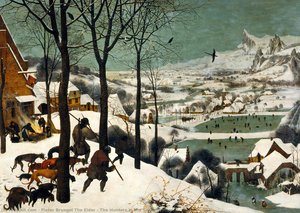 The Hunters in the Snow (Winter) - Pieter Bruegel the Elder
To gaze upon Pieter Bruegel the Elder’s The Hunters in the Snow is to feel the crisp, biting chill of a sixteenth-century winter settling deep within the soul. At ArtsDot.com, we believe that the profound beauty of such historical treasures should not be confined to distant museums, but rather shared through accessible, high-fidelity reproductions that breathe life into your own surroundings.
This masterpiece earns its place among the definitive works of the Northern Renaissance through its unparalleled ability to weave human narrative into the vastness of nature. Bruegel does not merely paint a landscape; he captures the rhythmic pulse of survival during the Little Ice Age, using a sophisticated atmospheric perspective where distant, frosted mountains dissolve into pale, ethereal blues. The weary diagonal of the hunters in the foreground creates a poignant emotional anchor, contrasting with the lively, frozen festivities of the village midground.
The painting’s cool palette and textured, snowy expanse offer a serene yet powerful aesthetic that transcends time. By bringing a meticulous oil reproduction of this work into your home or gallery, you invite a transformative presence—a window into a storied past that continues to inspire modern moments of quiet reflection and seasonal wonder.
Adam and Eve - Lucas Cranach the Elder
 Adam and Eve - Lucas Cranach the Elder
To stand before a masterpiece of the Northern Renaissance is to witness a moment where the divine meets the meticulously earthly. In Adam and Eve by Lucas Cranach the Elder, we are transported to the very dawn of humanity, captured with a precision that feels both intimate and monumental. As one of the defining works of this era, it embodies the profound tension between innocence and the weight of destiny.
Cranach employs a breathtakingly detailed technique, where every leaf in the lush Eden and the soft, luminous glow of skin tones are rendered with academic excellence. The palette is a rich tapestry of warm ochres, deep forest greens, and the striking, symbolic red of the forbidden fruit. Through delicate glazing and fine brushwork, he creates a tactile world where the texture of bark and the velvet softness of nature coexist in harmony. This painting does more than recount a biblical narrative; it invites us into a contemplative space of beauty and loss. Even today, such a work possesses the power to transform a room, offering a window into the eternal human condition that continues to stir the soul.
Conclusion
As the light fades on our journey through these Northern masterpieces, we are left not merely with memories of pigment and oil, but with a profound sense of the enduring human spirit. These works—with their meticulous details, their quiet devotion, and their ability to find the divine within the domestic—are far more than relics of a bygone era held behind museum glass. They are living presences, breathing textures of light and shadow that possess the power to transform a house into a sanctuary.
To bring one of these treasures into your own home is to invite a silent, beautiful conversation into your daily life. It is to surround yourself with the same reverence that Van Eyck or Dürer felt when they first touched brush to panel, allowing their mastery to serve as a gentle reminder of grace, patience, and the infinite beauty found in the smallest details. Whether it is the soft glow of a candle reflected in a painted jewel or the heavy, soulful weight of a portrait, these paintings offer a timeless connection to our shared history.
We invite you to continue this exploration and find the piece that speaks directly to your soul. You may wander through our full collection to discover how the profound depth of the Northern Renaissance can illuminate your own space, turning every glance toward your walls into a moment of quiet wonder and artistic inspiration.