The Psychology of Palette: How Color Theory Dictates Room Atmosphere
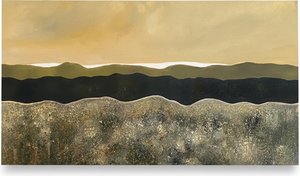
In the realm of high-end interior design, color is far more than a mere aesthetic choice; it is the invisible architect of emotion. When we step into a room, our subconscious mind immediately begins to interpret the chromatic landscape, responding to the subtle frequencies of light and pigment. For the discerning decorator, understanding this psychological resonance is essential for creating spaces that do not merely look beautiful but feel profound. A palette of deep, saturated reds and earthy browns, much like the captivating explorations found in Thiago Boecan’s Color Study C-1, can ground a room, providing a sense of warmth, stability, and primal connection to the earth.
Conversely, the introduction of lighter, more ethereal tones can expand the perceived boundaries of a space, inviting a sense of clarity and breath. The strategic use of color allows a designer to manipulate the energy of a room—transforming a sterile gallery-like hall into an intimate sanctuary or a quiet study into a vibrant hub of inspiration. By mastering the interplay between temperature and saturation, one can dictate whether a space evokes the tranquil stillness of a dawn sky or the invigorating pulse of a metropolitan afternoon. The true mastery lies in using color as a silent language to communicate intent before a single piece of furniture is even placed.
Geometric Rhythm: Using Abstract Shapes to Define Architectural Flow
Beyond the emotive power of color lies the structural influence of form. Abstract art offers a unique toolkit for the decorator, providing geometric rhythms that can either harmonize with or intentionally disrupt the architectural lines of a home. The use of Op Art, pioneered by masters such as Victor Vasarely, demonstrates how dynamic circles and interlocking shapes can create an illusion of movement, effectively guiding the eye through a space. In works like Abstract 14, the rhythmic repetition of geometric elements creates a visual pulse that can breathe life into static corners or add a sense of structured order to more organic, flowing floor plans.
When integrating these shapes, the decorator must consider the dialogue between the canvas and the wall. A piece featuring sharp, angular abstractions can reinforce the modern, clean lines of minimalist architecture, while softer, more fluid geometric compositions can soften the edges of a brutalist or industrial interior. The goal is to use abstraction to create a sense of movement—a visual path that leads the viewer from one focal point to another, ensuring that the architectural flow of the home feels continuous and intentional rather than fragmented.
Texture and Tactility: The Emotive Power of Impasto and Brushwork
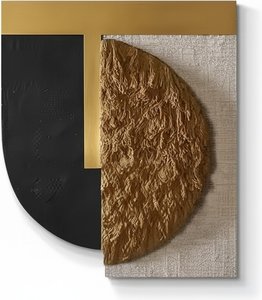
While color and shape provide the foundation, it is texture that provides the soul. In an era dominated by flat, digital imagery, the tactile depth of a hand-painted oil reproduction offers a sensory richness that cannot be replicated by mere printing. The presence of impasto—the thick, sculptural application of paint—allows light to catch the ridges of the brushstroke, creating miniature landscapes of shadow and highlight upon the canvas itself. This physical dimension invites the viewer to engage with the artwork not just visually, and perhaps even physically, through a sense of perceived touch.
The weight of the paint contributes significantly to the room's "gravitas." A heavy, textured canvas can act as an anchor in a large-scale room, providing a sense of permanence and historical weight. The visible movement of the artist’s hand—the energetic swirl of a brush or the deliberate scrape of a palette knife—transfers human emotion directly into the domestic environment. This connection to the artist's process creates a layer of authenticity that elevates a room from a curated collection of objects to a living, breathing gallery of human experience.
Curating the Narrative: Selecting Abstract Masterpieces for Specific Moods
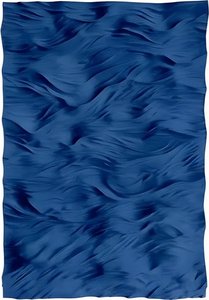
Every well-designed room tells a story, and the selection of abstract art serves as its most potent narrative device. A decorator must act as a curator, selecting pieces that complement the intended biography of the space. For a dining room designed for lively conversation and social engagement, one might look toward the vibrant, high-contrast energy of mid-century modern abstractions. In contrast, a private library or a master suite requires a more contemplative selection—perhaps the serene, color-field explorations reminiscent of Willem Joseph Laquy, where the focus shifts from form to the subtle, emotive power of expansive, monochromatic planes.
This curation process involves looking beyond the surface level of "matching" colors. It is about finding works that resonate with the lifestyle of the inhabitants. Is the space meant for rejuvenation, or for intellectual stimulation? By selecting artworks that possess a specific emotional frequency, the decorator can weave a cohesive narrative throughout the home, ensuring that each room offers a distinct yet harmonious chapter in the overall design story.
The Designer's Toolkit: Integrating Large-Scale Abstractions into Modern Interiors
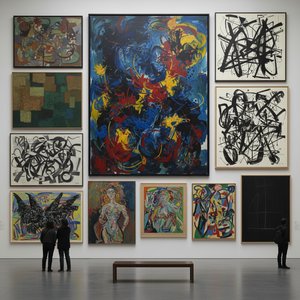
For the professional decorator, the challenge often lies in scale and integration. The modern trend of "multi-panel" or group set paintings allows for the transformation of expansive walls and grand staircases into immersive art installations. Splitting a single abstract composition across three, four, or even five panels creates a breathtaking architectural effect, turning a void into a focal point that commands attention without overwhelming the room's proportions.
Furthermore, the ability to customize art through advanced services allows for unparalleled precision in design. Whether it is requesting a "period shift" to bring a modern photograph into the style of a 17th-century master or utilizing digital mockups to ensure color matching with bespoke upholstery, the tools available today allow for a seamless integration of fine art and interior architecture. When executed with expertise, large-scale abstraction becomes more than decoration; it becomes an integral component of the home's very structure, defining the space as much as the walls themselves.
Discover the intersection of tradition and innovation at ArtsDot.com. From bespoke oil reproductions to professional art consultations, we provide the expertise needed to transform your vision into a masterpiece of interior design.