The Evolution of Expression: From Classical Foundations to Contemporary Concepts
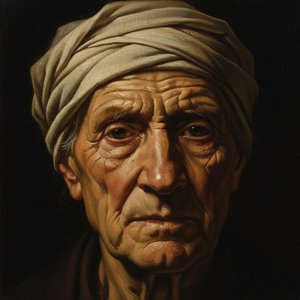
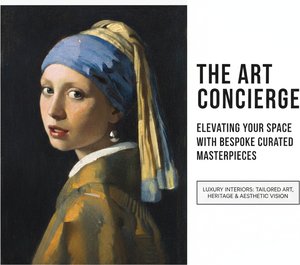
To understand the profound complexities of contemporary art, one must first acknowledge the sturdy, venerable foundations upon which it is built. For centuries, the pursuit of artistic excellence was defined by the mastery of mimesis—the ability to replicate the natural world with such fidelity that the canvas became a window into another reality. The Old Masters, through their rigorous study of anatomy, light, and perspective, established a visual vocabulary of prestige and permanence. However, as we transitioned through the eras of Romanticism and Impressionism, the focus began to shift from the external object to the internal perception. This evolution was not a rejection of tradition, but rather an expansion of it.
As the rigid boundaries of realism began to soften, artists started to prioritize the emotional resonance of a brushstroke over the literal depiction of a subject. We see this transition in the way light was no longer just a tool for illumination, but a medium for atmosphere itself. This movement toward abstraction laid the groundwork for the contemporary era, where the "subject" of a painting may no erat be a person or a landscape, but the very act of creation. For the modern collector, recognizing this lineage is essential; it allows one to see that even the most avant-garde piece carries the DNA of the masters who preceded it, bridging the gap between historical reverence and modern innovation.
Decoding the Language of Modernity: Texture, Form, and Materiality
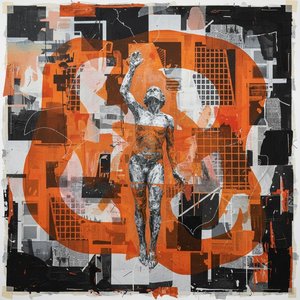
In the contemporary landscape, the physical substance of an artwork often speaks as loudly as its visual composition. The language of modernity is written in the tactile language of texture and form. Where a classical portrait might rely on smooth, invisible glazes to achieve a porcelain skin tone, a contemporary work may utilize heavy impasto to create a sculptural topography on the canvas. This emphasis on materiality invites the viewer into a sensory dialogue with the piece, where the ridges of dried oil paint and the interplay of light across thick pigments become central to the narrative.
Beyond mere texture, the choice of medium has expanded to include unexpected materials that challenge our traditional definitions of fine art. We encounter works that incorporate glass, industrial elements, or even organic matter, much like the seminal Arte Povera movement, which utilized humble materials to critique consumerism and explore the relationship between the body and the object. Even in the realm of high-quality reproductions, this tactile depth is what distinguishes a true masterpiece from a mere print. The presence of visible, breathing brushstrokes provides a three-dimensional vitality that captures the spirit of the original, ensuring that the artwork remains a living, breathing entity within a curated space.
The Conceptual Shift: Understanding Art as Idea and Experience
Perhaps the most significant departure from classical tradition is the rise of conceptualism, where the underlying idea or "concept" takes precedence over the aesthetic execution. In this realm, the artwork serves as a vessel for intellectual inquiry. A piece may no longer be judged solely by its technical virtuosity, but by its ability to provoke thought, challenge social norms, or redefine the viewer's perception of reality. This shift has transformed the act of viewing art from a passive observation into an active, intellectual engagement.
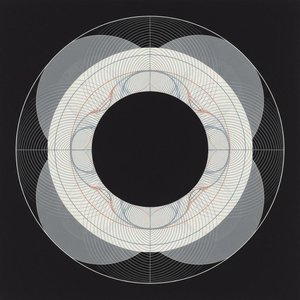
This era of art invites us to consider the ephemeral and the intangible. Consider works that explore movement through geometric forms or sculptures that utilize negative space to suggest presence through absence. The experience of the art becomes as much about the context in which it is viewed as the object itself. For the discerning collector, this requires a nuanced approach—an ability to look beyond the surface and engage with the artist's intent. It is an invitation to participate in a global conversation regarding identity, politics, and the very nature of existence, making each acquisition not just a decorative addition, but a profound intellectual milestone.
Curating the Future: Strategies for the Discerning Art Collector
Building a collection in the contemporary era is an exercise in both passion and strategic foresight. It requires a delicate balance between following one's aesthetic intuition and understanding the shifting tides of the global art market. A sophisticated collection is rarely a random assortment of acquisitions; rather, it is a curated narrative that reflects the collector's personal journey and intellectual interests. This may involve seeking out established names that provide stability to a portfolio, while simultaneously venturing into the discovery of emerging talents who represent the vanguard of new movements.
Effective curation also involves considering the architectural and atmospheric context of the art. A collection should breathe within its environment, with pieces chosen for their ability to interact with light, space, and even the other works surrounding them. Whether one is integrating large-scale murals that transform a room into a historical fresco or selecting multi-panel sets that create a rhythmic flow across a wide wall, the goal is cohesion. The modern collector must also be a steward of longevity, understanding the chemistry of preservation—from the importance of lightfast pigments to the necessity of acid-free mounting—to ensure that their acquisitions remain vibrant for generations to come.
The Intersection of Innovation and Tradition: Technology in the Modern Atelier
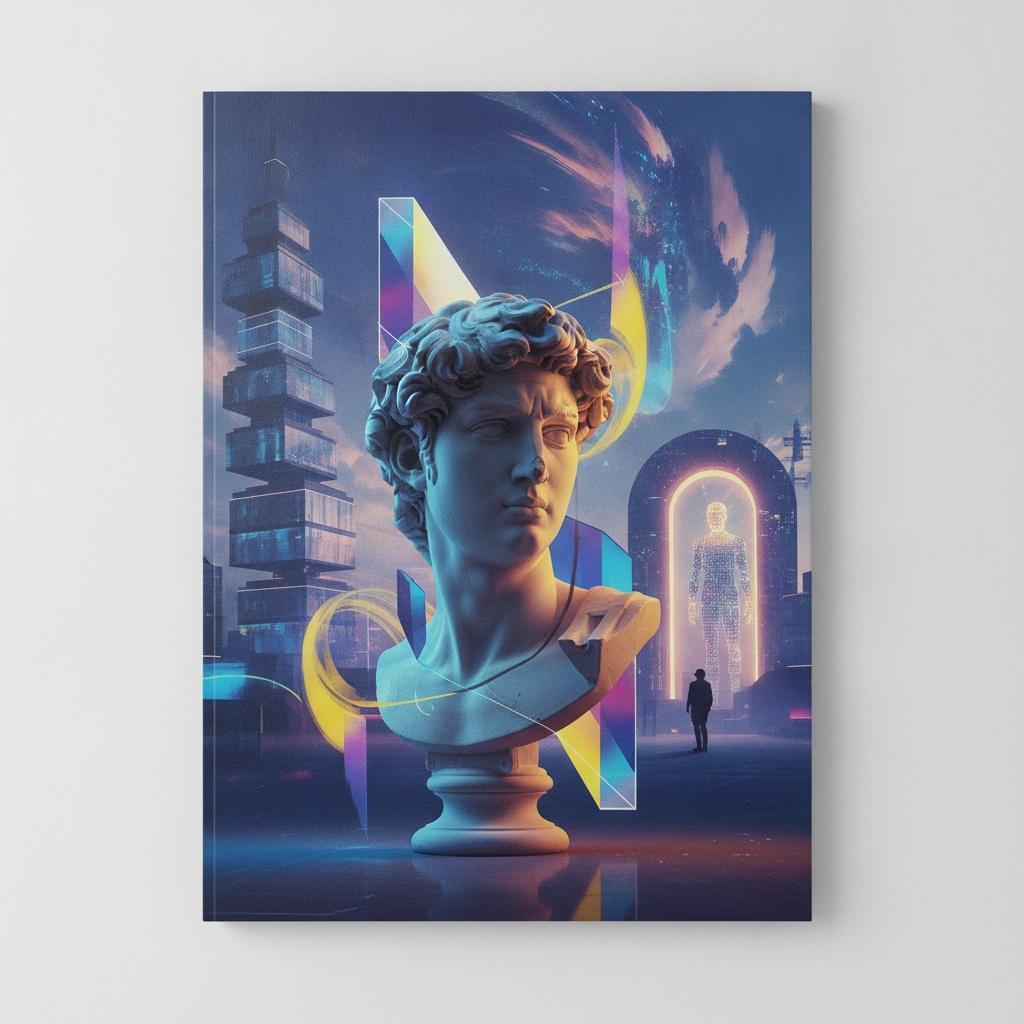
As we navigate the complexities of the twenty-first century, the boundary between traditional craftsmanship and technological innovation continues to blur. We are witnessing a remarkable era where digital tools can augment, rather than replace, the human hand. From AI-driven design explorations that allow collectors to reimagine personal memories in the style of Cubism, to the use of advanced digital management systems that provide unprecedented transparency in the commissioning process, technology is enriching the artistic experience.
Yet, at the heart of this technological evolution remains a profound respect for the traditional atelier. The most compelling modern works often emerge from this very intersection—where the precision of new media meets the soulful, unpredictable nature of oil on canvas. This synergy allows for a "remixing" of art history, where a contemporary photograph can be transformed into a 17th-century style masterpiece through meticulous hand-painting. In this way, technology does not diminish the sanctity of the artist's touch; instead, it provides new lenses through which we can view, celebrate, and preserve the eternal beauty of human creativity.
At ArtsDot.com, we stand at this very intersection, dedicated to preserving the legacy of the Old Masters while embracing the limitless possibilities of contemporary expression. Whether through bespoke oil reproductions that capture the tactile soul of a masterpiece or through expert consultations that help you navigate your next great acquisition, our mission is to make the profound world of fine art accessible, authentic, and timeless for collectors across the globe.