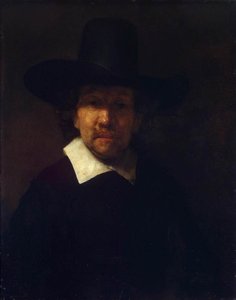
The Essence of Chiaroscuro: Defining the Dutch Baroque Aesthetic
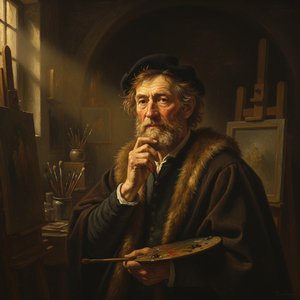
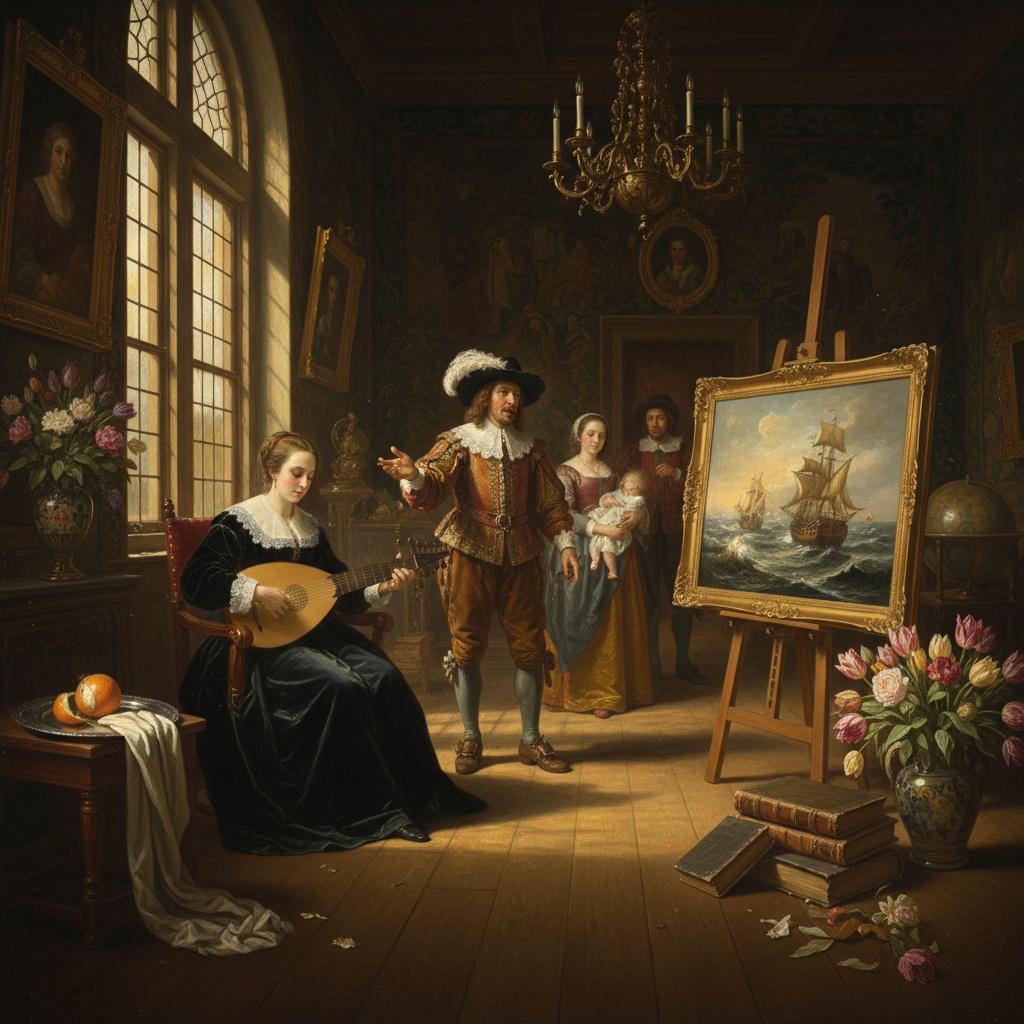
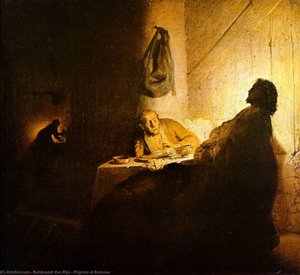
To step into the world of the Dutch Baroque is to enter a realm where light does not merely illuminate, but narrates. During the seventeenth century, the Dutch Golden Age emerged as a period of unparalleled artistic innovation, moving away from the rigid, idealized forms of the Renaissance toward a profound, visceral realism. At the heart of this movement lies chiaroscuro—a term derived from the Italian words for light and dark. This technique is far more than a simple contrast; it is a sophisticated manipulation of luminance used to sculpt figures out of the void, creating a sense of three-dimensional volume that breathes upon the canvas.
In these works, shadow is never merely an absence of light; it is a heavy, atmospheric presence that provides the necessary stage for brilliance to perform. The Dutch masters understood that by obscuring certain details in deep, velvety darkness, they could direct the viewer's gaze with surgical precision toward the emotional epicenter of the painting. This interplay creates a psychological tension, inviting the observer to peer into the gloom and discover the hidden truths tucked within the folds of fabric or the quiet corners of a room. It is an aesthetic of drama, intimacy, and profound human connection.
Rembrandt van Rijn: The Architect of Light and Shadow
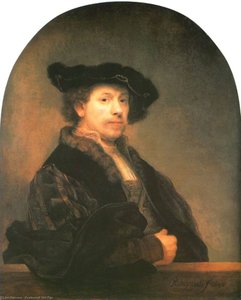
No name resonates more powerfully with the concept of light and shadow than Rembrandt van Rijn. As the preeminent master of the Dutch Baroque, Rembrandt transformed chiaroscuro into a deeply personal language of emotion and spirituality. His approach was revolutionary; rather than using light to simply reveal form, he used it to reveal the soul. In masterpieces such as The Jewish Bride, one can witness how his brushwork captures the warmth of a shared moment, with light catching the rich textures of gold and fabric, while the surrounding shadows wrap the subjects in a cloak of timeless intimacy.
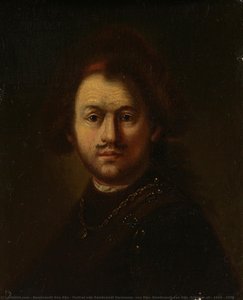
Rembrandt’s mastery extended to his ability to render the subtle nuances of human character. In his portraits, such as the Portrait of Maria Bockenolle, the dramatic interplay between light and shadow serves to highlight the exquisite details of contemporary fashion—the delicate ruffles of a collar or the soft sheen of a feathered hat—while simultaneously grounding the subject in a sense of profound psychological depth. His work often feels as though it is emerging from the darkness itself, a technique that lends his biblical scenes and self-interrogations an almost supernatural gravity. Through his hands, light became a tool for storytelling, capable of conveying both the divine and the deeply human.
Symbolism in the Shadows: Narrative Depth through Contrast
Beyond the visual spectacle, the use of shadow in Dutch Baroque painting serves as a sophisticated symbolic language. The darkness often represents the unknown, the ephemeral nature of life, or the weight of mortality, providing a stark backdrop for the "light" of virtue, divinity, or sudden realization. When an artist chooses to plunge a portion of a scene into obscurity, they are often inviting a meditative state in the viewer, prompting us to contemplate what lies beneath the surface of the visible world.
This symbolic use of contrast allows for a layered narrative experience. A single beam of light falling upon a saint in prayer, as seen in works reminiscent of Saint Francis Praying, acts as a visual metaphor for divine grace descending into the earthly realm. The shadows act as the terrestrial weight, the struggle, and the mystery of existence. By carefully balancing these elements, Dutch masters created paintings that functioned as much as theological or philosophical treatises as they did aesthetic triumphs, ensuring that every highlight and every eclipse held a deeper, often spiritual, meaning.
Technical Mastery: Pigments, Textures, and the Art of Layering
The breathtaking realism of the Baroque era was not merely a product of vision, but of rigorous technical discipline. Achieving such profound depth required an intimate knowledge of chemistry and the physical properties of oil paint. The masters utilized a complex process of layering, often beginning with thin, translucent glazes that allowed light to penetrate through multiple levels of pigment before reflecting back to the eye. This creates a "glow" from within the painting, a quality that flat, modern prints can rarely replicate.
Texture plays an equally vital role in this technical achievement. The use of impasto—the thick, sculptural application of paint—allowed artists to catch actual physical light on the surface of the canvas. When light hits a raised ridge of dried oil, it creates tiny, real-world shadows that complement the painted ones. This tactile dimension, combined with the careful selection of pigments with high lightfastness, ensured that the dramatic transitions from brilliant whites to deep umbers remained vibrant and structurally sound for centuries. It is this marriage of light, shadow, and physical texture that gives a true Baroque masterpiece its "living" quality.
The Legacy of the Golden Age: From Masterpieces to Modern Interpretations
The influence of the Dutch Baroque continues to reverberate through the halls of art history and into the modern era. The principles of chiaroscuro established by Rembrandt and his contemporaries laid the groundwork for much of Western realism, influencing everything from the Romantic movement to the cinematic lighting techniques used in contemporary film noir. The ability to manipulate mood through contrast remains one of the most potent tools in a visual storyteller's arsenal.
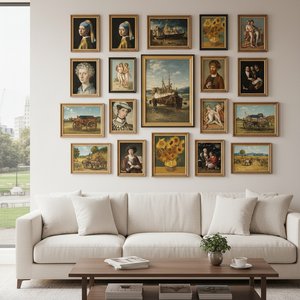
Today, this legacy lives on through the preservation and recreation of these timeless aesthetics. Whether through the meticulous hand-painted reproductions found at ArtsDot.com—where artists use traditional layering and heavy-duty cotton canvas to honor the original textures—or through digital explorations of historical styles, the spirit of the Dutch Golden Age remains undiminating. We continue to find profound beauty in that eternal struggle between the light that reveals and the shadow that hides, proving that the mastery of the Baroque is not merely a chapter in a history book, but a continuous dialogue with the human experience.