The Architecture of Darkness: Defining Caravaggio’s Tenebrism
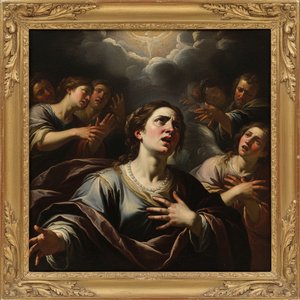
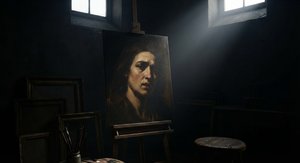
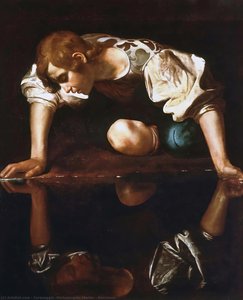
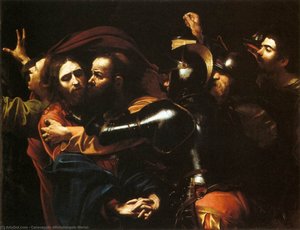
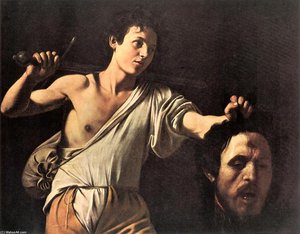
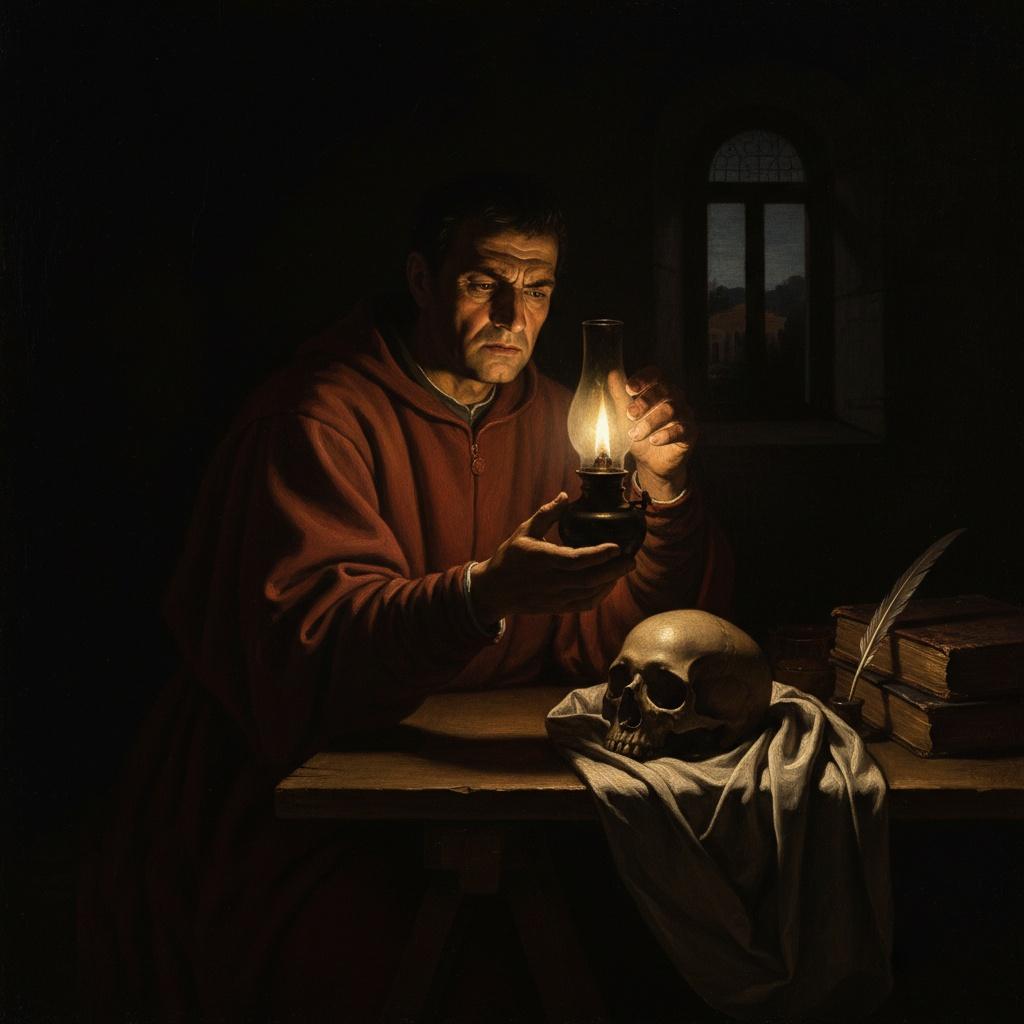
To step into the world of Michelangelo Merisi da Caravaggio is to abandon the safety of even, diffused light and enter a realm where shadow is not merely an absence of illumination, but a physical presence. At the heart of his revolutionary style lies tenebrism, a technique far more aggressive than standard shading. While many of his contemporaries used shadows to suggest depth, Caravaggio utilized them to command attention. In his masterpieces, the darkness acts as a heavy, velvet shroud that swallows the periphery, forcing the viewer’s gaze toward a singular, piercing point of light.
This dramatic use of shadow creates a profound sense of isolation and focus. When we observe works such as The Lute Player, we see how the deep, impenetrable blacks serve to push the subject forward, making the textures of silk, skin, and instrument feel startlingly immediate. This is not a passive darkness; it is an active participant in the storytelling. By stripping away the distracting details of the background, Caravaggio removes the temporal and spatial context, leaving us with nothing but the raw, unadulterated essence of the moment captured on canvas.
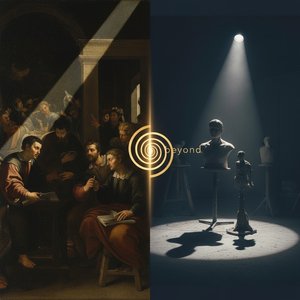
The brilliance of this approach lies in its ability to create a stage-like atmosphere. The darkness functions as a void from which life emerges, creating a tension that is almost palpable. For the art enthusiast, understanding tenebrism is the key to unlocking the psychological weight of the Baroque era, where the struggle between light and dark mirrored the spiritual and political upheavals of the seventeenth century.
Chiaroscuro and the Sculptural Light: Bringing Form to Life
If tenebrism provides the stage, then chiaroscuro provides the actors. This technique—the delicate management of light and shadow to model three-dimensional forms—is what gives Caravaggio’s figures their remarkable, almost tactile, volume. Through a masterful command of highlights and deep recesses, he achieved a sculptural quality that made his subjects appear to breathe within the frame. There is no ambiguity in his forms; the light strikes a cheekbone, a furrowed brow, or a muscular arm with such precision that the flesh seems to possess weight and temperature.
In examining the subtle transitions of light, one can witness the profound realism that defined his career. Unlike the idealized, ethereal figures of the High Renaissance, Caravaggio’s subjects are grounded in the physical world. The way light catches the edge of a piece of fruit or the glint of moisture on a lip brings a visceral reality to the viewer. This interplay of light and dark creates a sense of relief, as if the figures are not merely painted onto a flat surface but are emerging from the canvas into our own space.
This sculptural approach serves a higher purpose than mere technical virtuosity. It imbues every subject with a sense of gravity and importance. By using light to define the contours of the human condition, Caravaggio invites us to feel the physical presence of his characters, making their joys and sufferings impossible to ignore. The light does not just illuminate; it defines existence itself.
Emotional Intensity and Realism: The Human Drama in Shadow
Beyond the technical mastery of light and dark, Caravaggio’s true genius resided in his ability to capture the raw, often uncomfortable, truth of human emotion. He was a pioneer of naturalism, choosing to depict saints, martyrs, and commoners with the weathered skin, dirty feet, and weary expressions of the people he saw in the streets of Rome. There is no romanticized veneer here; there is only the profound, often violent, reality of life.
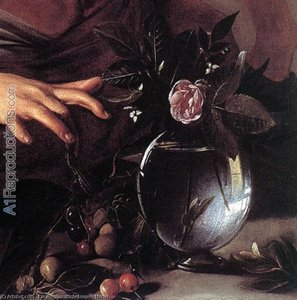
Consider the visceral impact of Boy Bitten by a Lizard. The sudden shock, the sharp sting of pain, and the frantic movement are all heightened by the dramatic lighting. The shadows conceal the cause of the boy's distress while highlighting the immediate physical reaction, trapping the viewer in that split second of agony. This is the power of Caravaggio’s realism—it bypasses intellectual contemplation and strikes directly at the nervous system. He captures the pathos of the human experience through the lens of extreme physical sensation.
This emotional intensity is often paired with a sense of profound symbolism. The light can represent divine intervention or sudden revelation, while the encroaching shadows suggest mortality, sin, or the unknown. In his hands, a simple scene of a boy peeling fruit becomes a meditation on the fleeting nature of youth and the inevitable approach of decay. He transformed the mundane into the monumental, using the drama of shadow to elevate human struggle to the level of the divine.
The Legacy of the Shadow: From Baroque Mastery to Modern Influence
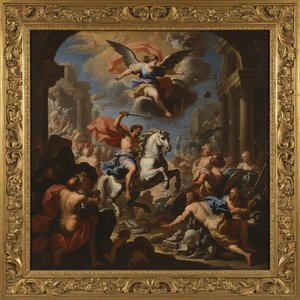
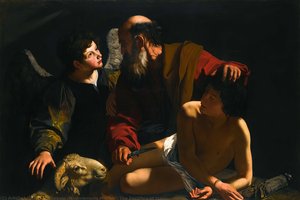
The ripples of Caravaggio’s revolution were felt across the centuries, fundamentally altering the trajectory of Western art. His "Caravaggisti" followers spread his tenebristic style throughout Europe, influencing the dramatic compositions of Rubens and the psychological depth of Rembrandt. The ability to use light as a narrative tool became a cornerstone of Baroque painting, providing a blueprint for how artists could manipulate viewer emotion through contrast.
Even in the modern era, the DNA of Caravaggio’s shadows persists. We see his influence in the moody, high-contrast cinematography of film noir and the dramatic lighting used in contemporary portrait photography. The concept of using darkness to create focus and tension remains one of the most potent tools in a visual storyteller's arsenal. His work taught us that what we cannot see is often just as important as what we can.
The enduring appeal of his style lies in its universality. As long as humans are moved by drama, conflict, and the interplay of light and dark, Caravaggio will remain relevant. He provided a visual language for the complexities of the human soul—a language that continues to resonate in every masterpiece that dares to embrace the shadows.
Curating the Dramatic: Integrating Caravaggio-Inspired Art into the Modern Home
For the contemporary collector, incorporating elements of the Baroque aesthetic is an exercise in creating atmosphere and depth. A single, powerful reproduction of a Caravaggio-inspired work can serve as the emotional anchor of a room. The dramatic contrast of these pieces works exceptionally well in modern interiors characterized by minimalist palettes or architectural textures, where the painting provides a much-needed layer of complexity and historical weight.
When selecting art to evoke this sense of drama, consider the lighting of your space. To truly honor the spirit of tenebrism, these works benefit from directional lighting—such as a dedicated picture light or a soft spotlight—which mimics the way Caravaggio himself would have illuminated his subjects. This allows the shadows to recede and the highlights to pop, preserving the intended sculptural effect.
Whether through large-scale multi-panel sets that transform a hallway into a gallery of shadows, or a single, intimate portrait that commands a study, the goal is to invite conversation and contemplation. By bringing these masterworks into our personal spaces, we do more than decorate; we curate an environment of profound emotional resonance, ensuring that the dramatic power of the Old Masters continues to illuminate our modern lives.
At ArtsDot.com, we are dedicated to preserving this legacy of human creativity. Our mission is to make the grandeur of the Old Masters accessible to everyone through exquisite, hand-painted oil reproductions. Each piece is meticulously crafted by professional artists on fine cotton canvas, ensuring that every brushstroke and every shadow carries the authentic soul of the original masterpiece. Whether you seek a custom portrait or a breathtaking tribute to the Baroque era, we invite you to explore our collection and bring the timeless drama of art history into your home.