

The Renaissance of Antiquity: Defining the Neoclassical Aesthetic
Neoclassicism in the arts is an aesthetic attitude based on the art of Greece and Rome in antiquity, which invokes harmony, clarity, restraint, universality, ...
To step into the world of Neoclassicism is to leave behind the frantic, unscripted energy of the modern age and enter a sanctuary of profound logic and historical reverence. Emerging in the mid-18th century as a deliberate intellectual movement, Neoclassicism was far more than a mere aesthetic preference or a passing trend; it was a disciplined pursuit of truth through the lens of order, clarity, and an unwavering admiration for the achievements of Greco-Roman antiquity. This era sought to anchor the human spirit in the timeless principles of the past, finding inspiration in the rediscovered ruins of Pompeii and Herculaneum, which offered a tangible connection to a lost world of virtue and grace.
At its very core, this movement functioned as a necessary reaction against the perceived chaos and emotional excess of more spontaneous styles. Where previous eras embraced the exuberant experimentation of the Baroque or the whimsical frivolity of the Rococo, Neoclassicism championed a return to the fundamental truths of form. It was an aesthetic attitude rooted in harmony, restraint, and universality—a belief that true beauty is not found in the accidental or the raw, but in the carefully structured and the mathematically harmonious. This profound reverence for the classical tradition allowed artists to view the ancient world not merely as a collection of weathered ruins, but as a living blueprint for an elevated existence.
The Architecture of Order: Symmetry, Geometry, and the Classical Revival
 Neoclassical architecture
Neoclassical architecture, sometimes referred to as Classical Revival architecture, is an architectural style produced by the Neoclassical movement that began in the mid-18th century in Italy, France and Germany. It became one of the most prominent a...
The architectural manifestations of Neoclassicism represent one of the most enduring legacies of the movement, characterized by a striking emphasis on the wall rather than the dramatic chiaroscuro of earlier periods. This style, often referred to as Classical Revival, sought to strip away the ornate excesses of the Late Baroque and return to a purer, more authentic classical form adapted for modern purposes. The beauty of Neoclassical architecture lies in its profound simplicity; it is defined by symmetry, simple geometry, and a sense of monumental stability that commands respect through its very presence.
In the grandest structures of Europe, from the stately facades of France to the civic landmarks of Germany, one observes a meticulous adherence to classical vocabulary. The movement utilized the structural language of ancient Rome and Greece—columns, pediments, and domes—to communicate power and permanence. Unlike the Renaissance or Baroque styles, which often represented partial revivals of antiquity, Neoclassical architecture aimed for a complete and rigorous application of classical principles. This architectural discipline provided a sense of social and intellectual order, creating spaces that felt both timeless and profoundly grounded in the weight of history.
Mastering the Human Form: Anatomical Precision and the Pursuit of Ideal Beauty
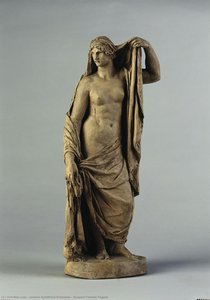 Draped Female Figure
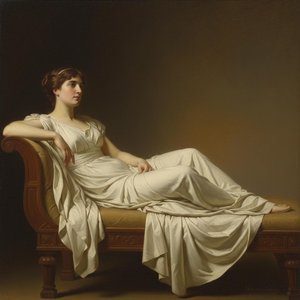
A Study in Classical Grace: Johann Gottfried Schadow's Draped Female Figure This exquisite hand-painted reproduction captures the essence of a pivotal moment in Neoclassical sculpture – Johann Gottfried Schadow’s “Draped Female Figure,” created in 18...
In the realm of sculpture and painting, Neoclassicism reached its zenith through an almost obsessive dedication to anatomical accuracy and the pursuit of idealized beauty. Artists such as Johann Gottfried Schadow, with his exquisite Draped Female Figure, demonstrated a remarkable sensitivity to form and texture, evoking the spirit of ancient Greece through the subtle modeling of marble and fabric. This was not merely about imitation; it was about capturing the eternal essence of the human experience by refining the physical body into its most perfect, most virtuous state.
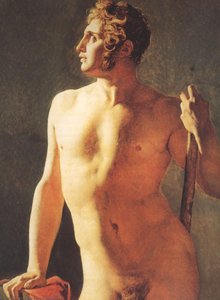
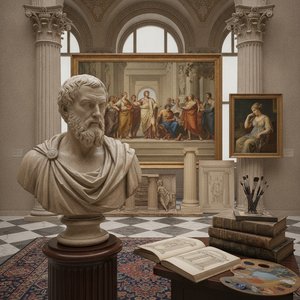
The technical mastery required for such works demanded a rigorous academic foundation. Every brushstroke in a portrait or every chisel mark on a bust served to emphasize contours and define form with surgical precision. In the works of Vincenzo Camuccini, for instance, we see a profound fascination with the sculptural achievements of antiquity, where even a pencil sketch can convey a sense of serene dignity and contemplation. This commitment to anatomical precision and the use of light to enhance volume allowed Neoclassical artists to create figures that felt both physically present and divinely inspired, bridging the gap between the mortal and the monumental.
The Intellectual Canvas: Moral Gravity and the Reaction Against Rococo Excess
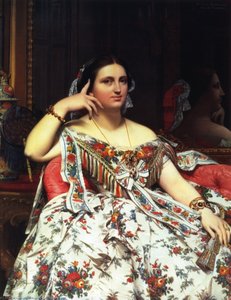
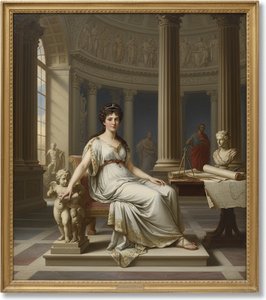 Neoclassical Portraiture: The Timeless Elegance of Order, Grace, and Academic Mastery
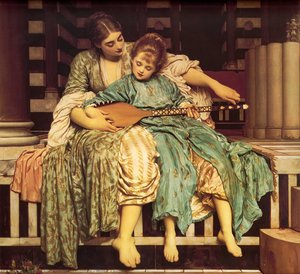
The Neoclassical Ethos: Reclaiming the Grandeur of Antiquity To understand the profound impact of Neoclassical portraiture, one must first look back to the dust and glory of the ancient world. Emerging as a powerful reaction against the perceived fri...
Beyond the surface of the canvas, Neoclassicism was imbued with a deep sense of moral gravity. The movement emerged as a powerful reaction against the perceived frivolity and ornate excess of the Rococo period, seeking instead to restore intellectual clarity and ethical purpose to art. This era prioritized history painting—the depiction of significant narratives from classical mythology and history—as the pinnacle of artistic achievement. These works were intended to serve as moral exemplars, using the structured language of line and composition to communicate universal truths and inspire civic virtue.
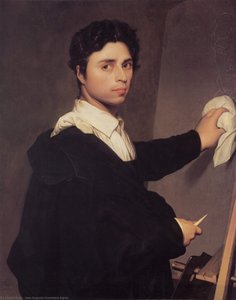
The intellectual aura of this period is perhaps best captured in the academic studies of masters like Jean-Auguste-Dominique Ingres, where the subject is often caught in a moment of profound contemplation. The art was never merely decorative; it was an intellectual endeavor. By adhering to established canons of proportion and focusing on themes of heroism, sacrifice, and duty, Neoclassical artists created a visual language that resonated with the Enlightenment ideals of reason and logic. This disciplined approach ensured that every element within the frame served a greater narrative or moral purpose, providing a quiet power that transcends the ephemeral nature of daily life.
Neoclassicism in Modern Interiors: Curating Timeless Grandeur for the Elite Collector
 Mougins Museum of Classic Art
A Tranquil Oasis Dedicated to Classical Art and Artistic Legacy Nestled in the picturesque Provençal village of Mougins, France – a haven for artists since antiquity – lies the Mougins Museum of Classic Art. More than just a repository of sculptures ...
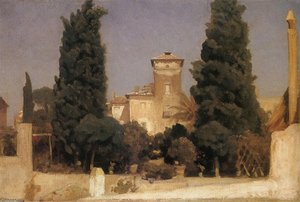
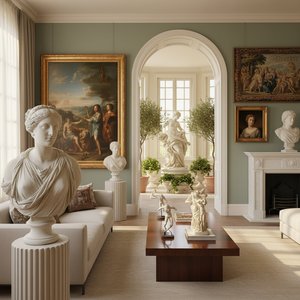
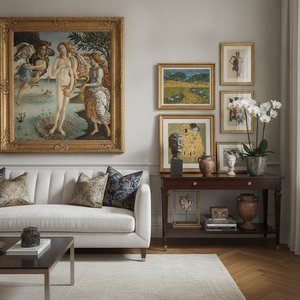
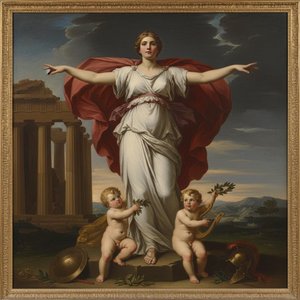
For the discerning collector and the modern interior designer, Neoclassicism offers an unparalleled opportunity to infuse a space with sophistication and historical depth. Integrating Neoclassical elements into a contemporary setting allows for the creation of an environment that feels both luxurious and intellectually grounded. Whether through the placement of a large-scale reproduction of a classical landscape or the inclusion of a meticulously detailed bust, these works provide a sense of stability and permanence that modern, minimalist aesthetics often lack.
Curating such a collection requires an eye for balance and a respect for the interplay of light and form. The timeless elegance of Neoclassical art lies in its ability to harmonize with diverse architectural styles, from the grandest estates to refined urban apartments. By selecting pieces that emphasize symmetry, clarity, and the beauty of the classical ideal, one can transform a room into a sanctuary of profound logic and historical reverence. In an age of rapid change and fleeting trends, the enduring grandeur of Neoclassicism remains a cornerstone for those seeking to surround themselves with art that possesses a truly eternal soul.