

The Eternal Canvas: Art as a Vessel for Human History
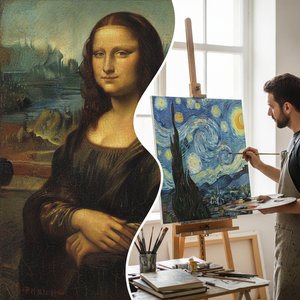
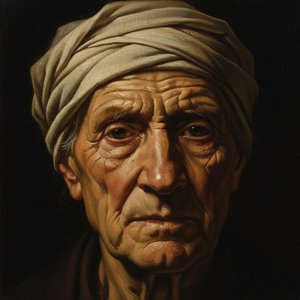
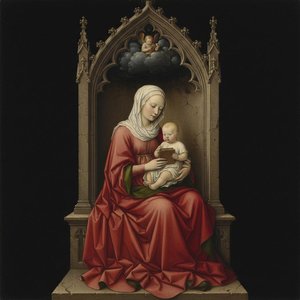
To gaze upon a masterpiece is to engage in a silent dialogue with the souls of those who came before us. Every brushstroke, every deliberate application of pigment, serves as a temporal bridge, connecting the fleeting moment of creation to the enduring consciousness of the present. Throughout the centuries, art has functioned not merely as decoration, but as a profound vessel for human history, capturing the triumphs, tragedies, and spiritual evolutions of civilizations long since passed. When we encounter the dramatic chiaroscuro of the Baroque era or the soft, ethereal light of the Impressionist movement, we are witnessing more than technical skill; we are experiencing the preserved heartbeat of an epoch.
The preservation of these visual narratives is a sacred responsibility. As eras shift and the physical artifacts of history face the ravages of time, the essence of our collective memory resides in the ability to replicate and revisit these iconic images. The continuity of human identity depends upon our capacity to recognize the symbols and aesthetics that defined our ancestors. By honoring the textures and tones of the Old Masters, we ensure that the stories etched into canvas remain legible for future generations, allowing the past to remain a vibrant, breathing participant in our modern existence.
Beyond the Frame: How Reproductions Bridge Eras and Cultures
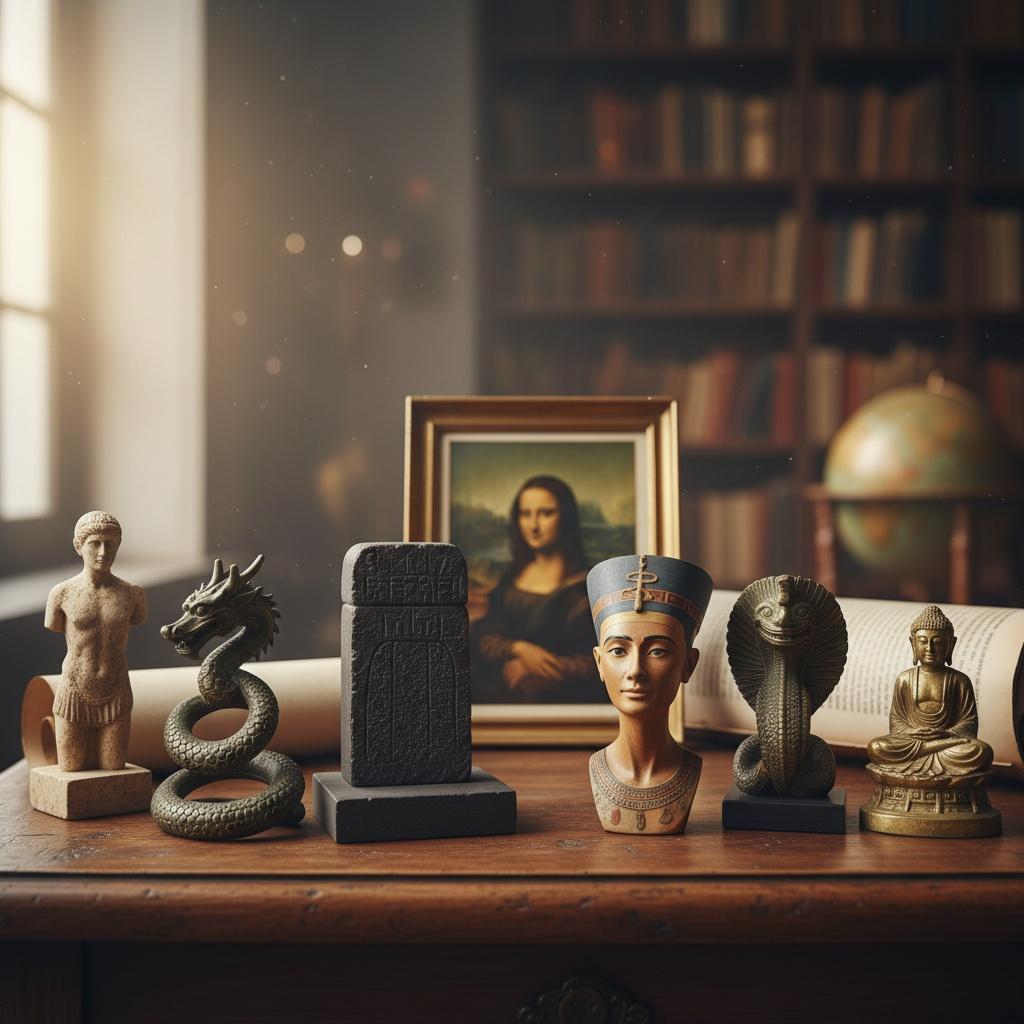
The boundaries of a gilded frame are often perceived as limits, yet through the art of high-quality reproduction, these borders dissolve. A masterpiece is no longer confined to the climate-controlled halls of a distant museum; it enters the intimate sanctuary of the home, crossing geographical and temporal divides. This movement of art from the institutional to the personal allows for a unique cultural osmosis. A resident in a modern metropolitan apartment can find profound connection with the landscapes of 17th-century Holland or the vibrant folk traditions celebrated by organizations like the Secretariat of Culture of Oaxaca, effectively weaving global heritage into their daily environment.
This bridging of eras is achieved through a deep respect for the original's intent. When a reproduction captures the precise luminosity of a Monet or the structural depth of a Rembrandt, it facilitates a cross-cultural conversation that transcends language. It allows an individual to inhabit a space where the Renaissance meets the contemporary, creating a domestic landscape that is both globally informed and personally resonant. In this way, reproductions act as ambassadors of culture, democratizing access to the world's most significant aesthetic achievements and fostering a global community of art enthusiasts who share in a unified visual vocabulary.
The Alchemy of Tradition: Preserving Technique through Hand-Painted Mastery
True preservation requires more than mere digital mimicry; it demands the resurrection of technique. The soul of an Old Master painting lies in its physical topography—the tactile ridges of impasto, the subtle glazing that creates depth, and the organic variation of hand-applied oils. To replicate this, one must engage in a form of artistic alchemy, utilizing the same fundamental principles that guided the masters. This process involves the meticulous application of multiple layers, often between five to ten distinct coats of paint, to build a three-dimensional texture that catches the light just as the original would.
The use of premium materials is essential to this technical fidelity. Utilizing heavy-duty cotton canvas and pigments with high lightfastness ensures that the reproduction possesses the same structural integrity and longevity as its predecessor. Modern masters of reproduction employ specific chemical wisdom, such as using safflower oils for whites to prevent the dreaded yellowing over time, or applying a final coat of Damar varnish to protect the surface from atmospheric pollutants. It is through this rigorous adherence to classical methods—the careful layering, the controlled drying times, and the mastery of light and shadow—that the "living" quality of the artwork is maintained, ensuring that the spirit of the original remains palpable to the touch.
A Living Legacy: Integrating Historical Grandeur into Modern Living Spaces
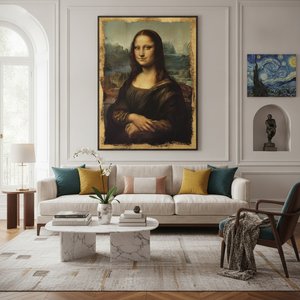
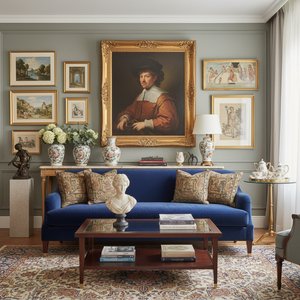
Integrating historical grandeur into a contemporary interior is an exercise in sophisticated curation. The modern aesthetic, often characterized by clean lines and minimalist forms, provides a breathtakingly neutral stage for the dramatic presence of classical art. A large-format mural or a multi-panel group set painting can transform a stark architectural space into a gallery of profound depth. By utilizing techniques such as the ExtendedWrap, where the artist continues the composition around the edges of the canvas, or by commissioning bespoke frescoes for ceilings, one can recreate the awe-inspiring atmosphere of historical palaces within a modern residence.
This integration is not merely about placement, but about the creation of an emotional atmosphere. The ability to "remix" history—perhaps requesting a personal portrait be rendered in the light-drenched style of Monet or transforming a contemporary photograph into a 17th-century masterpiece—allows for a seamless blend of personal biography and historical prestige. When art is chosen with intention, it ceases to be an object on a wall and becomes an architectural element that dictates the mood, warmth, and intellectual character of the home, turning a living space into a curated legacy.
Curating Continuity: The Role of Art in Safeguarding Global Identity
Ultimately, the act of collecting and appreciating reproductions is an act of cultural stewardship. In an increasingly fragmented world, art provides a common ground—a shared repository of beauty and meaning. Whether it is through the preservation of delicate landscapes or the celebration of vibrant regional folk arts, the continued circulation of these images safeguards our global identity. We are not merely looking at old paintings; we are participating in the ongoing curation of human civilization.
As we look toward the future, the intersection of technology and tradition offers new avenues for this preservation. From AI-driven tools that allow us to reimagine classical styles to the precision of Giclée printing that ensures century-long durability, the tools at our disposal are expanding. Yet, the core mission remains unchanged: to ensure that the brilliance of the past is never lost to the shadows of the present. By bringing these masterpieces into our lives, we ensure that the flame of human creativity continues to burn brightly, illuminating the path for all generations to come.
ArtsDot.com stands at the forefront of this movement, dedicated to making the world's greatest treasures accessible to all. From bespoke oil commissions to museum-quality prints, we provide the bridge between history and your home, ensuring that the legacy of the Old Masters lives on through unparalleled craftsmanship and a passion for cultural preservation.