The Canvas of Couture: How Fine Art Informs Fashion Silhouettes
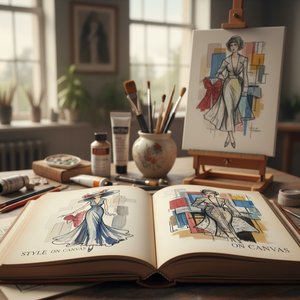
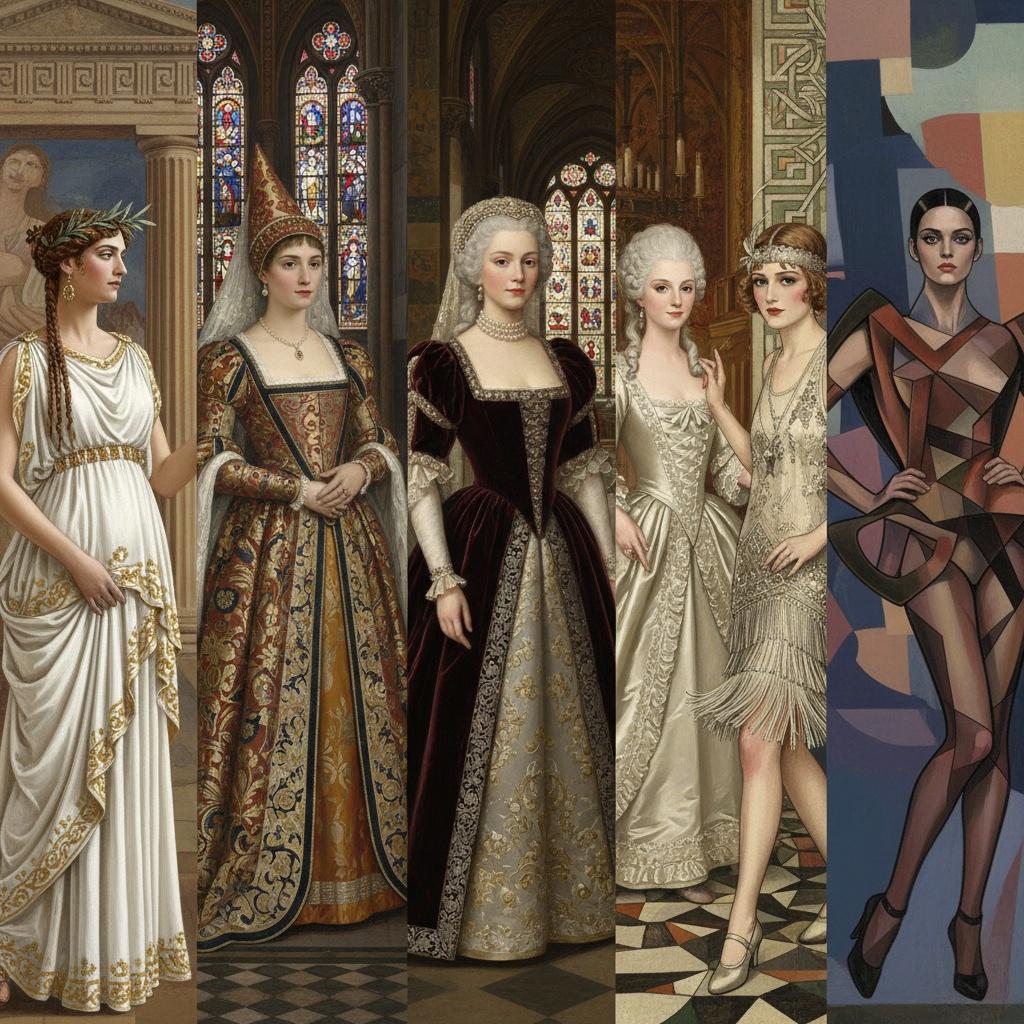
To gaze upon a masterpiece is to witness the silent dialogue between form and fabric. Throughout history, the boundaries between the painter’s brush and the couturier’s needle have been perpetually blurred, creating a shared language of elegance and structure. The canvas serves as more than a mere surface for pigment; it acts as a blueprint for the very architecture of human adornment. When we observe the sweeping drapery in a Renaissance portrait or the structured geometry of a modernist sketch, we are seeing the foundational elements of fashion design being articulated through art. This symbiotic relationship ensures that style is never merely a fleeting trend but a profound expression of cultural movement and aesthetic evolution.
The essence of this connection lies in the mastery of silhouette and the manipulation of volume. Just as an artist utilizes light and shadow to create depth on a flat plane, a designer uses fabric and tailoring to sculpt the human form. The weight of a heavy velvet, the ethereal translucency of silk, and the rigid defiance of structured corsetry all find their visual precursors in the textures captured by the Old Masters. This intersection creates a timeless loop where art provides the conceptual soul, and fashion provides the tangible, wearable reality, allowing the grandeur of history to be draped across the shoulders of the present.
Art Deco Elegance: The Geometric Precision of Sonia Delaunay and Georges Barbier
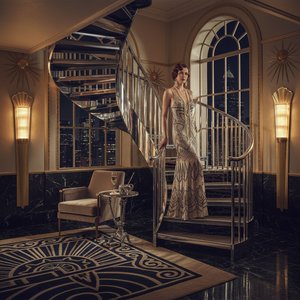
As we transition into the early 20th century, the fluid romanticism of previous eras gave way to a breathtaking era of rhythmic precision. The Art Deco movement emerged as a celebration of modernity, characterized by a fascination with the machine age, speed, and geometric abstraction. This period saw the rise of legendary illustrators like Sonia Delaunay, whose work transcended simple fashion sketching to become true simultaneous compositions. Her use of vibrant, overlapping circles and bold, rhythmic color palettes did not merely depict clothing; they embodied the very energy of the 1920s, turning the female figure into a moving canvas of abstract dynamism.
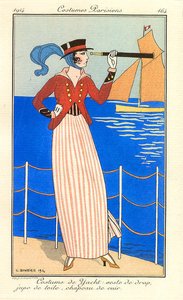
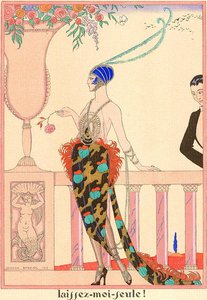
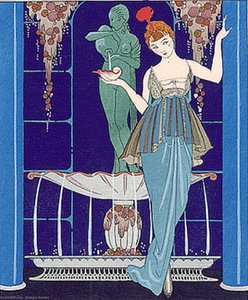
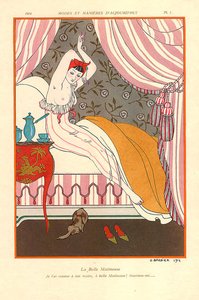
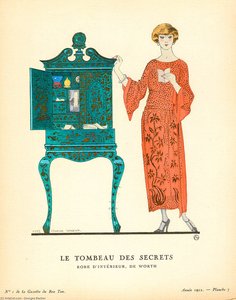
Parallel to this chromatic revolution was the opulent, sculptural elegance found in the works of Georges Barbier. His illustrations, such as the exquisite depictions of the Jeanne Paquin gown, epitomize the luxury and sophisticated ornamentation of the era. Barbier’s technique utilized a meticulous approach to line and form, blending elements of sculpture with fashion to create figures that possessed an almost architectural permanence. In these works, we see the marriage of fine art and high society, where every fold of fabric and every intricate pattern serves to reinforce the era's obsession with decadence, symmetry, and the avant-garde spirit of the Jazz Age.
The Impressionist Drape: Capturing Light and Movement in Textile Design
If Art Deco was defined by the precision of the line, then Impressionism offered the world the poetry of the light. The movement revolutionized our perception of reality by focusing on the fleeting moment—the way sunlight dances upon a surface or how shadows soften at dusk. For the fashion designer, this era provided an entirely new vocabulary for textile design and garment construction. The focus shifted from the rigid structure of the silhouette to the sensory experience of the material itself. Designers began to experiment with fabrics that could mimic the dappled light and atmospheric haze so famously captured by Monet and Renoir.
This period introduced a profound appreciation for movement and translucency. The way an Impressionist painter uses broken brushstrokes to suggest the shimmer of water or the rustle of leaves finds its counterpart in the use of chiffon, tulle, and lace. These textiles allow light to pass through layers of fabric, creating a sense of depth and ethereal beauty that mirrors the luminosity of an oil painting. In this light-drenched aesthetic, fashion becomes less about the physical boundary of the garment and much more about the atmospheric aura surrounding the wearer, turning every stroll through a garden into a living, breathing masterpiece of motion.
Modernism and the Avant-Garde: Breaking Boundaries through Abstract Expressionism
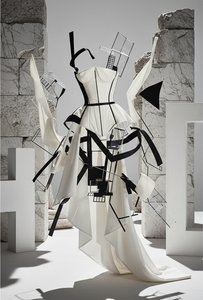
The mid-20th century brought with it a radical departure from representational beauty, as the world of art embraced the raw emotion and spontaneous energy of Abstract Expressionism. This era challenged the very definition of what constitutes a "subject," moving toward the exploration of texture, gesture, and subconscious impulse. For fashion design, this meant a liberation from the constraints of traditional motifs. The influence of artists like Jackson Pollock or Mark Rothko can be seen in the emergence of bold, unstructured garments, the use of heavy impasto-like textures in knitwear, and the profound impact of color-field theory on monochromatic, minimalist collections.
The avant-garde designer began to treat the garment as a site for experimentation, much like an artist treats a canvas. The focus moved toward the tactile—the visceral feeling of raw edges, deconstructed seams, and oversized, sculptural shapes that defy the natural anatomy. This era proved that fashion could be just as provocative and intellectually demanding as fine art, using the human body to explore themes of chaos, order, and the sublime. It was a period where the "unseen" became visible, and the emotional weight of a color or a texture could communicate more than any intricate pattern ever could.
From Masterpiece to Runway: The Enduring Legacy of Art in Contemporary Luxury
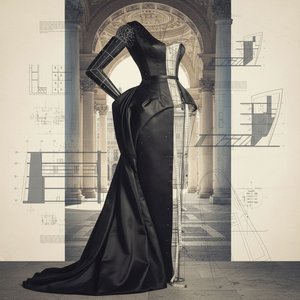
Today, the lineage of these historical movements continues to flow through the veins of contemporary luxury fashion. We no longer see art and fashion as separate entities but as a unified force in the creation of cultural identity. Modern designers frequently look back to the archives of art history to find inspiration for their collections, resurrecting the geometric rigor of Art Deco or the soft romanticism of the Impressionists to ground their modern innovations in a sense of heritage. This continuous dialogue ensures that even the most cutting-edge runway shows possess an underlying connection to the timeless principles of aesthetic excellence.
The legacy of this relationship is perhaps most visible in how we consume and celebrate beauty in our personal spaces. The desire to surround ourselves with the grandeur of the past—whether through a carefully curated collection of fine art prints or a bespoke oil reproduction—reflects the same impulse that drives a designer to create a couture gown. We seek the texture, the history, and the soul found in these works. As we move forward into an increasingly digital age, the tactile depth of a hand-painted canvas and the structural integrity of a well-crafted garment remain our most profound links to the enduring power of human creativity.
Discover the intersection of history and elegance with ArtsDot.com. From museum-quality Giclée prints to breathtaking, handmade oil reproductions that capture every brushstroke of the masters, we bring the world's most iconic aesthetics into your home. Whether you seek a custom portrait reimagined in the style of Van Gogh or a large-scale mural to transform your space, our commitment to academic excellence and artisanal craftsmanship ensures that your passion for art is met with unparalleled quality. Explore our curated collections and begin your own visual journey today.