The Dawn of Glamour: From Pictorialism to the Cinematic Frame
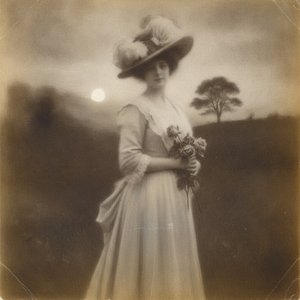
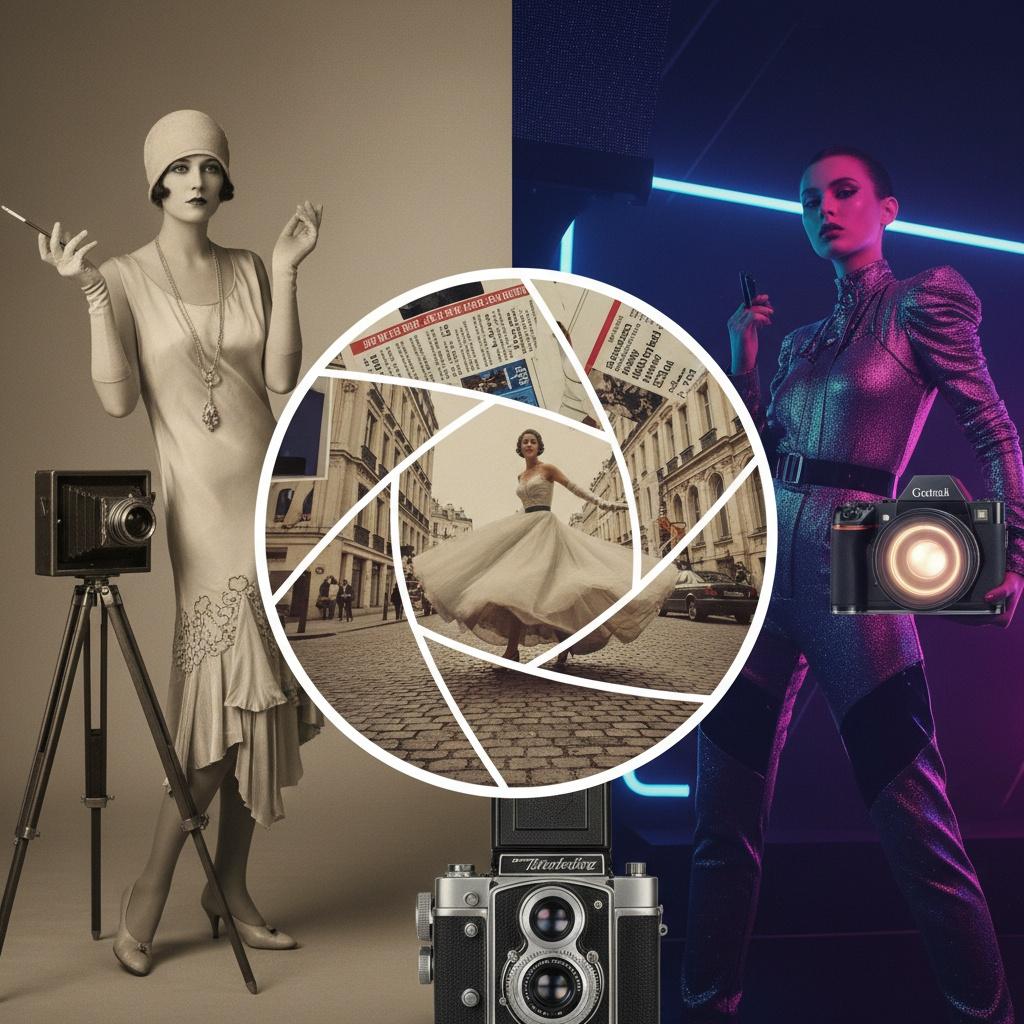
To understand the profound impact of fashion photography on the modern art collector's eye, one must first look back at the era when the camera began to transcend mere documentation. In its infancy, fashion photography was deeply rooted in Pictorialism, a movement that sought to emulate the soft, ethereal qualities of fine art painting. The early masters did not simply capture a garment; they composed a dreamscape, utilizing heavy diffusion and romanticized lighting to evoke an emotional resonance that felt more like a Renaissance portrait than a commercial snapshot.
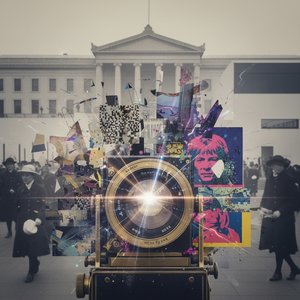
As the decades progressed, this soft-focus romanticism gave way to a more structured, cinematic approach. The lens began to act as a director, orchestrating light and shadow to create narratives of high drama and aspiration. This transition marked the birth of the fashion editorial as a legitimate form of visual storytelling, where the clothing served as the protagonist within a carefully curated stage. For the discerning collector, this era represents the foundational moment when photography moved from the periphery of art into the heart of cultural prestige, establishing a language of glamour that continues to influence contemporary aesthetics.
Architectural Elegance: The Geometric Precision of Gianfranco Ferré
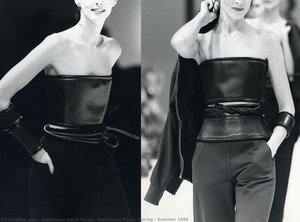
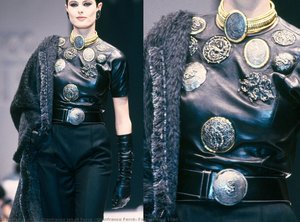
As we move into the mid-to-late twentieth century, the fluidity of early romanticism was challenged by a new, rigorous discipline: the marriage of fashion and architecture. No figure embodies this intersection more exquisitely than Gianfranco Ferré. His work, particularly seen in his iconic 1986 Spring/Summer collections, serves as a masterclass in geometric precision. In these photographs, the human form is not merely draped in fabric; it is integrated into a composition of sleek black and grey tones, where every line and angle is calculated to evoke a sense of structural permanence.
Ferré’s photographic legacy is defined by this architectural rigor. His ability to utilize sharp, geometric lines to frame the elegance of a model creates a visual tension that is both modern and timeless. When observing his 1990 Fall/Winter editorial, one encounters an even deeper level of opulence—a dramatic interplay of dark fashion, metallic discs, and luxurious textures that demand attention through their sheer tactile presence. For the art enthusiast, these works are more than fashion images; they are studies in balance, weight, and the profound beauty of structured design.
Surrealist Shadows: Exploring the Avant-Garde and Pop Art Influence
Parallel to the rise of structural elegance was a much more subversive movement: the infusion of Surrealism and Pop Art into the fashion frame. This era sought to disrupt the viewer's perception, using the camera to create impossible realities and dreamlike distortions. The influence of the avant-garde allowed photographers to experiment with scale, shadow, and unexpected juxtapositions, turning a simple studio session into an exploration of the subconscious.
A striking example of this can be found in the work of Richard Puhlmann, specifically his 1960s German piece featuring Uli Richter for Constanze Mode. This photograph stands as a testament to the era's unique blend of fashion, design, and Pop Art sensibility. By placing the subject within a surrealist setting, the image transcends the boundaries of clothing to become a piece of conceptual art. The use of stark black and white tones strips away the distraction of color, forcing the collector to confront the raw, often unsettling beauty of the composition. It is in this tension between the recognizable and the uncanny that fashion photography finds its most profound artistic depth.
Texture and Tone: The Mastery of Black, White, and Monochrome Composition
The true soul of high-fashion photography often resides not in color, but in the masterful manipulation of monochrome. The absence of a chromatic palette allows the photographer to focus entirely on the fundamental elements of art: light, shadow, shape, and texture. In the realm of black and white photography, every highlight becomes a sculptural element, and every shadow becomes a vessel for mystery.
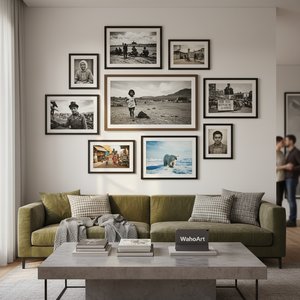
< Responding to this mastery requires an appreciation for the subtle gradations of grey that define depth. A well-executed monochrome fashion photograph can convey the weight of heavy velvet, the shimmer of silk, or the cold hardness of metallic embellishments with startling clarity. This focus on tonal range creates a sense of permanence; while color trends may fade into obsolescence, the interplay of light and dark remains eternally sophisticated. For those curating a collection, these works offer a timelessness that anchors a room, providing a sophisticated visual anchor that complements both classical and modern interiors.The Modern Legacy: How Fashion Photography Redefines Contemporary Fine Art
Today, the boundaries between fashion photography and fine art have all but dissolved. The contemporary collector no longer views these images as ephemeral advertisements, but as significant cultural artifacts. The evolution from the soft-focus dreams of the early century to the sharp, architectural brilliance of Ferré, and finally to the surrealist provocations of the avant-garde, has created a rich tapestry of visual history.
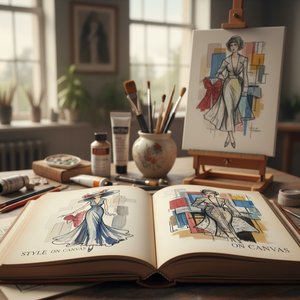
This legacy continues to breathe through new technologies and reinterpretations. We see it in the way modern artists use digital tools to mimic the impasto textures of classical masters or how contemporary photographers utilize light to create hyper-realist landscapes of the human form. As we continue to document the changing face of style, fashion photography remains a vital, living medium—a continuous dialogue between the ephemeral nature of trend and the enduring power of artistic vision.
About ArtsDot.com
Since 2004, ArtsDot.com has been a global leader in bringing the world's most profound visual legacies to the homes of discerning collectors. From exquisite hand-painted oil reproductions that capture the tactile soul of a masterpiece to museum-grade Giclée prints, we specialize in preserving human creativity. Whether you seek to transform a personal memory into a 17th-century style portrait or wish to acquire a large-scale mural for a professional space, our academy-trained artists and dedicated Project Coordinators ensure every piece meets the highest standards of excellence. Discover the intersection of tradition and innovation at ArtsDot.com.