The Essence of the Line: The Foundational Language of Graphite and Charcoal
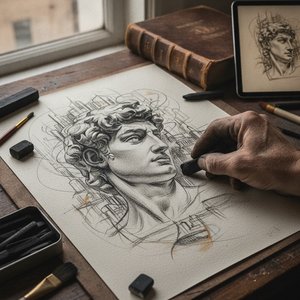
In the quiet sanctity of the artist's studio, before the grand drama of oil and pigment takes hold, there exists a more primal form of communication: the line. To the discerning eye, a sketch is never merely a preliminary step; it is the very heartbeat of an artwork. The line serves as the fundamental language through which an artist articul least their intentions, capturing the raw energy of a moment before it is codified by color. Whether it is the delicate, silvery whisper of a graphite pencil or the bold, assertive weight of charcoal, the line possesses a unique ability to convey movement and structure with unparalleled clarity.
When we observe the works of masters, we see that the line is far more than a boundary. It is an expressive gesture. In the sketches of Vincent van Gogh, for instance, one finds a mastery of tonal variation achieved through rhythmic hatching and cross-hatching. Here, thick, vigorous strokes define major forms, while finer, more intricate lines suggest the delicate textures of fabric or the ruggedness of earth. This duality allows the artist to prioritize expressive gesture over mere precise representation, inviting the viewer into the emotional landscape of the creator. The line, in its purest form, is an intimate dialogue between the hand and the paper.
Chiaroscuro in Monochrome: The Dramatic Interplay of Light and Shadow
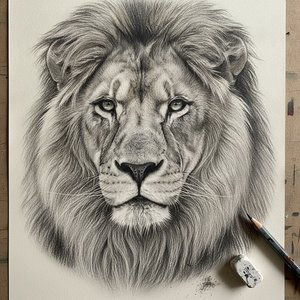
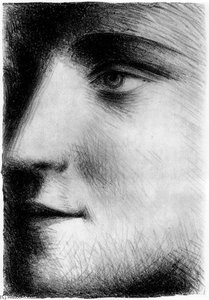
Beyond the structural integrity of the line lies the profound mystery of light. In the absence of a full color palette, the artist must rely on the sophisticated technique of chiaroscuro—the dramatic interplay between light and dark. This monochromatic alchemy allows for the creation of volume and depth that can feel almost sculptural. By manipulating the transition from deep, velvety blacks to the luminous whites of the untouched paper, a sketch transcends two-dimensional space to become a window into a three-dimensional world.
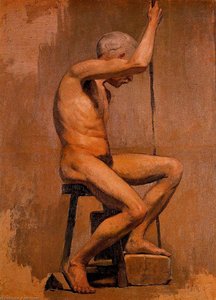
This mastery of light is perhaps most evident in academic studies where light play is used to sculpt the human form. Consider the charcoal figure studies by Domingos António de Sequeira; through careful tonal gradation, he captures the way light grazes a shoulder or settles in the hollow of a collarbone. This technique does not merely illuminate a subject; it imbues it with weight and presence. The shadow is not simply an absence of light, but a deliberate tool used to define shape, create atmosphere, and direct the viewer's gaze through the composition.
From Gesture to Detail: Exploring Expressive Marks and Academic Precision
The journey of a sketch often oscillates between two poles: the spontaneous gesture and the meticulous detail. A truly captivating drawing possesses the ability to inhabit both realms simultaneously. The initial gesture—the pentimenti or early marks—captures the fleeting essence, the "soul" of the subject, providing a sense of life and motion that prevents the work from becoming static. It is the artist's first breath on the page, often characterized by a certain beautiful imperfection.
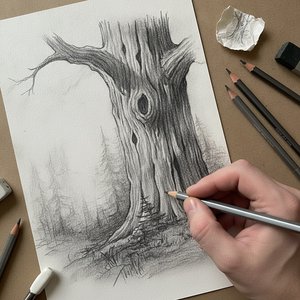
As the drawing progresses, this fluidity is tempered by academic precision. The artist begins to layer fine details—the subtle grain of wood, the intricate pattern of a textile, or the anatomical accuracy of a muscle. This transition from the broad and expressive to the minute and controlled requires immense discipline. It is in this tension between the wildness of the initial mark and the refinement of the final detail that the true virtuosity of the draftsman is revealed, creating a work that is both intellectually rigorous and emotionally resonant.
Texture and Atmosphere: Capturing the Soul of Landscapes and Figures through Tonal Variation
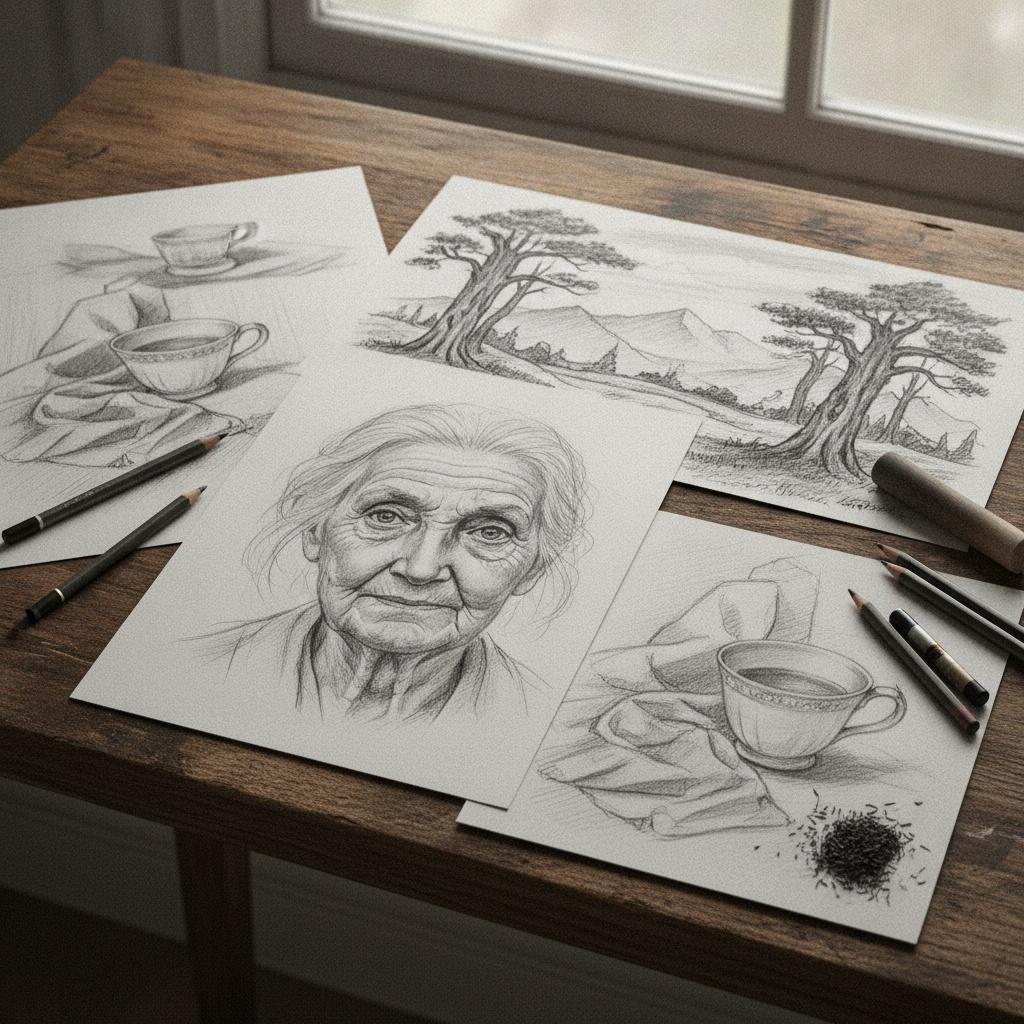
To master the sketch is to master the art of atmosphere. Through subtle variations in tone, an artist can manipulate the perceived temperature and humidity of a scene. A landscape rendered in soft, blended graphite can evoke the misty, ethereal quality of a dawn shrouded in fog, while sharp, high-contrast charcoal strokes can suggest the harsh, biting light of a midday sun.
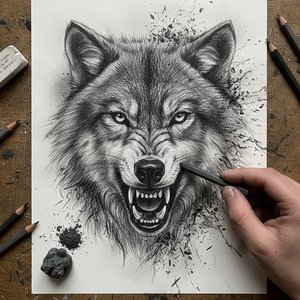
This ability to render texture is vital for creating a sense of place. In the works of Nicholas Roerich, such as his studies of yurts, we see how monochrome graphite can capture the ruggedness of rural landscapes and the architectural weight of structures through careful attention to line and texture. By varying the pressure of the tool and the density of the marks, the artist simulates the tactile reality of the world—the roughness of stone, the softness of fur, or the lightness of air. This tonal variation creates a sensory experience that allows the viewer to almost feel the environment depicted.
The Legacy of the Sketch: How Preparatory Studies Inform the Great Masterpieces
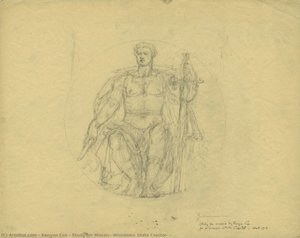
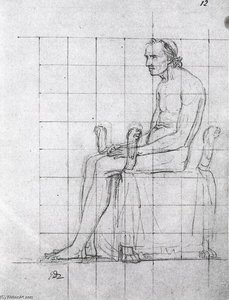
While many view sketches as mere precursors to finished paintings, they are, in fact, the intellectual blueprints of art history. The preparatory study is where the most profound creative decisions are made—the composition is tested, the light is mapped, and the emotional core is established. These works offer us a rare, unvarnished glimpse into the minds of the Old Masters, revealing the iterative process of genius.
When we look at a finished oil painting, we see the triumph; when we look at the sketch, we see the struggle and the discovery. This legacy of drawing continues to inspire modern collectors and enthusiasts alike. At ArtsDot.com, we celebrate this enduring connection between the raw sketch and the finished masterpiece. Whether through our hand-painted oil reproductions that capture the impasto energy of Van Gogh or our custom portrait services that transform personal memories into classical works, we strive to preserve the profound beauty found in every line and shadow. Our mission is to bring the depth of art history into the modern home, ensuring that the timeless elegance of the masters remains accessible to all.